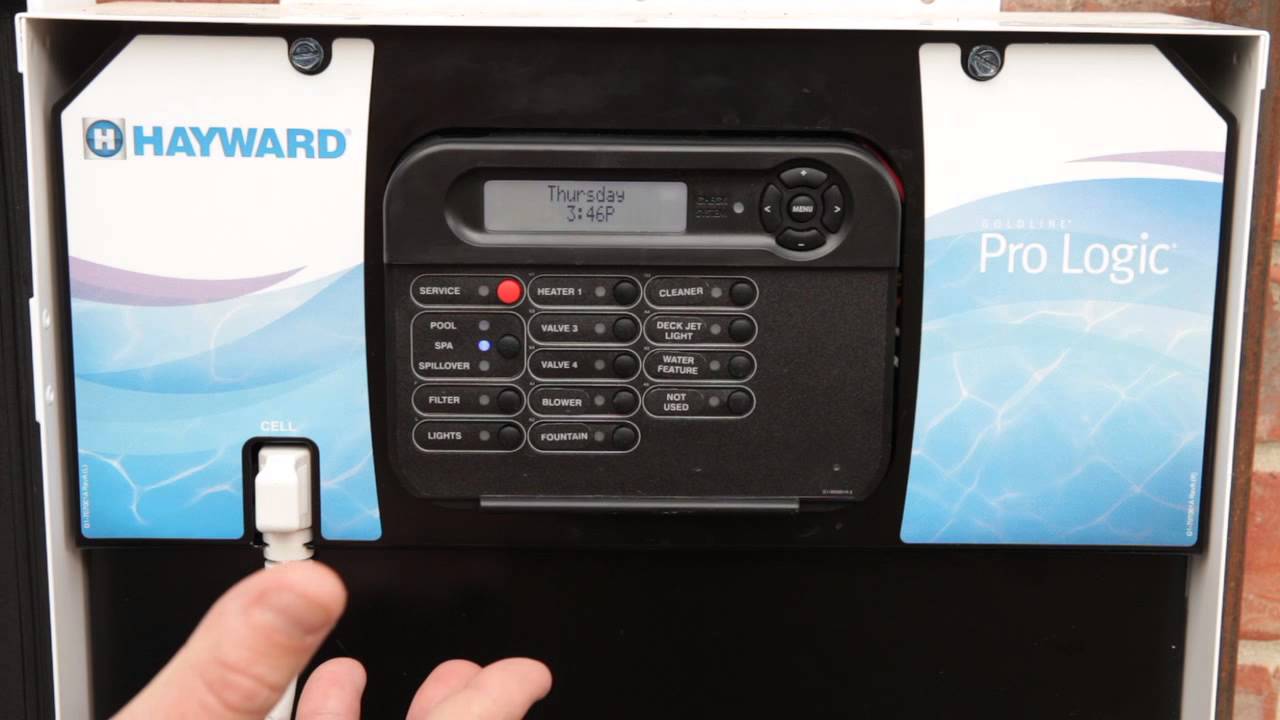
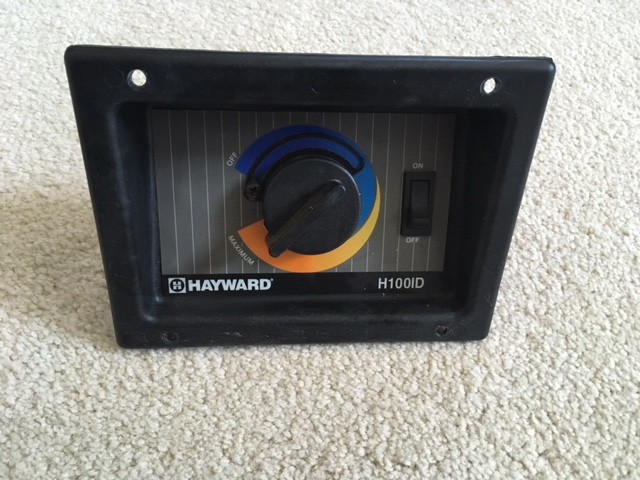
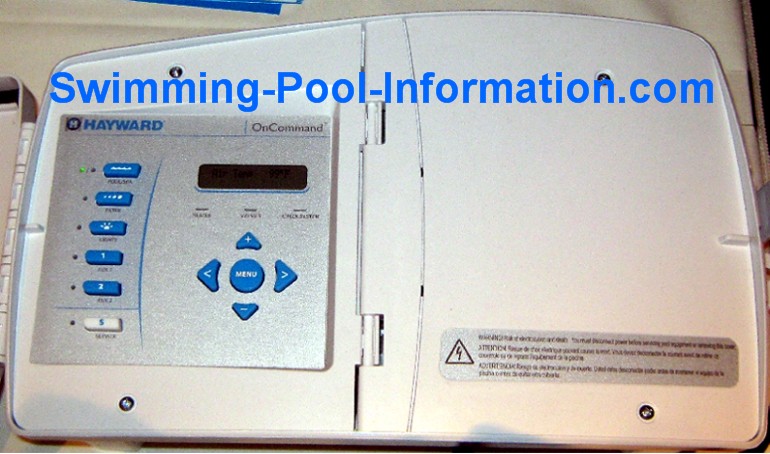
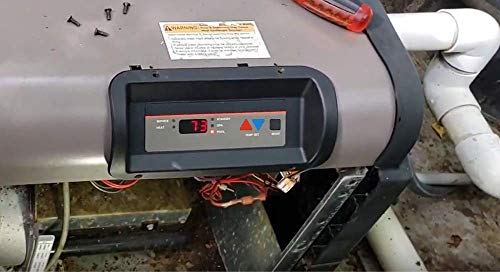
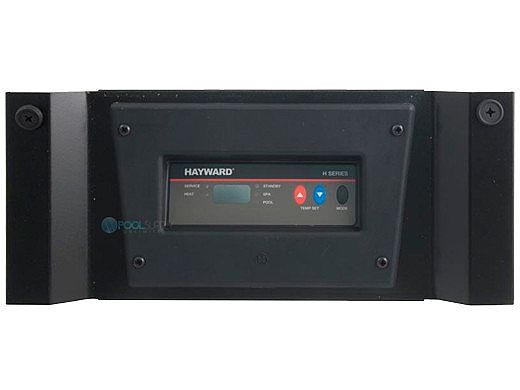
Hayward Pool Heater Control Panel

Understanding the Hayward Pool Heater Control Panel: A Comprehensive Guide
For pool owners, maintaining the perfect water temperature is crucial for enjoying a comfortable and extended swimming season. The Hayward Pool Heater Control Panel serves as the brain of your pool heating system, allowing you to precisely manage and monitor water temperature, diagnose potential issues, and optimize energy efficiency. This guide provides an in-depth look at Hayward control panels, covering features, benefits, troubleshooting tips, and more to help you make informed decisions about your pool heating needs.
Why Choose a Hayward Pool Heater Control Panel?
Hayward is a well-respected name in the pool and spa industry, known for producing reliable and innovative equipment. Their control panels are designed with user-friendliness and durability in mind, offering several advantages:
- Precise Temperature Control: Set and maintain your desired water temperature with accuracy.
- Digital Displays: Easy-to-read digital interfaces provide real-time information about water temperature, system status, and potential error codes.
- Diagnostic Capabilities: Many models include self-diagnostic features that help identify and troubleshoot potential problems, saving you time and money on repairs.
- Energy Efficiency: Advanced control features can optimize heater operation, reducing energy consumption and lowering your utility bills.
- Automation Compatibility: Seamless integration with other pool automation systems, allowing you to control your heater remotely via smartphone or tablet.
Key Features to Look For
When selecting a Hayward Pool Heater Control Panel, consider the following features to ensure it meets your specific needs:
- Digital Display: A clear and easily readable display is essential for monitoring water temperature and system status. Look for models with backlit displays for enhanced visibility in low-light conditions.
- User-Friendly Interface: Intuitive controls and straightforward menus make it easy to adjust settings and navigate the system.
- Diagnostic Codes: A comprehensive list of diagnostic codes and their meanings is crucial for troubleshooting potential problems. The manual should clearly explain these codes.
- Remote Control Compatibility: If you desire remote control capabilities, ensure the panel is compatible with your existing pool automation system or consider a model with built-in Wi-Fi connectivity.
- Freeze Protection: Automatic freeze protection is a valuable feature that protects your pool equipment from damage during cold weather.
- Safety Features: Look for panels with built-in safety features, such as high-limit switches and automatic shut-off functions.
Popular Hayward Pool Heater Models and Control Panels
Hayward offers a range of pool heaters, each typically equipped with a specific control panel. Here are a few popular models and their associated control features:
Hayward Universal H-Series Heaters
The Universal H-Series is a popular line known for its efficiency and reliability. Their control panels typically feature:
- Digital temperature display
- Simple up/down temperature adjustment buttons
- Diagnostic lights for basic troubleshooting
- Models range from 150,000 BTU to 400,000 BTU.
Hayward H400FDN Universal H-Series Low NOx Gas Heater
This model emphasizes reduced emissions. The control panel will have similar functionality to other H-Series heaters with a focus on displaying operational status and potential error messages related to NOx emissions control.
Hayward Summit XL High-Efficiency Heater
The Summit XL boasts higher energy efficiency. The control panel usually includes more advanced features, such as:
- Larger digital display with more detailed information
- Self-diagnostic capabilities with error code display
- Potential for integration with Hayward's OmniLogic automation system.
- Lower operating costs due to increased efficiency.
Hayward HeatPro Heat Pumps
Hayward HeatPro heat pumps utilize electricity to transfer heat, offering an energy-efficient alternative to gas heaters. Their control panels often include:
- Digital temperature display
- Mode selection (heating, cooling, automatic)
- Defrost cycle indicator
- Timer functions
Troubleshooting Common Issues
Even with a reliable system like Hayward, issues can arise. Here are some common problems and potential solutions related to the control panel:
- No Display: Check the power supply to the heater. Ensure the circuit breaker is on and the heater is receiving power. Inspect the wiring connections to the control panel.
- Incorrect Temperature Reading: Verify the water temperature sensor is properly installed and functioning correctly. Clean the sensor if necessary.
- Error Codes: Consult the heater's manual to interpret the error code and identify the source of the problem. Common issues include low water flow, overheating, or ignition problems.
- Heater Not Turning On: Check the thermostat setting and ensure it's set to a temperature higher than the current water temperature. Verify the heater's safety switches (e.g., high-limit switch) are not tripped.
Important Note: For complex repairs or if you are uncomfortable working with electrical or gas components, it's always best to consult a qualified pool service technician.
Understanding AFUE, SEER, and HSPF
While these ratings are primarily used for whole-house heating and cooling systems, understanding their basic principles can be helpful when comparing pool heaters, particularly heat pumps. AFUE (Annual Fuel Utilization Efficiency) applies to gas heaters and indicates how efficiently the heater converts fuel into usable heat. SEER (Seasonal Energy Efficiency Ratio) and HSPF (Heating Seasonal Performance Factor) are relevant to heat pumps. SEER measures cooling efficiency, and HSPF measures heating efficiency. Higher numbers in all these ratings indicate greater energy efficiency.
Pool heat pumps will have a Coefficient of Performance (COP) rating, which is similar to SEER and HSPF. It shows the ratio of heat output to electrical input, a higher COP means better efficiency.
Warranty Information
Hayward offers warranties on their pool heaters and components, including the control panels. Warranty coverage typically varies depending on the model and component. Be sure to carefully review the warranty documentation for your specific heater to understand the terms and conditions, including:
- Warranty duration
- Covered components
- Exclusions
- Claim procedures
Proper installation and maintenance are crucial for maintaining warranty coverage. Keep records of all maintenance activities and repairs.
Maintenance Tips for Your Hayward Control Panel
Proper maintenance will help extend the life of your control panel and ensure optimal performance. Here are some tips:
- Keep it Clean: Regularly wipe down the control panel with a soft, damp cloth to remove dust and debris.
- Protect from the Elements: If the control panel is exposed to direct sunlight or inclement weather, consider installing a protective cover.
- Inspect Wiring: Periodically inspect the wiring connections to ensure they are secure and free from corrosion.
- Professional Inspection: Schedule annual inspections with a qualified pool service technician to identify and address potential problems early on.
Pricing Considerations
The price of a Hayward Pool Heater Control Panel can vary depending on the model, features, and retailer. Replacement control panels can range from a few hundred dollars to over a thousand dollars for more advanced systems. Complete heater units, naturally, will cost considerably more.
When budgeting for a pool heater, consider not only the initial purchase price but also the long-term operating costs, including energy consumption and maintenance expenses. A more energy-efficient heater may have a higher upfront cost but can save you money in the long run.
Alternatives to Hayward
While Hayward is a leading brand, other manufacturers offer competing pool heaters and control systems. Some popular alternatives include:
- Pentair: Pentair offers a wide range of pool heaters with advanced control features and automation capabilities.
- Raypak: Raypak is known for its durable and reliable pool heaters.
- Jandy: Jandy (Zodiac) provides innovative pool heating solutions with user-friendly controls.
When comparing brands, consider factors such as reputation, features, warranty coverage, and price.
Conclusion
The Hayward Pool Heater Control Panel is a vital component of your pool heating system, providing precise temperature control, diagnostic capabilities, and energy-saving features. By understanding the various features, troubleshooting tips, and maintenance requirements, you can ensure your control panel operates efficiently and reliably for years to come. Careful consideration of your needs and budget, along with regular maintenance, will help you enjoy a perfectly heated pool all season long.