Heat Capacity Of Air In English Units
Frequently Asked Questions: Heat Capacity of Air in English Units
This article addresses common questions about the heat capacity of air as it relates to practical applications like home heating, ventilation, and air conditioning (HVAC) in the United States. We'll explain what it is, how it's measured in English units, and why it matters for energy efficiency.
1. What exactly is "heat capacity" of air, and why should I care?
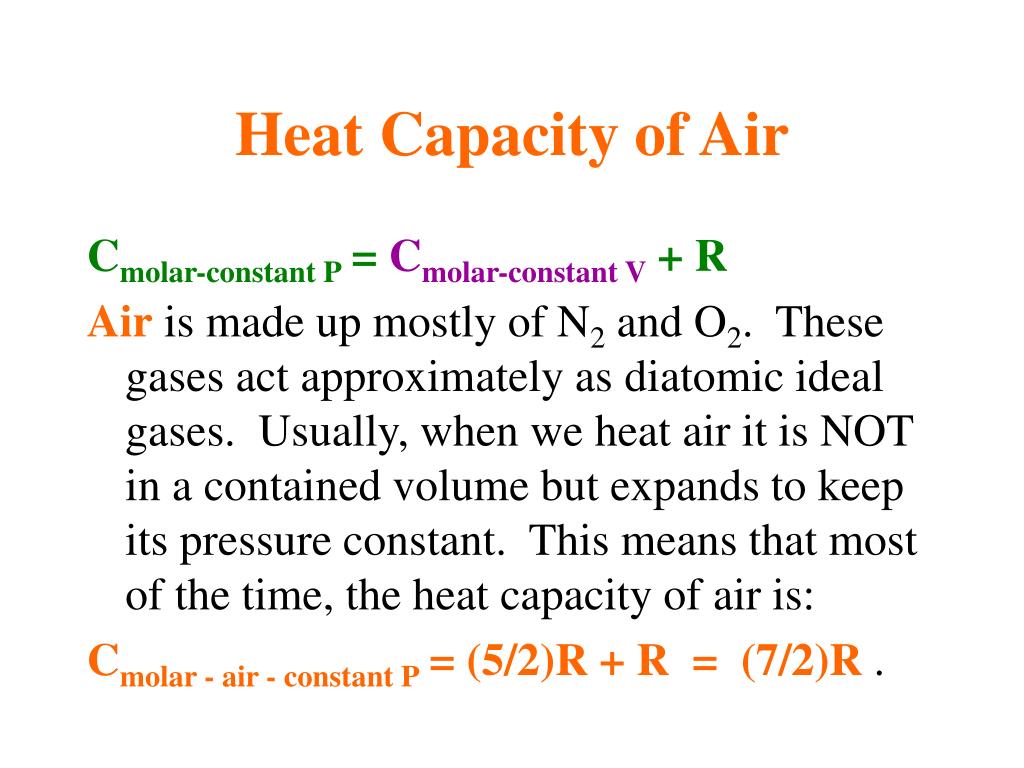
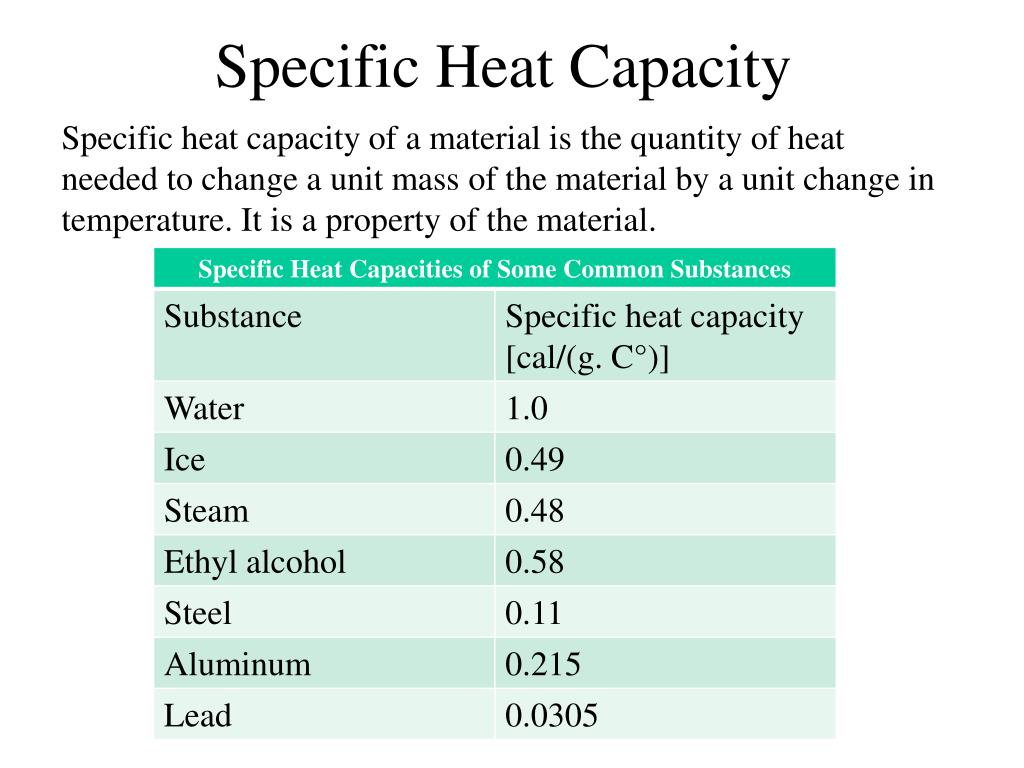
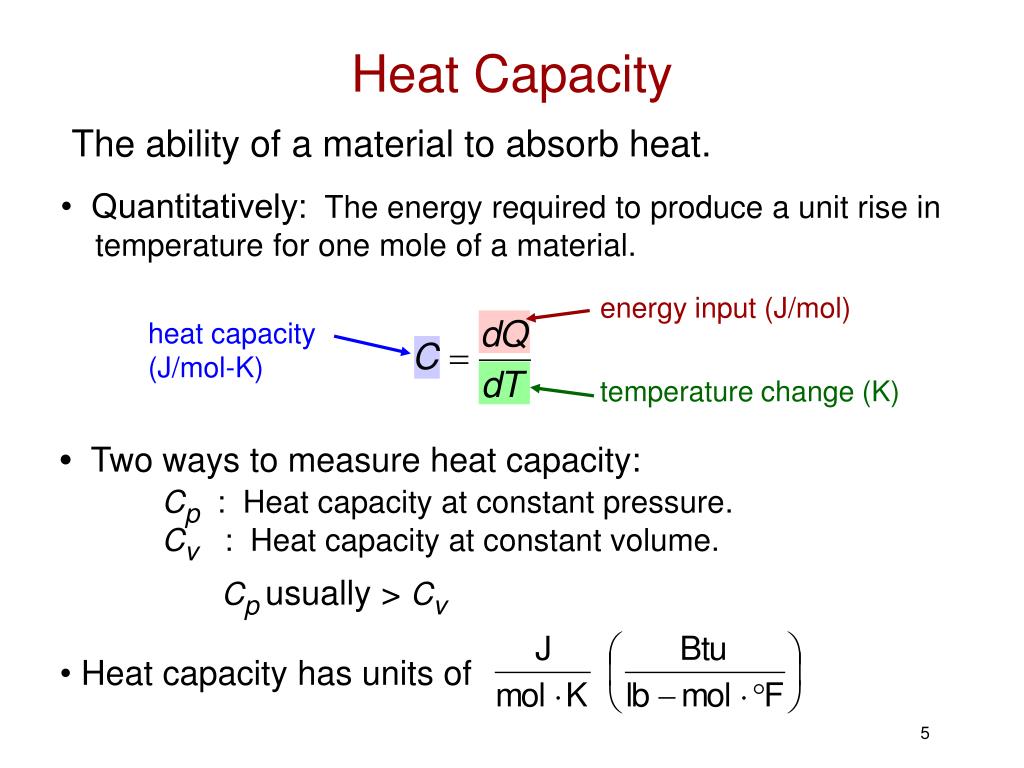
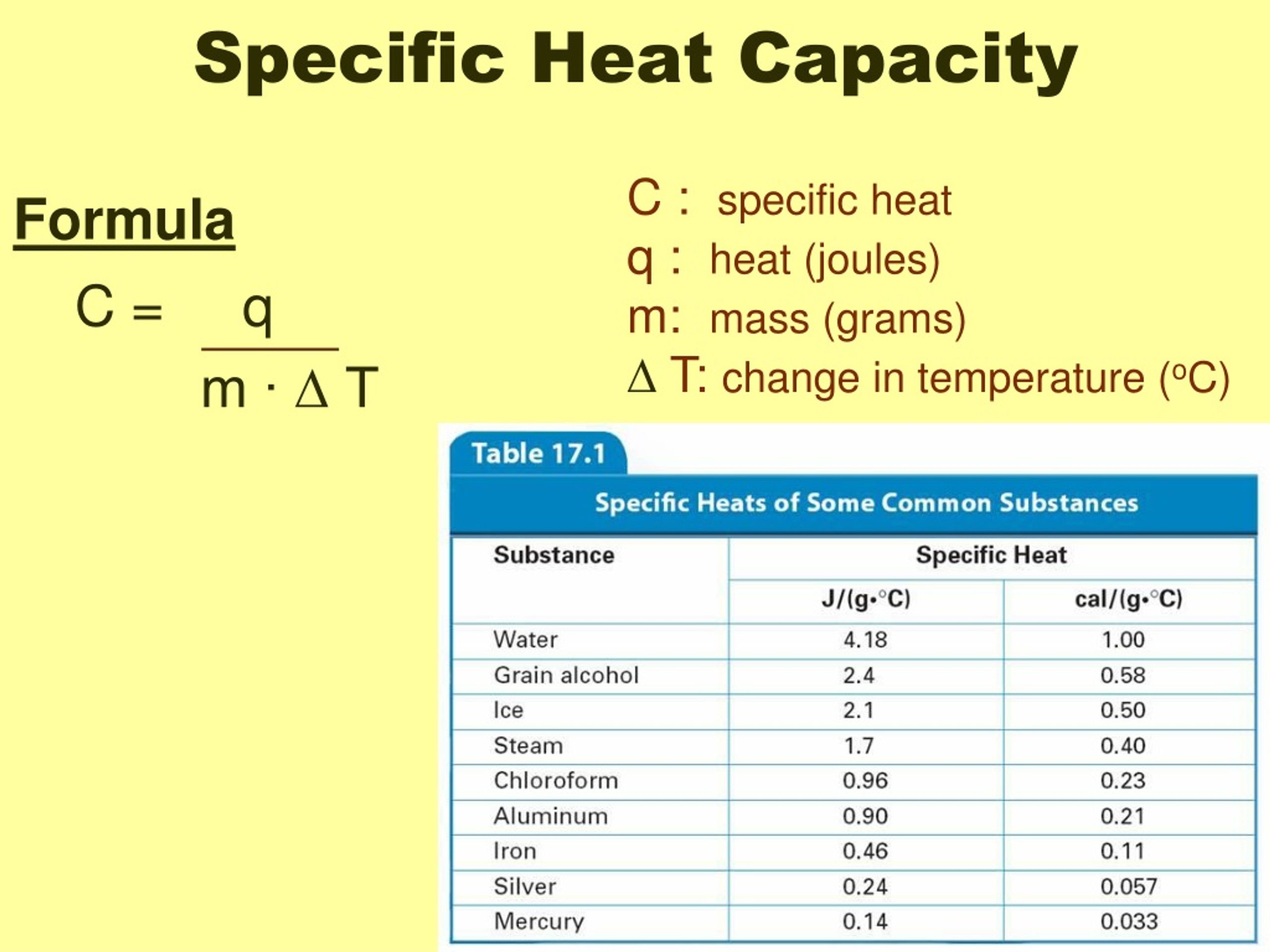
Heat capacity is a measure of how much energy it takes to raise the temperature of a substance by a certain amount. Specifically, it's the amount of heat required to raise the temperature of a unit mass of a substance by one degree. For air, this means how much heat is needed to warm up a given amount of air. You should care because it affects how efficiently your heating and cooling systems work. A lower heat capacity means less energy is needed to change the temperature of the air, which can translate to lower energy bills. Conversely, higher heat capacity, while needing more energy initially, might mean temperature fluctuations are less drastic.
In simpler terms, think of it like this: Imagine you have two containers, one filled with air and the other with water. To raise the temperature of the water by one degree, you need significantly more energy than you would to raise the temperature of the air by the same amount. That's because water has a much higher heat capacity than air.
2. What are the English units used to measure the heat capacity of air?
The most common English units for measuring the heat capacity of air are:
- Btu/lb-°F (British thermal units per pound per degree Fahrenheit)
Let's break that down:
- Btu (British thermal unit): The amount of heat required to raise the temperature of one pound of water by one degree Fahrenheit.
- lb (pound): A unit of mass.
- °F (degree Fahrenheit): A unit of temperature.
So, a value of, say, 0.24 Btu/lb-°F means that it takes 0.24 Btu of heat to raise the temperature of one pound of air by one degree Fahrenheit.
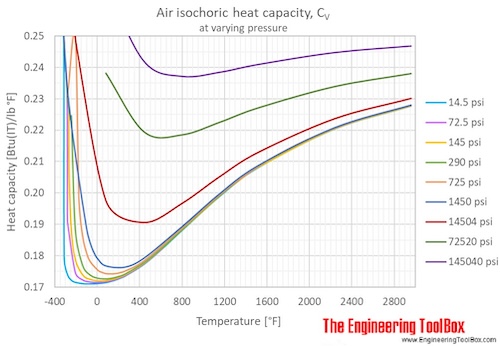
3. What is the typical heat capacity of air in Btu/lb-°F? Does it vary?
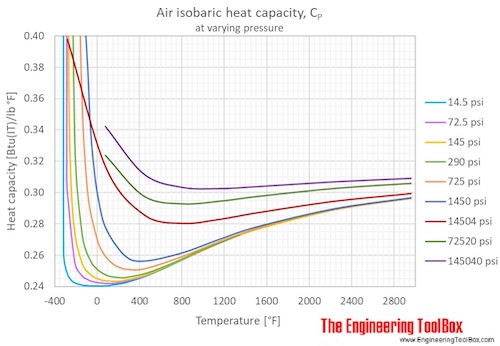
The heat capacity of air isn't a fixed number. It changes slightly based on temperature, pressure, and humidity. However, for most practical HVAC applications, a value of around 0.24 Btu/lb-°F is a good approximation. This value is often used for dry air at standard atmospheric pressure and room temperature (around 70°F).
Here’s why it varies:
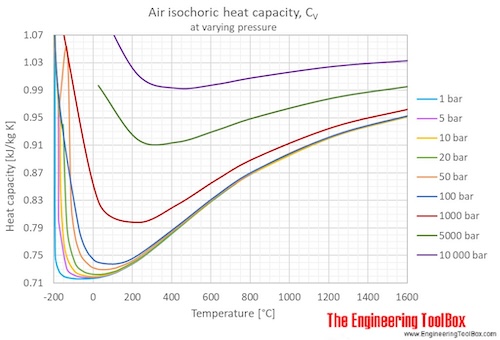
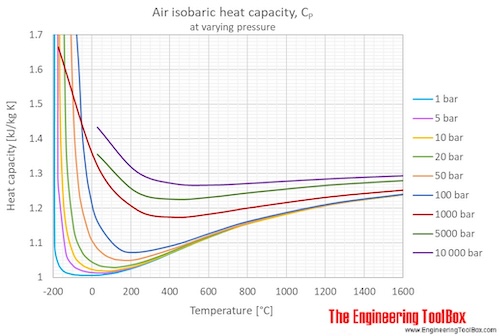
- Temperature: As temperature increases, the heat capacity of air generally increases slightly. The change is usually not significant enough to warrant adjusting calculations for typical residential HVAC systems, but can be important for industrial processes at very high temperatures.
- Pressure: Changes in pressure also affect heat capacity, but again, the effect is usually minimal in typical HVAC systems.
- Humidity: Moist air has a slightly higher heat capacity than dry air. This is because water vapor has a higher heat capacity than the other gases that make up air.
For more precise calculations, especially in commercial or industrial settings, it's best to consult thermodynamic tables or use specialized software that accounts for these variations.
4. How does the heat capacity of air impact my home's heating and cooling system?
The heat capacity of air directly impacts the performance and efficiency of your HVAC system. Here's how:
- Heating: If the air in your home has a lower heat capacity (think very dry air), your furnace won't need to work as hard to raise the temperature. It will heat up faster and potentially use less fuel. However, it might also cool down faster once the furnace stops running, leading to more frequent cycling.
- Cooling: Similarly, if the air has a lower heat capacity, your air conditioner will cool it down faster. This could mean shorter run times and lower energy consumption. Again, this may also mean that you experience temperature fluctuations more rapidly.
- System Sizing: HVAC professionals use the heat capacity of air, along with other factors like insulation and window efficiency, to calculate the correct size of furnace and air conditioner needed for your home. An incorrectly sized system can lead to inefficient operation and discomfort.
It's important to note that while heat capacity is a factor, it's just one piece of the puzzle. Other factors like insulation, air leaks, and the efficiency of your equipment play a much larger role in overall energy consumption.
5. Is there anything I can do to optimize my home's heating and cooling based on the heat capacity of air?
While you can't directly change the heat capacity of air, you can manage humidity levels to influence it to some extent, and you can definitely focus on factors that have a more significant impact on energy efficiency.
Here are some things you can do:
- Control Humidity:
- In winter: Adding humidity to your home can make the air feel warmer at a lower temperature setting. This is because humid air holds more heat. Using a humidifier can increase comfort and potentially lower heating costs (although running the humidifier itself uses energy).
- In summer: Dehumidifying your home can make the air feel cooler at a higher temperature setting. This is because removing moisture allows your body to cool down more effectively through sweating. Using a dehumidifier can improve comfort and potentially lower cooling costs (again, remember the energy consumption of the dehumidifier itself).
- Improve Insulation: Proper insulation is the most effective way to reduce heat loss in the winter and heat gain in the summer. This minimizes the amount of energy needed to maintain a comfortable temperature, regardless of the air's heat capacity.
- Seal Air Leaks: Sealing air leaks around windows, doors, and other openings prevents conditioned air from escaping and unconditioned air from entering. This reduces the load on your HVAC system and improves energy efficiency.
- Use a Programmable Thermostat: A programmable thermostat allows you to automatically adjust the temperature based on your schedule, saving energy when you're away or asleep.
- Maintain Your HVAC System: Regular maintenance, such as changing air filters and cleaning coils, ensures that your HVAC system operates efficiently.
- Consider a Smart Thermostat: Smart thermostats learn your habits and automatically adjust the temperature to optimize energy savings while maintaining comfort. Some also allow for remote control.
6. Where can I find more precise information about the heat capacity of air for specific conditions?
If you need more precise data on the heat capacity of air for a specific application, you can consult several resources:
- Thermodynamic Tables: These tables provide detailed thermodynamic properties of air, including heat capacity, at various temperatures and pressures. They are available in engineering textbooks and online databases.
- HVAC Design Software: Many HVAC design software packages include built-in databases of air properties and can calculate heat capacity based on specific conditions.
- ASHRAE (American Society of Heating, Refrigerating and Air-Conditioning Engineers): ASHRAE is a leading organization in the HVAC industry and publishes handbooks and standards that provide comprehensive information on air properties and HVAC design.
- Engineering Textbooks: Textbooks on thermodynamics and heat transfer cover the principles of heat capacity and provide detailed information on calculating it for various substances, including air.
- Online Calculators: Some websites offer online calculators that can estimate the heat capacity of air based on temperature, pressure, and humidity. However, be sure to verify the accuracy of these calculators before relying on their results.
For most homeowner applications, the approximation of 0.24 Btu/lb-°F is adequate. However, for critical engineering applications, consulting these more detailed resources is essential.
7. Can weather conditions impact the heat capacity in my home?
Absolutely. Weather conditions definitely play a role, primarily through their impact on temperature and humidity.
- Cold, Dry Winter Air: Winter air tends to be colder and drier, especially in colder climates. The lower humidity means a slightly lower heat capacity. This air will heat up relatively quickly, but also cool down faster if your heating system isn't continuously running.
- Hot, Humid Summer Air: Summer air, particularly in humid climates, contains more moisture. The higher humidity means a slightly higher heat capacity. This air takes more energy to cool down, but it also retains its coolness for a longer period.
- Sudden Temperature Swings: Rapid changes in temperature, like a cold front moving through, can affect the amount of energy needed to maintain a comfortable temperature in your home.
Understanding how weather conditions affect your home's thermal behavior can help you make informed decisions about thermostat settings and other energy-saving measures. For example, you might lower the thermostat slightly during a mild winter day to take advantage of the lower heat capacity of the air, or you might run your air conditioner a bit longer on a hot, humid day to ensure that the air retains its coolness.

+for+water..jpg)