Heat Pump Comparison Chart
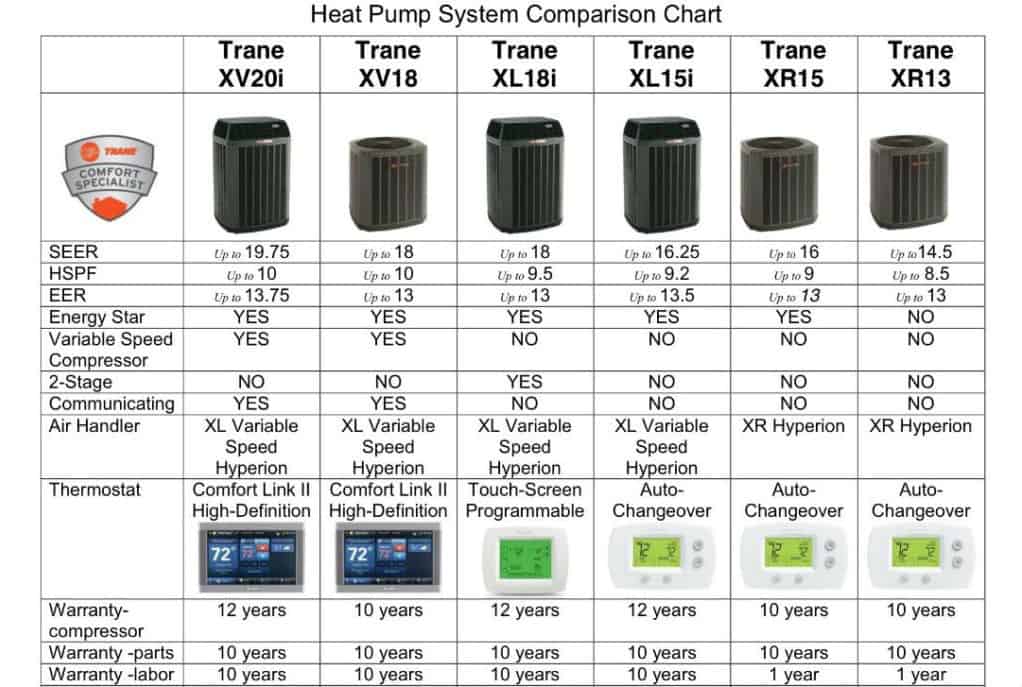
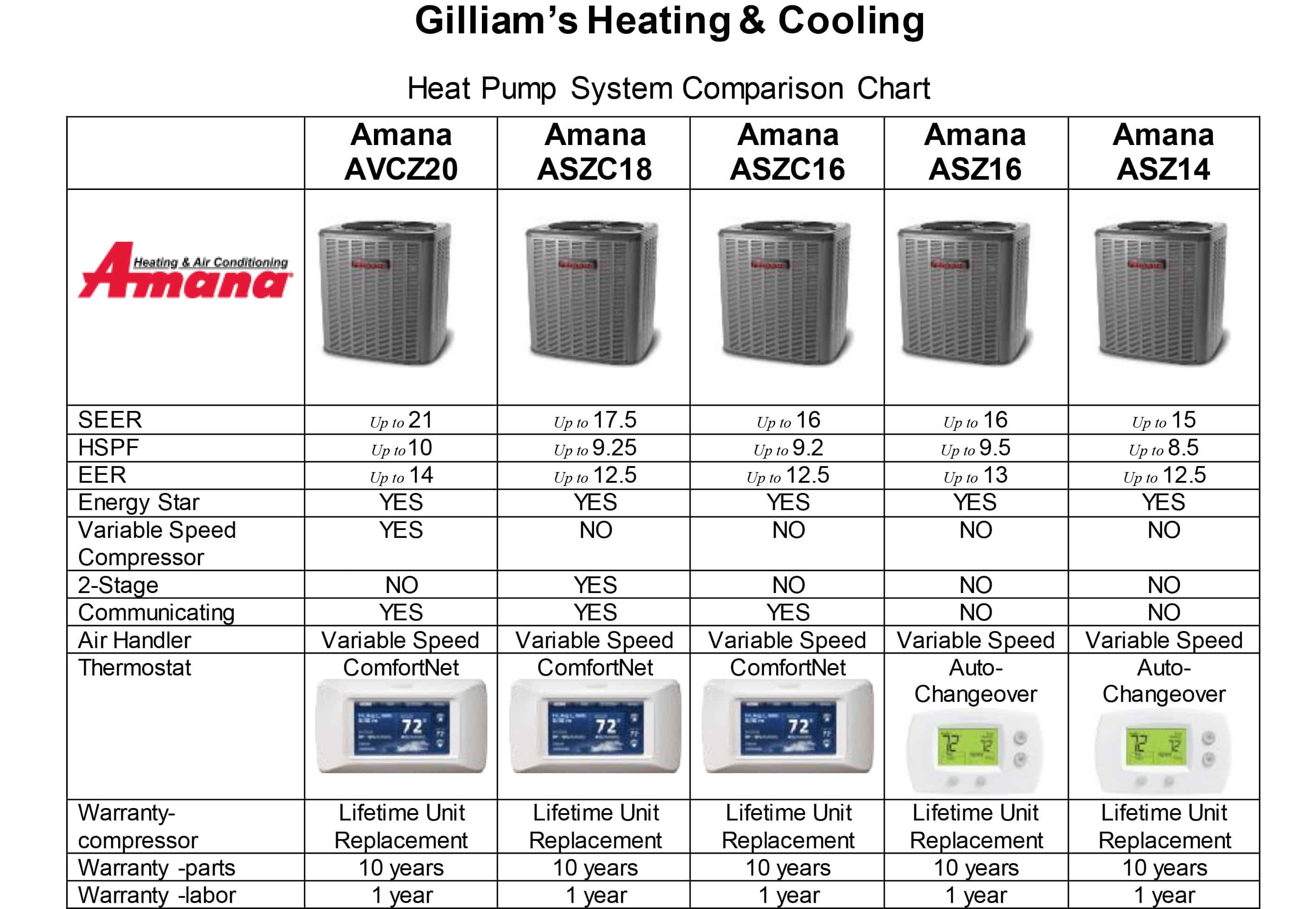
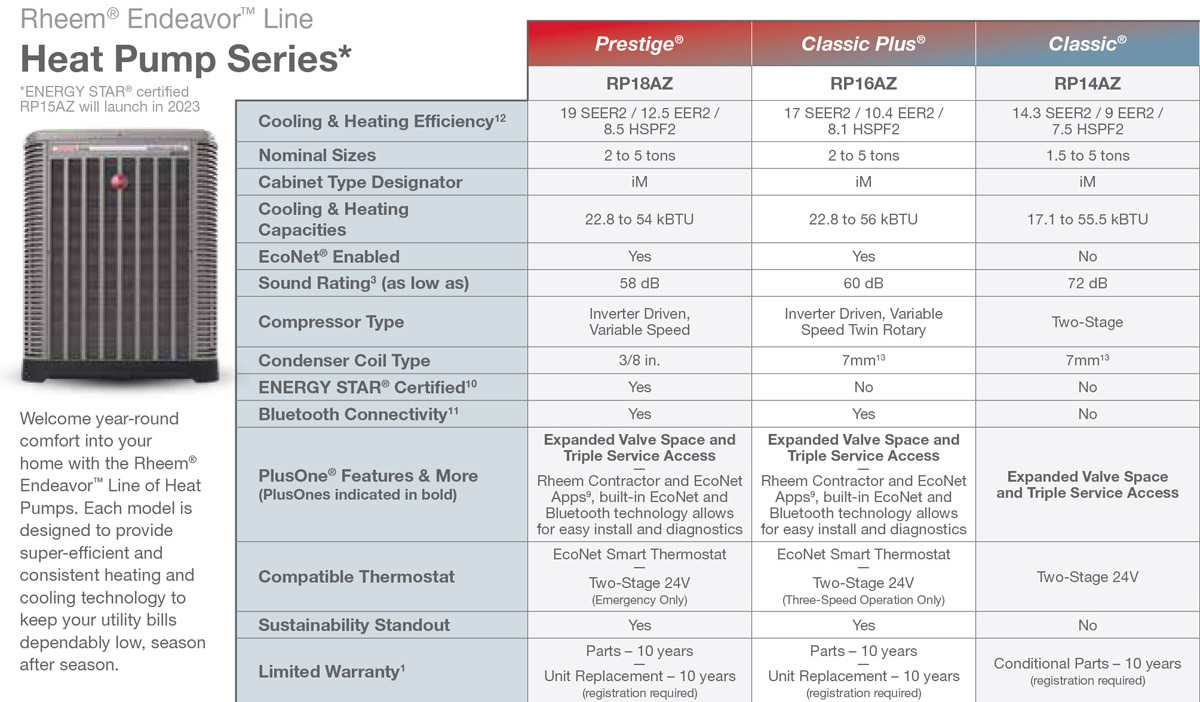
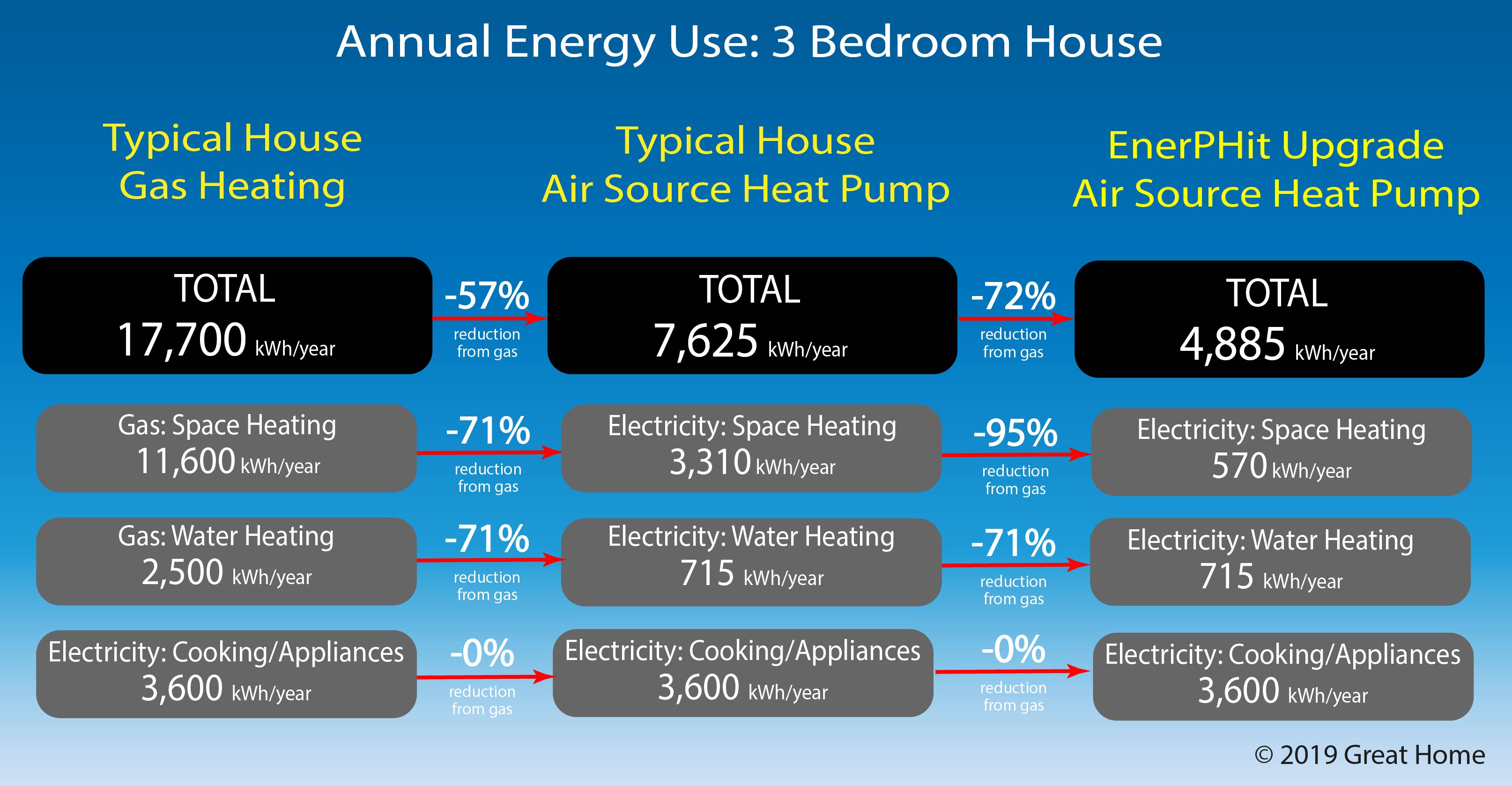
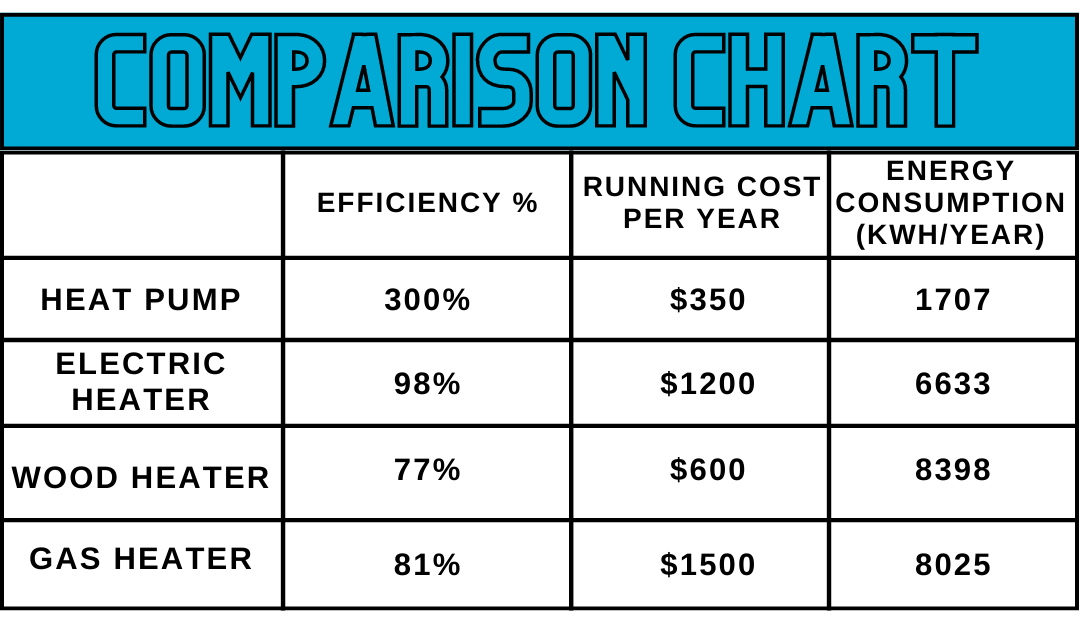
Is your home feeling more like an igloo in winter or a sauna in summer, despite your heat pump running non-stop? A malfunctioning heat pump can be incredibly frustrating, but before you call in the professionals, there are a few simple things you can check yourself. This guide will walk you through troubleshooting common heat pump issues, helping you identify the problem and potentially save on expensive repair bills. We'll even use a simple heat pump comparison chart to understand different modes and expected performance.
Understanding Your Heat Pump
Before we dive into troubleshooting, it's essential to understand the basics of how a heat pump works. Unlike furnaces that generate heat, heat pumps *transfer* heat. In the winter, they extract heat from the outside air (even cold air contains some heat) and transfer it inside. In the summer, they reverse the process, removing heat from your home and releasing it outside. This makes them an efficient way to both heat and cool your home.
Let's consider a simplified Heat Pump Mode Chart for reference:
| Mode | Function | Expected Result |
|---|---|---|
| Heating | Transfers heat from outside to inside. | Warm air blowing from vents; outdoor unit may ice up occasionally. |
| Cooling | Transfers heat from inside to outside. | Cool air blowing from vents; outdoor unit will expel warm air. |
| Defrost | Melts ice buildup on the outdoor unit. | Outdoor unit fan stops; unit may emit steam; auxiliary heat may activate. |
| Emergency Heat | Uses electric resistance heat for backup. | Very warm air blowing from vents; less efficient than heat pump. |
| Fan Only | Circulates air without heating or cooling. | Air blowing from vents at room temperature. |
This chart will be helpful as we troubleshoot various issues.
Common Heat Pump Problems and DIY Troubleshooting
Let's look at some common issues and how to diagnose them.
Problem 1: No Heat or Insufficient Heat
This is perhaps the most common complaint. Follow these steps:
- Check the Thermostat: (No Tools Required)
- Ensure the thermostat is set to "Heat" and the desired temperature is higher than the current room temperature.
- Verify the batteries are good. A low battery can cause erratic behavior.
- Make sure the thermostat is properly programmed. It might be set to a lower temperature during certain times of the day.
- Inspect the Air Filter: (No Tools Required)
- A dirty air filter is a very common culprit. A clogged filter restricts airflow, reducing the heat pump's efficiency and potentially causing it to overheat.
- Remove the filter and hold it up to the light. If you can't see through it, it's time to replace it.
- Replace the filter with a new one of the correct size.
- Examine the Outdoor Unit: (No Tools Required - but observe safety)
- Check for obstructions around the outdoor unit, such as snow, ice, leaves, or debris. Clear away any obstructions that could be blocking airflow.
- Look for excessive ice buildup. A thin layer of frost is normal, but thick ice can indicate a problem. We'll address defrosting issues separately.
- Ensure the outdoor unit's fan is spinning freely. If it's not, there might be an obstruction or a motor issue (call a professional).
- Check the Breaker Panel: (No Tools Required - but observe safety)
- Locate the circuit breaker for your heat pump.
- Ensure the breaker is switched "on." If it's tripped (in the middle position), reset it by switching it completely off and then back on.
- If the breaker trips repeatedly, it could indicate a more serious electrical problem (call a professional).
- Check for "Emergency Heat" Mode: (No Tools Required)
- Refer to the Heat Pump Mode Chart. If your system is running in "Emergency Heat" mode, it's relying on electric resistance heat, which is less efficient and more expensive.
- Emergency Heat is typically a backup mode. If it's running constantly, there's likely an underlying problem with the heat pump itself (call a professional).
Problem 2: No Cooling or Insufficient Cooling
Similar to heating issues, cooling problems can stem from several sources. Here's how to investigate:
- Thermostat Check: (No Tools Required)
- Verify the thermostat is set to "Cool" and the desired temperature is lower than the current room temperature.
- Check the thermostat settings and batteries as you would for a heating problem.
- Air Filter Check: (No Tools Required)
- A dirty air filter restricts airflow, hindering the cooling process just as it does with heating. Inspect and replace the air filter if needed.
- Outdoor Unit Inspection: (No Tools Required - but observe safety)
- Ensure the outdoor unit is free from obstructions, such as plants or debris.
- Confirm the outdoor unit's fan is operating correctly. If it's not spinning, the unit is likely overheating or has a motor problem (call a professional).
- Check the Breaker Panel: (No Tools Required - but observe safety)
- As with heating problems, check the circuit breaker for your heat pump and reset it if necessary.
- Check the Condensate Drain: (No Tools Required)
- During cooling, heat pumps remove moisture from the air. This condensate water drains away. A clogged condensate drain can cause the system to shut down or leak.
- Locate the condensate drain line (usually a PVC pipe near the indoor unit).
- Check for any visible clogs or obstructions. You may be able to clear a minor clog with a stiff wire or by using a wet/dry vacuum.
- If the drain is heavily clogged or inaccessible, it's best to call a professional.
Problem 3: Excessive Noise
Unusual noises from your heat pump can indicate a problem. Here's what to listen for:
- Identify the Source: (No Tools Required)
- Is the noise coming from the indoor unit or the outdoor unit?
- Try to describe the noise: is it a grinding, squealing, rattling, or buzzing sound?
- Check for Loose Parts: (No Tools Required)
- Inspect the outdoor unit for loose panels or debris that could be rattling. Tighten any loose screws or remove any debris.
- Listen Carefully: (No Tools Required)
- A grinding or squealing noise could indicate a failing motor bearing in the indoor or outdoor unit. This requires professional attention.
- A buzzing noise could indicate an electrical issue, such as a loose connection or a failing capacitor (call a professional).
- A rattling noise could be caused by loose ductwork or a refrigerant leak (call a professional if you suspect a leak).
Problem 4: Outdoor Unit Icing Up
Some ice buildup on the outdoor unit during winter is normal, especially during the defrost cycle. However, excessive icing can indicate a problem.
- Observe the Defrost Cycle: (No Tools Required)
- Refer to the Heat Pump Mode Chart. The heat pump should automatically enter a defrost cycle periodically to melt ice buildup. During this cycle, the outdoor unit's fan will stop, and you may see steam rising from the unit.
- If the defrost cycle doesn't seem to be working (ice continues to build up), there could be a problem with the defrost timer, the defrost sensor, or the reversing valve (call a professional).
- Check for Airflow Obstructions: (No Tools Required)
- Ensure the outdoor unit is free from snow, ice, and debris that could be blocking airflow. Restricted airflow can worsen icing.
- Air Filter Check: (No Tools Required)
- A dirty air filter can also contribute to icing problems. Inspect and replace the air filter if needed.
DIY Actions You Can Take (With Caution)
Based on your diagnosis, here are some simple and safe DIY actions you can take:
- Replace the Air Filter: This is the most common and easiest DIY fix.
- Clear Obstructions: Remove any debris, snow, or ice around the outdoor unit.
- Reset the Breaker: If the breaker has tripped, reset it. But if it trips repeatedly, call a professional.
- Adjust Thermostat Settings: Ensure the thermostat is properly set for heating or cooling.
- Clear a Minor Condensate Drain Clog: If you can access the drain line and see a minor clog, try to clear it with a wire or vacuum.
When to Call a Professional HVAC Technician
While DIY troubleshooting can often resolve minor issues, some problems require the expertise of a qualified HVAC technician. Never attempt repairs that involve working with refrigerant, electrical components, or complex mechanical parts.
Call a professional if:
- You suspect a refrigerant leak. Refrigerant is a hazardous substance and requires specialized equipment to handle.
- The breaker trips repeatedly after you reset it. This indicates an electrical problem.
- You hear unusual noises like grinding, squealing, or buzzing coming from the unit.
- The outdoor unit's fan is not working.
- The heat pump is not defrosting properly.
- You've checked all the simple solutions, and the problem persists.
- You are uncomfortable working with electrical components.
Safety is always the priority. If you're unsure about anything, it's best to err on the side of caution and call a professional.
Preventative Maintenance
The best way to avoid heat pump problems is to perform regular preventative maintenance. Consider these tips:
- Change the air filter regularly (every 1-3 months).
- Keep the outdoor unit clean and free from debris.
- Schedule annual maintenance with a qualified HVAC technician. They can inspect the system, clean the coils, check refrigerant levels, and identify potential problems before they become major issues.
By following these troubleshooting steps and preventative maintenance tips, you can keep your heat pump running efficiently and comfortably for years to come. Remember to always prioritize safety and call a professional when needed.