Heat Pump Efficiency In Cold Weather
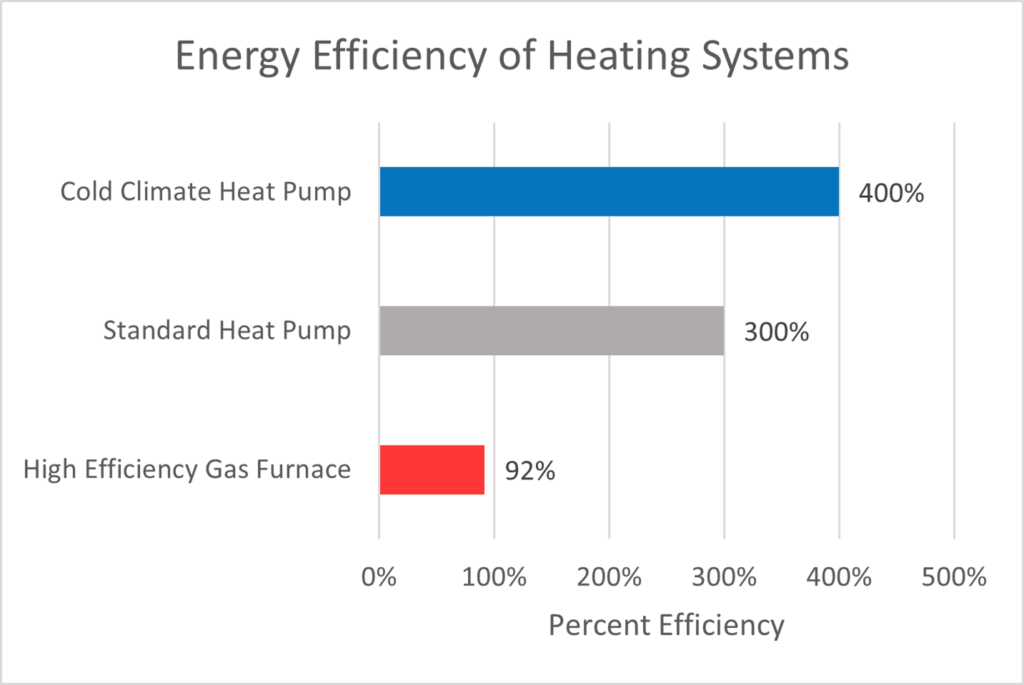
As winter's chill sets in, many homeowners rely on their heat pumps to keep their homes warm and comfortable. However, a common concern arises: heat pump efficiency in cold weather. It's a valid question, as heat pumps operate on a different principle than traditional furnaces, and their performance can be affected by plummeting temperatures. This article will delve into the intricacies of heat pump efficiency in cold weather, covering everything from the technology behind it to troubleshooting common issues and deciding when to call a professional.
Understanding Heat Pump Technology
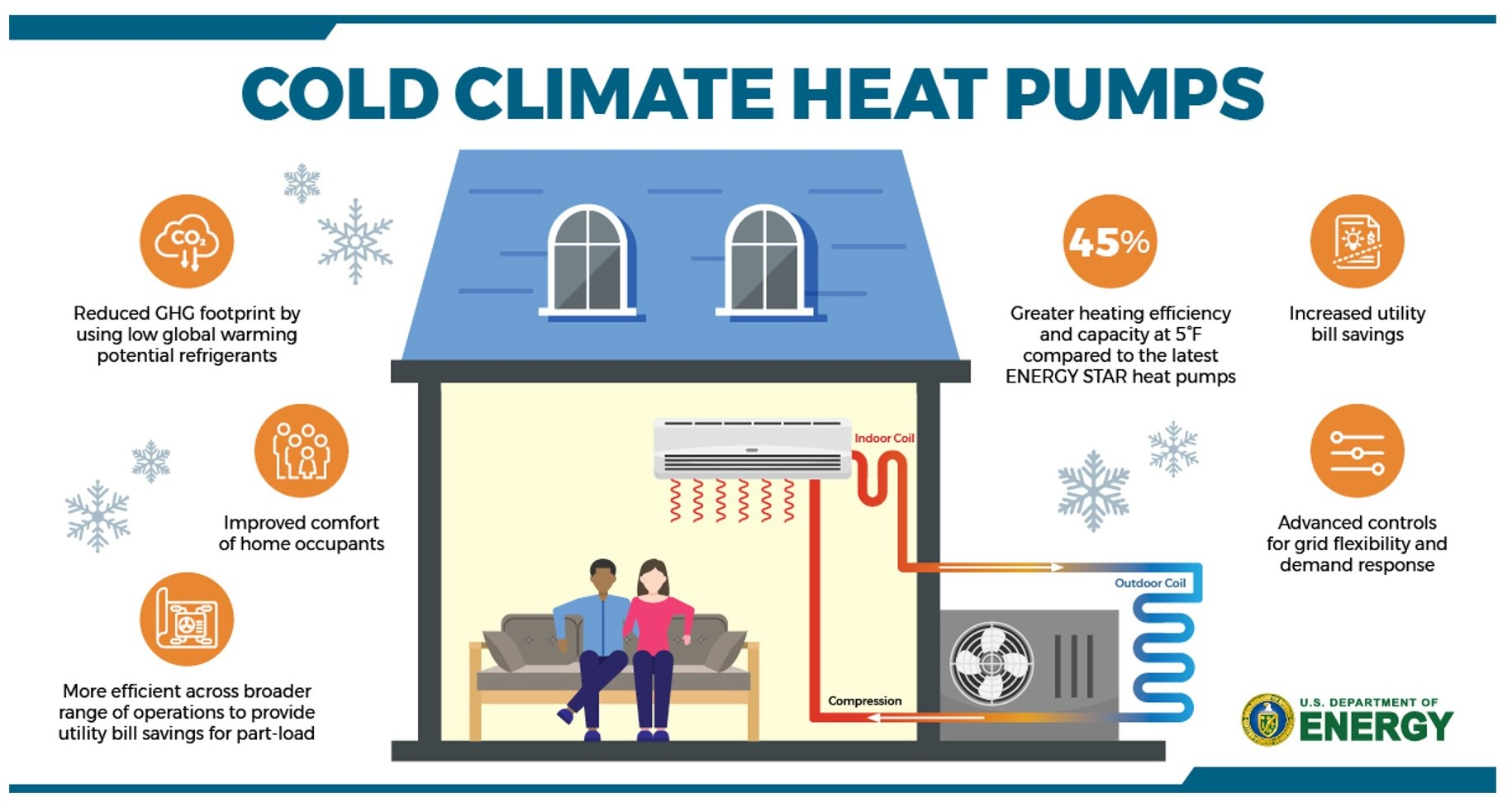
To understand how a heat pump performs in cold weather, it's essential to grasp the basics of how it operates. Unlike furnaces that generate heat by burning fuel, heat pumps transfer heat. In the winter, they extract heat from the outside air and transfer it inside your home. Yes, even when it feels freezing, there's still heat energy present in the air. During summer, the process is reversed, and the heat pump acts as an air conditioner, expelling heat from your home to the outside.
The key components of a heat pump system include:
- Outdoor Unit (Compressor/Condenser): Absorbs heat from the outside air in winter and releases heat in summer.
- Indoor Unit (Air Handler/Evaporator): Distributes heated or cooled air throughout your home.
- Refrigerant: A special fluid that absorbs and releases heat as it circulates between the indoor and outdoor units.
- Reversing Valve: This is what allows the heat pump to switch between heating and cooling modes.
- Expansion Valve: Regulates the flow of refrigerant and reduces its pressure.
The Cold Weather Challenge
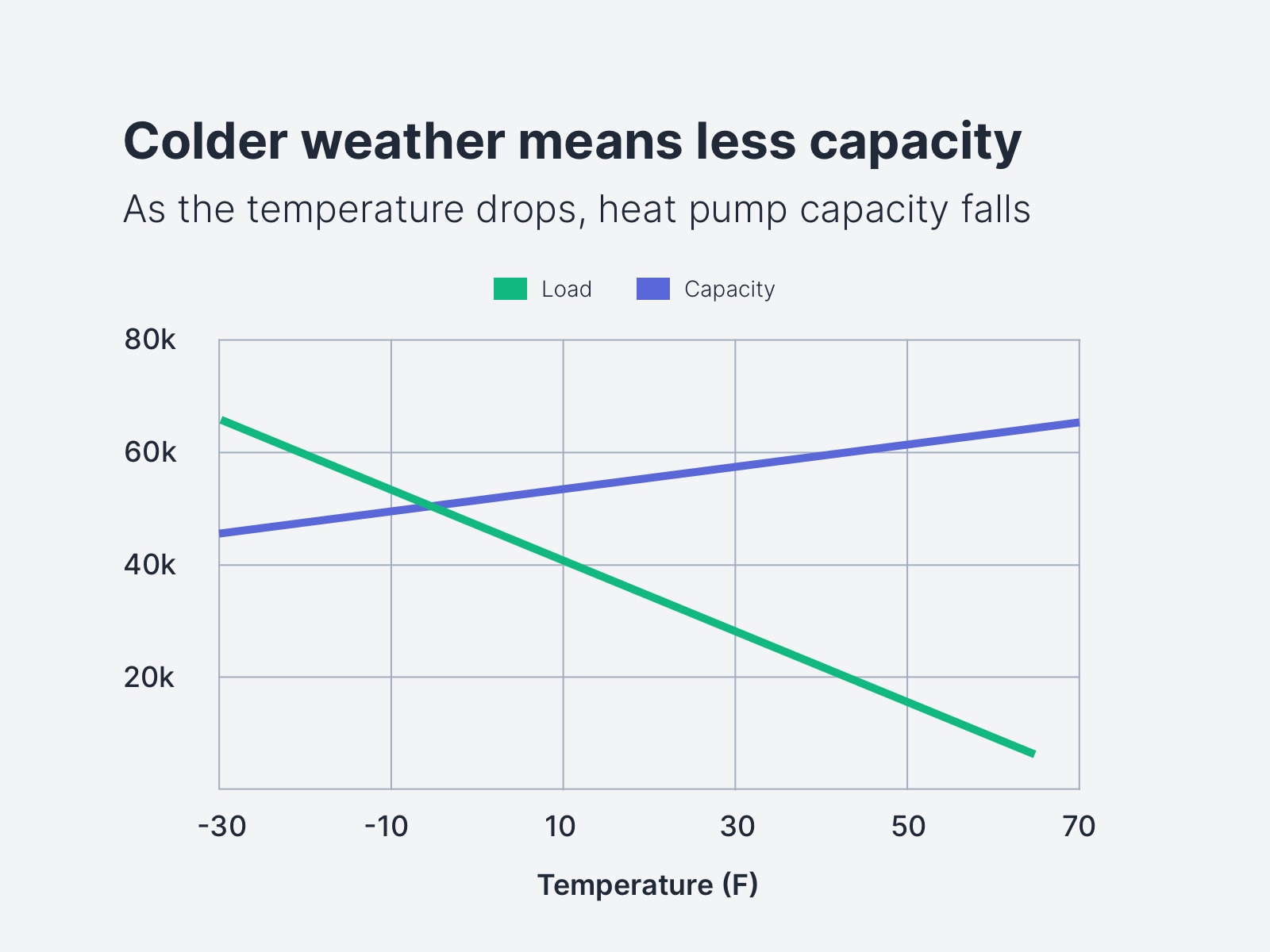
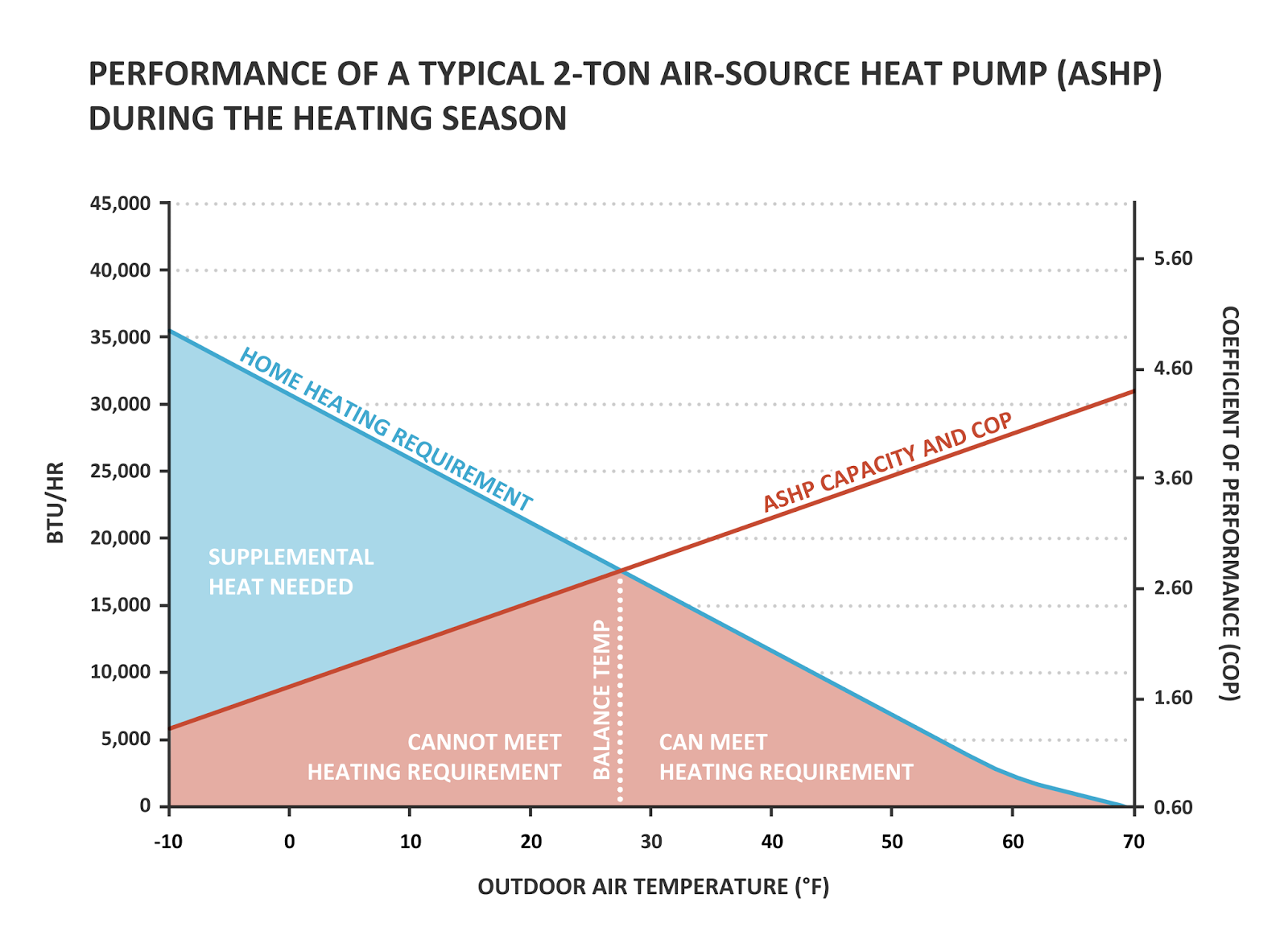
The primary challenge to heat pump efficiency in cold weather is the decreasing amount of heat available in the outside air as temperatures drop. The colder it gets, the harder the heat pump has to work to extract enough heat to warm your home. At a certain point, the heat pump may not be able to keep up with the heating demand.
This is why most heat pump systems include a backup heating system, typically electric resistance heat (also called auxiliary heat or emergency heat). When the heat pump can't provide enough heat on its own, the auxiliary heat kicks in to supplement the system.
Factors Affecting Cold Weather Performance
Several factors influence how well a heat pump performs in cold weather:
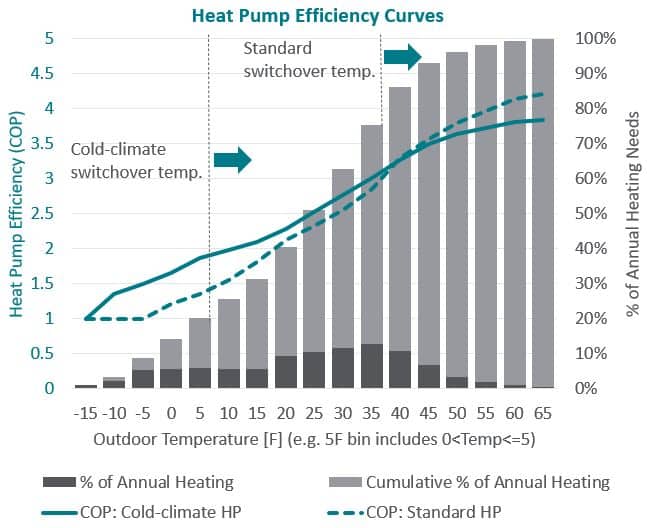
- Outside Temperature: Obviously, colder temperatures decrease efficiency. Most standard heat pumps start to struggle significantly below 30°F (-1°C).
- Heat Pump Model and SEER/HSPF Ratings: Newer, high-efficiency models are designed to operate more effectively in colder climates. Look for high SEER (Seasonal Energy Efficiency Ratio) ratings for cooling efficiency and HSPF (Heating Seasonal Performance Factor) ratings for heating efficiency.
- Proper Installation: A correctly sized and installed heat pump is crucial for optimal performance. Poor installation can lead to air leaks, improper refrigerant charge, and other issues that reduce efficiency.
- Insulation and Air Sealing: Adequate insulation and air sealing in your home minimize heat loss, reducing the workload on your heat pump.
- Maintenance: Regular maintenance, such as cleaning coils and replacing filters, ensures that your heat pump operates at peak efficiency.
Troubleshooting Common Issues
If you're experiencing issues with your heat pump's performance in cold weather, here are some common problems and potential solutions:
1. Ice Buildup on the Outdoor Unit
It's normal for some frost to accumulate on the outdoor unit during cold weather. Heat pumps have a defrost cycle that periodically melts the ice. However, excessive ice buildup can indicate a problem.
Possible Causes:
- Defrost Cycle Malfunction: The defrost cycle may not be working correctly due to a faulty sensor, timer, or reversing valve.
- Restricted Airflow: Blocked airflow due to debris, snow, or overgrown vegetation can prevent the heat pump from defrosting properly.
- Refrigerant Leak: A refrigerant leak can reduce the heat pump's ability to absorb heat and trigger frequent defrost cycles.
DIY Solutions:
- Clear Debris: Remove any snow, leaves, or other debris from around the outdoor unit. Ensure that there is adequate airflow.
- Check for Ice Obstructions: Carefully remove any large ice obstructions that may be blocking the unit. Do not use sharp objects that could damage the coils.
When to Call a Professional: If the ice buildup is excessive or the defrost cycle doesn't seem to be working, contact an HVAC technician. Refrigerant leaks and defrost cycle malfunctions require professional diagnosis and repair.
2. Heat Pump Running Constantly
It's normal for a heat pump to run more frequently in cold weather, but it shouldn't run constantly without ever satisfying the thermostat. This can indicate a problem with efficiency or heating capacity.
Possible Causes:
- Dirty Air Filter: A clogged air filter restricts airflow, reducing the heat pump's efficiency.
- Poor Insulation: Insufficient insulation allows heat to escape from your home, forcing the heat pump to work harder.
- Air Leaks: Drafts and air leaks allow cold air to enter your home, counteracting the heat pump's efforts.
- Undersized Heat Pump: The heat pump may be too small for your home's heating needs.
- Refrigerant Issues: Low refrigerant or other refrigerant-related issues can significantly impact heating capacity.
DIY Solutions:
- Replace Air Filter: Change your air filter regularly (typically every 1-3 months) to maintain optimal airflow.
- Seal Air Leaks: Caulk windows and doors, and seal any other obvious air leaks.
When to Call a Professional: If the problem persists after replacing the air filter and sealing air leaks, contact an HVAC technician. An undersized heat pump or refrigerant issues require professional evaluation and repair.
3. Auxiliary Heat Running Frequently
As mentioned earlier, auxiliary heat supplements the heat pump when it can't keep up with the heating demand. However, if your auxiliary heat is running constantly, it can significantly increase your energy bills.
Possible Causes:
- Low Outdoor Temperature: Extremely cold temperatures may necessitate frequent auxiliary heat usage.
- Thermostat Setting: Setting the thermostat too high can trigger the auxiliary heat to kick in more often.
- Heat Pump Malfunction: A malfunctioning heat pump may not be producing enough heat, forcing the auxiliary heat to compensate.
- Emergency Heat Mode: The thermostat may be accidentally set to emergency heat mode, which disables the heat pump and relies solely on auxiliary heat.
DIY Solutions:
- Lower Thermostat Setting: Try lowering the thermostat setting by a few degrees to see if it reduces auxiliary heat usage.
- Check Thermostat Mode: Ensure that the thermostat is set to "heat" and not "emergency heat."
When to Call a Professional: If the auxiliary heat is running excessively even at moderate thermostat settings, or if you suspect a heat pump malfunction, contact an HVAC technician.
4. Reduced Airflow from Vents
Weak airflow from your vents can indicate a problem with the blower motor, ductwork, or other components of the air handler.
Possible Causes:
- Dirty Air Filter: Again, a clogged air filter can restrict airflow throughout the system.
- Blocked Vents: Obstructions in the vents or ductwork can reduce airflow.
- Blower Motor Issues: A faulty blower motor may not be providing sufficient airflow.
- Ductwork Leaks: Leaks in the ductwork can cause air to escape before it reaches the vents.
DIY Solutions:
- Replace Air Filter: As always, start by replacing the air filter.
- Check Vents: Ensure that all vents are open and free from obstructions.
When to Call a Professional: If the airflow remains weak after replacing the air filter and checking the vents, contact an HVAC technician. Blower motor repairs and ductwork repairs require specialized tools and expertise.
Maintenance Tips for Cold Weather Efficiency
Regular maintenance is crucial for maintaining heat pump efficiency in cold weather. Here are some essential tips:
- Replace Air Filter Regularly: Change your air filter every 1-3 months, or more often if you have pets or allergies.
- Clean Outdoor Unit: Remove any debris, leaves, or snow from around the outdoor unit. Periodically hose down the unit to clean the coils. Be gentle!
- Schedule Professional Maintenance: Have your heat pump professionally inspected and serviced at least once a year. A technician can check the refrigerant level, clean the coils, and identify any potential problems.
- Check Ductwork: Inspect your ductwork for leaks and seal any that you find.
- Monitor Energy Bills: Keep an eye on your energy bills. A sudden increase in energy consumption can indicate a problem with your heat pump's efficiency.
Estimating Repair Costs
The cost of repairing a heat pump can vary depending on the nature of the problem. Here are some general cost estimates:
- Air Filter Replacement: $10 - $30 (DIY)
- Refrigerant Recharge: $200 - $500
- Defrost Sensor Replacement: $150 - $300
- Reversing Valve Replacement: $300 - $600
- Blower Motor Replacement: $300 - $800
- Compressor Replacement: $1,500 - $3,000+
These are just estimates, and the actual cost may vary depending on your location, the complexity of the repair, and the HVAC contractor you choose. It's always a good idea to get multiple quotes before hiring a professional.
When to Call a Professional HVAC Technician
While some heat pump issues can be resolved with DIY solutions, others require the expertise of a qualified HVAC technician. Here are some situations where it's best to call a professional:
- Refrigerant Leaks: Refrigerant is a hazardous substance, and only a licensed technician should handle it.
- Electrical Problems: Working with electrical components can be dangerous. Always call a professional for electrical repairs.
- Compressor Issues: Compressor repairs are complex and require specialized tools and knowledge.
- If You're Unsure: If you're not comfortable working on your heat pump or if you're unsure about the cause of the problem, it's always best to err on the side of caution and call a professional.
Conclusion
Understanding heat pump efficiency in cold weather is crucial for homeowners who rely on these systems for heating. By understanding the technology, recognizing common issues, and performing regular maintenance, you can help ensure that your heat pump operates efficiently and effectively, even during the coldest months. Remember to prioritize safety and call a qualified HVAC technician for any repairs that are beyond your DIY capabilities. By taking these steps, you can stay warm and comfortable all winter long while keeping your energy bills under control.