Heat Pump For Hot Water System
Water heating is often a silent energy hog in our homes and businesses, accounting for a significant portion of utility bills. While traditional water heaters have served us for decades, heat pump water heaters (HPWHs) offer a revolutionary approach to heating water, promising substantial energy savings and a reduced environmental footprint. This article delves into the world of heat pump water heaters, exploring their technology, benefits, costs, and how they integrate into the smart home ecosystem.
What is a Heat Pump Water Heater?
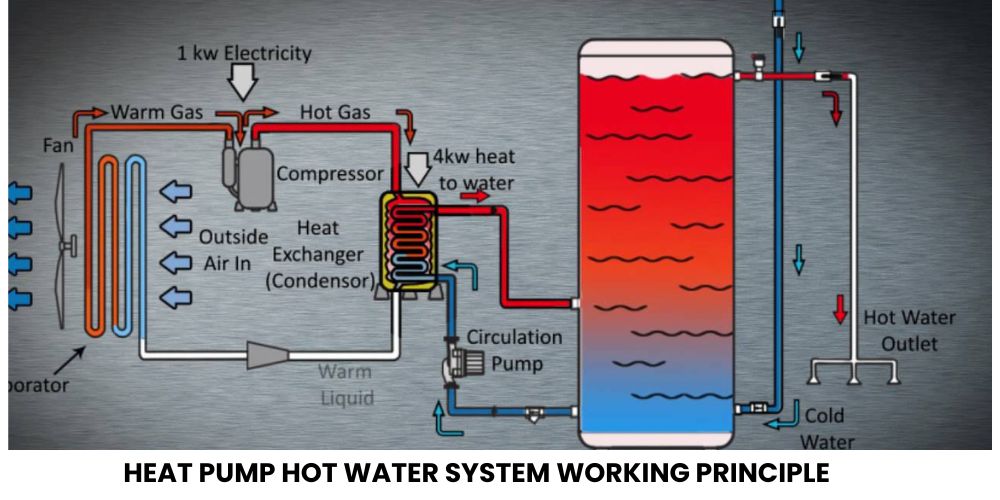
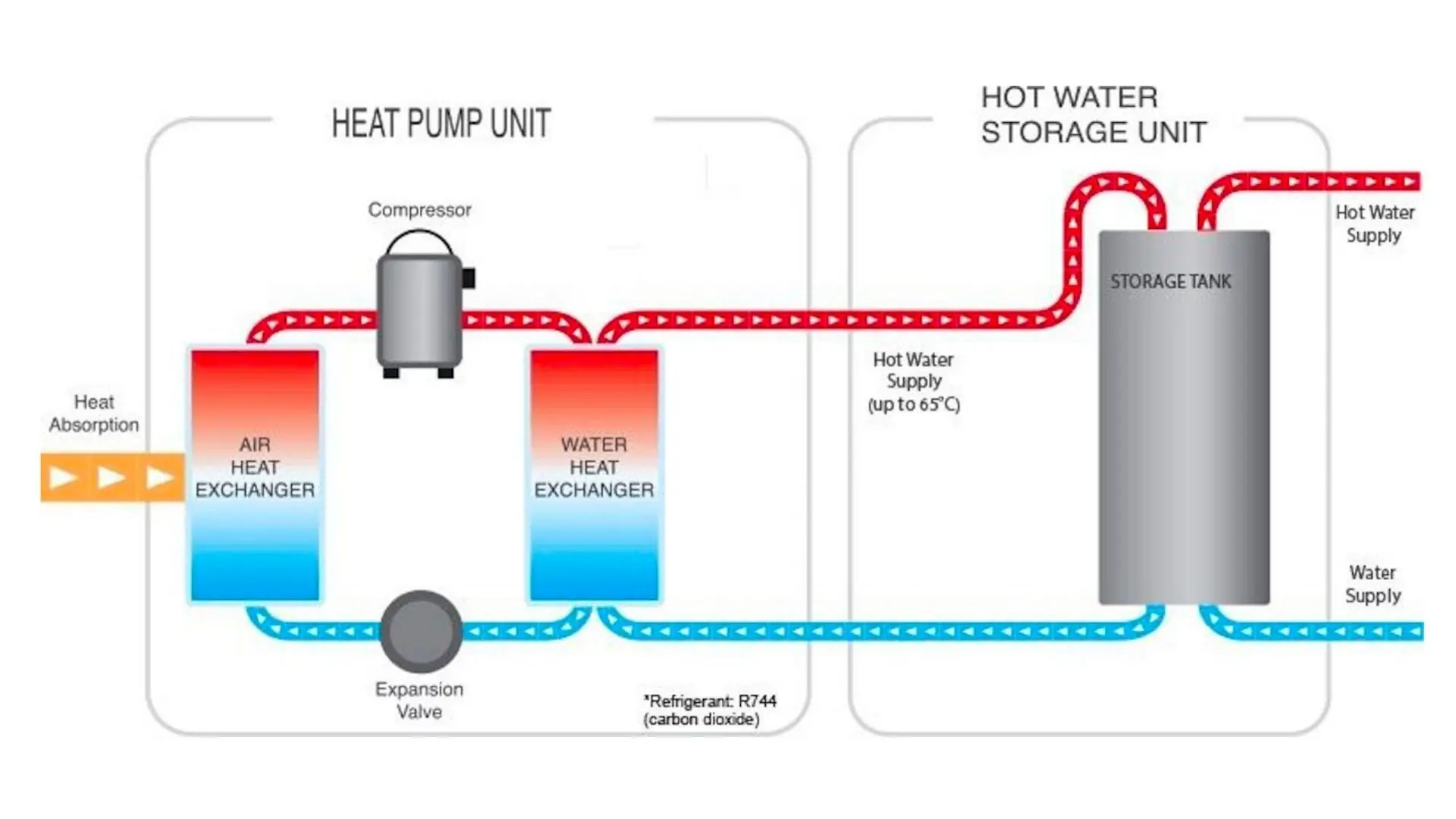
Unlike conventional electric resistance water heaters that directly heat water using electricity, HPWHs leverage the principles of heat transfer, similar to refrigerators working in reverse. They extract heat from the surrounding air and transfer it to the water tank. This process requires significantly less energy than directly heating the water, leading to substantial energy savings.
How They Work: The Science Behind the Savings
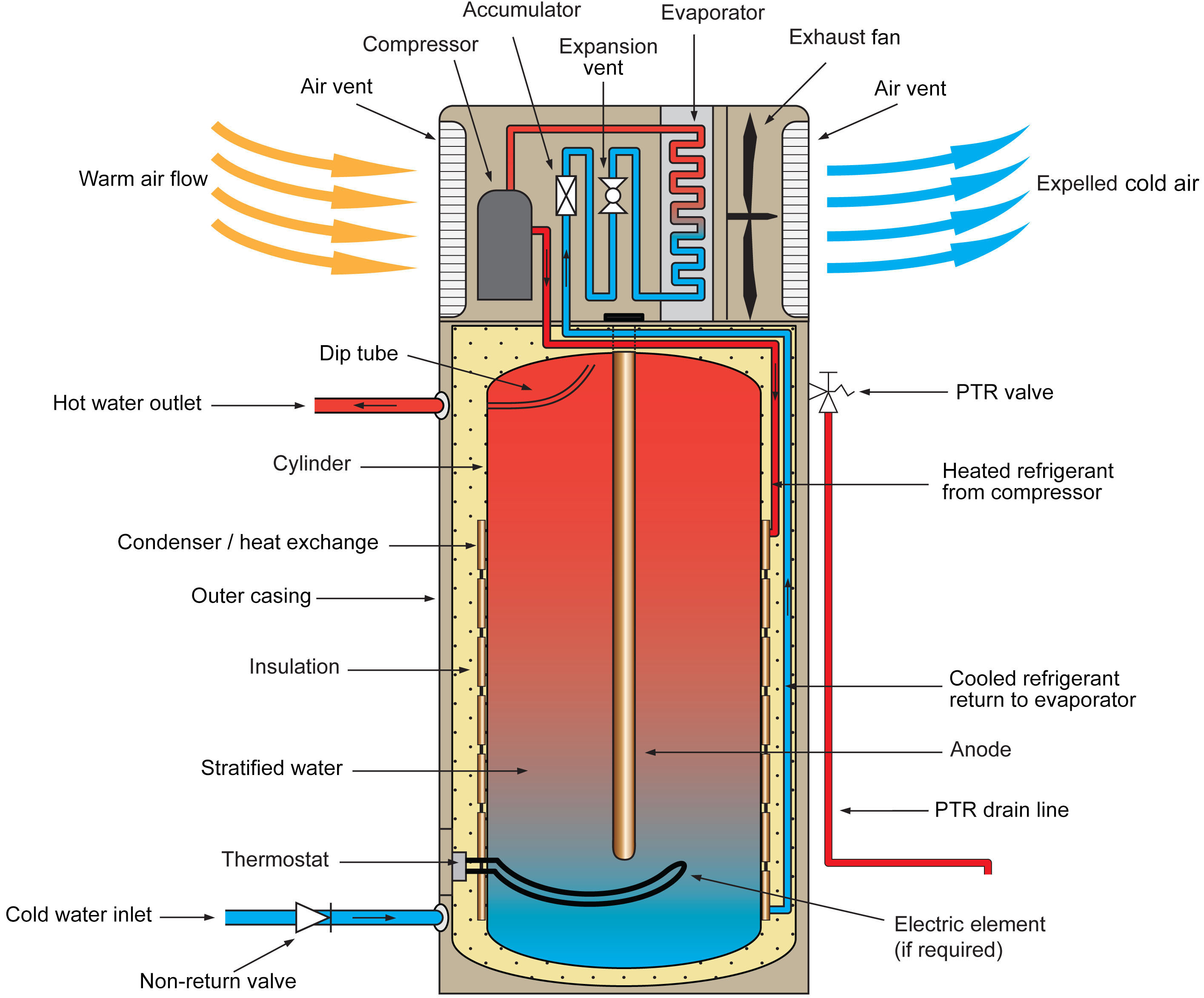
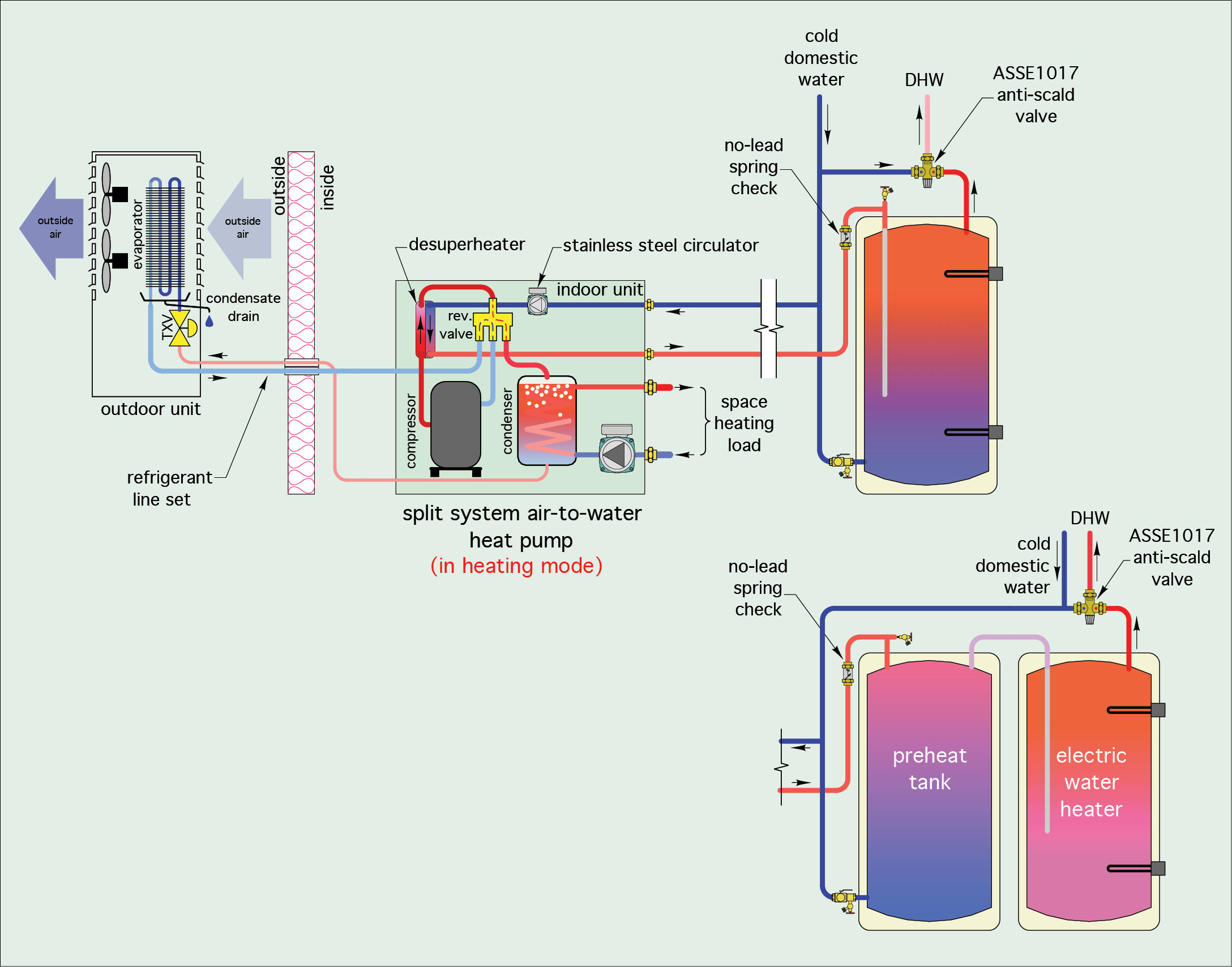
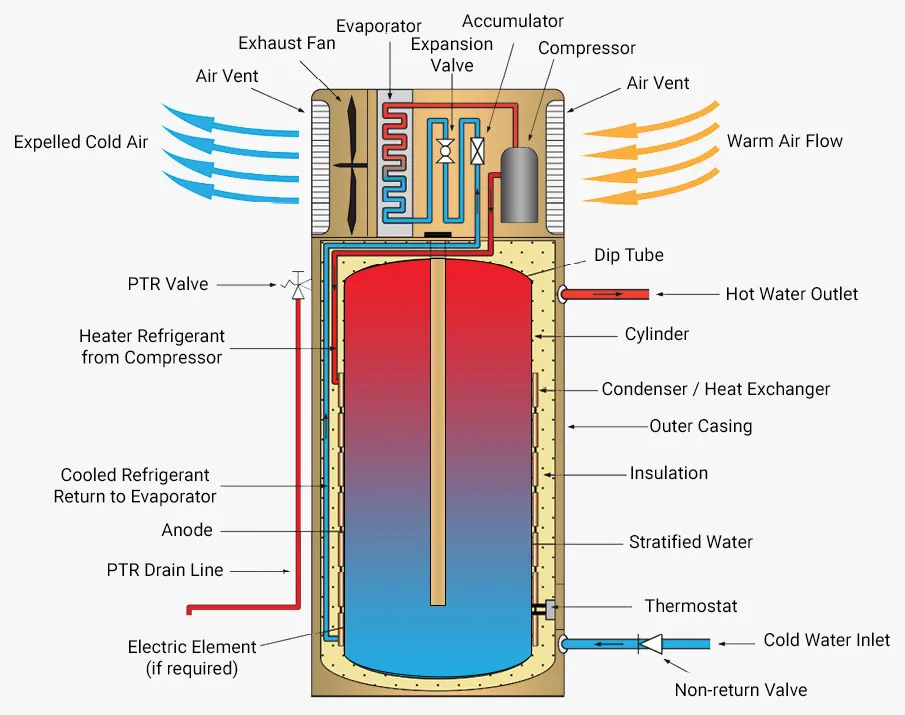
The core components of an HPWH include:
- Evaporator: Absorbs heat from the surrounding air using a refrigerant.
- Compressor: Compresses the refrigerant, increasing its temperature.
- Condenser: Transfers the heat from the hot refrigerant to the water in the tank.
- Expansion Valve: Reduces the pressure of the refrigerant, allowing it to absorb more heat in the evaporator.
This cycle repeats continuously, efficiently heating the water. Many HPWHs also include an electric resistance element as a backup for periods of high demand or when the ambient air temperature is too low for efficient heat pump operation.
Consider this: a standard electric resistance water heater operates at close to 1:1 efficiency, meaning for every unit of electricity consumed, you get roughly one unit of heat. A quality HPWH can achieve an Energy Factor (EF) of 3.0 or higher, meaning you get three or more units of heat for every unit of electricity used. This is where the massive savings come from.
Benefits of Switching to a Heat Pump Water Heater
The advantages of installing a heat pump water heater extend beyond just saving money:
- Significant Energy Savings: HPWHs can reduce water heating costs by 50-70% compared to traditional electric resistance heaters. This can translate to hundreds of dollars in savings per year.
- Reduced Carbon Footprint: By using less electricity, HPWHs contribute to a lower carbon footprint and promote environmental sustainability.
- Longer Lifespan: With proper maintenance, HPWHs often last longer than conventional water heaters.
- Quieter Operation: Many HPWH models operate at a significantly lower noise level than traditional units.
- Dehumidification: HPWHs extract heat from the air, which also results in dehumidification of the surrounding space, potentially beneficial in damp basements or garages.
Cost and ROI: Is a Heat Pump Water Heater Worth It?
The upfront cost of an HPWH is generally higher than a traditional electric resistance water heater. However, the long-term savings and available rebates can make it a worthwhile investment. Let's break down the costs and potential return on investment:
- Purchase Price: HPWHs typically range from $1,200 to $3,000, depending on the size, features, and brand.
- Installation Costs: Installation can range from $300 to $1,000, depending on the complexity of the installation and local labor rates. It's recommended to hire a qualified HVAC contractor for proper installation.
- Rebates and Incentives: Many utility companies and government agencies offer rebates and incentives for purchasing and installing energy-efficient appliances like HPWHs. Check with your local utility and state energy office for available programs. The Inflation Reduction Act offers significant tax credits for energy-efficient home improvements, including heat pump water heaters.
Calculating Your ROI
To determine the ROI, consider the following factors:
- Annual Energy Savings: Estimate your annual water heating costs with your current system and compare it to the estimated cost with an HPWH. Use online calculators and energy consumption data to get an accurate estimate.
- Rebates and Incentives: Subtract any rebates or incentives from the initial cost of the HPWH and installation.
- Payback Period: Divide the net cost of the HPWH by the annual energy savings to determine the payback period. Many homeowners find that their HPWH pays for itself within 3-7 years.
Example: Let's say an HPWH costs $2,000 installed. You receive a $500 rebate, reducing the net cost to $1,500. Your annual energy savings are estimated at $400. The payback period would be $1,500 / $400 = 3.75 years.
Choosing the Right Heat Pump Water Heater
Selecting the right HPWH involves considering several factors:
- Tank Size: Choose a tank size that meets your household's hot water demand. Consider the number of occupants and their water usage habits.
- Energy Factor (EF): Look for an HPWH with a high EF rating. The higher the EF, the more efficient the unit. Energy Star certified models are a good place to start your search.
- Climate: Some HPWH models are better suited for colder climates. Consider the minimum operating temperature of the unit and choose one that can efficiently operate in your climate. Cold climate HPWHs are specially designed to function even when ambient temperatures drop significantly.
- Noise Level: If noise is a concern, look for HPWH models with a low decibel rating.
- Smart Features: Some HPWHs come with smart features like Wi-Fi connectivity, remote control, and energy monitoring. These features can help you optimize energy usage and manage your hot water system more effectively.
Installation Considerations
Proper installation is crucial for the optimal performance and longevity of your HPWH. Here are some key considerations:
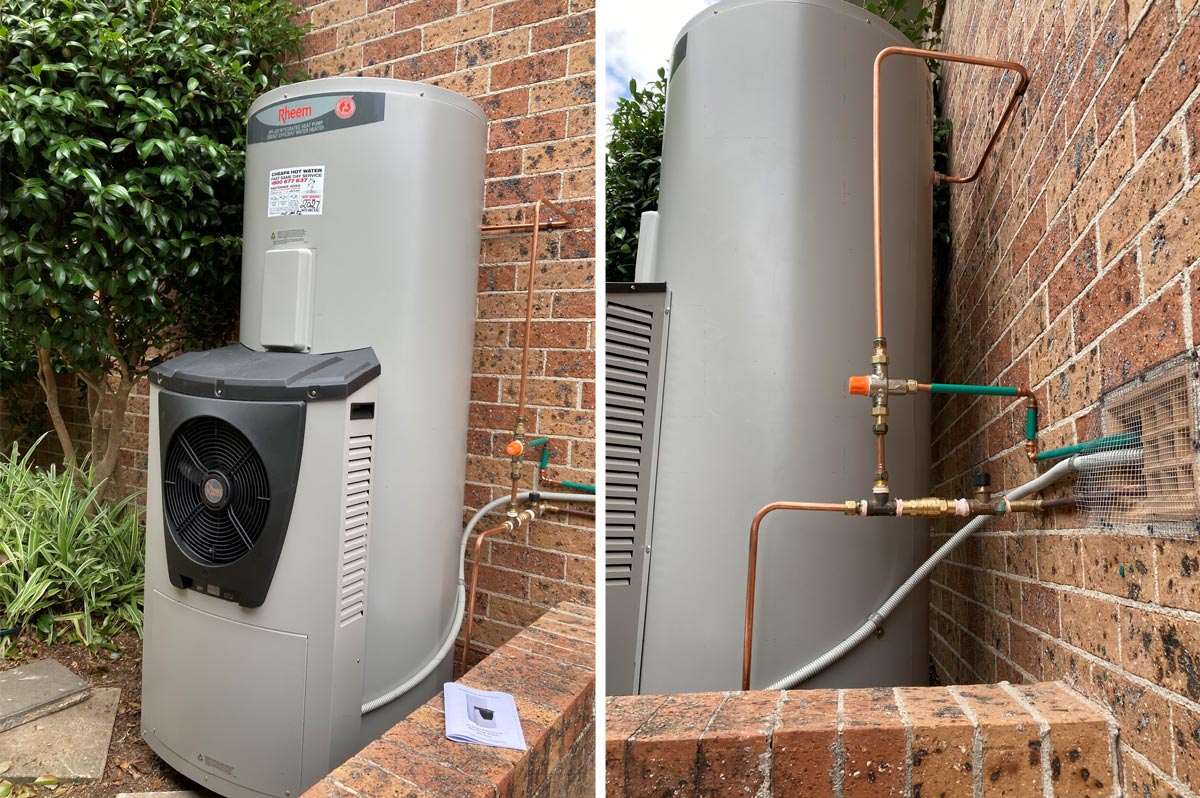
- Location: HPWHs require adequate airflow to operate efficiently. Install the unit in a well-ventilated area, such as a basement or garage. Avoid installing it in confined spaces.
- Electrical Requirements: HPWHs require a dedicated electrical circuit. Ensure your electrical system can handle the load.
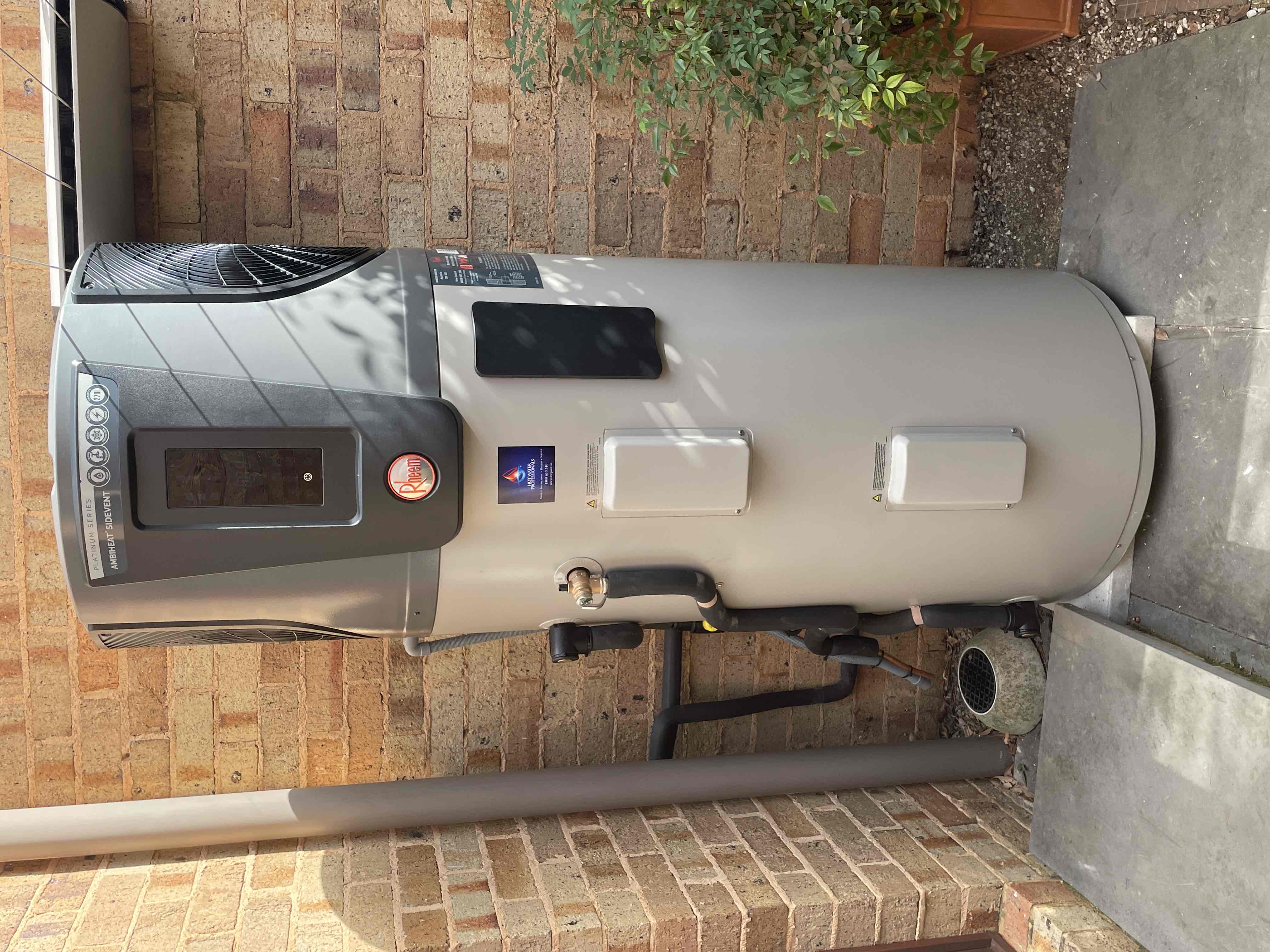
- Drainage: HPWHs produce condensate, so a drain line is necessary to remove the moisture.
- Professional Installation: Hiring a qualified HVAC contractor is highly recommended to ensure proper installation and compliance with local codes.
Integrating with Smart Home Technology
Integrating your HPWH with smart home technology can further enhance energy savings and convenience. Many HPWH models come with built-in Wi-Fi connectivity, allowing you to control and monitor your water heater remotely using a smartphone app or voice assistant.
Smart Thermostats and Sensors
Connecting your HPWH to a smart thermostat allows you to optimize water heating schedules based on occupancy and energy rates. For example, you can set the HPWH to operate during off-peak hours when electricity rates are lower. Leak sensors can also be integrated to alert you to potential water leaks, preventing costly damage.
Benefits of Smart Integration:
- Remote Control: Adjust water temperature and heating schedules from anywhere using your smartphone.
- Energy Monitoring: Track energy consumption and identify opportunities to optimize usage.
- Leak Detection: Receive alerts in case of water leaks, preventing damage and saving money.
- Integration with Other Smart Home Devices: Integrate your HPWH with other smart home devices, such as smart thermostats and lighting systems, to create a comprehensive energy management system.
Maintenance Tips for Long-Term Performance
Regular maintenance is essential to ensure the long-term performance and efficiency of your HPWH. Here are some key maintenance tips:
- Clean the Air Filter: Regularly clean or replace the air filter to ensure proper airflow to the evaporator coil. A clogged filter can reduce efficiency and damage the unit.
- Flush the Tank: Flush the tank annually to remove sediment buildup, which can reduce efficiency and shorten the lifespan of the unit.
- Inspect the Anode Rod: The anode rod protects the tank from corrosion. Inspect the anode rod every few years and replace it if it is corroded.
- Check for Leaks: Regularly inspect the unit for leaks and address any issues promptly.
- Schedule Professional Maintenance: Consider scheduling professional maintenance every few years to ensure optimal performance and identify any potential problems.
Conclusion: A Sustainable and Cost-Effective Solution
Heat pump water heaters offer a compelling combination of energy savings, environmental benefits, and smart home integration. While the upfront cost may be higher than traditional water heaters, the long-term savings and available rebates can make it a worthwhile investment for homeowners and businesses alike. By understanding the technology, benefits, and installation considerations, you can make an informed decision about whether an HPWH is right for you and take a significant step towards a more sustainable and energy-efficient future. Remember to check for Energy Star certification and local rebates to maximize your savings. Installing a heat pump water heater is not just an upgrade to your home; it's an investment in a greener future and a significant reduction in your energy bills.