Heat Pump Systems For Cold Climates
Heat Pump Systems For Cold Climates: A Comprehensive Guide for HVAC Professionals
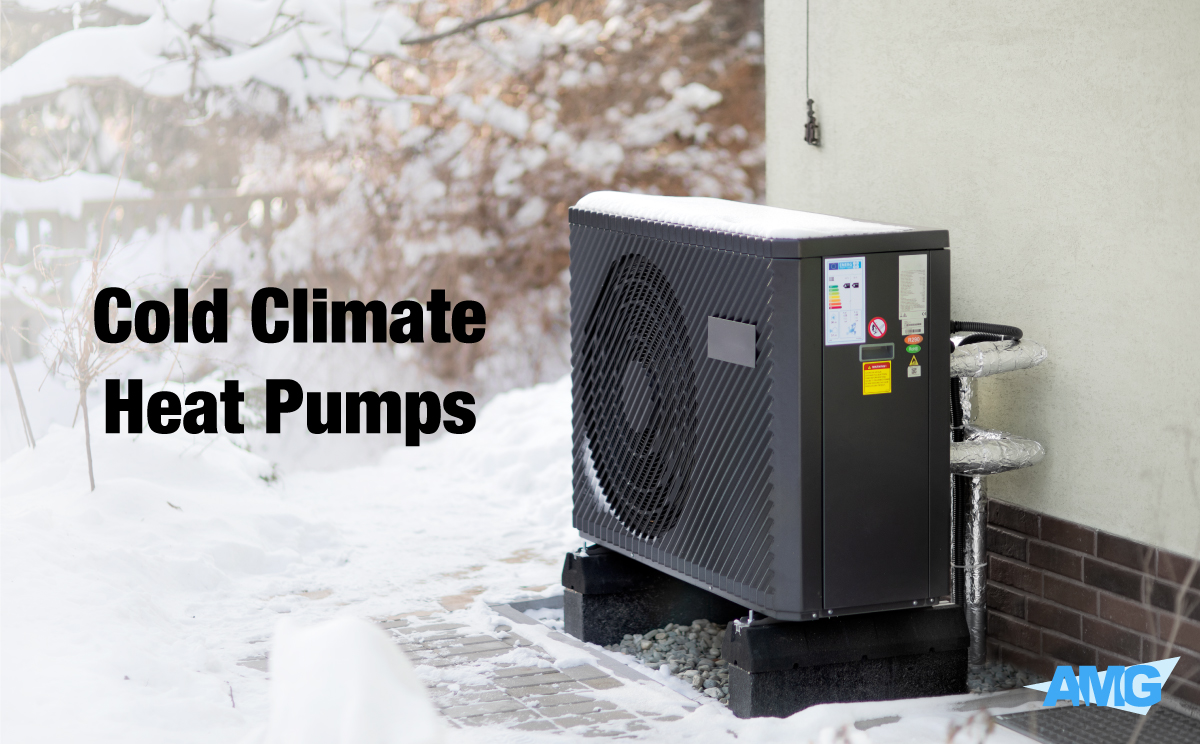
Heat pumps have traditionally been associated with milder climates, offering efficient heating and cooling solutions where temperature extremes are less frequent. However, advancements in technology have dramatically improved the performance of heat pumps in colder regions. This article provides a deep dive into the world of cold-climate heat pumps (CCHPs), exploring their functionality, benefits, installation considerations, and career opportunities for HVAC professionals.
The Evolution of Cold-Climate Heat Pumps
Early heat pump models struggled to maintain heating capacity and efficiency as temperatures dropped. The primary challenge was the reduced refrigerant pressure and flow, which diminished heat transfer capabilities. However, modern CCHPs address these limitations through several innovative features:
- Improved Compressors: Scroll compressors and variable-speed compressors offer greater efficiency and capacity control, enabling them to operate effectively in colder conditions.
- Enhanced Refrigerants: The use of refrigerants like R-32 and R-410A, with improved thermodynamic properties, boosts performance in low ambient temperatures.
- Advanced Defrost Cycles: Sophisticated defrost cycles minimize energy waste during frost removal, improving overall efficiency.
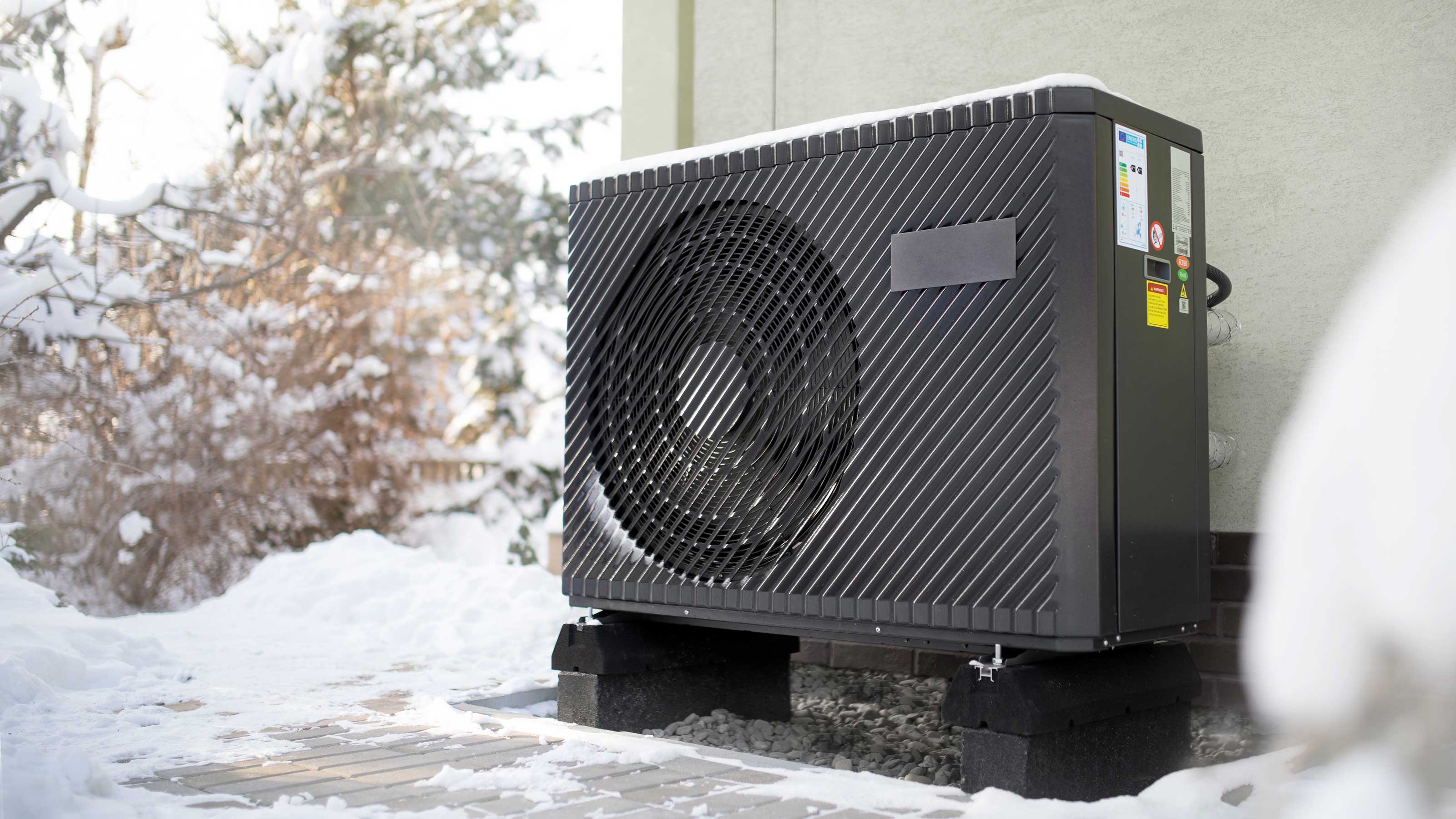
- Basepan Heaters: Preventing ice buildup in the outdoor unit ensures proper operation and prevents damage.
How Cold-Climate Heat Pumps Work
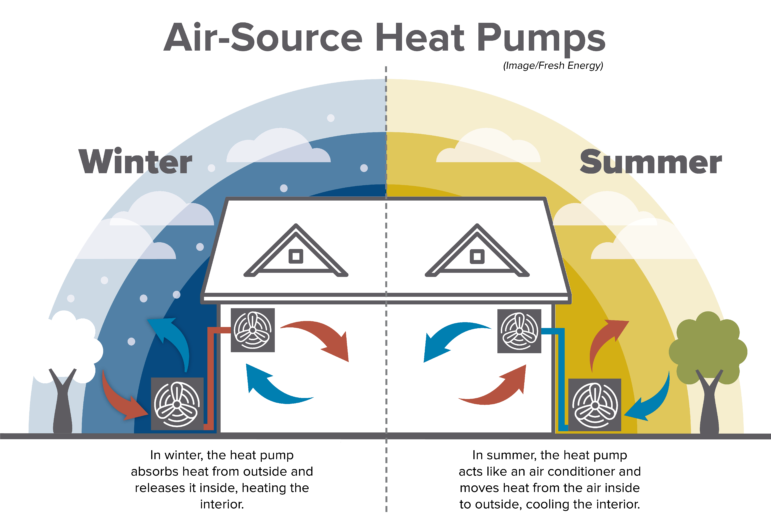
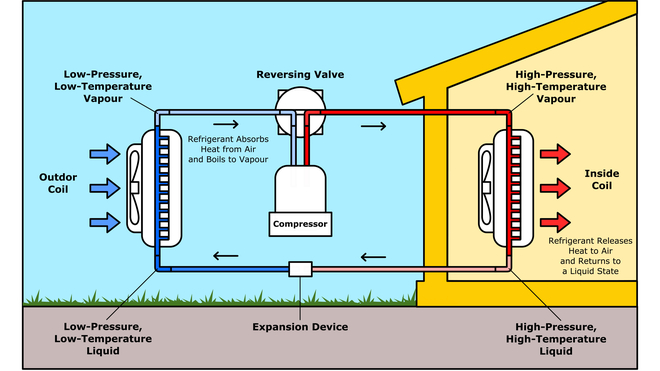
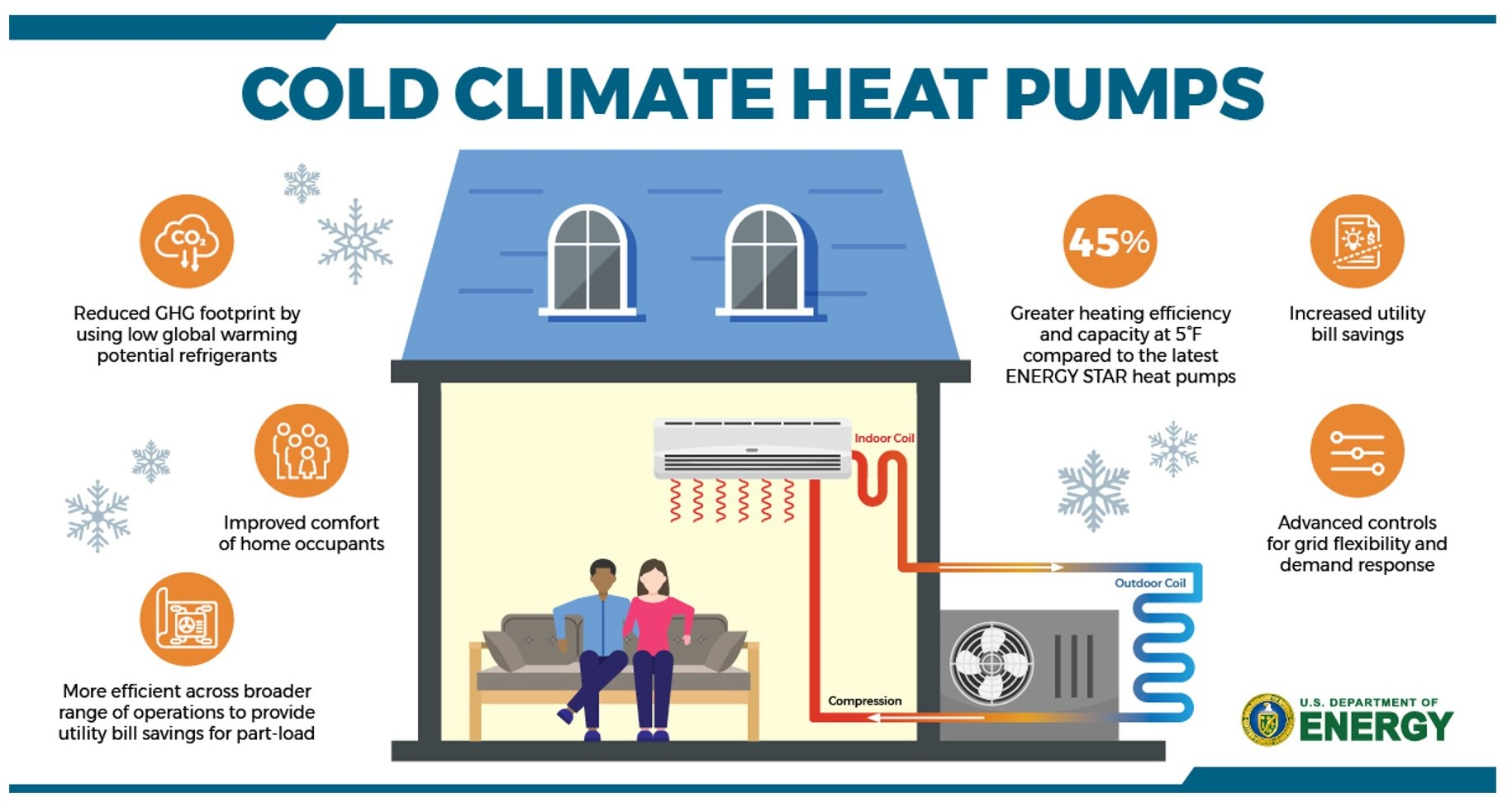
A heat pump works by transferring heat rather than generating it. In heating mode, it extracts heat from the outside air (even cold air contains some heat energy) and transfers it inside. In cooling mode, the process is reversed. Cold-climate heat pumps are designed to maintain this process efficiently even when outdoor temperatures are significantly below freezing.
Key components of a CCHP system include:
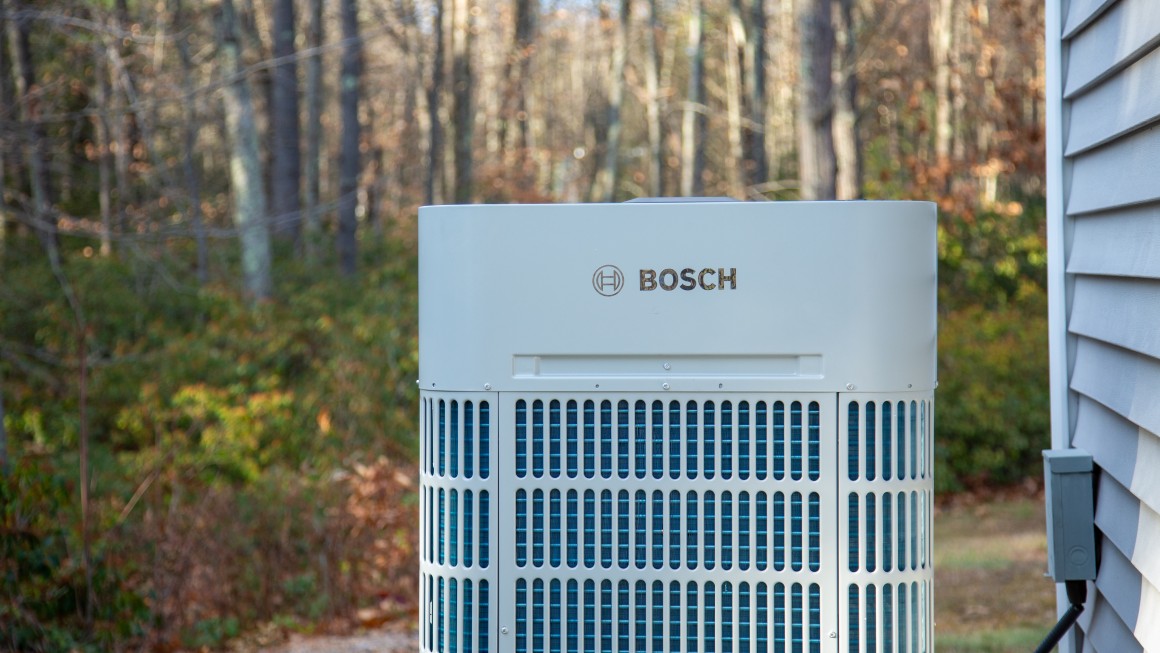
- Outdoor Unit: Contains the compressor, condenser (in heating mode), and evaporator (in cooling mode).
- Indoor Unit: Distributes the heated or cooled air throughout the building.
- Refrigerant: The working fluid that absorbs and releases heat.
- Reversing Valve: Switches the direction of refrigerant flow to change between heating and cooling modes.
- Expansion Valve: Controls refrigerant pressure and flow.
Many CCHPs are also equipped with auxiliary heating systems, such as electric resistance heaters, which provide supplemental heat during extremely cold periods.
Benefits of Using Cold-Climate Heat Pumps
Adopting CCHPs offers several advantages over traditional heating systems, particularly in colder climates:
- Energy Efficiency: CCHPs can be significantly more energy-efficient than electric resistance heating, resulting in lower utility bills.
- Cost Savings: While the initial investment might be higher, the long-term operational cost savings can offset the initial expense.
- Environmentally Friendly: By reducing reliance on fossil fuels, CCHPs contribute to a smaller carbon footprint.
- Year-Round Comfort: CCHPs provide both heating and cooling, eliminating the need for separate systems.
- Improved Air Quality: Some CCHP systems come with advanced filtration systems improving indoor air quality.
Installation and Maintenance Considerations
Proper installation and maintenance are crucial for ensuring the optimal performance and longevity of CCHPs. Here are some key considerations:
- Proper Sizing: Accurately calculating the heating and cooling load is essential for selecting the right size unit.
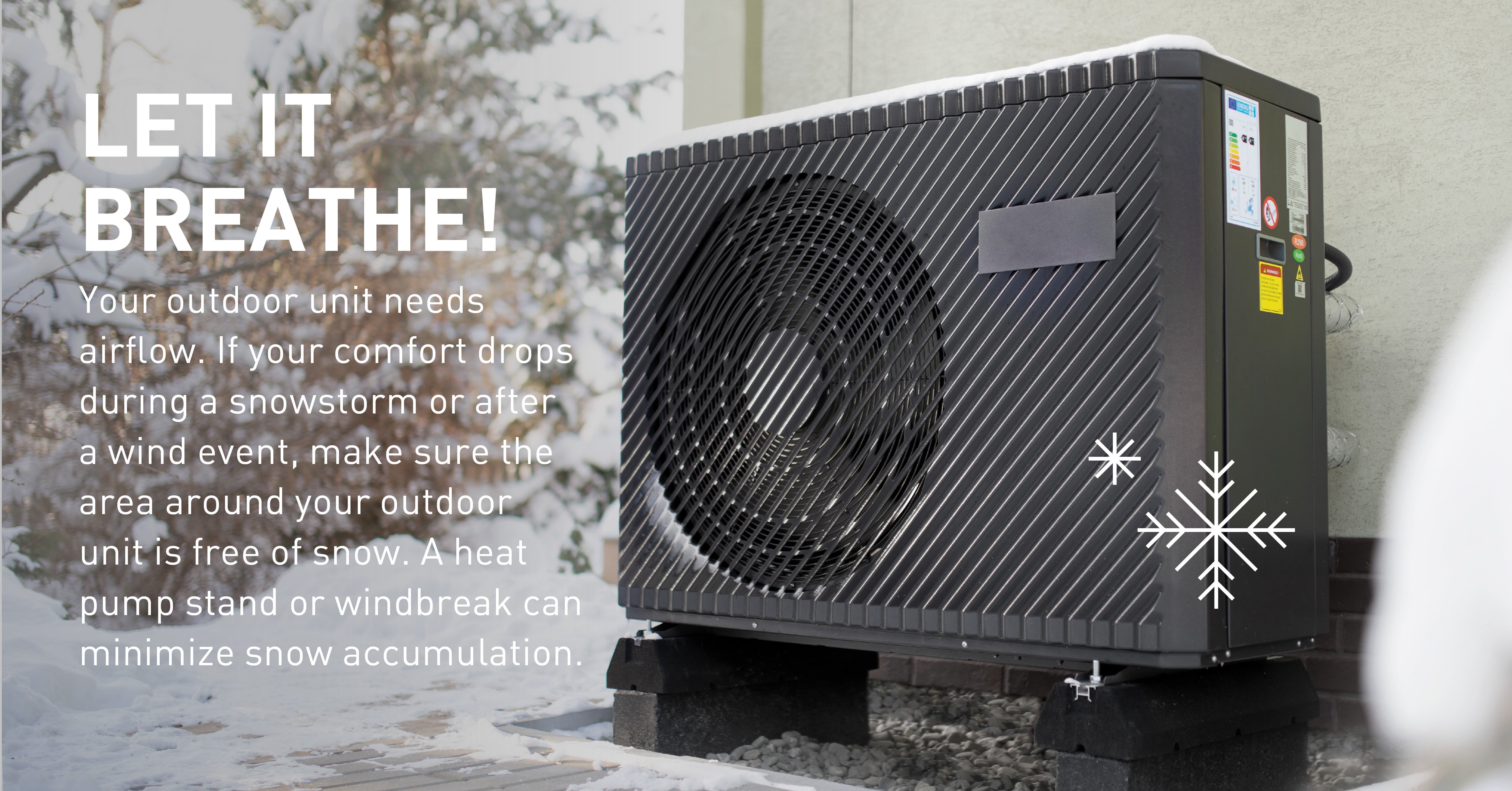
- Correct Placement: Positioning the outdoor unit in a location that minimizes exposure to wind and snow can improve efficiency.
- Professional Installation: Hiring a certified HVAC technician ensures proper installation and prevents potential problems.
- Regular Maintenance: Routine maintenance, including cleaning coils, checking refrigerant levels, and inspecting electrical connections, is essential.
Career Opportunities in Cold-Climate Heat Pump Technology
The growing demand for CCHPs is creating numerous career opportunities for HVAC professionals. As the industry evolves, specialized skills and knowledge are becoming increasingly valuable.
HVAC Technicians
HVAC technicians install, maintain, and repair CCHP systems. This role requires a strong understanding of refrigeration principles, electrical systems, and HVAC controls. According to the U.S. Bureau of Labor Statistics, the median annual wage for HVAC technicians was $51,390 in May 2022. The job outlook for HVAC technicians is projected to grow 6 percent from 2022 to 2032, about as fast as the average for all occupations.
HVAC Installers
HVAC installers focus on the setup and initial installation of CCHP systems. They require expertise in reading blueprints, working with piping and ductwork, and ensuring proper system integration.
HVAC Service and Maintenance Technicians
These technicians specialize in providing routine maintenance and repair services for CCHP systems. They need strong troubleshooting skills and the ability to diagnose and resolve complex problems.
HVAC Design Engineers
HVAC design engineers design and specify CCHP systems for residential and commercial buildings. They must have a thorough understanding of building codes, energy efficiency standards, and HVAC system design principles.
HVAC Sales Engineers
Sales engineers work with customers to determine their heating and cooling needs and recommend the appropriate CCHP systems. They need excellent communication and sales skills, as well as a strong technical understanding of HVAC systems.
Certifications and Training
Earning industry certifications can significantly enhance your career prospects in the HVAC field. Some of the most recognized certifications include:
- NATE (North American Technician Excellence): NATE offers certifications for HVAC technicians in various specialties, including installation, service, and maintenance.
- EPA Section 608 Certification: Required for technicians who handle refrigerants. There are different types of EPA 608 certifications depending on the type of equipment being serviced.
- HVAC Excellence: HVAC Excellence provides certifications for HVAC educators and technicians.
- Manufacturer-Specific Training: Many HVAC manufacturers offer training programs on their specific equipment.
Real-World Career Paths
Here are a few examples of career paths for HVAC professionals specializing in CCHP technology:
- Entry-Level Technician: Start as an apprentice, assisting experienced technicians with installation and maintenance tasks. Gain on-the-job training and pursue industry certifications like NATE and EPA 608.
- Service Technician: Specialize in servicing and repairing CCHP systems. Develop expertise in troubleshooting complex problems and providing excellent customer service.
- Lead Technician: Supervise a team of technicians and oversee larger installation and maintenance projects. This role requires strong leadership and project management skills.
- HVAC Design Engineer: Earn a degree in mechanical engineering and specialize in HVAC system design. Work with architects and building owners to design energy-efficient CCHP systems.
- HVAC Business Owner: Start your own HVAC business, specializing in CCHP installation and service. This requires strong business management skills, as well as technical expertise.
The Future of Cold-Climate Heat Pumps
The market for CCHPs is expected to continue growing rapidly in the coming years, driven by increasing awareness of their energy-saving benefits and government incentives promoting energy efficiency. According to a report by Grand View Research, the global heat pump market size was valued at USD 69.49 billion in 2023 and is expected to grow at a compound annual growth rate (CAGR) of 8.9% from 2024 to 2030.
Technological advancements, such as the development of even more efficient compressors and refrigerants, will further enhance the performance of CCHPs in cold climates. As regulations on greenhouse gas emissions become stricter, the demand for CCHPs as a cleaner alternative to fossil fuel-based heating systems is expected to increase. This presents significant opportunities for HVAC professionals who are skilled in CCHP technology.
Conclusion
Cold-climate heat pumps represent a promising solution for heating and cooling buildings in colder regions. As the technology continues to evolve, CCHPs are becoming increasingly efficient, cost-effective, and environmentally friendly. For HVAC professionals, specializing in CCHP technology offers a rewarding and lucrative career path with excellent growth potential. By investing in training and certifications, HVAC technicians can position themselves for success in this rapidly expanding field.