Heat Pump Vs Ac And Furnace
Heat Pump vs. AC and Furnace: Which HVAC System Saves You More Money?
Choosing the right HVAC (Heating, Ventilation, and Air Conditioning) system is a crucial decision for homeowners and businesses alike. It directly impacts your comfort levels, energy consumption, and, most importantly, your monthly bills. The age-old question: Should you opt for a traditional air conditioner and furnace setup, or make the switch to a more modern heat pump system? This article will delve into the pros and cons of each, providing a comprehensive guide to help you make an informed decision tailored to your specific needs and budget.
Understanding the Basics
Before diving into a direct comparison, let's quickly define each system:
- Air Conditioner (AC): An air conditioner cools your home by extracting heat from the inside air and releasing it outdoors. It uses a refrigerant to facilitate this process, and typically works best in warm climates.
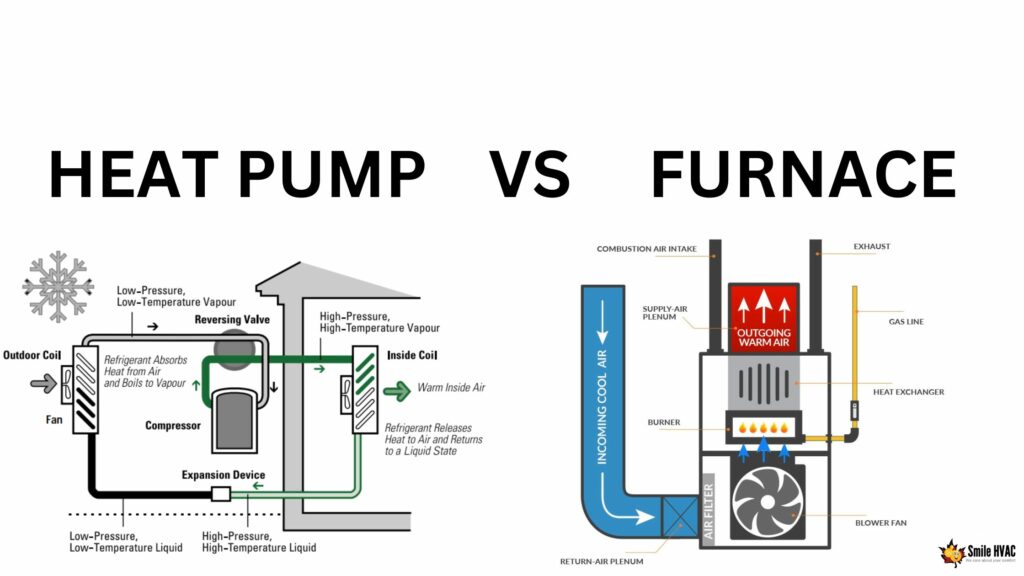
- Furnace: A furnace heats your home by burning fuel (natural gas, propane, or oil) or using electricity to generate heat. This heat is then distributed throughout your home via ductwork.
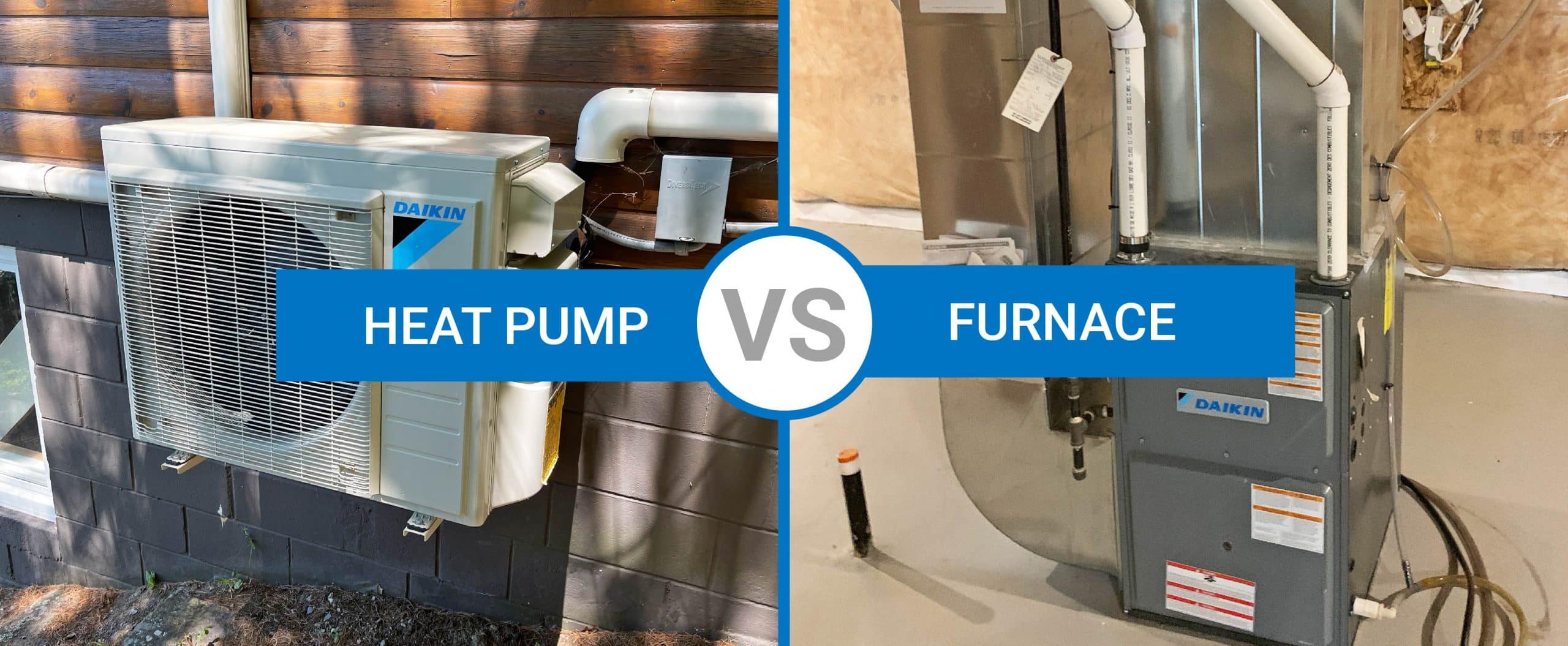
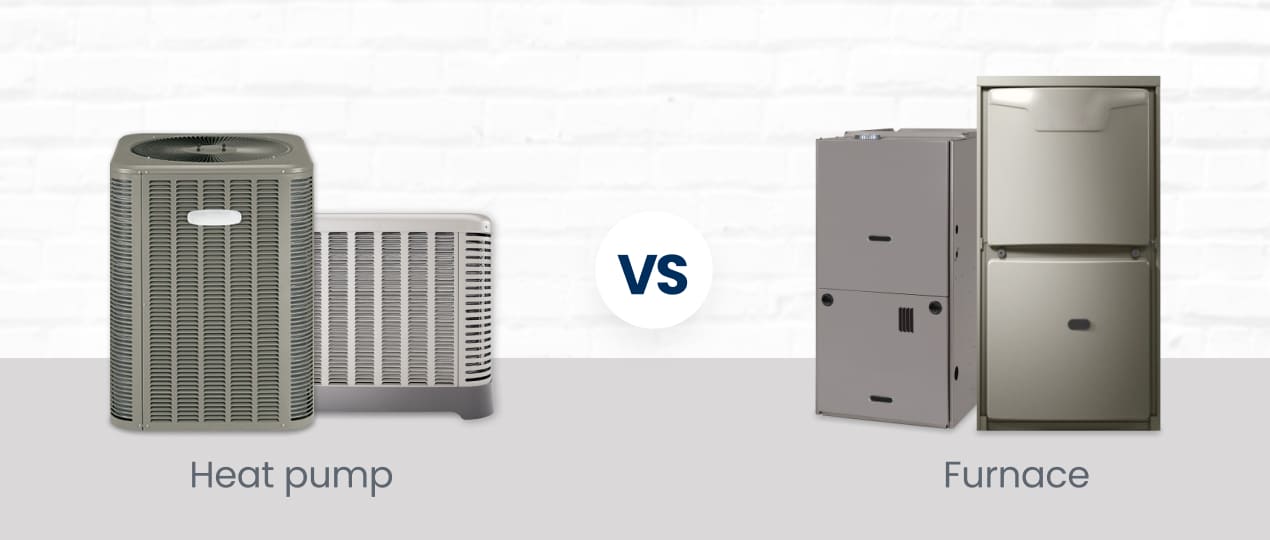
- Heat Pump: A heat pump is a versatile system that can both heat and cool your home. In the summer, it operates like an air conditioner, removing heat from inside. In the winter, it reverses the process, extracting heat from the outside air and transferring it indoors. Even when the outside air feels cold, it still contains some heat energy that a heat pump can utilize.
Cost Comparison: Upfront Investment and Long-Term Savings
The initial cost is often the first factor homeowners consider. Generally, installing a heat pump can be more expensive than installing a separate AC and furnace. However, this initial investment needs to be weighed against the potential long-term savings.
Upfront Costs:
- Air Conditioner and Furnace: A standard AC unit and furnace installation can range from $4,000 to $8,000, depending on the size, efficiency, and brand.
- Heat Pump: A heat pump installation can range from $5,000 to $12,000, again depending on the same factors. Geothermal heat pumps, which draw heat from the ground, are considerably more expensive, potentially costing $20,000 or more.
Operating Costs:
This is where heat pumps often shine. They are generally more energy-efficient than traditional AC and furnace systems, leading to lower monthly bills.
- Air Conditioner and Furnace: The operating costs depend heavily on fuel prices (natural gas, propane, oil, or electricity). Furnaces, especially older models, can be quite inefficient, wasting a significant portion of the fuel they consume.
- Heat Pump: Heat pumps are highly efficient because they move heat rather than generate it. They can provide up to 300% efficiency, meaning they deliver three units of heat for every one unit of electricity consumed. This translates to substantial savings, especially in moderate climates.
Example Savings:
According to the Energy Star program, replacing an old, inefficient furnace with a heat pump can save homeowners hundreds of dollars per year. In a moderate climate, the savings could range from $300 to $800 annually, depending on energy prices and usage habits. Over the lifespan of the system (typically 15-20 years), these savings can easily offset the higher initial cost of the heat pump.
Energy Efficiency: SEER, HSPF, and AFUE
Understanding energy efficiency ratings is key to comparing HVAC systems. Here's a brief overview:
- SEER (Seasonal Energy Efficiency Ratio): Measures the cooling efficiency of an air conditioner or heat pump. A higher SEER rating indicates greater efficiency. Energy Star certified ACs typically have a SEER rating of 15 or higher.
- HSPF (Heating Seasonal Performance Factor): Measures the heating efficiency of a heat pump. A higher HSPF rating indicates greater efficiency. Energy Star certified heat pumps typically have an HSPF rating of 8.5 or higher.
- AFUE (Annual Fuel Utilization Efficiency): Measures the heating efficiency of a furnace. A higher AFUE rating indicates greater efficiency. Energy Star certified furnaces typically have an AFUE rating of 90% or higher.
When comparing systems, look for models with high SEER, HSPF, and AFUE ratings to maximize energy savings. In general, heat pumps tend to have competitive SEER ratings and excel in HSPF ratings, making them an energy-efficient choice for both heating and cooling.
Climate Considerations
The climate you live in plays a significant role in determining the suitability of a heat pump. While heat pumps have become increasingly effective in colder climates, they may not be the best option for regions with extremely cold winters (below freezing for extended periods). In these areas, a furnace might be a more reliable and cost-effective heating solution. However, advancements in heat pump technology are constantly improving their cold-weather performance.
In moderate climates, heat pumps are an excellent choice, providing efficient heating and cooling throughout the year. They are particularly well-suited for regions with mild winters and hot summers.
Rebates and Incentives
Many government agencies and utility companies offer rebates and incentives for installing energy-efficient HVAC systems. These incentives can significantly reduce the upfront cost of a heat pump, making it an even more attractive option. Check with your local utility company and state energy office to see what rebates are available in your area. The Energy Star website is also a valuable resource for finding rebates and incentives.
Smart HVAC Integration: Optimizing Energy Usage
Integrating your HVAC system with smart home technology can further enhance energy efficiency and comfort. Smart thermostats, sensors, and zoning systems allow you to control the temperature in different areas of your home, optimizing energy usage based on occupancy and personal preferences. For instance, a smart thermostat can automatically lower the temperature when you're away from home and raise it before you arrive.
Heat pumps are particularly well-suited for integration with smart home systems. Their ability to both heat and cool makes them a versatile component of a smart home ecosystem. Furthermore, some smart thermostats are specifically designed to optimize the performance of heat pumps, ensuring that they operate at peak efficiency.
Maintenance and Lifespan
Proper maintenance is essential for extending the lifespan of any HVAC system. Regular maintenance tasks include cleaning or replacing air filters, inspecting ductwork, and scheduling professional tune-ups. The lifespan of an AC and furnace system is typically 15-20 years, while a heat pump can last just as long with proper care.
One potential advantage of a heat pump is that it combines two systems into one, potentially simplifying maintenance and reducing the number of components that need to be repaired or replaced over time.
Environmental Impact
Choosing an energy-efficient HVAC system is not only good for your wallet but also good for the environment. Heat pumps generally have a lower environmental impact compared to traditional AC and furnace systems because they use less energy and reduce reliance on fossil fuels. By reducing your energy consumption, you can lower your carbon footprint and contribute to a more sustainable future.
Making the Right Choice
Deciding between a heat pump and a traditional AC and furnace system requires careful consideration of your specific needs, budget, and climate. Here's a summary to help you make the right choice:
- Consider a Heat Pump if:
- You live in a moderate climate with mild winters and hot summers.
- You are looking for a highly energy-efficient system.
- You are interested in integrating your HVAC system with smart home technology.
- You are eligible for rebates and incentives.
- Consider an AC and Furnace if:
- You live in a region with extremely cold winters.
- The upfront cost of a heat pump is prohibitive.
- You already have a relatively new and efficient furnace.
Ultimately, the best way to determine the optimal HVAC system for your home is to consult with a qualified HVAC contractor. They can assess your specific needs, evaluate your home's insulation and ductwork, and recommend the most energy-efficient and cost-effective solution. Be sure to get multiple quotes and compare the features, warranties, and energy efficiency ratings of different systems before making a final decision.
By carefully weighing the pros and cons of each system and considering your individual circumstances, you can make an informed decision that will save you money, improve your comfort, and reduce your environmental impact.