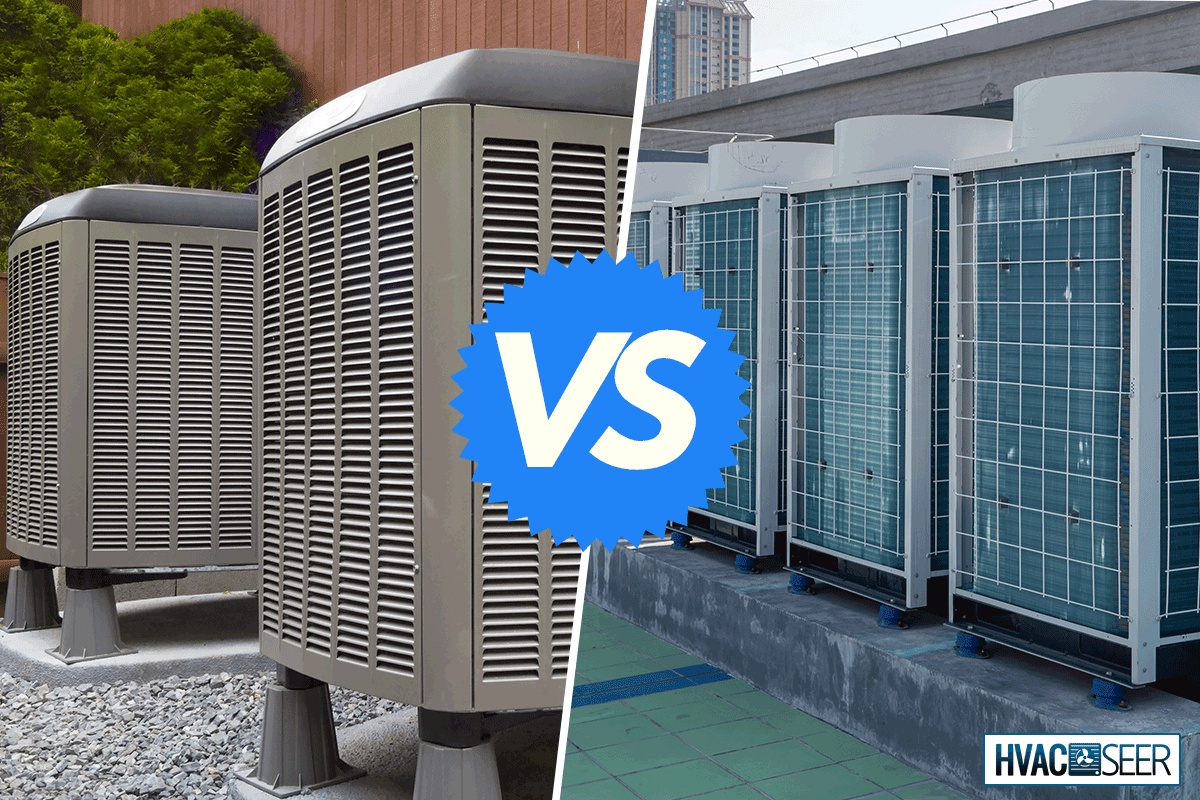
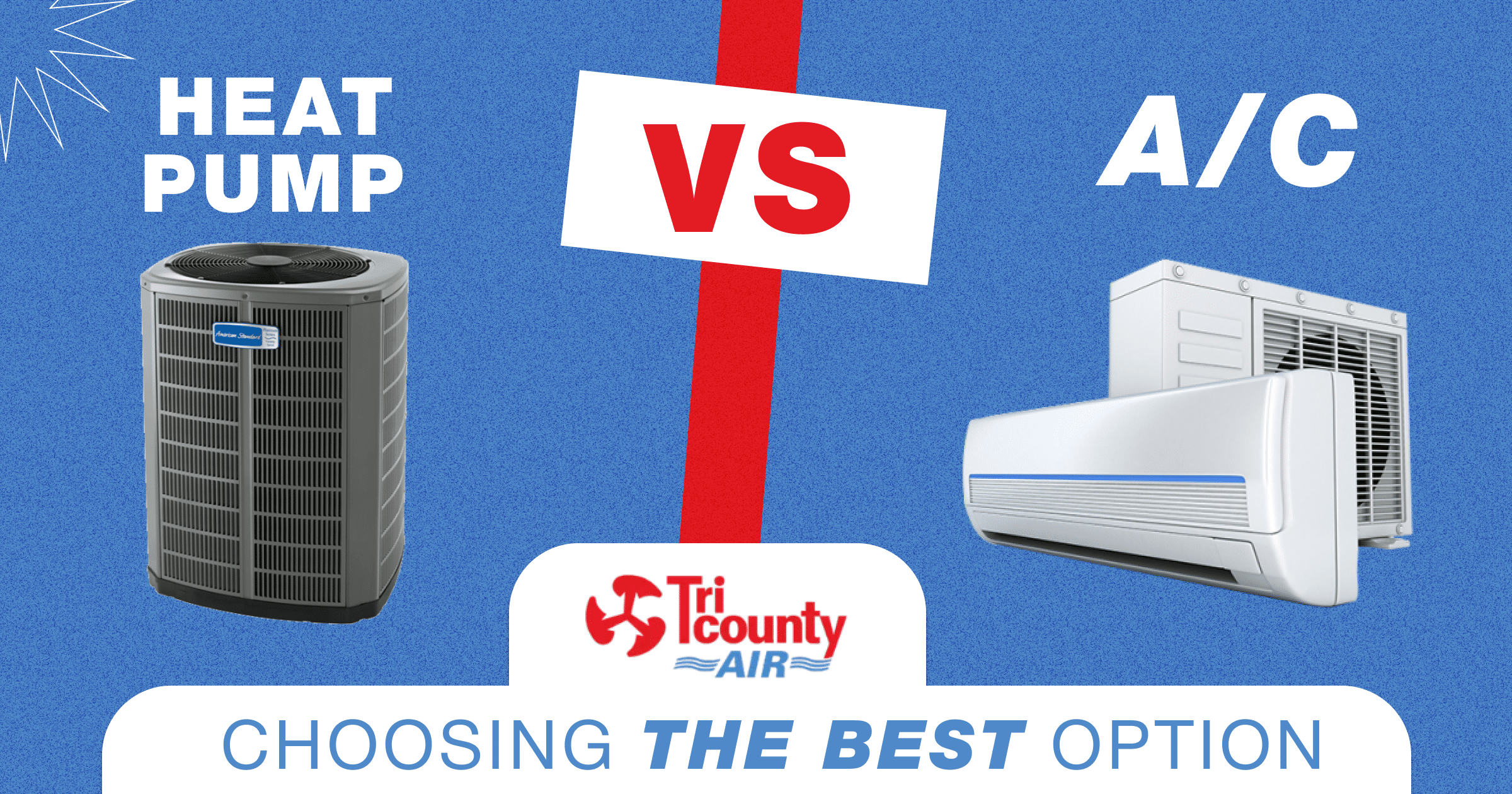
Heat Pump Vs Air Conditioner Cost

Deciding between a heat pump and an air conditioner can feel overwhelming. Both systems keep your home comfortable, but they work differently and have different cost implications. This guide breaks down the initial costs, operating expenses, and maintenance needs of each, helping you make the best choice for your home and budget.
Understanding the Basics: Heat Pumps vs. Air Conditioners
Before diving into costs, let’s clarify what each system does:
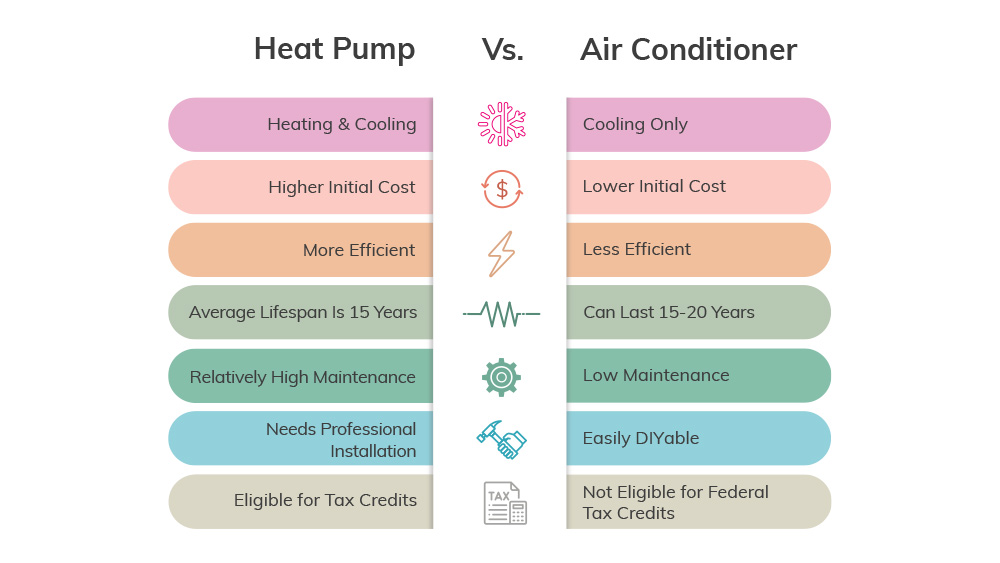
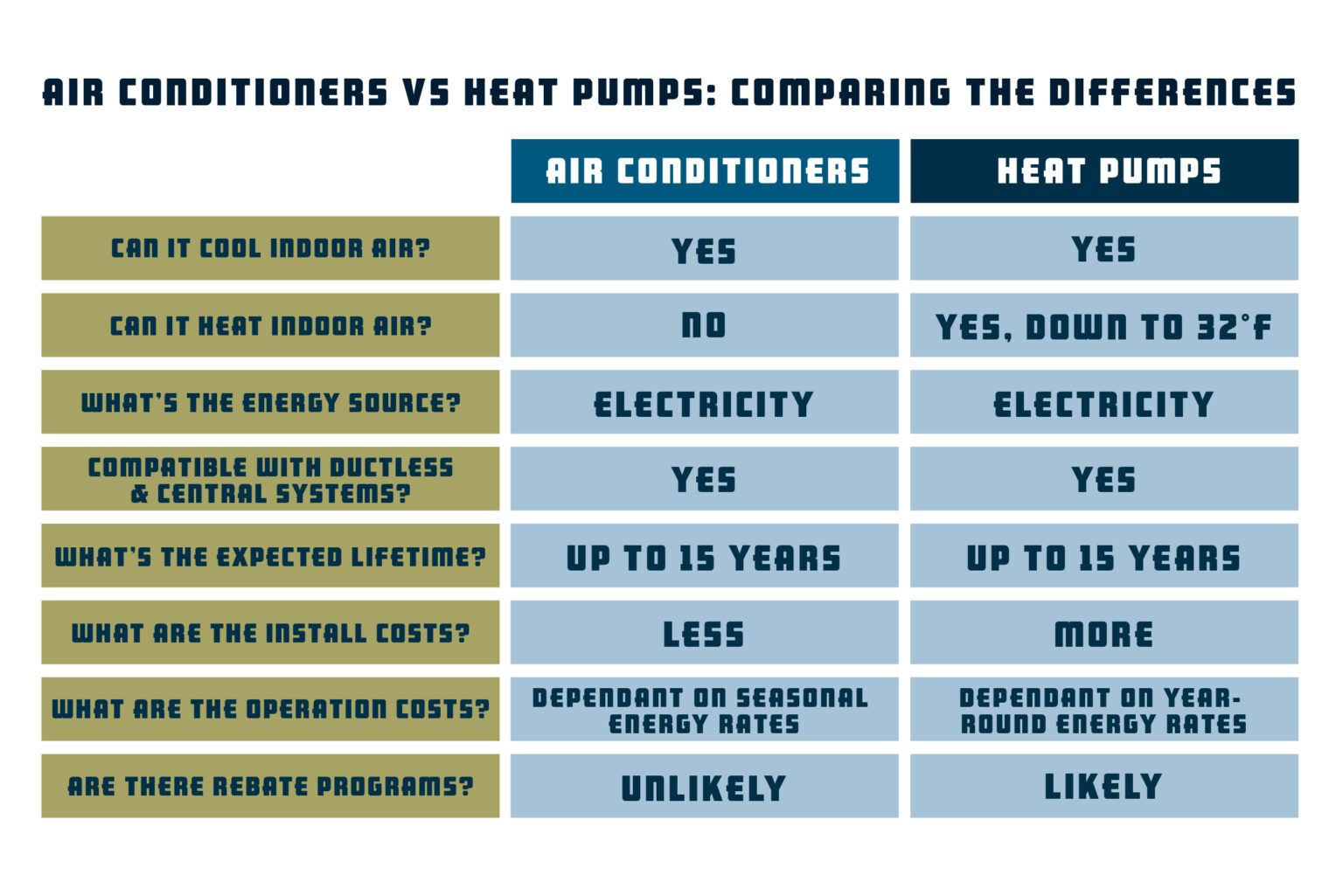
- Air Conditioners (ACs): These systems only cool your home. They transfer heat from inside your house to the outside, providing a cool and comfortable indoor environment.
- Heat Pumps: Think of a heat pump as an AC that can run in reverse. In the summer, it cools your home like a traditional AC. But in the winter, it extracts heat from the outside air (even in cold temperatures) and transfers it inside to warm your home. This makes them a dual-purpose heating and cooling solution.
Initial Purchase and Installation Costs
The upfront cost is often the first thing homeowners consider. Here's a breakdown:
Air Conditioner Costs
A new air conditioner unit typically costs between $3,000 and $7,000, including installation. This price range can vary based on several factors:
- Size (BTU rating): Larger homes require higher BTU (British Thermal Units) ratings, increasing the cost.
- Efficiency (SEER rating): Higher SEER (Seasonal Energy Efficiency Ratio) ratings mean better energy efficiency, but also a higher initial price.
- Brand: Well-known brands often command a premium.
- Installation complexity: Difficult installations, such as those requiring significant ductwork modifications, will increase labor costs.
Heat Pump Costs
Heat pumps generally cost more upfront than air conditioners. Expect to pay between $4,000 and $10,000, including installation. The higher cost is due to the added components and complexity of a heat pump, which allows it to both heat and cool.
Factors affecting heat pump cost include:
- Size (BTU rating): Similar to ACs, larger homes need higher BTU ratings.
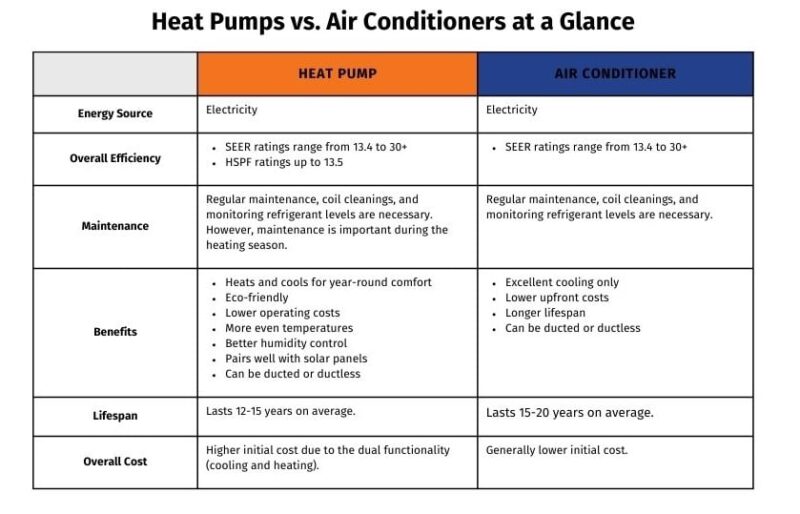
- Efficiency (SEER and HSPF ratings): Heat pumps have two efficiency ratings: SEER for cooling and HSPF (Heating Season Performance Factor) for heating. Higher ratings in both categories increase the cost.
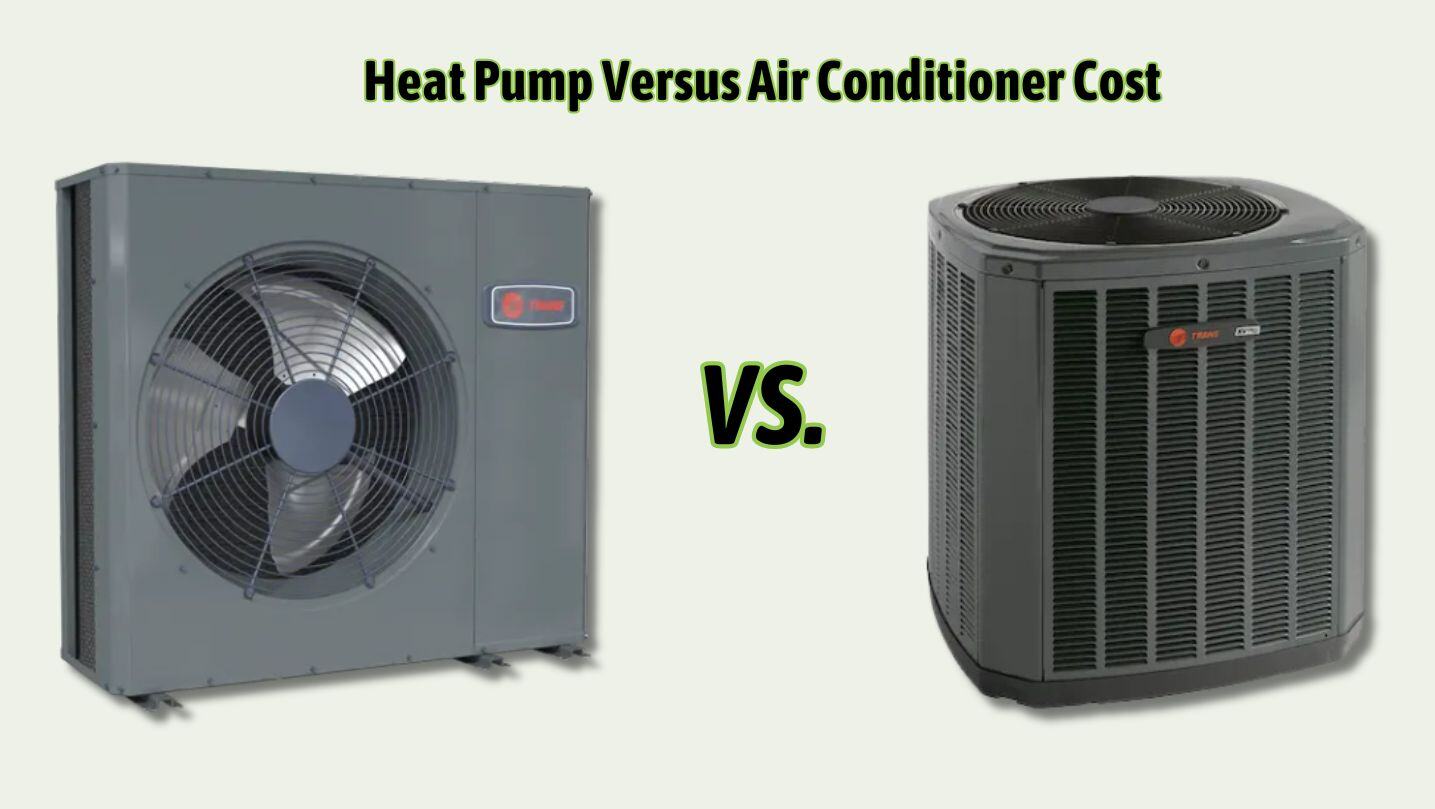
- Type: There are different types of heat pumps, such as air-source, geothermal, and ductless mini-splits. Geothermal systems, while extremely efficient, have the highest upfront cost due to the extensive underground piping required. Ductless mini-splits are generally less expensive to install than ducted systems, especially in homes without existing ductwork.
- Brand: As with ACs, brand recognition affects pricing.
- Installation complexity: Installing a heat pump can be more complex than installing an AC, especially if it involves integrating with an existing furnace or installing new ductwork.
Operating Costs: Which System Saves You Money?
The initial cost is just one piece of the puzzle. Operating costs, primarily electricity consumption, can significantly impact your long-term expenses.
Air Conditioner Operating Costs
Air conditioners use electricity to cool your home. The cost of running an AC depends on:
- Electricity rates: Higher electricity rates mean higher operating costs.
- AC efficiency (SEER rating): A higher SEER rating translates to lower energy consumption.
- Usage: The more you run your AC, the more it will cost.
- Climate: Hotter climates require more AC usage, increasing operating costs.
To estimate your AC operating costs, use this formula:
(BTU / SEER) x (Hours of Operation) x (Electricity Rate per kWh) / 1000 = Estimated CostHeat Pump Operating Costs
Heat pumps are generally more energy-efficient than traditional heating systems like furnaces, especially in moderate climates. However, their efficiency decreases in very cold temperatures.
Factors affecting heat pump operating costs:
- Electricity rates: Same as with ACs.
- Heat pump efficiency (SEER and HSPF ratings): Higher SEER and HSPF ratings lead to lower energy consumption.
- Climate: Heat pumps are most efficient in moderate climates. In extremely cold climates, they may require supplemental heating, which can increase operating costs.
- Usage: How often you use the heat pump for both heating and cooling.
- Balance Point: The balance point is the outdoor temperature at which the heat pump can no longer efficiently provide enough heat to maintain your desired indoor temperature. Below this point, supplemental heating is required.
Estimating heat pump operating costs is more complex than estimating AC costs due to the heating and cooling functions. Consult with an HVAC professional for a personalized estimate.
Maintenance and Repair Costs
Regular maintenance is crucial for both air conditioners and heat pumps to ensure optimal performance and longevity. Neglecting maintenance can lead to costly repairs.
Air Conditioner Maintenance and Repair
Common AC maintenance tasks include:
- Cleaning or replacing air filters: Do this every 1-3 months.
- Cleaning the outdoor unit: Remove debris and ensure proper airflow.
- Checking refrigerant levels: Low refrigerant can indicate a leak.
- Inspecting and cleaning coils: Dirty coils reduce efficiency.
Common AC repairs include:
- Refrigerant leaks: Can range from $200 to $1000+ to repair.
- Compressor failure: A major repair, costing $1000 to $2500+.
- Fan motor replacement: Typically costs $200 to $500.
- Capacitor replacement: A relatively inexpensive repair, usually under $200.
Heat Pump Maintenance and Repair
Heat pumps require the same maintenance as ACs, plus a few additional checks:
- Checking reversing valve: This valve switches the system between heating and cooling modes.
- Inspecting defrost cycle: Ensure the defrost cycle is functioning correctly to prevent ice buildup.
Common heat pump repairs include:
- Reversing valve failure: Can cost $300 to $800 to repair.
- Defrost control issues: Can lead to ice buildup and reduced efficiency.
- Compressor failure: Similar cost to AC compressor failure.
- Fan motor replacement: Similar cost to AC fan motor replacement.
DIY vs. Professional HVAC Service
Some maintenance tasks, like changing air filters and cleaning the outdoor unit, are suitable for DIY. However, more complex repairs should be left to a qualified HVAC technician.
DIY-Friendly Tasks:
- Changing air filters
- Cleaning the outdoor unit
- Clearing drain lines
Tasks Requiring a Professional:
- Refrigerant leak repair
- Compressor replacement
- Reversing valve repair
- Electrical repairs
- Any work involving high-voltage components
Safety First! Always turn off the power to the unit before performing any maintenance or repairs. If you're unsure about any task, call a professional. Working with refrigerants and high-voltage electricity can be dangerous.
Factors to Consider When Choosing Between a Heat Pump and an Air Conditioner
Here's a summary of the key factors to consider:
- Climate: Heat pumps are most efficient in moderate climates. In very cold climates, consider a hybrid system with a furnace backup.
- Budget: Heat pumps have a higher upfront cost but can offer long-term savings through energy efficiency.
- Energy efficiency: Look for high SEER and HSPF ratings to minimize operating costs.
- Existing ductwork: If you have existing ductwork, a central AC or heat pump may be the best option. If not, consider ductless mini-splits.
- Long-term costs: Factor in maintenance, repair, and energy costs over the lifespan of the system.
Troubleshooting Common HVAC Problems
Before calling a professional, here are a few simple troubleshooting steps you can take:
- Check the thermostat: Ensure it's set to the correct mode and temperature.
- Check the air filter: A dirty air filter can restrict airflow and reduce efficiency.
- Check the circuit breaker: Make sure the breaker for the HVAC unit hasn't tripped.
- Check the outdoor unit: Ensure it's free of debris and that the fan is running.
If these simple steps don't resolve the issue, it's time to call a qualified HVAC technician.
When to Call a Professional
It's best to contact a qualified HVAC technician if you notice any of the following:
- Unusual noises
- Strange odors
- Reduced airflow
- Inconsistent temperatures
- Water leaks
- Ice buildup on the outdoor unit (for heat pumps)
- High energy bills
Conclusion
The decision between a heat pump and an air conditioner depends on your specific needs, climate, and budget. While heat pumps have a higher upfront cost, they can offer long-term savings and year-round comfort. Carefully consider all the factors discussed in this guide before making a decision. And remember, when in doubt, consult with a qualified HVAC professional for personalized advice.