Heat Pump Vs Air Conditioner Efficiency

Heat Pump Vs. Air Conditioner: Understanding Efficiency for Optimal Comfort
When it comes to home comfort, the choice between a heat pump and an air conditioner can be a significant one. Both systems play crucial roles in regulating indoor temperature, but they operate differently and offer varying levels of efficiency. Understanding these differences is key to making an informed decision that aligns with your specific needs and budget.
Defining the Basics: How They Work
An air conditioner (AC) is designed solely for cooling. It works by extracting heat from inside your home and transferring it outside. This process involves a refrigerant that absorbs heat as it evaporates indoors and releases heat as it condenses outdoors. Think of it as a one-way street for heat; it only flows out of your home.
A heat pump, on the other hand, is a more versatile system. While it can cool your home like an air conditioner, it can also provide heating. Heat pumps work by transferring heat, not generating it. In cooling mode, it operates similarly to an AC, extracting heat from indoors and releasing it outside. In heating mode, it reverses this process, extracting heat from the outside air and transferring it inside. Even when the outdoor air feels cold, it still contains some heat energy that a heat pump can utilize.
Decoding Efficiency Ratings: SEER, HSPF, and COP
To compare the efficiency of air conditioners and heat pumps, it's essential to understand the relevant efficiency ratings.
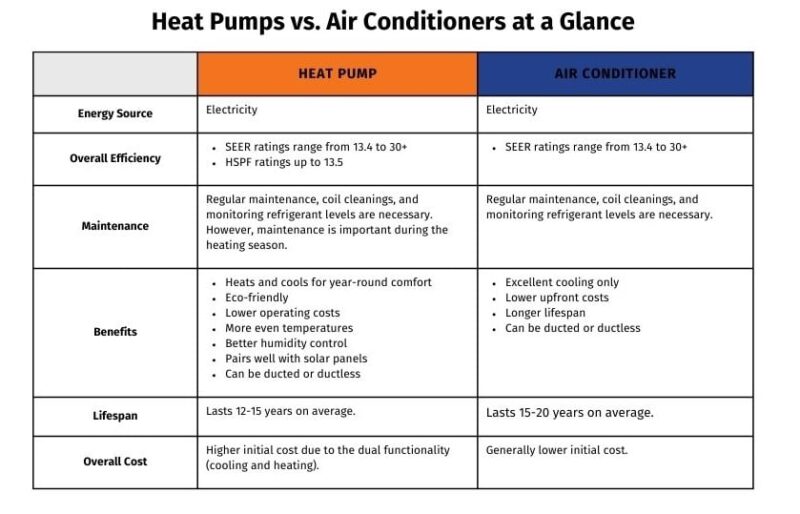
* SEER (Seasonal Energy Efficiency Ratio): This rating measures the cooling efficiency of both air conditioners and heat pumps. It represents the total cooling output during a typical cooling season divided by the total electrical energy input during the same period. The higher the SEER rating, the more efficient the unit. Modern air conditioners typically have SEER ratings ranging from 13 to 25 or higher. Higher SEER ratings generally translate to lower energy bills. * HSPF (Heating Seasonal Performance Factor): This rating specifically measures the heating efficiency of heat pumps. It represents the total heating output during a typical heating season divided by the total electrical energy input during the same period. Like SEER, a higher HSPF rating indicates greater efficiency. Current heat pumps typically have HSPF ratings ranging from 8 to 13 or higher. * COP (Coefficient of Performance): COP measures the instantaneous heating or cooling efficiency of a heat pump under specific conditions. It’s the ratio of heating or cooling output to electrical energy input at a given point in time. While SEER and HSPF provide a seasonal average, COP gives a snapshot of performance under specific operating parameters. For example, a COP of 3 means that for every unit of electricity consumed, the heat pump produces 3 units of heating or cooling.Real-World Example: An air conditioner with a SEER rating of 18 will use less energy to cool a home than an air conditioner with a SEER rating of 13. Similarly, a heat pump with an HSPF rating of 10 will provide more efficient heating than one with an HSPF rating of 8.
Geographic Considerations: Climate and Performance
The climate in which you live plays a crucial role in determining the suitability and efficiency of both air conditioners and heat pumps.
Air Conditioners: Are generally well-suited for warmer climates where cooling is the primary concern. Their efficiency is relatively consistent regardless of outdoor temperature, making them a reliable choice for hot regions.
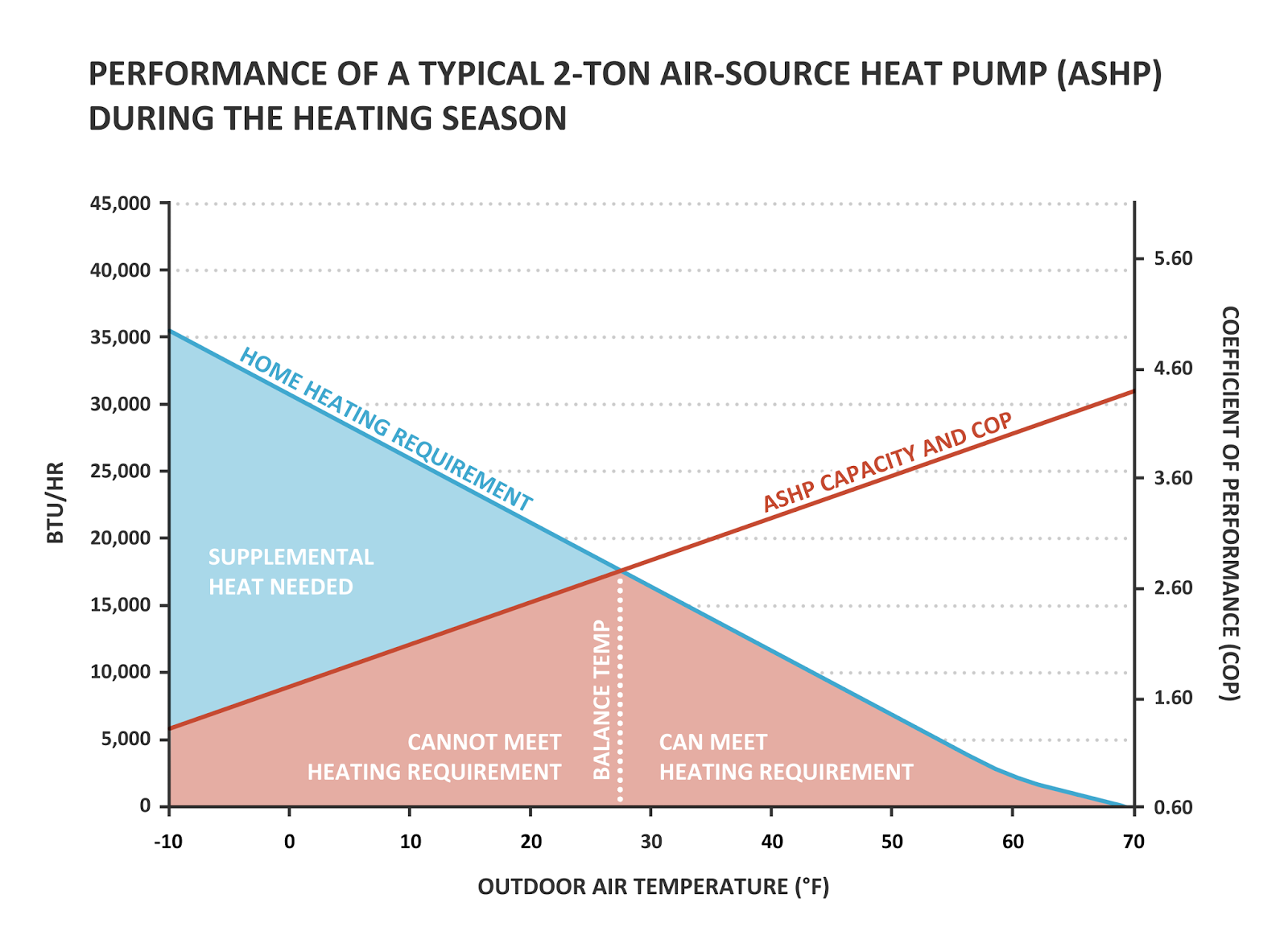
Heat Pumps: Excel in milder climates with moderate winters. Their heating efficiency tends to decrease as outdoor temperatures drop significantly. This is because the amount of heat available in the outside air diminishes as it gets colder, requiring the heat pump to work harder to extract it. In extremely cold climates, a heat pump may require a supplemental heating source, such as electric resistance heat, which can significantly reduce its overall efficiency. However, advancements in heat pump technology, such as cold climate heat pumps, are improving performance in colder regions.
Important Note: Newer heat pump models, often referred to as cold-climate heat pumps, are designed to operate efficiently in colder temperatures. These models incorporate advanced compressor technology and defrost cycles to maintain performance even when temperatures dip below freezing.
Cost Analysis: Initial Investment and Long-Term Savings
The cost of purchasing and installing an air conditioner or heat pump can vary depending on several factors, including the size of your home, the efficiency rating of the unit, and the complexity of the installation.
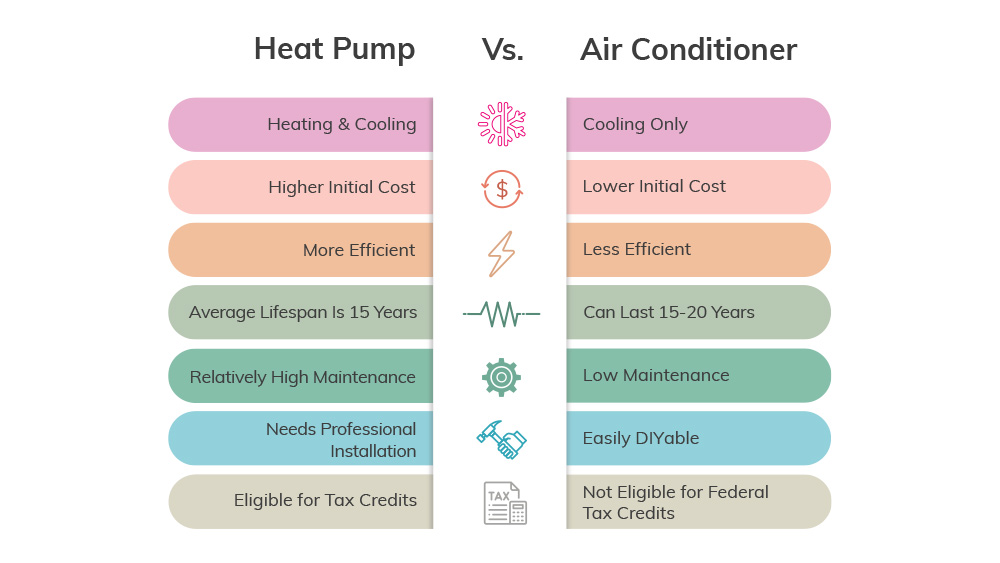
Initial Investment: Generally, heat pumps tend to have a higher upfront cost compared to air conditioners. This is due to the more complex technology required to provide both heating and cooling. However, this initial investment may be offset by long-term energy savings, especially in climates where both heating and cooling are required.
Operating Costs: Air conditioners typically have lower operating costs in regions where cooling is the primary need. However, in areas with both heating and cooling demands, heat pumps can offer significant energy savings, particularly if they operate efficiently during the heating season.
Maintenance Costs: Both air conditioners and heat pumps require regular maintenance to ensure optimal performance and longevity. This includes tasks such as cleaning or replacing air filters, inspecting coils, and checking refrigerant levels. Maintenance costs are generally similar for both types of systems.
Lifespan and Durability: What to Expect
The lifespan of an air conditioner or heat pump can vary depending on factors such as the quality of the unit, the frequency of maintenance, and the operating conditions. Generally, both types of systems can last for 10-15 years or longer with proper care.
Factors Affecting Lifespan:
- Regular Maintenance: Performing routine maintenance tasks, such as cleaning coils and changing filters, can significantly extend the lifespan of your system.
- Proper Installation: A correctly installed system will operate more efficiently and experience less wear and tear.
- Operating Conditions: Extreme temperatures and frequent use can put a strain on your system, potentially shortening its lifespan.
Choosing the Right System: Key Considerations
Selecting the right HVAC system for your home or building requires careful consideration of several factors. Here are some key questions to ask yourself:
- What is the climate in your region? If you live in a hot climate with mild winters, an air conditioner may be sufficient. If you experience both hot summers and cold winters, a heat pump could be a more efficient and cost-effective option.
- What are your heating and cooling needs? Estimate your heating and cooling requirements based on the size of your home, insulation levels, and personal preferences.
- What is your budget? Consider both the initial cost of the system and the long-term operating costs.
- Are there any rebates or incentives available? Many utility companies and government agencies offer rebates or incentives for installing energy-efficient HVAC systems.
Professional Consultation: It's always advisable to consult with a qualified HVAC technician to assess your specific needs and recommend the most appropriate system for your home. A professional can perform a load calculation to determine the correct size of the unit and provide guidance on selecting a system with the optimal efficiency rating.
Advanced Technologies: Inverter Technology and Smart Controls
Advancements in HVAC technology are constantly improving the efficiency and performance of both air conditioners and heat pumps.
Inverter Technology: Inverter-driven compressors offer variable-speed operation, allowing the system to adjust its output based on the actual heating or cooling demand. This can significantly improve energy efficiency and reduce energy consumption compared to traditional single-speed systems.
Smart Controls: Smart thermostats and control systems provide enhanced control over your HVAC system, allowing you to optimize energy usage and customize comfort settings. These systems can learn your preferences, adjust temperature settings based on occupancy, and provide detailed energy consumption reports.
Conclusion: Making an Informed Decision
Choosing between a heat pump and an air conditioner requires a careful evaluation of your specific needs, climate, and budget. While air conditioners are well-suited for warmer climates where cooling is the primary concern, heat pumps offer a versatile and energy-efficient solution for homes with both heating and cooling demands. By understanding the efficiency ratings, considering the climate, and consulting with a qualified HVAC professional, you can make an informed decision that ensures optimal comfort and energy savings for years to come.
Understanding the difference between SEER, HSPF, and COP is essential to choosing the right HVAC system.