Heat Pump With Gas Furnace Wiring Diagram

Hybrid heating systems, combining a heat pump with a gas furnace, offer a compelling path to energy savings, especially in regions with moderate to cold climates. Understanding the wiring diagram for these systems is crucial for both DIY enthusiasts and HVAC professionals installing and maintaining them. This article will demystify the intricacies of a heat pump with gas furnace wiring diagram, explore the benefits of hybrid systems, and delve into how smart technology enhances their performance, ultimately leading to significant energy cost reductions.
Understanding the Hybrid Heating System: A Symphony of Efficiency
A hybrid heating system strategically uses a heat pump for efficient heating during milder temperatures and a gas furnace for reliable warmth when temperatures plummet. The heat pump, leveraging electricity, extracts heat from the outdoor air – even in surprisingly cold conditions – and transfers it indoors. When the temperature drops below a predetermined threshold, the system switches to the gas furnace, providing supplemental heat with the power of natural gas or propane.
This dual-fuel approach offers significant advantages over relying solely on a gas furnace or an electric resistance heating system. Heat pumps are exceptionally efficient at moderate temperatures, often delivering 3-4 times more heat energy than the electricity they consume, represented by a Seasonal Energy Efficiency Ratio (SEER) for cooling and a Heating Seasonal Performance Factor (HSPF) for heating. The gas furnace ensures comfort during frigid weather when the heat pump's efficiency declines. Choosing the right system is an investment for your property and your wallet.
Decoding the Heat Pump with Gas Furnace Wiring Diagram: A Step-by-Step Guide
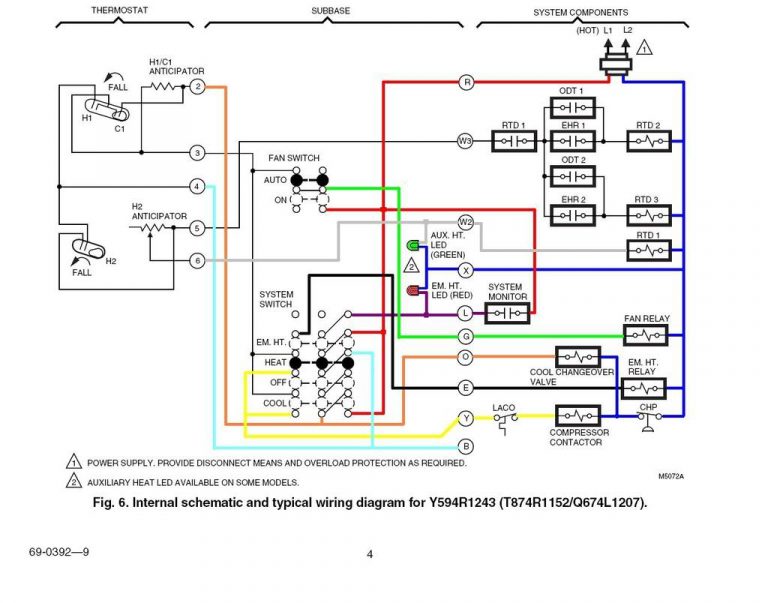
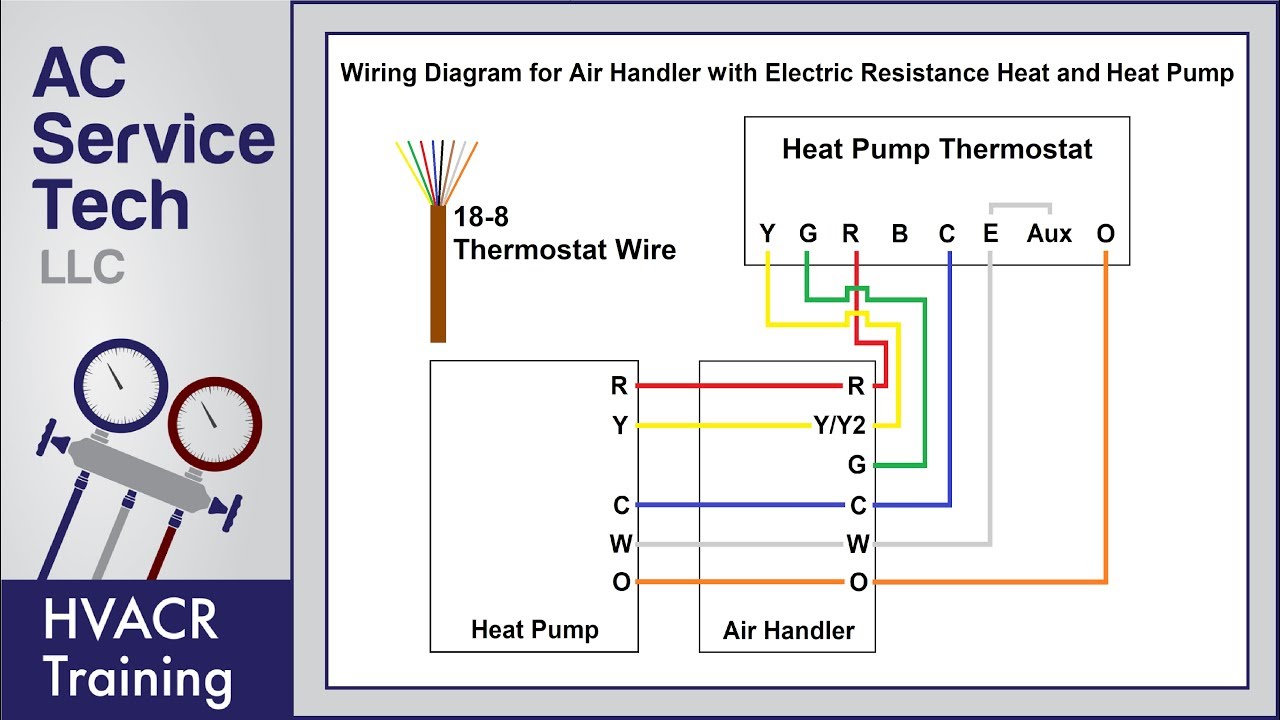
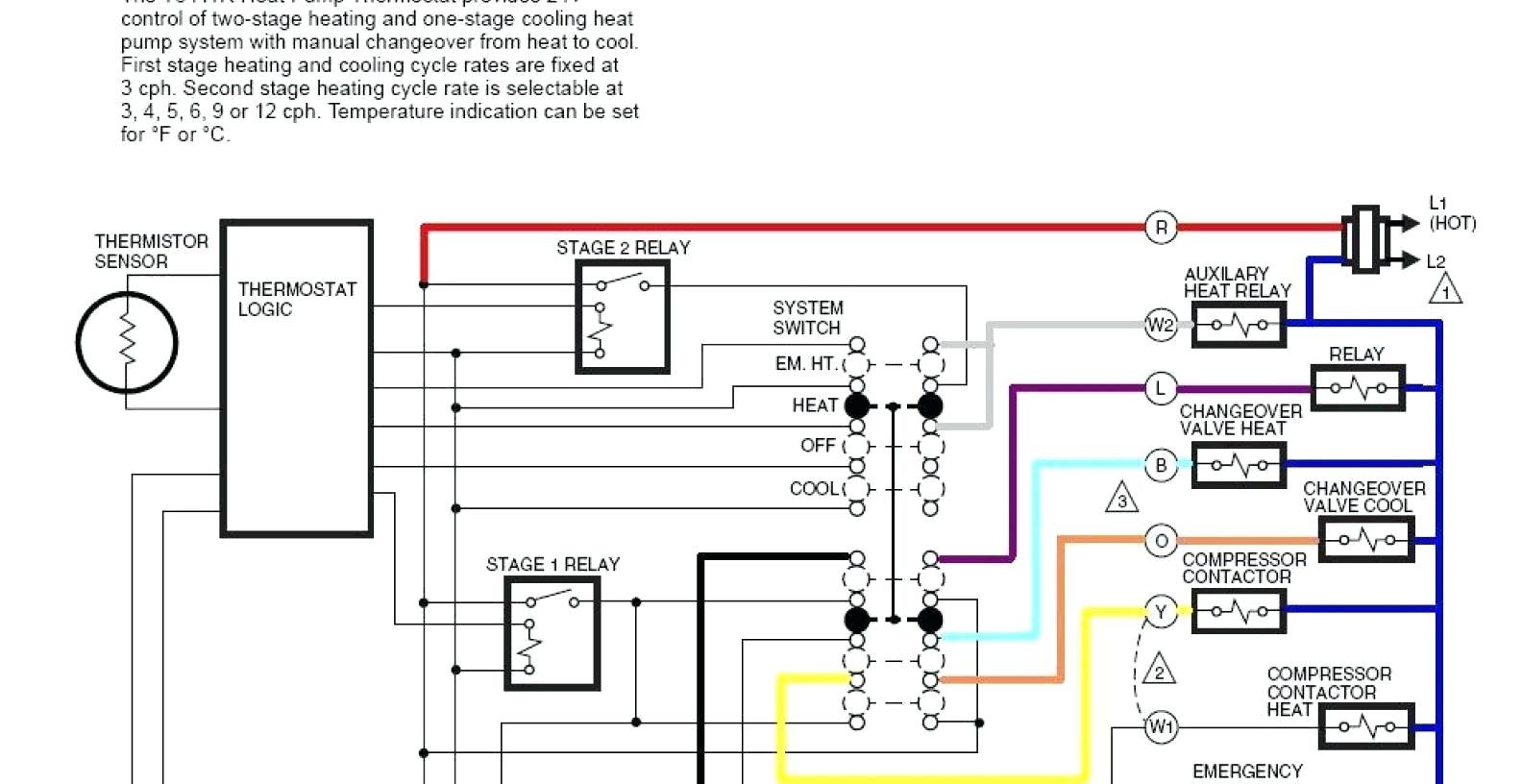
The wiring diagram serves as the blueprint for connecting the various components of the hybrid system, ensuring seamless communication and operation. While specific diagrams vary based on the manufacturer and model, some key elements are common:
- Thermostat Wiring: The thermostat is the brain of the system, controlling both the heat pump and the gas furnace. Common thermostat wires include:
- R (Red): 24VAC power supply
- C (Common): 24VAC common wire, providing a return path for the power supply. Many smart thermostats require a "C" wire.
- Y (Yellow): Cooling signal
- W (White): Heating signal (typically for the gas furnace)
- G (Green): Fan signal
- O/B (Orange/Blue): Reversing valve signal (controls heating/cooling mode of the heat pump) – the specific wire depends on the manufacturer.
- Aux/E (Auxiliary/Emergency Heat): Used to activate a backup heating source, such as electric resistance heat, or in some cases, to force the gas furnace on.
- Heat Pump Wiring: The heat pump receives signals from the thermostat and communicates with the gas furnace. Typical connections include:
- Power supply (typically 240VAC).
- Communication wires to the thermostat.
- Reversing valve control (O/B).
- Fan control.
- Defrost control (initiates defrost cycles to remove ice buildup on the outdoor coil).
- Gas Furnace Wiring: The gas furnace receives signals from the thermostat and the heat pump to initiate heating. Key connections involve:
- Power supply (typically 120VAC).
- Gas valve control.
- Ignition control.
- Fan control.
- Limit switches (safety devices that shut off the furnace if it overheats).
Important Safety Note: Working with electrical wiring can be dangerous. Always disconnect power before working on any HVAC system components. If you're not comfortable working with electrical wiring, consult a qualified HVAC technician.
Wiring Configurations and Considerations
Several wiring configurations exist for heat pump and gas furnace setups. Some thermostats are specifically designed for hybrid systems, offering simplified wiring and control. Other configurations require more complex wiring and potentially a separate control module to manage the transition between the heat pump and the gas furnace.
Balance Point Temperature: The "balance point" is the outdoor temperature at which the heat pump's heating capacity equals the building's heat loss. Below this temperature, the heat pump struggles to maintain the desired indoor temperature. A properly configured hybrid system switches to the gas furnace when the outdoor temperature falls below the balance point, optimizing efficiency. The balance point is typically configured on the thermostat or control board.
Staging: Some hybrid systems offer staging capabilities, allowing for gradual transitions between heating sources. For example, the system might initially engage a lower stage of the gas furnace before switching to full capacity. This can improve comfort and efficiency.
The ROI of Hybrid Heating: Savings You Can See
The initial investment in a hybrid heating system is often higher than that of a conventional gas furnace. However, the long-term energy savings can quickly offset the upfront cost. Here’s how:
- Reduced Energy Consumption: Heat pumps consume significantly less energy than gas furnaces during milder temperatures.
- Lower Utility Bills: By strategically using the most efficient heating source based on outdoor temperature, hybrid systems minimize energy consumption and lower monthly utility bills.
- Potential Rebates and Incentives: Many utility companies and government agencies offer rebates and incentives for installing energy-efficient HVAC systems, including heat pumps. Check with your local utility company and explore federal tax credits for energy efficiency upgrades to offset the initial investment. Energy Star provides resources for finding rebates and incentives.
A homeowner in a climate with moderate winters might save hundreds of dollars per year on heating costs by switching to a hybrid system. Data from the U.S. Energy Information Administration (EIA) shows significant regional variations in natural gas and electricity prices, further emphasizing the potential for cost savings in specific areas.
Beyond energy savings, hybrid systems can also improve indoor air quality. Heat pumps typically include air filters that remove dust, pollen, and other allergens from the air, creating a healthier indoor environment.
Smart HVAC Integration: Taking Control of Your Comfort
Integrating smart technology with your hybrid heating system elevates its performance and enhances control. Smart thermostats, sensors, and connected apps provide a wealth of benefits:
- Remote Control: Adjust your thermostat settings from anywhere using your smartphone or tablet.
- Customized Scheduling: Create personalized heating schedules that align with your lifestyle and occupancy patterns.
- Geofencing: Automatically adjust the thermostat based on your location, saving energy when you're away from home.
- Energy Monitoring: Track your energy consumption in real-time, identify areas for improvement, and optimize your system's performance.
- Smart Sensors: Deploy sensors throughout your home to monitor temperature and humidity levels, ensuring consistent comfort and preventing energy waste.
Smart thermostats can also learn your heating and cooling preferences over time, automatically adjusting settings to optimize comfort and efficiency. Furthermore, many smart thermostats offer integration with other smart home devices, such as lighting and security systems, creating a seamless and connected ecosystem.
Benefits of Choosing a Smart Thermostat
Several smart thermostats on the market cater specifically to hybrid systems, providing advanced control and optimization features. These thermostats often include algorithms that learn the optimal balance point for your home and automatically switch between the heat pump and gas furnace based on real-time weather conditions. They can also provide detailed energy usage reports, allowing you to fine-tune your system and maximize savings.
A smart thermostat can make the most out of your home's or business's hybrid HVAC system to deliver ROI with a reduced carbon footprint.
Choosing the Right HVAC Contractor: Expertise Matters
Installing and maintaining a hybrid heating system requires specialized expertise. Selecting a qualified HVAC contractor is essential to ensure proper installation, configuration, and ongoing maintenance. Look for a contractor with:
- Experience with Hybrid Systems: Ask about their experience installing and servicing heat pump/gas furnace combinations.
- Certifications: Verify that the contractor holds relevant certifications, such as NATE (North American Technician Excellence).
- Reputation: Check online reviews and ask for references from previous customers.
- Warranty: Ensure the contractor offers a warranty on their work.
A knowledgeable contractor can assess your home's heating and cooling needs, recommend the appropriate hybrid system, and ensure that it is properly wired and configured for optimal performance.
Final Thoughts: Embrace Hybrid Heating for a Sustainable Future
Hybrid heating systems represent a significant step toward energy efficiency and cost savings. By understanding the wiring diagram, embracing smart technology, and partnering with a qualified HVAC contractor, you can unlock the full potential of these systems and enjoy a more comfortable and sustainable future. With careful planning, consumers and commercial businesses can benefit from tax rebates and credits when upgrading to more efficient and sustainable systems. Transitioning to a hybrid system can provide an excellent ROI with a smaller impact on the environment.