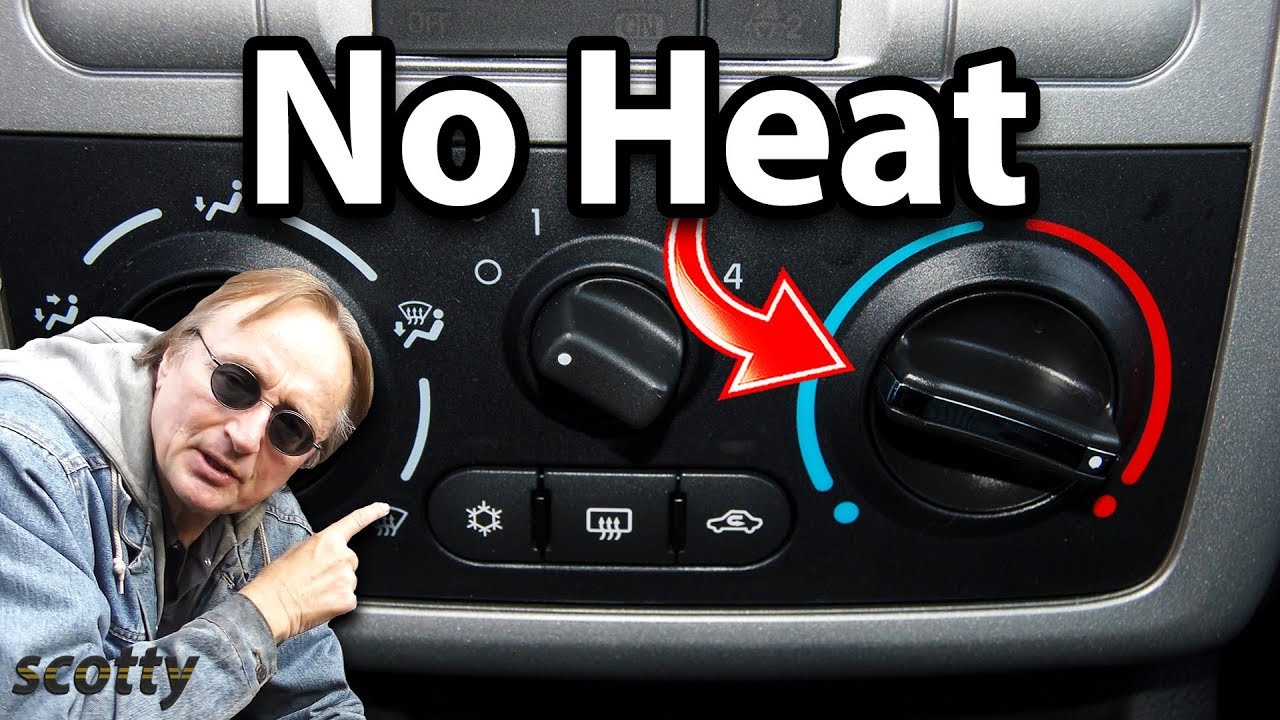
Heater Is On But No Heat

Heater Is On But No Heat: Troubleshooting and Career Insights for HVAC Professionals
One of the most common calls an HVAC technician receives during the colder months is, "My heater is on, but there's no heat!" This seemingly simple problem can stem from a variety of issues, ranging from a simple thermostat setting to a major component failure. Understanding the root cause, applying diagnostic skills, and providing effective solutions are crucial skills for any successful HVAC professional.
Understanding the Problem: A Technician's Perspective
When a customer reports "no heat," the first step is thorough questioning. Gather information about the system type (gas furnace, heat pump, electric resistance), recent maintenance, unusual noises, and thermostat settings. This initial triage can significantly narrow down the potential culprits.
Here are some common causes, categorized by system type:
Gas Furnace
- Pilot Light/Ignition Issues: A malfunctioning pilot light (on older units) or faulty electronic ignition can prevent the main burner from firing. Dirty flame sensors are a frequent cause.
- Gas Valve Problems: A faulty gas valve may not be opening properly, restricting gas flow to the burner.
- Flame Rollout Switch: This safety switch shuts down the furnace if flames are detected outside the combustion chamber. A tripped switch indicates a potential backdraft issue.
- Limit Switch: A clogged filter or blocked vents can cause the furnace to overheat, tripping the limit switch and shutting off the burner. This is a crucial safety feature.
- Blower Motor Problems: While the burner might be firing, a faulty blower motor won't circulate the heat, leading to a perception of "no heat." This can be due to a bad motor, capacitor, or wiring issue.
- Dirty Air Filter: A consistently overlooked issue, a dirty air filter restricts airflow, causing the furnace to overheat and potentially trigger safety shutoffs.
Heat Pump
- Refrigerant Leaks: Low refrigerant levels reduce the heat pump's ability to transfer heat effectively. This often requires specialized leak detection and repair skills.
- Reversing Valve Problems: The reversing valve switches the flow of refrigerant to provide heating or cooling. A stuck or malfunctioning valve can leave the heat pump stuck in cooling mode.
- Compressor Issues: The compressor is the heart of the heat pump. A failing compressor can significantly reduce heating capacity or prevent it from working altogether.
- Defrost Cycle Issues: Heat pumps need to defrost periodically in cold weather. A malfunctioning defrost cycle can lead to ice buildup and reduced heating performance.
- Auxiliary Heat Malfunction: When outdoor temperatures drop significantly, heat pumps rely on auxiliary electric resistance heaters. If these heaters fail, the system will struggle to provide adequate heat.
Electric Resistance Heater
- Failed Heating Elements: Electric heaters rely on resistance coils to generate heat. These coils can burn out over time.
- Thermostat Problems: A faulty thermostat may not be properly signaling the heating elements to turn on.
- Wiring Issues: Loose or damaged wiring can prevent power from reaching the heating elements.
- Breaker Trips: Overloaded circuits can cause the breaker to trip, cutting off power to the heater.
Diagnostic Tools and Techniques
HVAC technicians rely on a range of tools and techniques to diagnose heating problems:
- Multimeter: Used to measure voltage, current, and resistance to identify electrical faults.
- Manometer: Used to measure gas pressure to ensure proper gas flow to the burner.
- Refrigerant Gauges: Used to measure refrigerant pressure and diagnose refrigerant leaks.
- Infrared Thermometer: Used to identify hot spots or cold spots, indicating potential component failures.
- Combustion Analyzer: Used to measure the efficiency and safety of gas combustion.
- Visual Inspection: A careful visual inspection can often reveal obvious problems such as damaged wiring, loose connections, or clogged vents.
Career Paths and Opportunities in HVAC
The HVAC industry offers a wide range of career paths, from entry-level installer positions to highly specialized roles in system design and energy management. Here are some examples:
- HVAC Installer: Installs new heating and cooling systems in residential and commercial buildings. Requires strong mechanical skills and knowledge of building codes.
- HVAC Service Technician: Diagnoses and repairs existing heating and cooling systems. Requires excellent troubleshooting skills and customer service skills.
- HVAC Maintenance Technician: Performs preventative maintenance on heating and cooling systems to ensure optimal performance and longevity.
- HVAC Sales Engineer: Designs and sells HVAC systems to commercial and industrial clients. Requires strong technical knowledge and sales skills.
- HVAC Project Manager: Manages the installation of large-scale HVAC projects, coordinating with contractors, engineers, and clients.
HVAC Industry Statistics and Job Outlook
The Bureau of Labor Statistics projects a 5% growth in employment for HVACR mechanics and installers from 2022 to 2032. This growth is driven by factors such as new construction, increasing demand for energy-efficient systems, and the need to replace aging equipment.
According to the BLS, the median annual wage for HVACR mechanics and installers was $59,620 in May 2023. The highest 10 percent earned more than $86,600. Salary can vary depending on experience, location, and specialization.
The Importance of Certifications
Certifications play a crucial role in demonstrating competency and enhancing career prospects in the HVAC industry.
- NATE (North American Technician Excellence): NATE certification is widely recognized as a mark of excellence for HVAC technicians. It demonstrates that a technician has the knowledge and skills to install, service, and maintain HVAC systems properly.
- EPA 608 Certification: Required by the EPA for technicians who handle refrigerants. This certification ensures that technicians understand the proper procedures for handling refrigerants and preventing ozone depletion.
- HVAC Excellence: Offers a range of certifications for HVAC technicians, covering various areas of expertise.
- State and Local Licenses: Many states and municipalities require HVAC technicians to be licensed. Licensing requirements vary by location.
Achieving these certifications demonstrates a commitment to professionalism and enhances employability, and often translates to higher earning potential.
Real-World Career Examples
Example 1: Maria's Journey from Apprentice to HVAC Manager
Maria started her career as an HVAC apprentice, working alongside experienced technicians. She earned her EPA 608 certification and then pursued NATE certification. Through hard work and dedication, she progressed to become a service technician, specializing in residential systems. After several years of experience, she moved into a management role, overseeing a team of technicians and managing HVAC projects. Maria now earns upwards of $80,000 per year and enjoys a rewarding career in the HVAC industry.
Example 2: David's Specialization in Commercial HVAC
David initially worked as a residential HVAC installer. However, he was drawn to the complexity and challenges of commercial HVAC systems. He pursued additional training and certifications in commercial refrigeration and building automation. David now works as a commercial HVAC technician, servicing large-scale systems in office buildings, hospitals, and industrial facilities. His specialized skills have allowed him to command a higher salary and work on cutting-edge technology.
Staying Ahead of the Curve: Industry Trends
The HVAC industry is constantly evolving, driven by new technologies, changing regulations, and increasing demand for energy-efficient solutions. HVAC professionals must stay up-to-date on the latest trends to remain competitive.
- Smart HVAC Systems: The integration of smart technology into HVAC systems is rapidly increasing. Smart thermostats, sensors, and controls allow for more precise temperature control, energy savings, and remote monitoring.
- Variable Refrigerant Flow (VRF) Systems: VRF systems are becoming increasingly popular for commercial buildings. These systems offer precise zoning control and energy efficiency.
- Geothermal Heating and Cooling: Geothermal systems offer a sustainable and energy-efficient alternative to traditional HVAC systems.
- Refrigerant Regulations: Regulations regarding refrigerants are becoming stricter, with a focus on phasing out refrigerants with high global warming potential. HVAC technicians must be knowledgeable about the latest refrigerant regulations and handling procedures.
Continuous learning and professional development are essential for success in the HVAC industry. Taking courses, attending workshops, and staying active in industry associations can help HVAC professionals stay ahead of the curve and advance their careers.
Troubleshooting Checklist: "Heater Is On But No Heat"
Here's a quick checklist for troubleshooting a "no heat" situation:
- Thermostat: Ensure the thermostat is set to "heat" and the temperature is set above the current room temperature. Check thermostat batteries.
- Air Filter: Check and replace the air filter if it is dirty.
- Circuit Breaker: Check the circuit breaker for the furnace or heat pump to ensure it has not tripped.
- Emergency Shut-Off Switch: Ensure the emergency shut-off switch (usually located near the furnace) is in the "on" position.
- Pilot Light (Gas Furnace): Check if the pilot light is lit (for older furnaces).
- Outdoor Unit (Heat Pump): Check the outdoor unit for ice buildup (if applicable).
If these basic checks don't resolve the issue, it's time to call a qualified HVAC technician.
In conclusion, diagnosing and resolving a "heater is on but no heat" situation requires a systematic approach, a solid understanding of HVAC systems, and the right tools and techniques. By investing in education, certifications, and continuous learning, HVAC professionals can build successful and rewarding careers in this growing and dynamic industry. Remember the importance of NATE certification and EPA 608 certification, as these are key to career advancement. The HVAC field offers diverse opportunities for skilled individuals, and with dedication and expertise, you can thrive in this essential profession.