Heating Element For Furnace
One chilly evening, you turn up your thermostat, expecting the familiar warmth to fill your home. Instead, nothing happens. Or perhaps you feel a slight breeze, but it's undeniably cold. A common culprit behind this frustrating scenario is a malfunctioning heating element within your furnace. This article will guide you through some basic troubleshooting steps you can take to identify and potentially resolve the issue, while emphasizing the importance of safety and when to call a professional.
Understanding Your Furnace and Heating Element
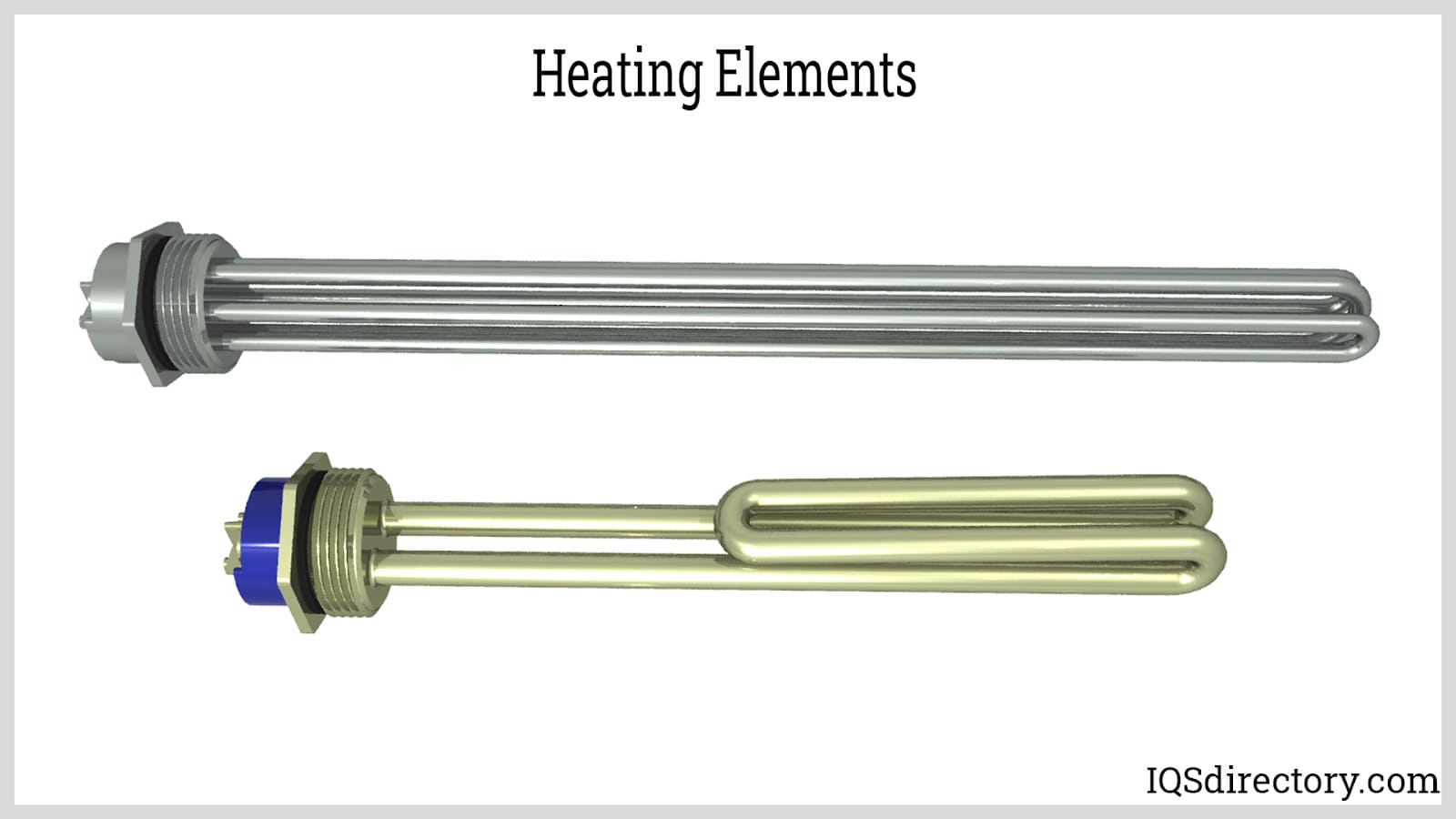
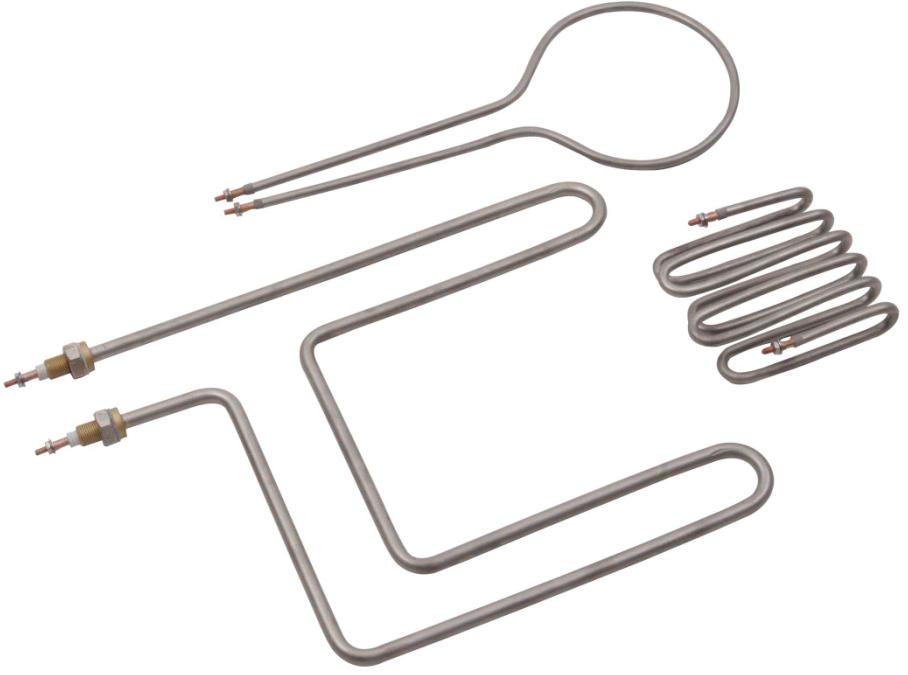
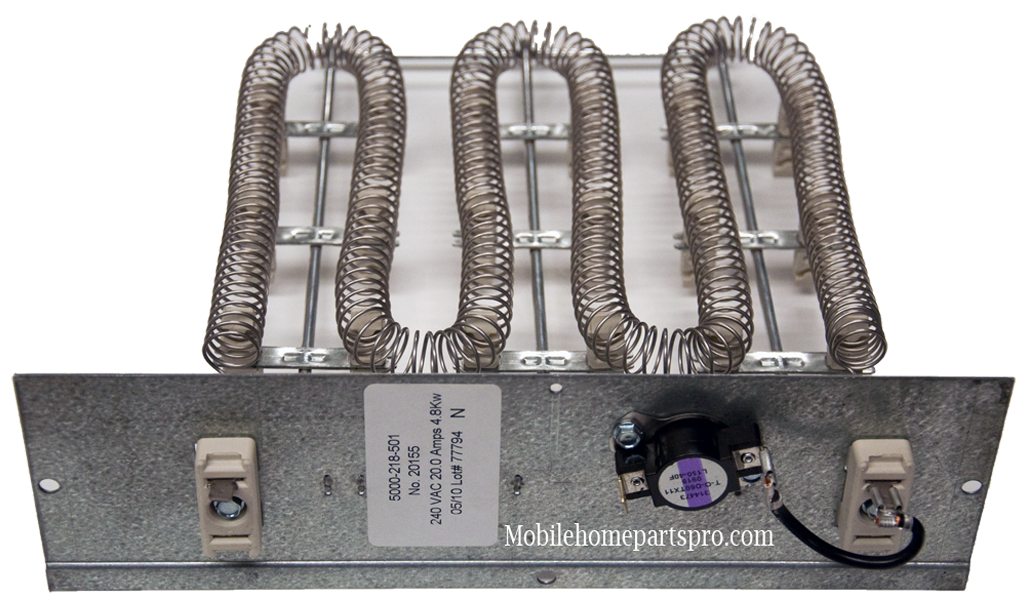
Before diving in, it’s helpful to understand the basics. Furnaces come in different types, most commonly gas or electric. A gas furnace uses a burner to ignite gas, which then heats a heat exchanger. An electric furnace, on the other hand, utilizes heating elements – essentially large, high-resistance coils – that heat up when electricity passes through them, similar to a giant toaster. This heated air is then blown through your home via a blower fan.
The heating element is crucial. If it fails, your furnace won't produce heat. Identifying the problem early can save you from a costly repair bill and a cold night.
Safety First!
Working with electricity and gas is inherently dangerous. Before attempting any troubleshooting, remember these crucial safety precautions:
- Turn off the power: Locate the circuit breaker that controls your furnace and switch it to the "OFF" position. This is your most important safety measure.
- Turn off the gas supply: If you have a gas furnace, locate the gas shut-off valve near the furnace and turn it off.
- Wait a few minutes: Allow the furnace to cool down completely before touching any components.
- Use proper tools: Have a multimeter, screwdriver set, and flashlight readily available.
- Wear safety glasses and gloves: Protect your eyes and hands from potential hazards.
- Never work alone: Having someone nearby in case of an emergency is always a good idea.
- If in doubt, call a professional: If you are uncomfortable with any of these steps, or if you suspect a gas leak, STOP and call a qualified HVAC technician immediately.
Step-by-Step Troubleshooting Guide
1. Verify the Thermostat Settings
This may seem obvious, but it's often the simplest solution. Ensure your thermostat is set to "HEAT" and the temperature is set higher than the current room temperature. Also, check the batteries in your thermostat and replace them if necessary.
- Check the mode: Is it set to "HEAT" and not "COOL" or "OFF"?
- Set the temperature: Increase the temperature a few degrees above the current room temperature.
- Fan setting: Try setting the fan to "AUTO" instead of "ON." "ON" will run the fan constantly, which can make it seem like the furnace isn't heating.
- Check the batteries: Low batteries can cause the thermostat to malfunction.
If the thermostat is the issue, after addressing these points, the furnace should kick on after a few minutes.
2. Check the Circuit Breaker
Even if you already switched the breaker off, it's worth double-checking. Sometimes, breakers can trip partially and appear to be in the "ON" position but are actually not providing power. Cycle the breaker completely off and then back on.
- Locate the breaker: Find the breaker labeled "Furnace," "HVAC," or something similar in your electrical panel.
- Cycle the breaker: Turn the breaker completely OFF and then back ON.
- Test the power: If you're comfortable and have a multimeter, you can test the voltage at the breaker to ensure it's receiving power. However, this step should only be performed by someone with electrical experience.
3. Inspect the Furnace Filter
A dirty air filter can severely restrict airflow, causing the furnace to overheat and potentially damage the heating elements. A clogged filter can also trigger a safety switch to shut down the furnace.
- Locate the filter: The filter is usually located in a slot near the blower fan or where the return air duct connects to the furnace.
- Inspect the filter: If the filter is visibly dirty or clogged, replace it with a new one of the same size and type.
- Regular Maintenance: Replace your filter every 1-3 months, depending on usage and air quality.
Replacing the filter is one of the easiest and most important maintenance tasks you can perform.
4. Examine the Blower Motor
The blower motor is responsible for circulating the heated air throughout your home. If the blower motor isn't working, the heat will remain trapped in the furnace, potentially causing it to overheat and shut down.
- Listen for the motor: When the furnace is supposed to be running, listen for the blower motor. If you don't hear it, there might be an issue.
- Check the blower motor capacitor: This small cylindrical component provides the initial power to start the motor. If it's bulging or leaking, it needs to be replaced. This repair requires electrical knowledge and should be performed with caution.
- Inspect the motor windings: A burnt smell could indicate that the motor windings are damaged, requiring motor replacement.
Blower motor repairs can be complex and often require a professional.
5. Check the Limit Switch
The limit switch is a safety device that shuts down the furnace if it gets too hot. It's usually located near the heating elements or heat exchanger. If the furnace is overheating due to poor airflow or a malfunctioning blower motor, the limit switch may trip.
- Locate the limit switch: It's usually a small, rectangular device with a button or lever.
- Reset the switch: Some limit switches have a reset button. If yours does, try pressing it to reset the switch.
- Investigate the cause: If the limit switch trips repeatedly, it indicates a more serious problem, such as poor airflow, a malfunctioning blower motor, or a faulty limit switch itself.
Repeatedly tripping limit switches signal a problem that needs professional attention.
6. Inspect the Heating Elements (Electric Furnaces Only)
If you have an electric furnace, you can visually inspect the heating elements for damage. Ensure the power is OFF at the breaker before proceeding!
- Locate the heating elements: They are usually located behind a panel in the furnace.
- Visually inspect: Look for any signs of damage, such as breaks, cracks, or burn marks.
- Test with a multimeter: If you have a multimeter and are comfortable using it, you can test the continuity of each heating element. A reading of "OL" or infinite resistance indicates a broken element.
Replacing heating elements can be a DIY project for experienced homeowners, but it's crucial to follow safety precautions and purchase the correct replacement part. Be sure to record the make and model of your furnace, and the specific part number for the heating element.
WARNING: Never attempt to repair a damaged heating element. Always replace it with a new one.
7. Checking Gas Supply (Gas Furnaces Only)
If you have a gas furnace, ensure the gas supply is turned on and that there are no issues with your gas line. If you smell gas at any time, immediately evacuate the area and call your gas company.
- Check the gas shut-off valve: Make sure the valve near the furnace is in the "ON" position.
- Check other gas appliances: Verify that other gas appliances in your home are working correctly. If they aren't, there may be a problem with your gas supply.
Working with gas lines is extremely dangerous and should only be performed by qualified professionals.
8. Flame Sensor (Gas Furnaces Only)
The flame sensor is a safety device that detects the presence of a flame in the burner. If the flame sensor doesn't detect a flame, it will shut off the gas supply to prevent a gas leak.
- Locate the flame sensor: It's usually a small, metallic rod located near the burner.
- Clean the sensor: Over time, the flame sensor can become coated with carbon buildup, which can prevent it from working properly. Gently clean the sensor with fine-grit sandpaper or steel wool.
If cleaning the flame sensor doesn't resolve the issue, it may need to be replaced by a professional.
When to Call a Professional
While these troubleshooting steps can help you identify and resolve some common furnace problems, there are certain situations where it's best to call a qualified HVAC technician:
- You smell gas.
- You are uncomfortable working with electricity or gas.
- You suspect a gas leak.
- The furnace is making strange noises.
- The furnace is repeatedly shutting down.
- You are unable to diagnose the problem.
- The problem involves complex components such as the gas valve, control board, or heat exchanger.
Preventive Maintenance
The best way to avoid furnace problems is to perform regular preventive maintenance. Here are some tips:
- Replace the air filter regularly (every 1-3 months).
- Schedule an annual furnace inspection by a qualified HVAC technician.
- Keep the area around the furnace clean and free of debris.
- Ensure proper ventilation around the furnace.
By following these troubleshooting steps and preventive maintenance tips, you can help keep your furnace running efficiently and safely, ensuring a warm and comfortable home during the colder months. Remember to prioritize safety above all else, and don't hesitate to call a professional when needed.