Heating Multiple Rooms With Wood Stove

Wood stoves offer a cozy, efficient heating solution, especially during cold winters. However, effectively heating multiple rooms with a single wood stove requires careful planning and understanding of heat transfer principles. This guide explores various techniques and considerations for maximizing your wood stove's heating potential throughout your home.
Understanding Heat Transfer and Room Layout
Before attempting to heat multiple rooms, grasp the basics of heat transfer: conduction, convection, and radiation. Wood stoves primarily utilize radiation for immediate heat, while convection distributes warm air throughout the space. Room layout significantly impacts how effectively these methods work. Open floor plans inherently allow for better heat circulation.
Factors Affecting Heat Distribution:
- Insulation: Well-insulated walls and ceilings retain heat, reducing loss.
- Room Size and Configuration: Larger rooms require more heat; oddly shaped rooms can create cold spots.
- Airflow: Obstructions like closed doors hinder natural convection.
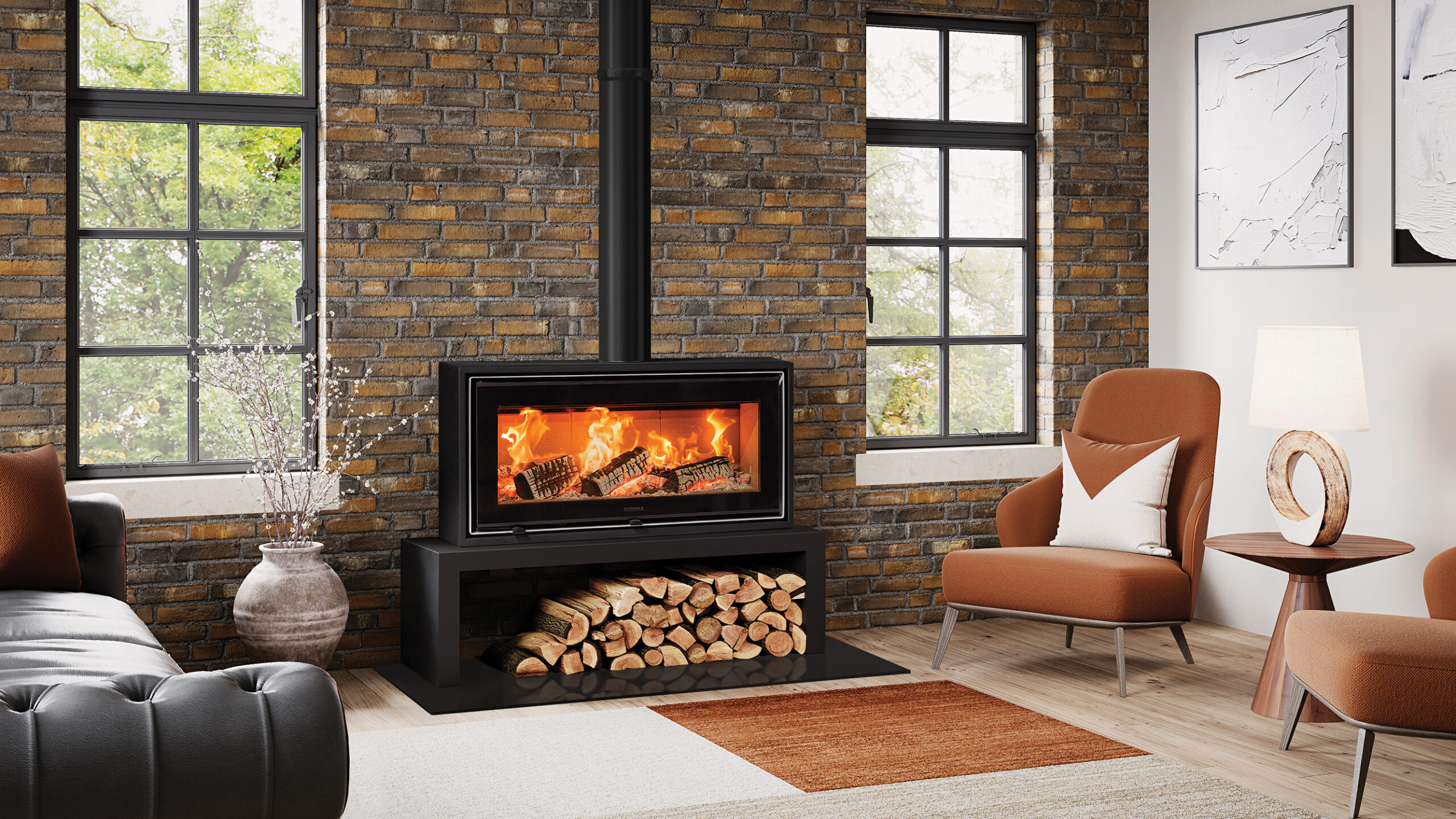
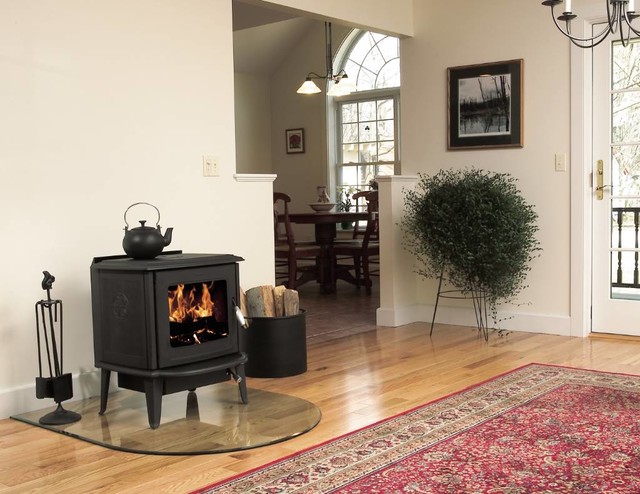
- Stove Placement: Central location maximizes radiant heat reach.
- Climate Zone: Colder climates necessitate more robust heating solutions.
Strategies for Distributing Heat
Several methods can improve heat distribution from a wood stove to multiple rooms. A combination of approaches often yields the best results.
1. Natural Convection Enhancement
Promoting natural airflow is a fundamental step. Open doorways and strategically placed fans help circulate warm air. Consider these techniques:
- Open Doorways: Keep doors open to adjacent rooms. Use door stops to prevent accidental closures.
- Strategic Fan Placement: Place a fan on the floor blowing towards the stove to circulate the cooler air at floor level, creating better air flow. Consider ceiling fans on low speed to gently push warm air down.
- High Ceilings: Ceiling fans are crucial for circulating air in rooms with high ceilings.
2. Active Heat Distribution Systems
For more controlled and efficient heat transfer, consider active systems:
- Inline Duct Fans: Install a duct fan in an existing duct run (if available) to push warm air from the stove room to other areas. Ensure proper duct sizing and insulation to minimize heat loss. This is best suited for homes with existing ductwork.
- Dedicated Ductwork: A more involved option is to install a dedicated duct system from the wood stove area. This is a significant undertaking, often requiring professional installation.
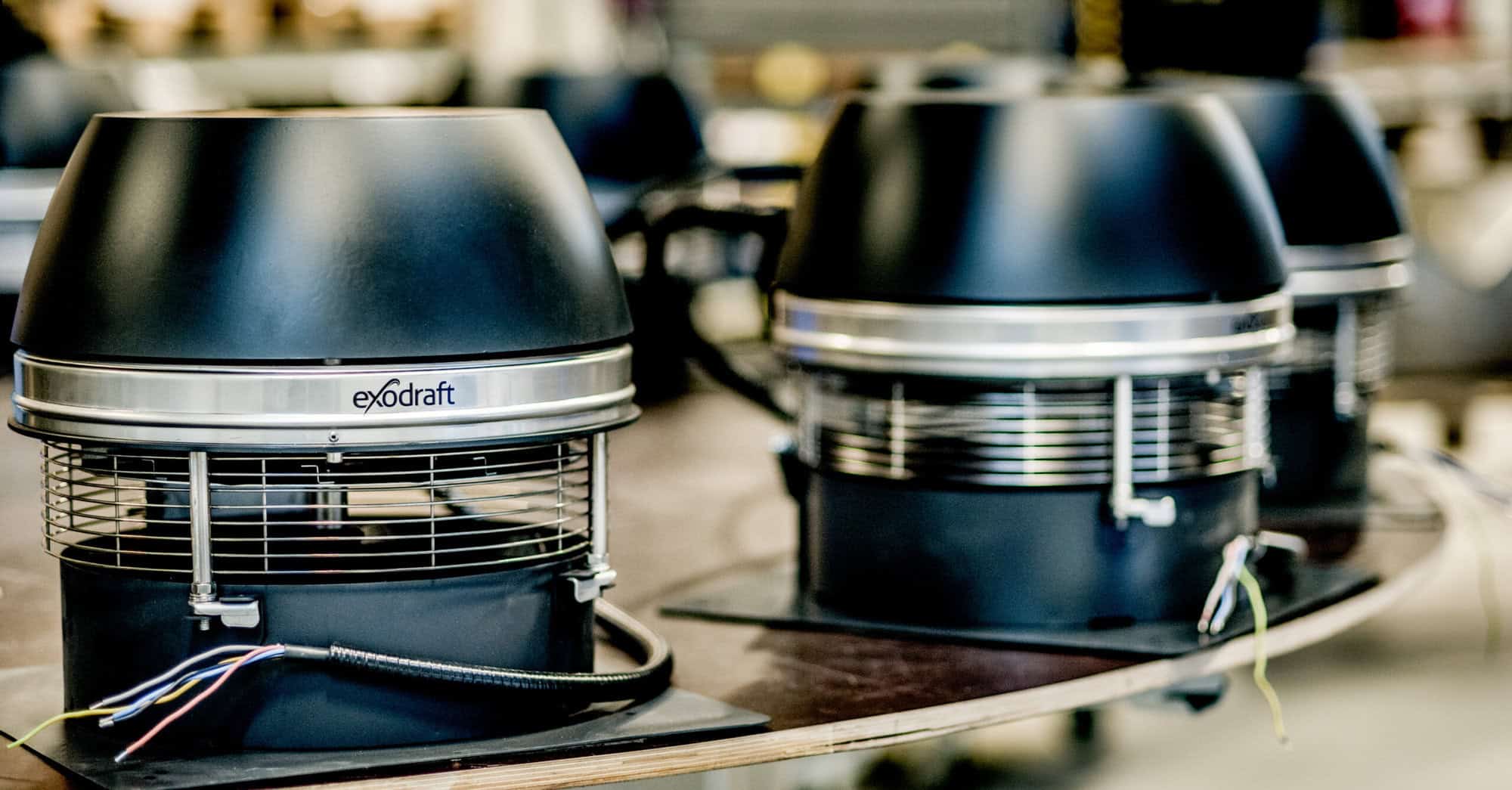
- Wood Stove Fans/Blowers: Many wood stoves have built-in or optional fans/blowers that force air around the stove's firebox, increasing convective heat output. Ensure compatibility with your specific stove model.
3. Thermal Mass Integration
Utilizing thermal mass absorbs and slowly releases heat, creating a more consistent temperature throughout the day. Suitable materials include:
- Brick or Stone Walls: Building a brick or stone wall near the wood stove absorbs radiant heat and releases it over time.
- Water Tanks: A water tank placed near the stove can absorb heat and be used for domestic hot water or radiant floor heating (requires professional plumbing).
Safety Considerations
Safety is paramount when operating a wood stove and implementing heat distribution systems.
- Carbon Monoxide Detectors: Install carbon monoxide detectors on every level of your home, especially near sleeping areas. Test them regularly.
- Smoke Detectors: Ensure smoke detectors are properly installed and functioning.
- Clearance to Combustibles: Maintain adequate clearance between the wood stove and combustible materials (walls, furniture, curtains). Consult the stove manufacturer's specifications.
- Proper Ventilation: Ensure adequate ventilation to prevent the buildup of smoke and carbon monoxide.
- Regular Chimney Cleaning: Have your chimney professionally cleaned annually to prevent creosote buildup, a fire hazard.
- Use Seasoned Wood: Burning seasoned (dry) wood reduces smoke and creosote buildup.
Troubleshooting Common Issues
1. Uneven Heating
Problem: Some rooms are significantly warmer than others.
Possible Causes: Inadequate insulation, poor airflow, improper stove placement.
Solutions: Improve insulation, open doorways, use fans, reposition the stove if possible.
2. Excessive Smoke
Problem: Excessive smoke entering the room.
Possible Causes: Improper chimney draft, wet wood, blocked chimney.
Solutions: Ensure proper chimney draft, use seasoned wood, clean the chimney.
3. Creosote Buildup
Problem: Excessive creosote buildup in the chimney.
Possible Causes: Burning unseasoned wood, low stove temperatures, improper chimney draft.
Solutions: Use seasoned wood, maintain proper stove temperatures, improve chimney draft, schedule regular chimney cleaning.
4. Cold Room
Problem: One room consistently stays cold despite efforts to distribute heat.
Possible Causes: Poor insulation, drafts, distance from the stove.
Solutions: Improve insulation, seal drafts, consider a space heater for that room or further active heat distribution strategies.
When to Call a Professional
While some adjustments are DIY-friendly, certain situations require professional assistance:
- Chimney Inspections and Cleaning: Always hire a certified chimney sweep for inspections and cleaning.
- Ductwork Installation: Installing or modifying ductwork requires expertise in HVAC systems.
- Complex Wiring: Electrical work related to stove blowers or fans should be performed by a qualified electrician.
- Stove Repairs: Internal stove repairs should be handled by a qualified technician.
- Suspected Carbon Monoxide Poisoning: Seek immediate medical attention.
Cost Estimates
Here's a general overview of potential costs (estimates only, actual costs vary by location and contractor):
- Chimney Cleaning: $150 - $300
- Carbon Monoxide Detector: $20 - $50
- Inline Duct Fan Installation: $200 - $500 (depending on complexity)
- Wood Stove Blower (Installation included): $100 - $400
- Professional HVAC Consultation: $75-$200 per hour
Disclaimer: Prices are estimates only and do not include regional price variation. Always obtain quotes from local qualified technicians before making any decisions.
Conclusion
Heating multiple rooms with a wood stove involves understanding heat transfer, implementing appropriate distribution strategies, and prioritizing safety. By carefully evaluating your home's layout, insulation, and airflow, you can optimize your wood stove's heating potential and enjoy a warm, comfortable environment throughout the winter. Remember to prioritize safety and consult with qualified professionals for complex installations or repairs. While wood stoves are effective supplemental heating solutions, using them as your primary heat source across a large home can be challenging and may still require supplemental heat options, especially during extreme cold.