Heil Furnace Blinking Yellow Light
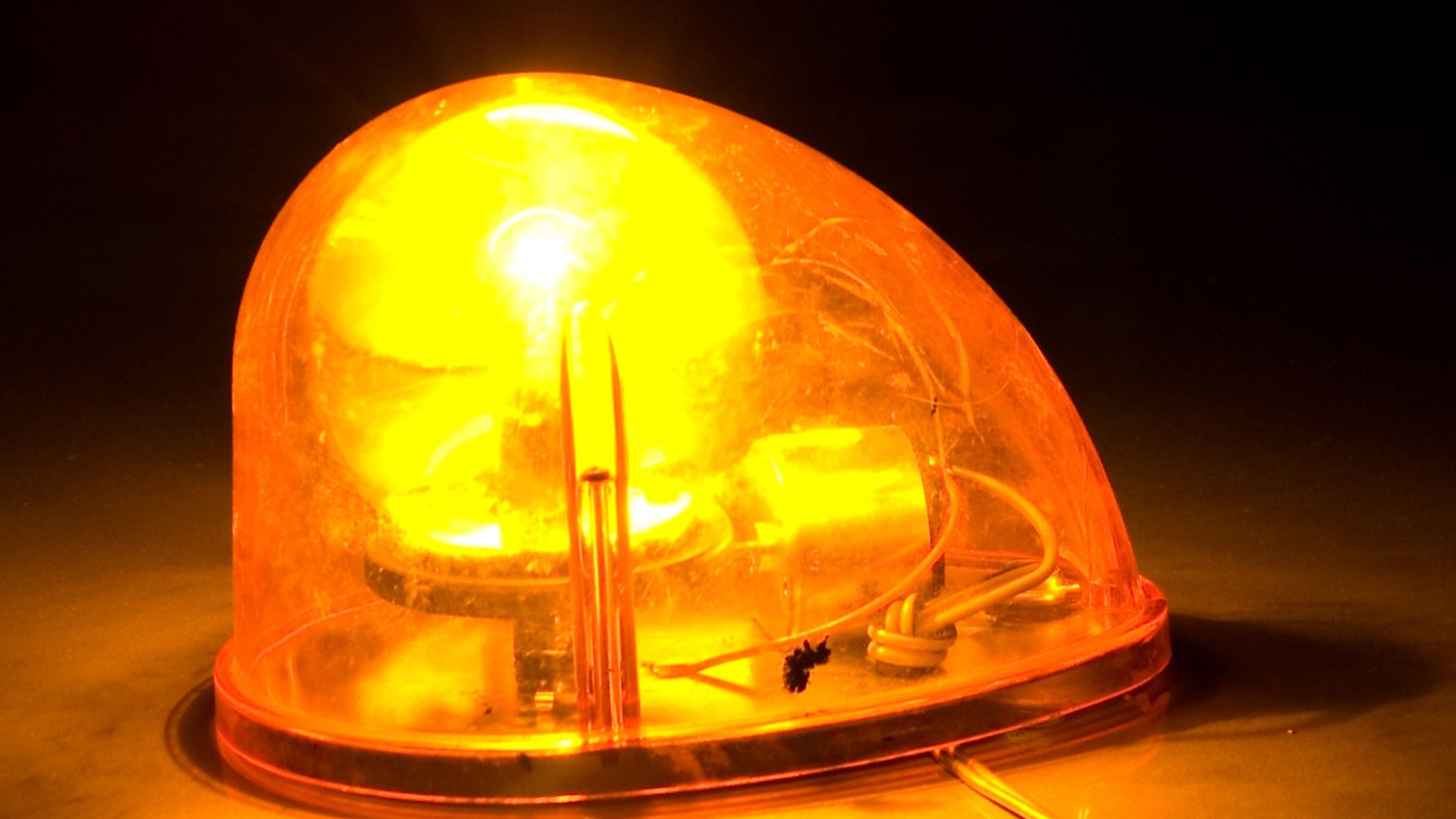
A blinking yellow light on your Heil furnace can be a frustrating sight, especially when you're trying to stay warm and save on energy bills. It's the furnace's way of telling you something isn't quite right, and ignoring it could lead to bigger, more expensive problems down the line. This article will guide you through understanding what a blinking yellow light on your Heil furnace means, how to troubleshoot common issues, and when it's time to call in a professional. We'll also explore how proactive maintenance and smart technology can help prevent future problems and optimize your furnace's energy efficiency, saving you money in the long run.
Understanding the Heil Furnace Blinking Yellow Light Codes
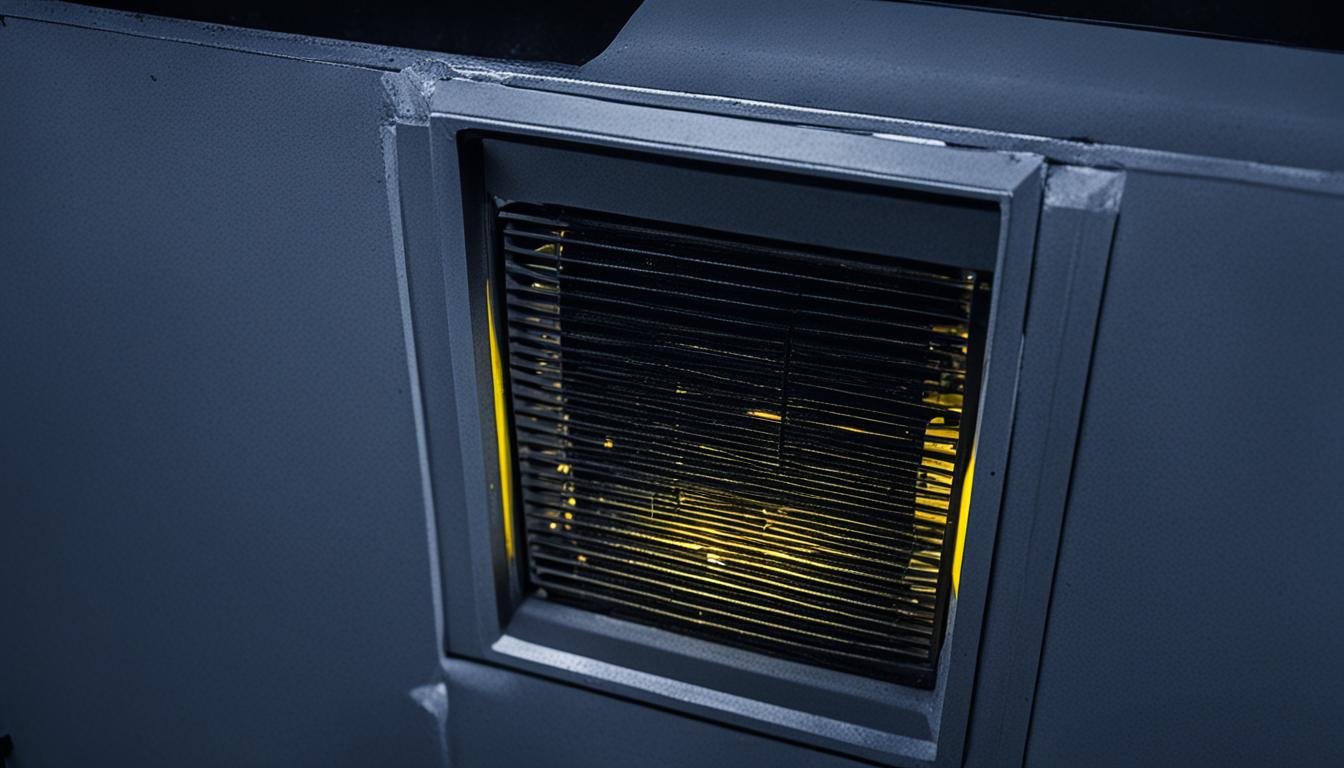
The blinking yellow light on your Heil furnace is a diagnostic tool, communicating a specific fault code. The number of blinks, or the pattern of blinks, corresponds to a particular issue. Think of it as your furnace speaking in Morse code. Each manufacturer, and sometimes even specific models within a brand, uses different codes. Therefore, the first and most crucial step is to locate the diagnostic code chart for your specific Heil furnace model. This is usually found on a sticker inside the furnace's access panel.
Here are some of the most common Heil furnace blinking yellow light codes and their potential meanings. Keep in mind these are general examples; always refer to your furnace's specific documentation:
- One Blink: Usually indicates a flame rollout error. This means the flame is escaping from the combustion chamber, a potentially dangerous situation.
- Two Blinks: Often signifies a pressure switch problem. The pressure switch ensures that the venting system is working correctly before the furnace ignites.
- Three Blinks: Can point to a limit switch issue. The limit switch prevents the furnace from overheating.
- Four Blinks: Frequently indicates a flame sensing problem. The furnace isn't detecting the flame after ignition.
- Continuous Blink: This might indicate a system lockout, often triggered by repeated unsuccessful ignition attempts.
Important: Never attempt to troubleshoot or repair your furnace if you're not comfortable working with electrical and gas systems. Improper handling can be dangerous and could void your warranty.
Troubleshooting Common Issues
Once you've identified the fault code, you can begin to troubleshoot the issue. Here are a few common problems and potential solutions you can try before calling a professional:
Flame Rollout Error (One Blink, Example)
- Check for obstructions: Make sure there are no obstructions blocking the furnace's vents or air intakes. Blockages can cause the flame to roll out.
- Inspect the burner: Carefully inspect the burner for any signs of damage or corrosion.
- Ensure proper ventilation: Ensure that the room where the furnace is located has adequate ventilation.
- Call a professional: If you suspect a flame rollout issue, it's best to call a qualified HVAC technician immediately. This can be a dangerous issue.
Pressure Switch Problem (Two Blinks, Example)
- Check the venting system: Inspect the venting system for any blockages or leaks. Birds' nests, debris, or disconnected pipes can cause pressure switch issues.
- Inspect the pressure switch: Check the pressure switch for any signs of damage or corrosion.
- Clean the pressure switch hose: The small hose connecting the pressure switch to the furnace can become clogged. Carefully disconnect the hose and blow it out to remove any debris.
- Consult a professional: If these steps don't resolve the issue, a faulty pressure switch might need to be replaced by a qualified technician.
Flame Sensing Problem (Four Blinks, Example)
- Clean the flame sensor: The flame sensor is a small metal rod located near the burner. It can become coated with soot, preventing it from detecting the flame. Carefully clean the flame sensor with fine steel wool or sandpaper.
- Check the gas valve: Ensure the gas valve is open and supplying gas to the furnace.
- Verify proper grounding: Ensure the furnace is properly grounded. A poor ground can interfere with the flame sensor's ability to detect the flame.
- Professional Inspection: If the problem persists, the flame sensor or other components might need to be replaced by a qualified technician.
When to Call a Professional
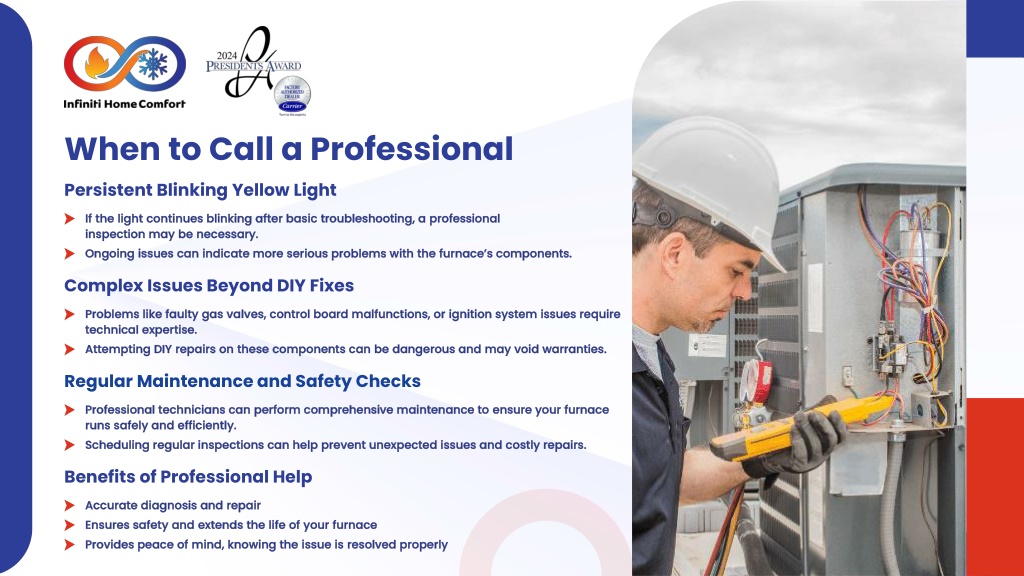
While some minor issues can be addressed yourself, it's crucial to know when to call a professional HVAC technician. Here are some situations where professional assistance is necessary:
- You're uncomfortable working with gas or electrical systems.
- You've tried the troubleshooting steps and the problem persists.
- The fault code indicates a serious issue, such as a flame rollout.
- You suspect a gas leak. If you smell gas, evacuate your home immediately and call your gas company or the fire department.
- Your furnace is old or hasn't been serviced in a long time.
Proactive Maintenance for Energy Efficiency and Cost Savings
The best way to avoid furnace problems and save on energy bills is to implement a proactive maintenance plan. Regular maintenance can identify and address potential issues before they become major problems, preventing costly repairs and ensuring your furnace operates at peak efficiency. The Energy Star program recommends annual furnace maintenance by a qualified technician.
Here are some essential maintenance tasks:
- Annual Inspection: Schedule an annual inspection by a qualified HVAC technician. They will clean and inspect the furnace's components, check for leaks, and ensure proper operation.
- Filter Replacement: Replace your furnace filter regularly, typically every one to three months, depending on the type of filter and the air quality in your home. A dirty filter restricts airflow, forcing your furnace to work harder and consume more energy.
- Vent Cleaning: Keep your furnace vents and air intakes clear of obstructions.
- Carbon Monoxide Detection: Install and maintain carbon monoxide detectors in your home. Carbon monoxide is a colorless, odorless gas that can be deadly.
Smart HVAC Integration for Enhanced Efficiency and Control
Integrating smart technology into your HVAC system can further enhance energy efficiency and provide greater control over your home's comfort. Smart thermostats, sensors, and zoning systems can optimize heating and cooling based on your occupancy patterns, weather conditions, and personal preferences. Smart thermostats can save you up to 12% on heating costs and 15% on cooling costs, according to Energy Star.
Here are some benefits of smart HVAC integration:
- Remote Control: Control your thermostat from anywhere using your smartphone or tablet.
- Automated Scheduling: Create customized heating and cooling schedules based on your occupancy patterns.
- Geofencing: Automatically adjust the temperature when you leave or approach your home.
- Energy Monitoring: Track your energy consumption and identify areas where you can save money.
- Zoning Systems: Divide your home into different zones and control the temperature in each zone independently.
Several smart thermostats are compatible with Heil furnaces, including models from Nest, Ecobee, and Honeywell. Consider investing in a smart thermostat to take control of your energy usage and save money on your heating and cooling bills.
Rebates and Incentives for Energy-Efficient Upgrades
Many utility companies and government agencies offer rebates and incentives for upgrading to energy-efficient HVAC equipment and making energy-saving improvements to your home. These rebates can significantly reduce the upfront cost of upgrading your furnace or installing a smart thermostat. Check with your local utility company and the Energy Star website to see what rebates and incentives are available in your area.
For businesses looking to upgrade to more efficient systems, commercial rebates can be even more substantial, helping offset the cost of larger, more complex HVAC installations. Consulting with an HVAC contractor specializing in energy-efficient solutions can help you navigate the available rebates and incentives and maximize your savings.
Conclusion: Staying Warm and Saving Green
A blinking yellow light on your Heil furnace shouldn't be ignored. By understanding the diagnostic codes, troubleshooting common issues, and implementing a proactive maintenance plan, you can keep your furnace running smoothly, save on energy bills, and ensure your home remains comfortable. Remember to prioritize safety and call a qualified professional when necessary. Integrating smart technology and taking advantage of rebates and incentives can further enhance your energy efficiency and help you save even more money in the long run. In the long run, a well-maintained and energy-efficient Heil furnace will not only keep you warm but also contribute to a more sustainable and cost-effective home or business.