High And Low Pressure Switch Wiring Diagram

Many homeowners experience frustrating issues with their HVAC systems, especially when they suddenly stop cooling or heating efficiently. One common culprit behind these problems involves the high and low pressure switches within the system. These switches act as crucial safety mechanisms, preventing damage to your compressor by monitoring the refrigerant pressure. A faulty switch or wiring issue can lead to system shutdowns, leaving you uncomfortable and potentially facing costly repairs. This article will guide you through troubleshooting common high and low pressure switch wiring problems, empowering you to diagnose and potentially fix minor issues yourself, while clearly indicating when a professional is necessary.
Understanding High and Low Pressure Switches
Before diving into troubleshooting, it's essential to understand the purpose of these switches.
- The high-pressure switch monitors the refrigerant pressure on the high-pressure side of the compressor (typically the discharge line). If the pressure exceeds a safe limit, the switch opens, cutting power to the compressor and preventing it from exploding. This is usually caused by blockage in condenser coils or fan motor issues.
- The low-pressure switch monitors the refrigerant pressure on the low-pressure side of the compressor (typically the suction line). If the pressure drops too low, indicating a refrigerant leak or frozen coil, the switch opens, stopping the compressor. This protects it from running dry and being damaged by vacuum.
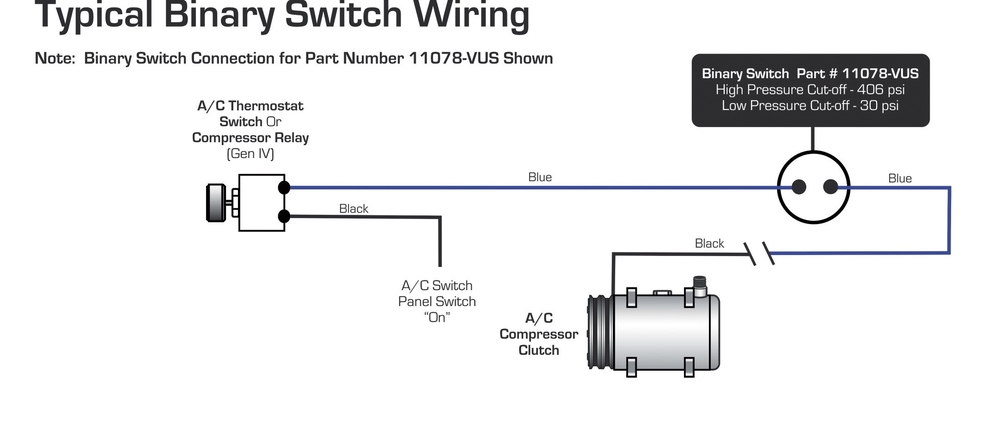
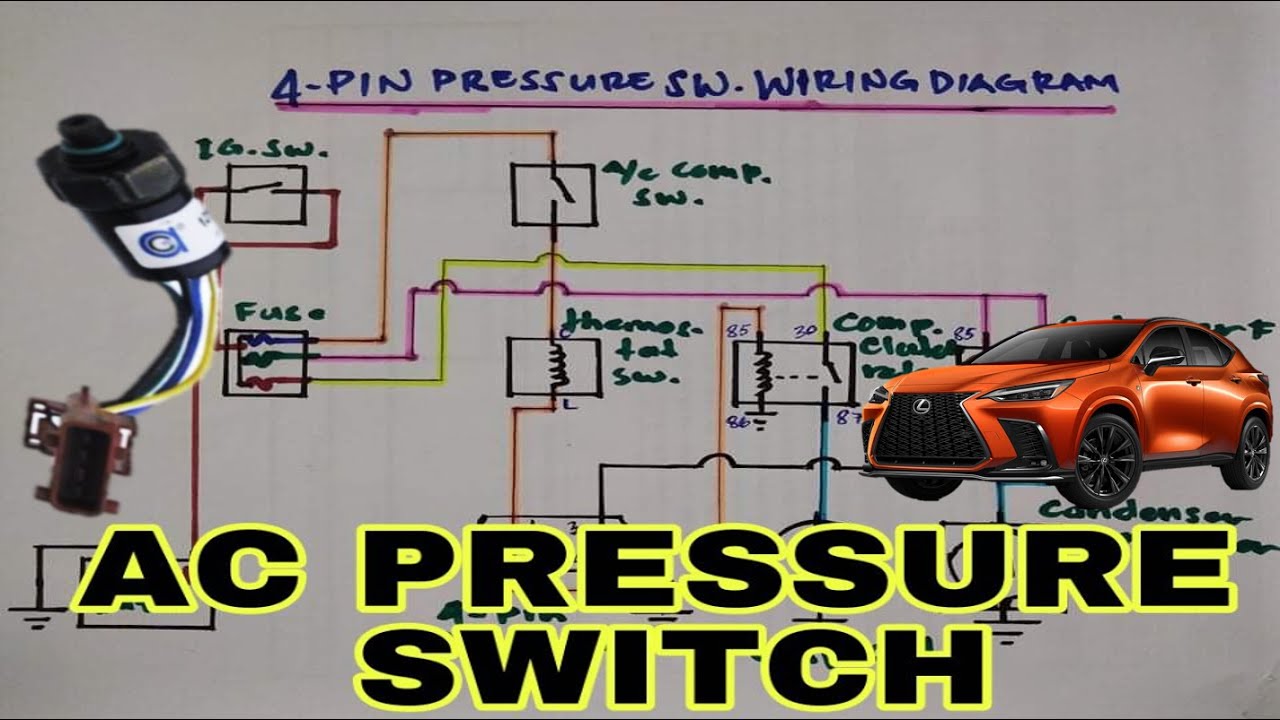
These switches are wired into the control circuit of the HVAC system, acting like gatekeepers for the compressor's operation. A wiring problem can falsely trigger these switches, even if the pressure is within the safe range.
Common Problems and DIY Diagnosis
Let's explore common issues with high and low-pressure switch wiring and how you can safely diagnose them.
Symptom: HVAC System Won't Turn On
This is a common symptom that could point to a tripped pressure switch.
Step 1: Visual Inspection.
Turn off the power to your HVAC system at the breaker box before beginning any inspection. Safety is paramount.
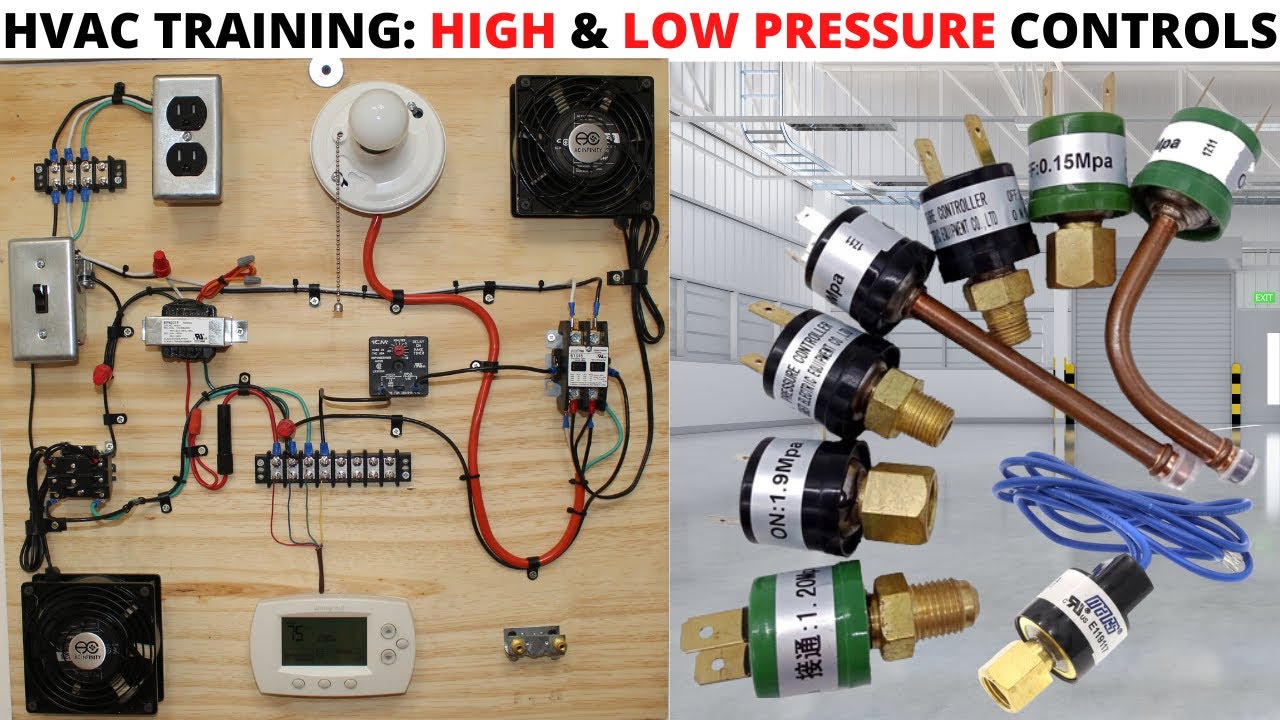
Locate the high and low-pressure switches. They are typically found near the compressor unit, often mounted on or near the refrigerant lines. They will be small, cylindrical devices with wires connected to them.
Visually inspect the wiring connected to the switches. Look for:
- Loose connections: Are any wires obviously disconnected from the switch terminals?
- Corroded terminals: Are the terminals where the wires connect rusty or covered in a green or white powder?
- Damaged wiring: Are any wires frayed, cracked, or cut?
- Burned or melted insulation: This indicates a short circuit.
Step 2: Testing for Continuity (with power OFF).
You'll need a multimeter for this step. Set it to the continuity setting (often indicated by a sound wave symbol).
Disconnect the wires from one of the pressure switches. Place one multimeter probe on one terminal of the switch and the other probe on the other terminal.
- If the multimeter shows continuity (beeps or displays a low resistance value), the switch is closed (good – if the pressure is within normal limits).
- If the multimeter shows no continuity (no beep or a high resistance value), the switch is open. This could indicate a problem. It could be either a wiring issue causing the signal loss, or the switch has tripped due to high/low pressures.
Repeat this process for the other pressure switch.
Important Note: Always label the wires you disconnect so you can reconnect them correctly. Taking a picture with your phone before disconnecting anything is also a good idea.
Symptom: Compressor Cycles On and Off Rapidly (Short Cycling)
Short cycling can be caused by a faulty pressure switch or intermittent wiring issues.
Step 1: Inspect Wiring Connections (with power OFF).
Follow the same visual inspection steps outlined above, paying close attention to any loose connections or signs of corrosion.
Step 2: Check Wire Routing.
Ensure the wires are properly routed and not rubbing against any sharp edges or moving parts. Vibration can cause wires to fray over time, leading to intermittent shorts.
Step 3: Monitor Pressure During Operation (Advanced - Requires Caution).
This step requires knowledge of HVAC systems and refrigerant pressures. Only attempt this if you are comfortable working with electricity and refrigerant lines. Otherwise, call a professional.
With the HVAC system running (carefully!), use a manifold gauge set to monitor the high and low-side refrigerant pressures. Observe if the pressures are fluctuating wildly around the normal operating range. If the pressures are normal, but the compressor is still short cycling, the issue is likely a faulty switch or a wiring problem sending false signals to the control board.
Symptom: Error Codes on Thermostat or Control Board
Many modern HVAC systems display error codes that can help pinpoint the problem.
Step 1: Consult the Manual.
Refer to your HVAC system's manual to identify the meaning of the error code. Many error codes specifically relate to high or low-pressure switch issues.
Step 2: Check Wiring Associated with the Specific Error Code.
Based on the error code, focus your attention on the wiring and connections related to the affected pressure switch. For example, if the error code indicates a "high-pressure switch fault," concentrate on inspecting the wiring connected to the high-pressure switch.
Simple DIY Fixes (with power OFF)
If you've identified any of the following issues, you might be able to resolve them yourself.
- Loose Connections: Carefully tighten any loose screw terminals on the pressure switches or control board. Ensure the wires are securely held in place.
- Corroded Terminals: Clean corroded terminals with a wire brush or terminal cleaner. Apply a small amount of electrical grease to protect them from future corrosion.
- Damaged Wiring: If a wire is frayed or has cracked insulation, you can repair it using electrical tape or, ideally, replace the damaged section of wire with a new wire of the same gauge. Always use proper wire connectors to ensure secure and reliable connections.
- Wire Routing: Secure wires properly using cable ties or clamps to prevent them from rubbing against sharp edges or moving parts.
Important Safety Tip: After making any repairs, double-check all connections to ensure they are secure and properly insulated. Turn the power back on and monitor the system's performance.
When to Call a Professional
While some wiring issues are simple to fix, certain situations require the expertise of a qualified HVAC technician.
- Refrigerant Leaks: If you suspect a refrigerant leak (e.g., you notice oily residue near the refrigerant lines or the system is consistently low on refrigerant), do not attempt to repair it yourself. Refrigerant handling requires specialized equipment and knowledge.
- Faulty Pressure Switches: If you suspect a faulty pressure switch itself (even after verifying the wiring is good), it's best to have a professional replace it. Pressure switches contain pressurized refrigerant and require proper handling.
- Complex Wiring Problems: If you're uncomfortable working with electrical wiring or the wiring is complex and difficult to trace, don't hesitate to call a professional. Incorrect wiring can damage your HVAC system or create a safety hazard.
- Compressor Issues: If you suspect the compressor itself is failing (e.g., making unusual noises or not starting), a professional diagnosis is essential. Compressor repairs are complex and often require specialized tools and knowledge.
- You Don't Understand It: If at any point during this process, you don’t understand what you're doing, stop and call a professional. It’s much better to pay for a service call than risk damaging your expensive equipment or causing personal injury.
Preventative Maintenance
Regular preventative maintenance can help prevent many high and low-pressure switch wiring problems.
- Regular Inspections: Schedule annual inspections with a qualified HVAC technician. They can identify potential wiring issues or other problems before they cause breakdowns.
- Clean Coils: Keep the outdoor condenser coils clean to ensure proper airflow and prevent high-pressure situations.
- Replace Air Filters: Regularly replace your air filters to maintain good airflow and prevent low-pressure situations caused by frozen evaporator coils.
- Protect Outdoor Unit: Protect the outdoor unit from debris and extreme weather conditions.
Conclusion
Troubleshooting high and low-pressure switch wiring problems doesn't have to be intimidating. By following these steps and exercising caution, you can diagnose and potentially fix minor issues yourself, saving you time and money. However, it's crucial to recognize when a professional is needed to ensure your safety and the longevity of your HVAC system. Remember, safety should always be your top priority.