High Temperature Spray Paint For Metal

Maintaining your HVAC system often involves dealing with metal components that are exposed to high temperatures. Whether it's your furnace, boiler, or even certain parts of your air conditioner, using the right type of paint is crucial for protecting these surfaces and ensuring their longevity. That's where high-temperature spray paint comes in. This guide will walk you through everything you need to know about high-temperature spray paint for metal, from choosing the right product to applying it safely and effectively.
Understanding High-Temperature Spray Paint
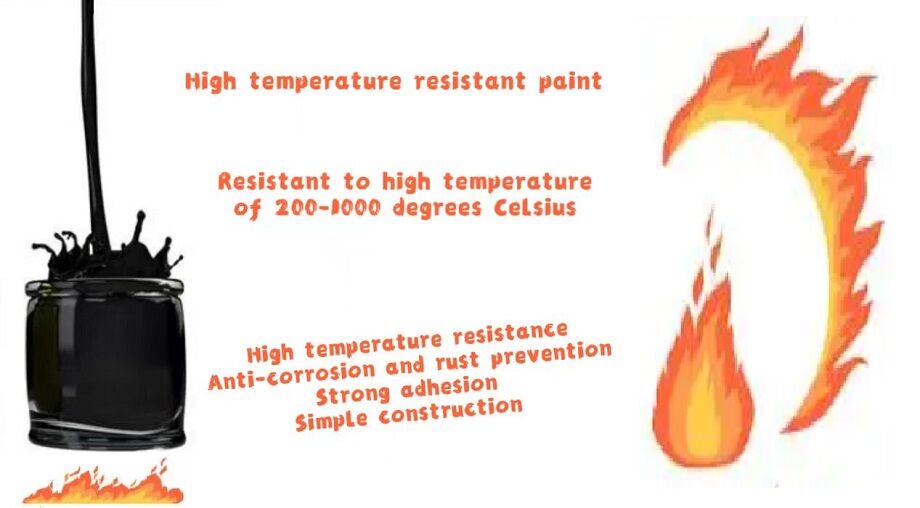
Regular paint isn't designed to withstand the extreme heat generated by HVAC systems. When exposed to these temperatures, it can blister, crack, peel, and even release harmful fumes. High-temperature spray paint, on the other hand, is formulated with special resins and pigments that can endure temperatures ranging from 500°F to 2000°F, depending on the product.
Important Note: Always check the manufacturer's specifications for the exact temperature rating of the spray paint you choose.
Types of High-Temperature Spray Paint
Several types of high-temperature spray paint are available, each with its own unique properties and applications:
- Silicone-Based Paints: These are the most common and versatile type, offering good heat resistance and durability. They are suitable for a wide range of HVAC components.
- Ceramic-Based Paints: These provide excellent heat resistance, often exceeding 2000°F. They are ideal for extremely hot surfaces, such as furnace exhaust pipes and manifolds.
- Epoxy-Based Paints: Known for their hardness and chemical resistance, epoxy-based high-temperature paints are suitable for applications where the coated surface might be exposed to corrosive substances.
When to Use High-Temperature Spray Paint
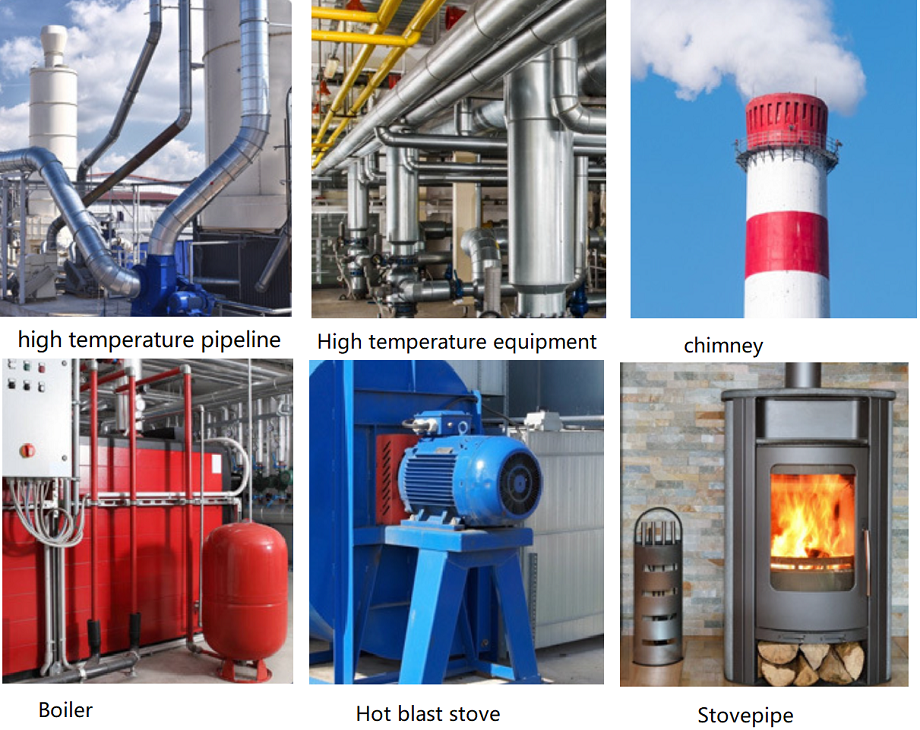
Here are some common HVAC scenarios where high-temperature spray paint is essential:
- Furnace Components: Fireboxes, exhaust pipes, and burners.
- Boiler Components: Combustion chambers and flue pipes.
- Water Heaters: Especially the exhaust hoods and draft diverters.
- Stoves & Fireplaces: Vent pipes and exterior surfaces.
Using the right paint not only protects the metal from rust and corrosion but also helps maintain the efficiency of your heating system. Rust can act as an insulator, reducing the heat transfer from the heat exchanger to the air. Properly painted surfaces help radiate heat more effectively.
Choosing the Right High-Temperature Spray Paint
Selecting the appropriate high-temperature spray paint involves considering several factors:
- Temperature Rating: Match the paint's temperature rating to the maximum temperature the surface will reach. It's always better to overestimate than underestimate.
- Surface Compatibility: Ensure the paint is compatible with the type of metal you are painting (e.g., steel, cast iron, aluminum). Some paints require a specific primer.
- Finish: Choose a finish that suits your aesthetic preferences (e.g., matte, satin, gloss).
- Application: Consider the ease of application. Some paints require multiple coats or specific curing processes.
- Durability: Look for paints that offer good resistance to chipping, scratching, and fading.
Example Products
Please note: Product recommendations are for informational purposes only. Always read the product label and follow the manufacturer's instructions.
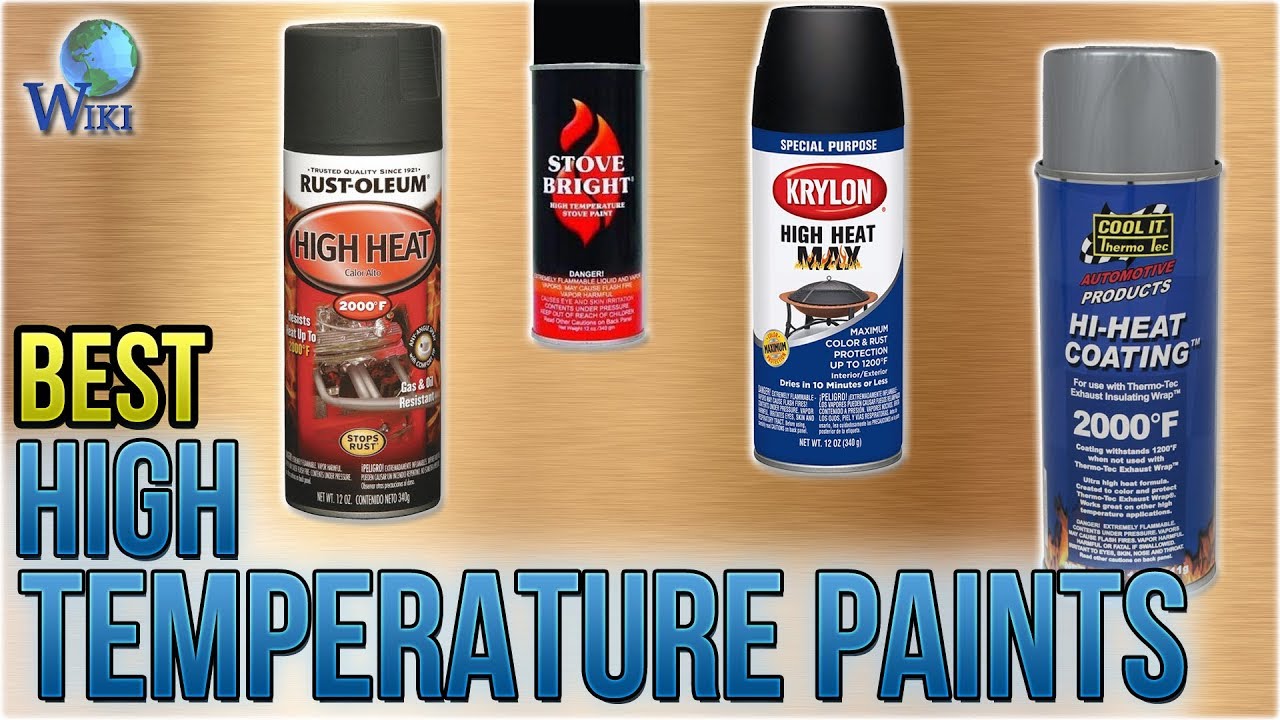
- Rust-Oleum High Heat: A readily available and popular silicone-based option suitable for temperatures up to 1200°F.
- VHT FlameProof Coating: A ceramic-based option offering excellent heat resistance up to 2000°F.
- POR-15 High Temp Paint: Known for its durability and resistance to rust and corrosion, suitable for temperatures up to 1200°F.
Preparing the Surface
Proper surface preparation is critical for ensuring the paint adheres correctly and provides long-lasting protection. Follow these steps:
- Cleaning: Remove any dirt, grease, rust, or loose paint from the surface. Use a wire brush, sandpaper, or a chemical cleaner (degreaser) to thoroughly clean the metal.
- Sanding: Lightly sand the surface to create a slightly rough texture, which will improve paint adhesion. Use a medium-grit sandpaper (e.g., 120-grit).
- Priming (Optional): For heavily rusted or pitted surfaces, applying a high-temperature primer can improve adhesion and provide a smoother finish. Choose a primer specifically designed for high-temperature applications.
- Wiping: After sanding, wipe the surface with a clean, lint-free cloth dampened with mineral spirits or denatured alcohol to remove any remaining dust or debris.
Applying High-Temperature Spray Paint
Follow these steps to apply high-temperature spray paint effectively:
- Ventilation: Work in a well-ventilated area. If working indoors, open windows and doors and use a fan to circulate the air. Wear a respirator or face mask to avoid inhaling fumes.
- Protection: Protect surrounding areas from overspray by covering them with drop cloths or newspaper.
- Shaking: Shake the spray paint can vigorously for at least one minute before use to ensure the paint is properly mixed.
- Testing: Test the spray pattern on a piece of cardboard to ensure the nozzle is clear and the paint is spraying evenly.
- Application: Hold the can about 10-12 inches from the surface and apply thin, even coats. Avoid applying too much paint in one coat, as this can lead to runs and drips.
- Multiple Coats: Apply 2-3 thin coats, allowing each coat to dry completely before applying the next. Follow the manufacturer's instructions for drying times.
- Curing: Some high-temperature paints require a curing process to achieve their full heat resistance. This typically involves heating the painted surface gradually according to the manufacturer's instructions. This might involve running the furnace on low for a period of time.
Safety Precautions
Working with spray paint and HVAC systems requires caution. Always follow these safety guidelines:
- Ventilation: As mentioned before, adequate ventilation is crucial to avoid inhaling harmful fumes.
- Personal Protective Equipment (PPE): Wear a respirator or face mask, gloves, and eye protection to protect yourself from fumes and overspray.
- Flammable Materials: Keep spray paint and other flammable materials away from open flames, sparks, and heat sources.
- Electrical Safety: Disconnect power to the HVAC system before working on any electrical components.
- Manufacturer's Instructions: Always read and follow the manufacturer's instructions for the specific spray paint you are using.
Common Problems and Solutions
Here are some common problems you might encounter when using high-temperature spray paint and how to solve them:
- Paint Runs or Drips: Apply thinner coats and hold the can further away from the surface. If runs or drips occur, allow the paint to dry completely, then sand the affected area and reapply the paint.
- Poor Adhesion: Ensure the surface is properly cleaned and prepared. Use a high-temperature primer for better adhesion.
- Peeling or Blistering: This usually indicates that the paint was not properly cured or that the temperature rating of the paint was exceeded. Remove the peeling paint, re-prepare the surface, and apply a paint with a higher temperature rating.
- Clogged Nozzle: Clean the nozzle with mineral spirits or acetone. If the nozzle is severely clogged, replace it with a new one.
Cost Estimates
The cost of using high-temperature spray paint on HVAC components can vary depending on the size and complexity of the job. Here's a rough estimate:
- DIY Project: The cost of materials (spray paint, primer, sandpaper, cleaning supplies) typically ranges from $20 to $50.
- Professional Service: Hiring an HVAC technician to clean, prepare, and paint HVAC components can cost between $100 and $500, depending on the scope of the work. This cost can be bundled with other HVAC maintenance tasks, such as cleaning and inspection. This can be a good option if you are uncomfortable working with potentially dangerous components or if you need a professional assessment of the system's condition.
When to Call a Professional
While many HVAC maintenance tasks can be handled by homeowners, certain repairs should be left to qualified professionals. Consider calling an HVAC technician if:
- You are uncomfortable working with electrical components or gas lines.
- You suspect a gas leak.
- You are unsure about the proper way to disassemble or reassemble HVAC components.
- The problem is complex or requires specialized tools.
- You notice signs of significant damage or corrosion to the HVAC system.
Attempting to repair complex HVAC issues without the proper knowledge and experience can be dangerous and may even void your warranty. It's always best to err on the side of caution and seek professional help when needed.
Conclusion
Using high-temperature spray paint is a simple yet effective way to protect and maintain the metal components of your HVAC system. By understanding the different types of paint, preparing the surface properly, and following safety precautions, you can extend the lifespan of your equipment and ensure it operates efficiently. Remember to always prioritize safety and seek professional assistance when needed. A well-maintained HVAC system will provide reliable comfort and save you money on energy bills in the long run.