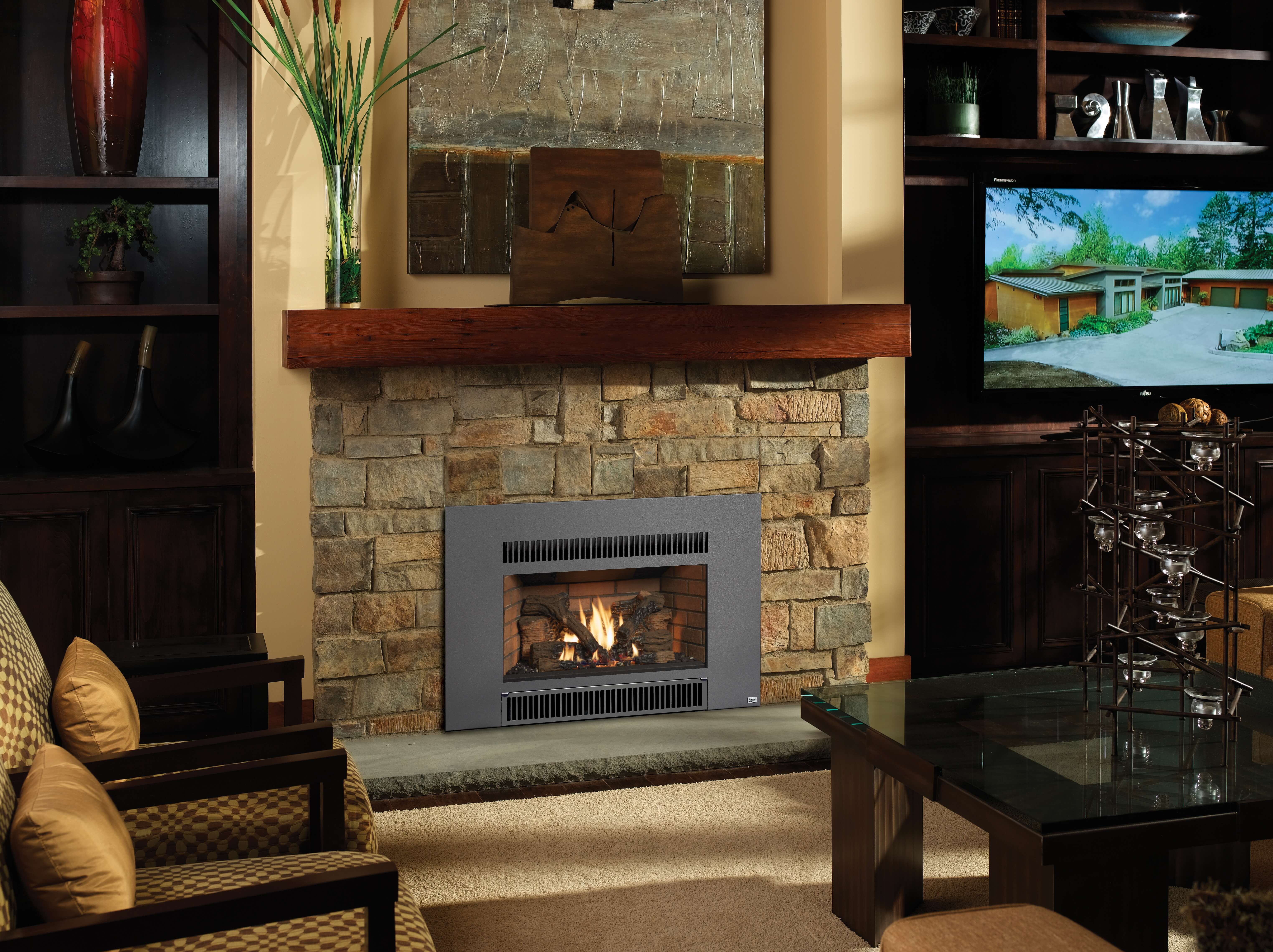
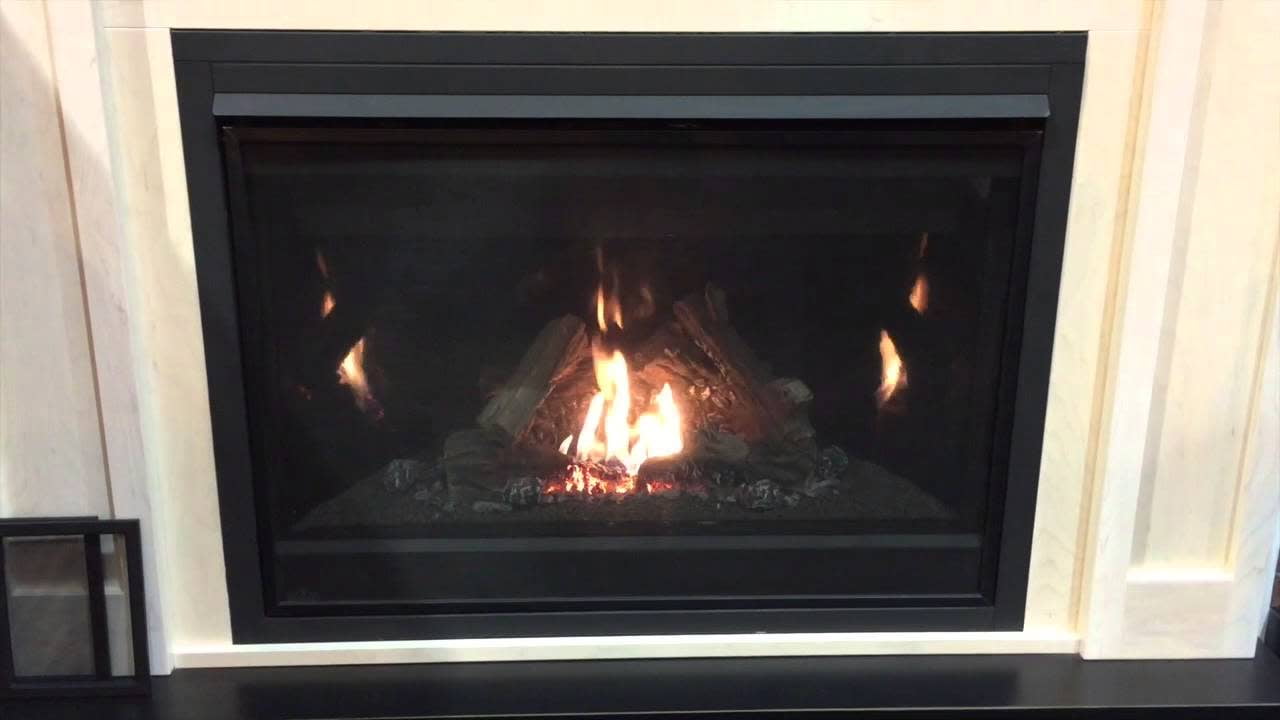
Highest Btu Gas Fireplace Insert
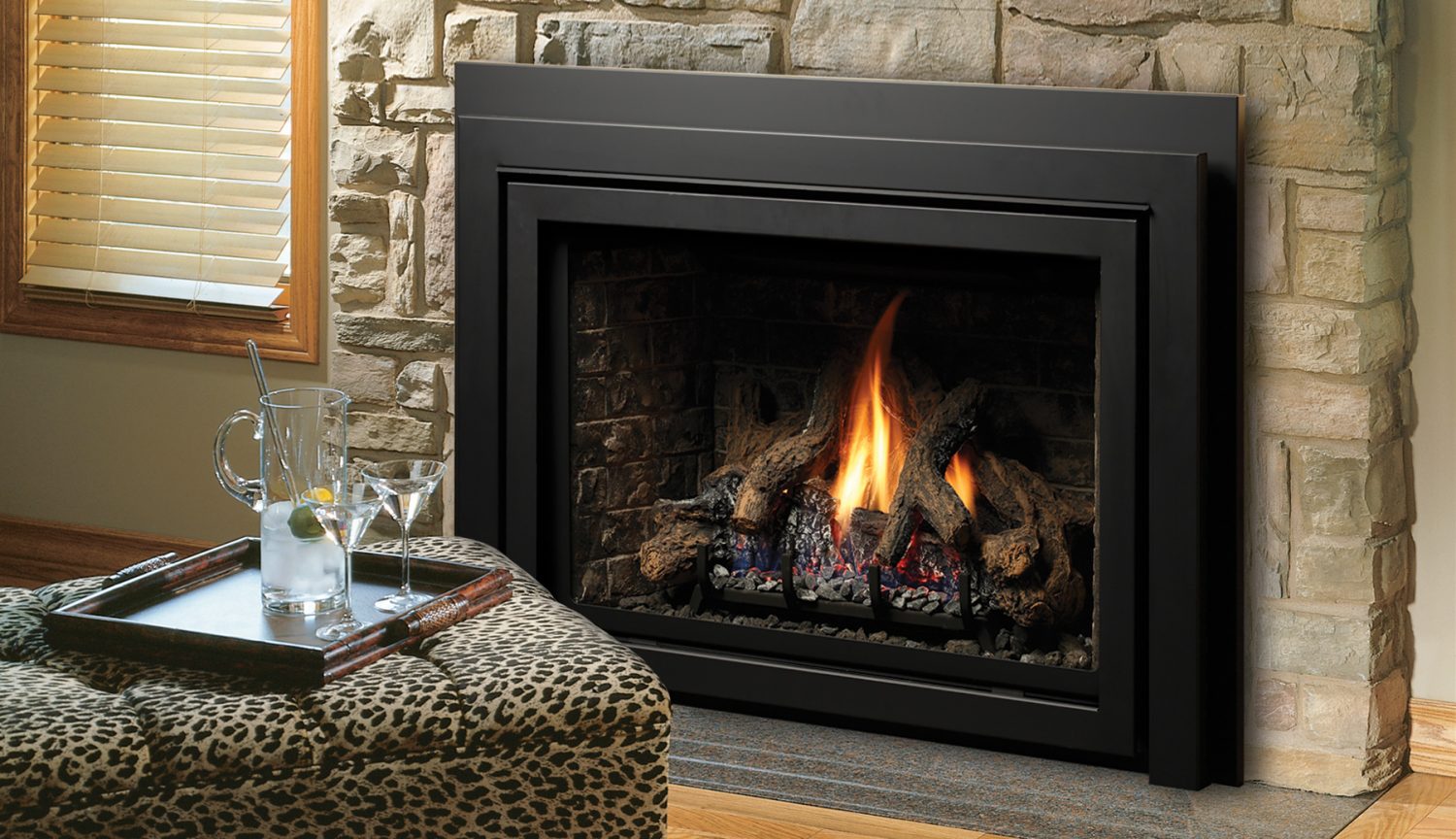
The allure of a crackling fire, coupled with the need for efficient heating, makes gas fireplace inserts an attractive option for homeowners and businesses alike. But when it comes to maximizing heat output and minimizing energy costs, understanding BTU (British Thermal Units) is crucial. This article delves into the world of high-BTU gas fireplace inserts, exploring their benefits, drawbacks, and how they can contribute to a more sustainable and cost-effective heating strategy.
Understanding BTU and Fireplace Inserts
BTU is the standard unit for measuring heat. A higher BTU rating indicates a greater heating capacity. For gas fireplace inserts, BTU represents the amount of heat the unit can generate per hour. While a high BTU rating might seem inherently better, the optimal BTU for your space depends on several factors, including room size, insulation levels, and climate. Choosing an insert with excessively high BTU can lead to overheating and wasted energy, while an underpowered unit will struggle to maintain a comfortable temperature.
Gas fireplace inserts are designed to fit into existing wood-burning fireplaces, transforming them into efficient heating appliances. They offer numerous advantages over traditional wood fireplaces, including:
- Higher efficiency: Gas inserts typically have efficiency ratings of 70-85% or even higher, compared to the 10-20% efficiency of traditional wood fireplaces.
- Consistent heat: They provide a steady and controllable heat output.
- Convenience: No need to chop wood, build a fire, or clean up ashes.
- Environmental friendliness: Gas inserts produce significantly fewer emissions than wood-burning fireplaces.
Exploring High-BTU Gas Fireplace Inserts: When More is More
High-BTU gas fireplace inserts generally range from 30,000 BTU to 40,000 BTU and above. These units are best suited for:
- Larger spaces: Open floor plans or rooms exceeding 1,000 square feet can benefit from the increased heating capacity.
- Homes in colder climates: Regions with long, harsh winters require more powerful heating systems.
- Supplemental heating: Using the insert to heat a specific zone of the house, reducing the need to run the central heating system throughout the entire home.
However, it's important to remember the "Goldilocks" principle: too much heat can be just as problematic as not enough. Before opting for a high-BTU insert, carefully assess your heating needs and consider the following:
- Room size and insulation: A well-insulated room will require less BTU than a poorly insulated one.
- Climate: The average winter temperature in your region will influence the necessary BTU output.
- Home layout: Open floor plans require more BTU than smaller, enclosed rooms.
Key Features to Look For in High-BTU Models
When selecting a high-BTU gas fireplace insert, prioritize models with:
- Variable BTU Output: Allows you to adjust the heat output based on your needs, preventing overheating and wasting energy.
- Sealed Combustion: Draws air from outside the home for combustion, preventing drafts and improving efficiency.
- Direct Vent Technology: Vents exhaust gases directly outside, ensuring safe and efficient operation.
- Electronic Ignition: Eliminates the need for a constantly burning pilot light, saving gas and reducing energy costs.
- Programmable Thermostat: Allows you to set a desired temperature and automatically adjust the heat output.
ROI and Energy Savings: The Financial Benefits of High Efficiency
While the initial investment in a high-BTU gas fireplace insert can be substantial, the long-term ROI can be significant. The energy savings achieved by supplementing or replacing your central heating system can quickly offset the upfront cost. Consider these factors:
- Reduced energy bills: By using the insert to heat a specific zone, you can lower your overall heating costs. Energy Star certified models often offer the highest efficiency ratings.
- Increased home value: A well-maintained and energy-efficient fireplace insert can enhance the value of your property.
- Potential rebates and incentives: Many states and utility companies offer rebates and tax credits for purchasing energy-efficient appliances. Check with your local utility company and state energy office for available programs.
To maximize your energy savings, consider combining your high-BTU gas fireplace insert with other energy-efficient measures, such as:
- Improving insulation: Adding insulation to your walls, attic, and floors can significantly reduce heat loss.
- Sealing air leaks: Caulking and weatherstripping around windows and doors can prevent drafts and improve energy efficiency.
- Upgrading windows: Replacing old, single-pane windows with energy-efficient double-pane or triple-pane windows can significantly reduce heat loss.
Smart Home Integration: Controlling Your Fireplace from Anywhere
Many modern gas fireplace inserts can be integrated with smart home systems, offering enhanced control and convenience. This integration allows you to:
- Control the fireplace remotely: Adjust the temperature, turn the fireplace on or off, and monitor energy consumption from your smartphone or tablet.
- Set schedules: Program the fireplace to turn on and off at specific times, ensuring optimal comfort and energy savings.
- Integrate with smart thermostats: Coordinate the fireplace with your smart thermostat to maintain a consistent temperature throughout your home.
- Receive alerts: Get notified if the fireplace malfunctions or if the temperature exceeds a certain threshold.
Smart home integration can further optimize energy efficiency by allowing you to fine-tune your heating strategy and prevent unnecessary energy consumption. Popular smart home platforms like Nest, Ecobee, and SmartThings are often compatible with various gas fireplace insert models.
Choosing the Right Insert: A Step-by-Step Guide
Selecting the right high-BTU gas fireplace insert involves careful consideration of your individual needs and circumstances. Follow these steps to make an informed decision:
- Calculate your heating needs: Use an online BTU calculator or consult with an HVAC professional to determine the appropriate BTU output for your space.
- Research different models: Compare features, efficiency ratings, and prices from various manufacturers. Look for Energy Star certified models for optimal performance.
- Read customer reviews: Get insights from other homeowners about their experiences with different gas fireplace inserts.
- Consult with an HVAC contractor: A qualified contractor can assess your existing fireplace and recommend the best insert for your needs. They can also handle the installation process, ensuring safe and efficient operation.
- Consider the installation costs: Factor in the cost of installation, venting, and any necessary modifications to your existing fireplace.
- Check for rebates and incentives: Explore available rebates and tax credits to reduce the overall cost of the project.
The Contractor's Perspective: Installation and Maintenance
For HVAC contractors, understanding the nuances of high-BTU gas fireplace inserts is essential for providing effective and reliable service. Emphasize the importance of proper installation and regular maintenance to ensure optimal performance and safety. Offer comprehensive installation packages that include:
- Thorough inspection of the existing fireplace: Identify any potential issues that may need to be addressed before installation.
- Proper venting installation: Ensure that the venting system meets all safety codes and regulations.
- Gas line connection: Connect the insert to the gas line securely and safely.
- Testing and calibration: Verify that the insert is operating correctly and efficiently.
- Customer education: Provide homeowners with detailed instructions on how to operate and maintain the insert.
Regular maintenance is crucial for ensuring the longevity and efficiency of a gas fireplace insert. Recommend annual maintenance services that include:
- Cleaning the burner and pilot light: Remove any debris that may be obstructing the flame.
- Inspecting the venting system: Check for any leaks or blockages.
- Testing the gas pressure: Ensure that the gas pressure is within the recommended range.
- Inspecting the wiring and connections: Look for any signs of damage or corrosion.
By providing expert installation and maintenance services, HVAC contractors can build trust with their customers and establish themselves as reliable providers of energy-efficient heating solutions.
The Future of Heating: Sustainability and Innovation
The trend towards sustainable and energy-efficient heating solutions is only going to intensify in the coming years. High-BTU gas fireplace inserts, when properly selected and installed, can play a significant role in reducing energy consumption and lowering carbon emissions. Innovations in technology, such as improved efficiency ratings, smart home integration, and alternative fuel sources (like propane), will continue to drive the evolution of gas fireplace inserts.
By embracing these advancements and promoting the benefits of energy-efficient heating, we can create a more sustainable and comfortable future for all.
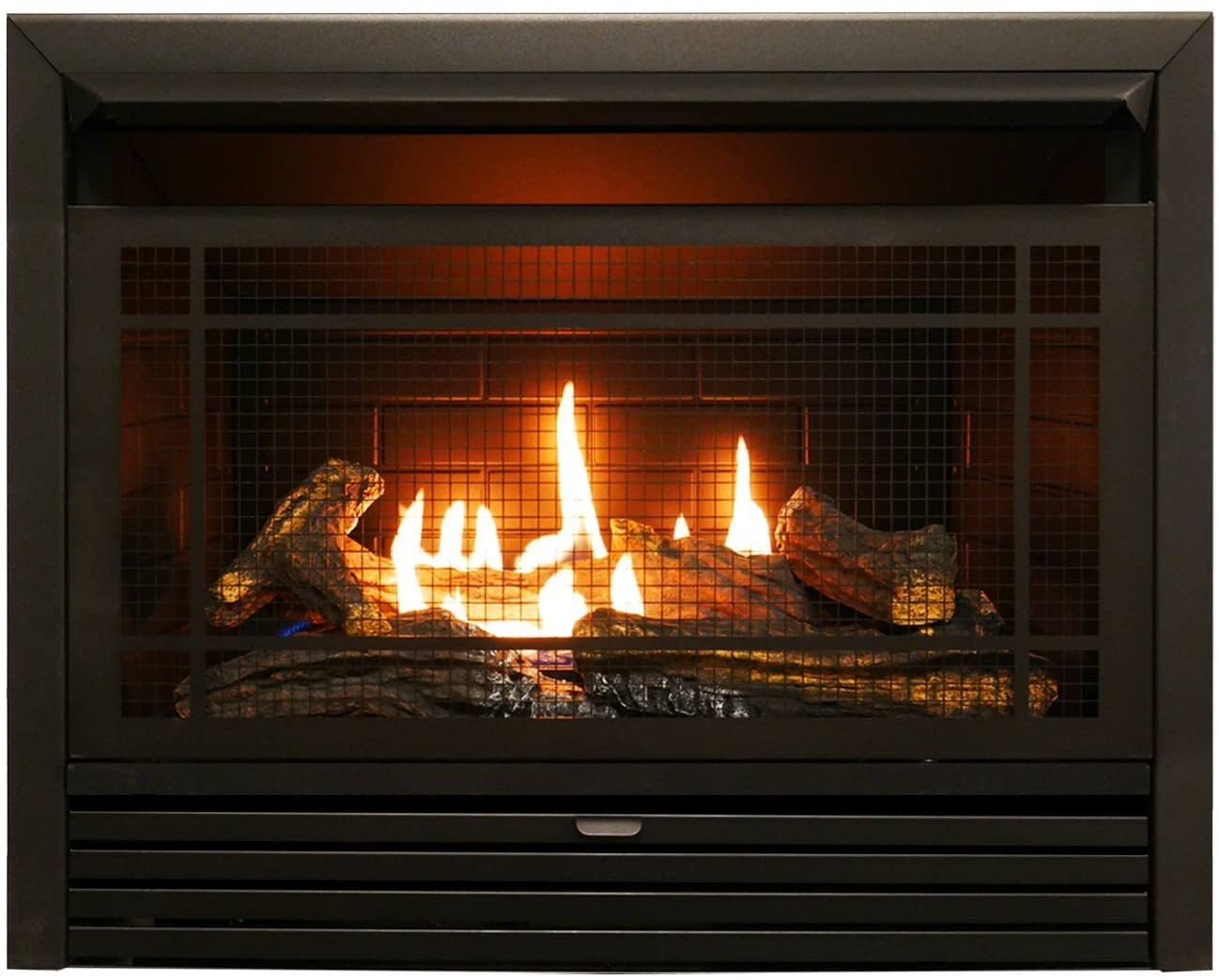

:max_bytes(150000):strip_icc()/spruce-update-dual-fuel-ventless-gas-fireplace-insert-tout-f8ea1c8e313c47eb97d34dea288bb593.jpg)


:max_bytes(150000):strip_icc()/napoleon-ir3n1sb-direct-vent-natural-gas-insert-7985b147e24e4a388555d46ff69eaba4.jpg)