Home Air Conditioning Units For Sale
Navigating the Market: Home Air Conditioning Units For Sale and Your HVAC Career
The demand for home air conditioning units is a significant driver in the HVAC industry, impacting everything from manufacturing and sales to installation and maintenance. For HVAC students, seasoned technicians, and employers alike, understanding the current market dynamics is crucial for career advancement and business success.
Market Overview and Trends
The residential air conditioning market is experiencing steady growth, fueled by factors such as rising temperatures, increasing disposable incomes, and a growing awareness of indoor air quality. Reports indicate that the global HVAC market is projected to reach hundreds of billions of dollars in the coming years, with a substantial portion attributed to residential air conditioning systems.
Several trends are shaping the market:
- Energy Efficiency: Consumers are increasingly seeking high-efficiency units with SEER (Seasonal Energy Efficiency Ratio) ratings of 16 or higher. This demand is driven by both environmental concerns and the desire to reduce energy bills.
- Smart Technology: Smart thermostats, connected HVAC systems, and zoning capabilities are becoming increasingly popular. These technologies allow homeowners to remotely control their air conditioning, optimize energy usage, and improve comfort.
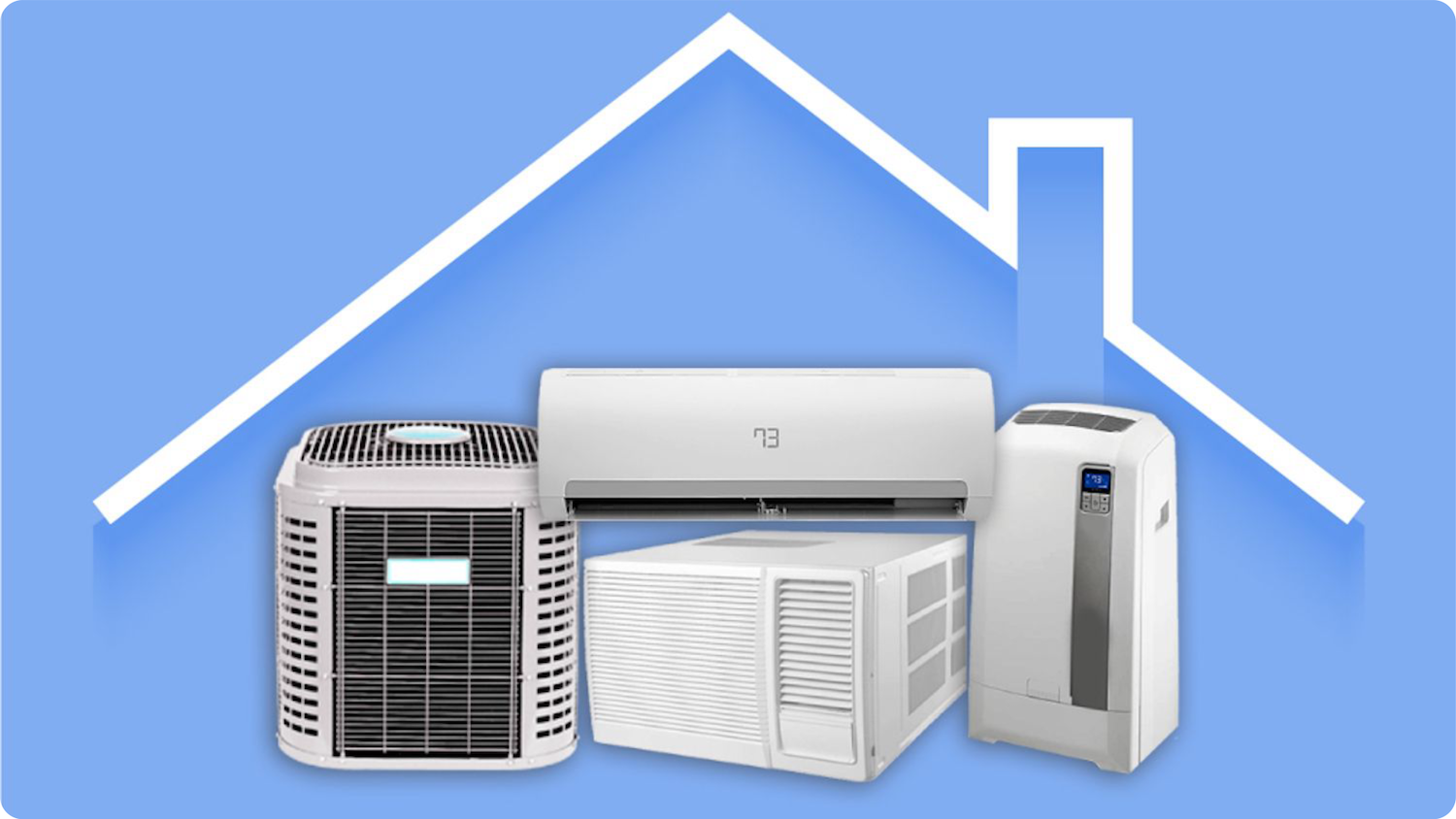
- Ductless Mini-Splits: These systems are gaining traction, especially in homes without existing ductwork or in situations where individual room climate control is desired. They offer flexibility and energy efficiency.
- Refrigerant Transition: The industry is undergoing a transition away from refrigerants with high global warming potential (GWP), such as R-410A, to more environmentally friendly alternatives like R-32 and R-454B. This transition requires technicians to be trained and certified in handling these new refrigerants.
Career Opportunities in Residential Air Conditioning
The robust market for home air conditioning units translates into numerous career opportunities for HVAC professionals. Here's a look at some potential career paths:
- HVAC Technician: This is the most common entry point into the industry. Technicians install, maintain, and repair residential air conditioning systems. Tasks include diagnosing problems, replacing components, charging refrigerant, and ensuring proper system operation. According to the Bureau of Labor Statistics, the median annual wage for HVAC technicians was around $51,000 in 2021, and employment is projected to grow in the coming years.
- HVAC Installer: Installers specialize in the installation of new air conditioning systems. They must be proficient in reading blueprints, running ductwork, connecting electrical wiring, and ensuring proper system start-up.
- HVAC Service Manager: Service managers oversee a team of technicians, schedule service calls, manage customer relations, and ensure that service operations run smoothly.
- HVAC Sales Engineer: Sales engineers work with homeowners and contractors to design and sell air conditioning systems. They must have a strong technical understanding of HVAC principles and be able to communicate effectively with customers.
- HVAC Design Engineer: Design engineers design and develop new air conditioning systems and components. They use computer-aided design (CAD) software to create detailed drawings and specifications.
Essential Certifications for HVAC Professionals
Certifications are essential for HVAC professionals, demonstrating competency and enhancing career prospects. Some key certifications include:
- EPA Section 608 Certification: This certification is required by the EPA for technicians who handle refrigerants. It covers the proper handling, recovery, and disposal of refrigerants to prevent ozone depletion. There are different levels of certification depending on the type of equipment being serviced.
- NATE (North American Technician Excellence) Certification: NATE is a leading certification organization for HVAC technicians. NATE certification demonstrates a technician's knowledge and skills in specific areas of HVAC, such as air conditioning, heating, and ventilation. Earning NATE certification can lead to higher pay and increased job opportunities.
- HVAC Excellence Certification: Similar to NATE, HVAC Excellence offers various certifications for HVAC technicians and educators, validating their expertise.
- Manufacturer-Specific Certifications: Many manufacturers offer certifications for their specific equipment. These certifications provide technicians with in-depth knowledge of the manufacturer's products and systems.
Real-World Examples of Career Paths
Example 1: The HVAC Technician to Business Owner
Sarah started her career as an entry-level HVAC technician after completing a two-year technical program and obtaining her EPA 608 certification. She worked for a local HVAC company for several years, gaining experience in installing, maintaining, and repairing home air conditioning units. She also pursued NATE certification to further enhance her skills and knowledge. After several years, Sarah decided to start her own HVAC business, focusing on residential air conditioning services. Her technical expertise, combined with her business acumen, allowed her to build a successful and profitable company.
Example 2: The Technician Who Specialized in Smart Home Integration
David, recognizing the growing trend of smart home technology, decided to specialize in the integration of HVAC systems with smart thermostats and other connected devices. He obtained additional training in home automation and networking. His expertise in this area made him a valuable asset to his company, and he quickly became the go-to person for installing and servicing smart HVAC systems. His specialized skills commanded a higher salary and opened up new career opportunities.
Tips for HVAC Students and Apprentices
- Focus on the Fundamentals: Master the basic principles of thermodynamics, refrigeration, and electrical circuits. A solid foundation is essential for success in the HVAC industry.
- Seek Hands-On Experience: Participate in internships or apprenticeships to gain practical experience. Hands-on training is invaluable for developing the skills needed to work on home air conditioning units.
- Pursue Certifications: Obtain industry-recognized certifications, such as EPA 608 and NATE, to demonstrate your competency and enhance your career prospects.
- Stay Updated on Technology: The HVAC industry is constantly evolving. Stay updated on the latest technologies and trends by attending conferences, reading industry publications, and taking continuing education courses.
- Develop Customer Service Skills: HVAC technicians often interact directly with customers. Excellent communication and customer service skills are essential for building trust and maintaining customer satisfaction.
Advice for Employers Hiring HVAC Professionals
- Prioritize Certifications: When hiring HVAC technicians, prioritize candidates who have obtained industry-recognized certifications. Certifications demonstrate competency and commitment to professional development.
- Invest in Training: Provide ongoing training to your employees to keep them updated on the latest technologies and industry best practices. This will help your company stay competitive and provide high-quality service to your customers.
- Offer Competitive Compensation: Attract and retain top talent by offering competitive salaries and benefits. The HVAC industry is facing a skilled labor shortage, so it's important to offer attractive compensation packages.
- Promote a Positive Work Environment: Create a positive and supportive work environment where employees feel valued and respected. This will help you attract and retain talented employees.
- Embrace Technology: Invest in technology to improve efficiency and productivity. This includes using mobile apps for service dispatch, cloud-based software for managing customer data, and advanced diagnostic tools.
The Future of Home Air Conditioning: A Look Ahead
The future of home air conditioning units is likely to be shaped by several key factors, including:
- Increased Focus on Sustainability: Demand for energy-efficient and environmentally friendly air conditioning systems will continue to grow. This will drive innovation in refrigerant technology and system design.
- Integration with Smart Home Technology: Air conditioning systems will become increasingly integrated with smart home platforms, allowing homeowners to control their systems remotely and optimize energy usage.
- Growing Demand for Air Quality Solutions: Consumers are becoming more aware of the importance of indoor air quality. This will drive demand for air purifiers, filtration systems, and other air quality solutions.
- Expansion of Ductless Mini-Split Systems: Ductless mini-split systems will continue to gain popularity, especially in homes without existing ductwork.
For HVAC professionals, embracing these trends and developing the skills needed to work with new technologies will be essential for career success. The industry is constantly evolving, and those who are willing to learn and adapt will be well-positioned to thrive in the years to come.