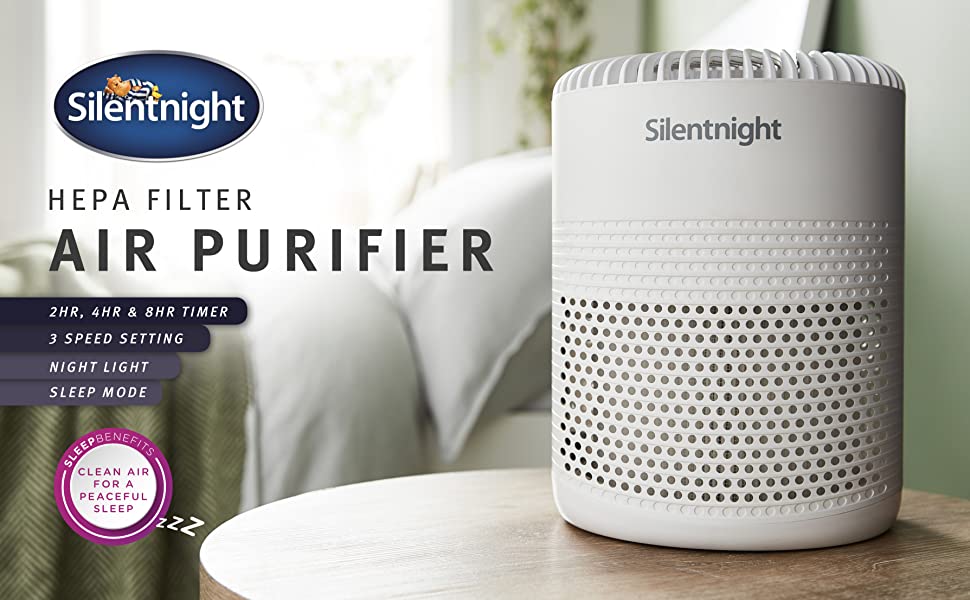
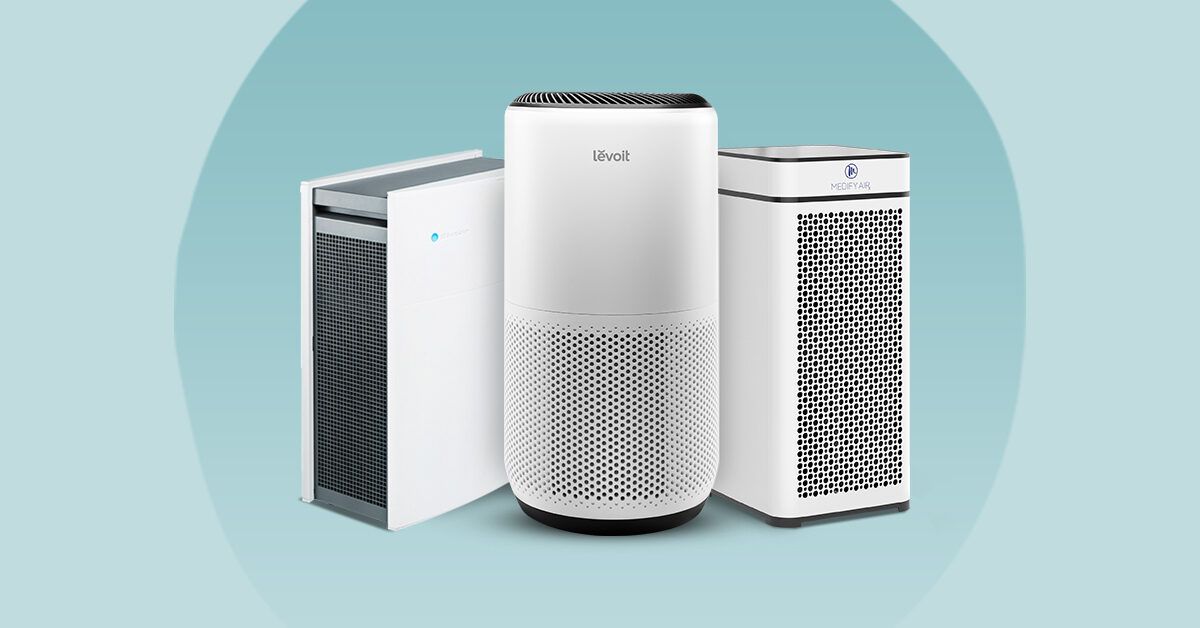
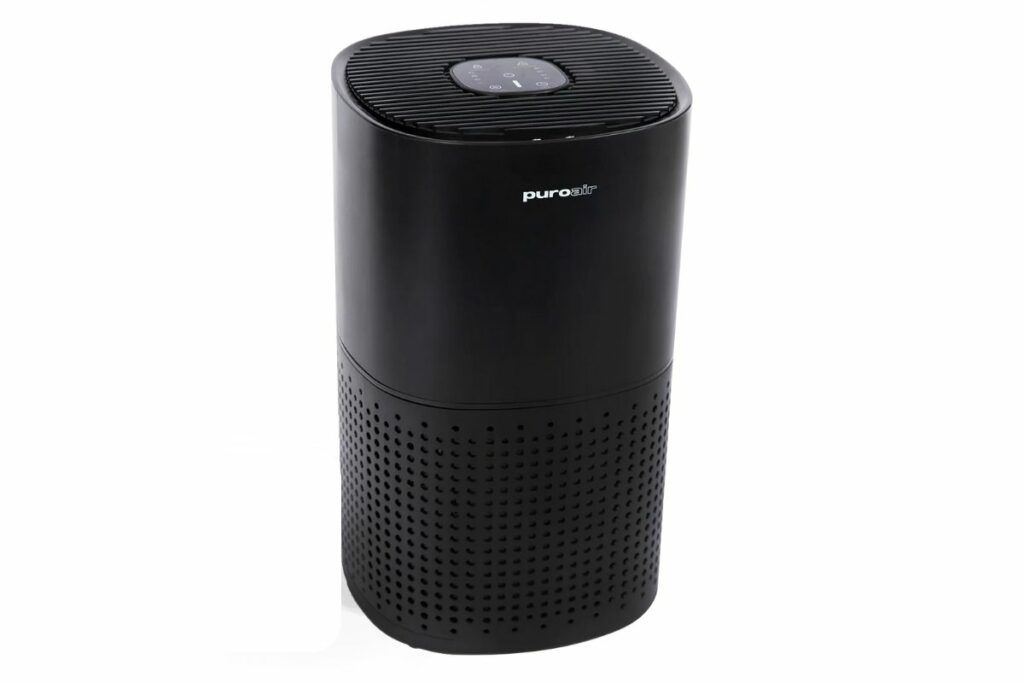
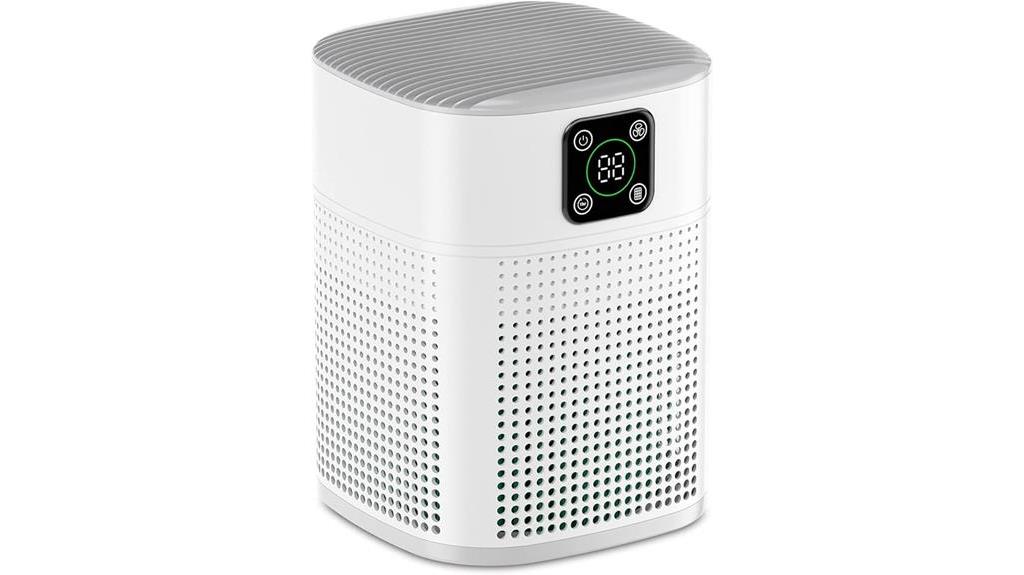
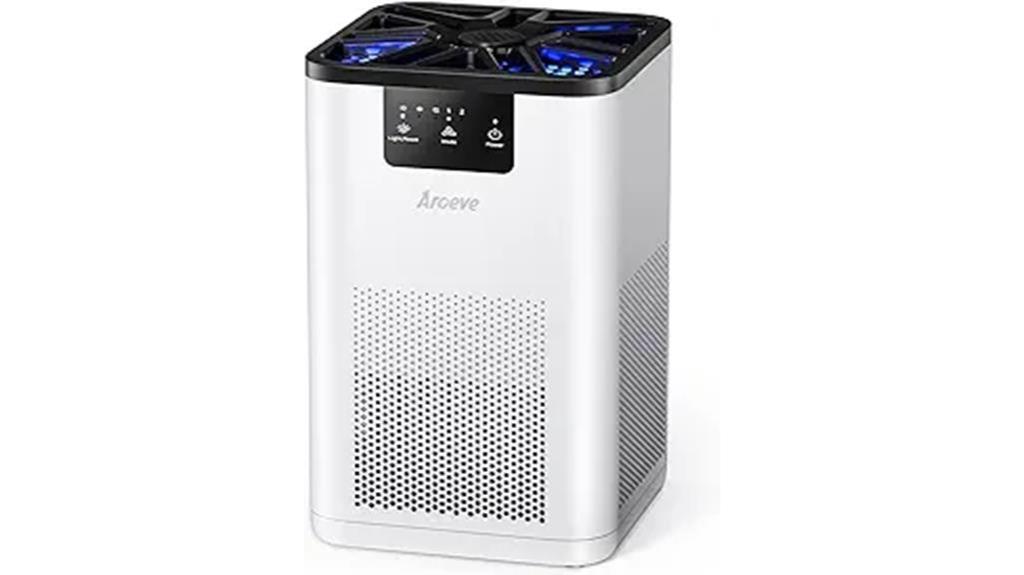
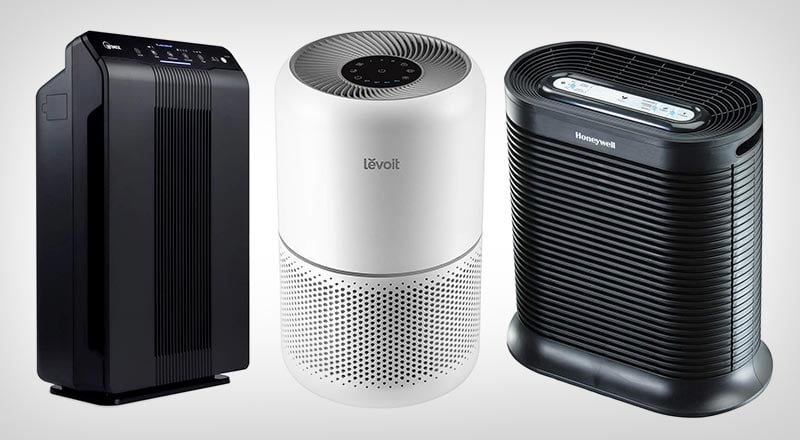
Home Air Purifier With Hepa Filter
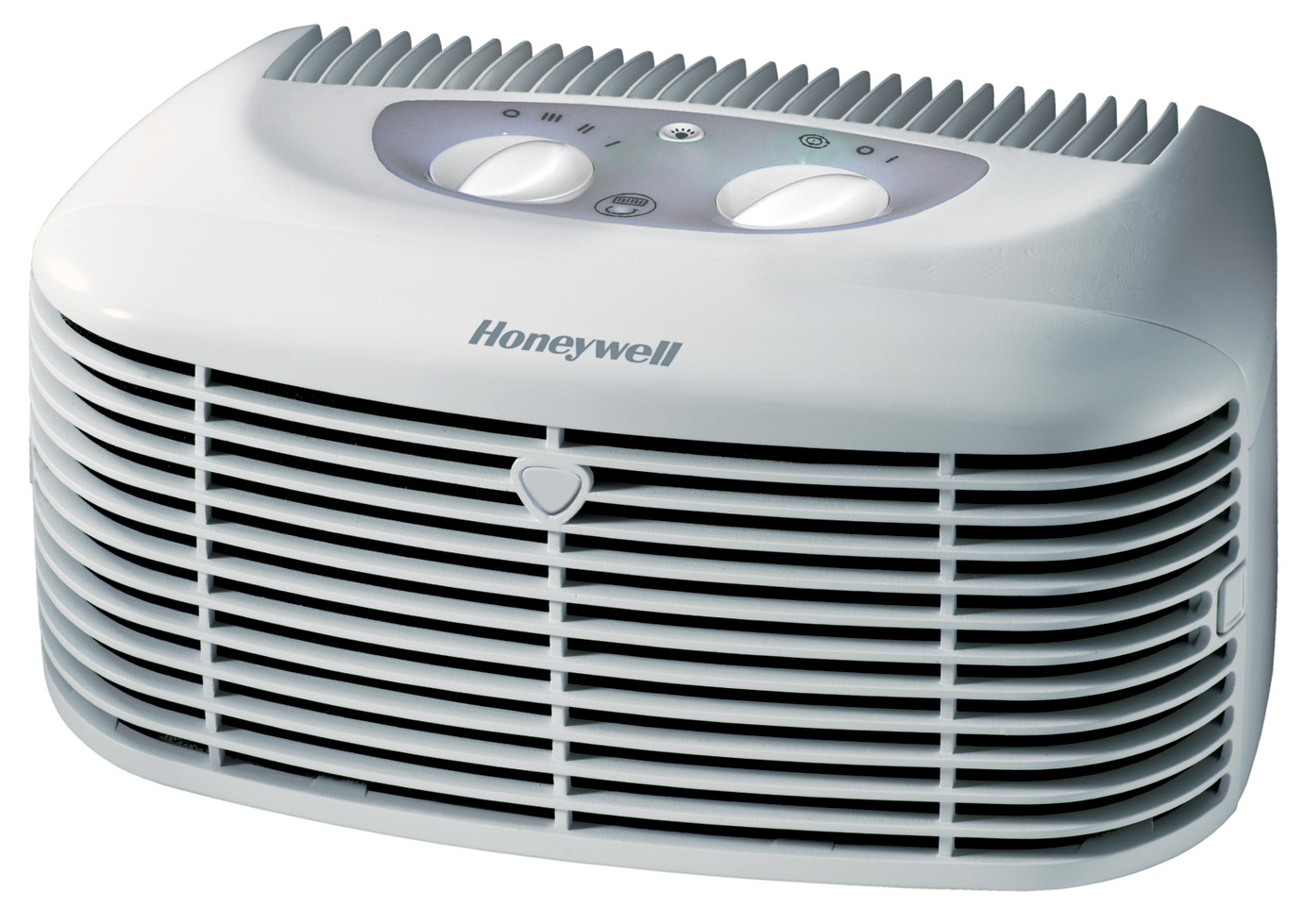
The air we breathe indoors can be surprisingly polluted, often harboring allergens, dust, pollen, mold spores, and even volatile organic compounds (VOCs). As HVAC professionals, understanding air purification technology, particularly HEPA filters, is increasingly crucial. This article provides a comprehensive overview of HEPA air purifiers for the home, their relevance to the HVAC industry, and the career opportunities they present.
Understanding HEPA Filters and Air Purification
HEPA, or High-Efficiency Particulate Air, filters are mechanically designed to trap at least 99.97% of particles 0.3 microns in diameter. This standard, defined by the U.S. Department of Energy, ensures that HEPA filters capture even the most microscopic irritants, making them highly effective at improving indoor air quality (IAQ).
While air purifiers are often marketed as standalone units, their impact is significantly enhanced when integrated with existing HVAC systems. HVAC technicians who understand both the mechanics of air conditioning and the principles of air filtration are highly sought after. They can provide homeowners with comprehensive solutions for maintaining healthy and comfortable indoor environments.
How HEPA Filters Work
Unlike electronic air cleaners that rely on ionization, HEPA filters use a dense network of fibers to physically trap particles. Several mechanisms are at play:
- Interception: Larger particles are directly captured as they flow through the filter.
- Impaction: Heavier particles, unable to follow the airflow's curves, collide with the filter fibers.
- Diffusion: Tiny particles move randomly due to Brownian motion and are more likely to collide with and stick to the fibers.
It's important to note that HEPA filters are most effective at removing particulate matter. They don't directly address gaseous pollutants like VOCs or odors. For these, activated carbon filters are often used in conjunction with HEPA filters.
The Growing Demand for IAQ Solutions
Driven by increasing awareness of the health impacts of poor IAQ, the market for home air purifiers with HEPA filters is experiencing significant growth. A recent report by Grand View Research estimated the global air purifier market size at USD 10.91 billion in 2023 and projects it to reach USD 17.29 billion by 2030, growing at a CAGR of 6.7% from 2024 to 2030. This growth translates into more opportunities for HVAC professionals who possess the skills to install, maintain, and troubleshoot these systems.
Furthermore, concerns about airborne viruses and bacteria, amplified by recent global events, have further fueled the demand for effective air purification solutions. Homeowners are increasingly willing to invest in technologies that protect their families' health and well-being.
Career Paths and Opportunities in IAQ
The rise of IAQ awareness and the increasing adoption of HEPA air purifiers are opening up diverse career paths for HVAC professionals. Here are a few examples:
- HVAC Technician specializing in IAQ: These technicians possess expertise in installing, maintaining, and repairing air purifiers, UV lights, and other IAQ equipment. They can also conduct air quality assessments and recommend tailored solutions to homeowners. The median annual salary for HVAC technicians in the US is around $51,390 (Bureau of Labor Statistics, May 2022), with potential for higher earnings for specialists.
- HVAC Sales and Consulting: Professionals in this role educate homeowners about the benefits of air purification and recommend the appropriate systems based on their needs and budget. Strong communication and technical skills are essential. Salary varies based on experience and commission structure, often exceeding $60,000 per year.
- HVAC System Designer: As IAQ becomes a more integral part of building design, HVAC system designers need to incorporate air purification technologies into their plans. This requires a thorough understanding of airflow dynamics, filtration principles, and building codes. Salary ranges typically start around $70,000 and can exceed $100,000 with experience.
- Indoor Air Quality Specialist/Consultant: These professionals perform detailed IAQ testing, identify sources of pollution, and recommend solutions to improve air quality. They often work independently or for environmental consulting firms. Salary expectations vary greatly depending on experience, certifications, and location.
Certifications to Enhance Your IAQ Expertise
Several certifications can enhance your credibility and demonstrate your expertise in IAQ. Here are a few key ones:
- NATE (North American Technician Excellence): While NATE doesn't offer a specific IAQ certification, achieving NATE certification in HVAC can demonstrate a broad understanding of system performance and troubleshooting, which is valuable in the IAQ field.
- EPA 608 Certification: This certification is required for technicians who handle refrigerants. While not directly related to air purification, it's a fundamental requirement for many HVAC jobs and demonstrates a commitment to responsible environmental practices.
- NADCA (National Air Duct Cleaners Association) ASCS (Air Systems Cleaning Specialist) Certification: Though focused on duct cleaning, this certification provides a valuable understanding of airflow and contaminant control within HVAC systems.
- Indoor Air Quality Association (IAQA) Certified Indoor Environmentalist (CIE): This certification is designed for professionals who conduct IAQ assessments and recommend solutions.
Installation and Maintenance Considerations
Proper installation and maintenance are crucial for ensuring the effectiveness of HEPA air purifiers. Here are some key considerations for HVAC professionals:
- Filter Placement: The location of the air purifier significantly impacts its performance. It should be placed in an area with good airflow and where it can effectively circulate clean air throughout the room.
- Filter Replacement: HEPA filters need to be replaced regularly, typically every 6-12 months, depending on the air quality and usage. Failing to replace the filter can significantly reduce its effectiveness and even lead to the release of trapped contaminants back into the air.
- Pre-filters: Many air purifiers use pre-filters to capture larger particles, extending the life of the HEPA filter. These pre-filters should be cleaned or replaced more frequently.
- Airflow Optimization: When integrating air purifiers with existing HVAC systems, it's important to ensure that airflow is properly balanced to maximize the effectiveness of the filtration system.
- Understanding CADR (Clean Air Delivery Rate): CADR measures the volume of clean air an air purifier produces per minute. It's an important factor to consider when selecting an air purifier for a specific room size.
Example: Real-World Career Path
Consider the career path of Maria, an HVAC apprentice. After completing her apprenticeship and obtaining her EPA 608 certification, she focused on developing expertise in IAQ. She took continuing education courses on air filtration and ventilation, eventually earning her NADCA ASCS certification. Today, Maria works for a leading HVAC company, specializing in IAQ assessments and the installation of air purification systems. Her salary has increased significantly since completing her apprenticeship, and she finds her work rewarding because she's helping families breathe easier and live healthier lives.
Staying Ahead of the Curve
The HVAC industry is constantly evolving, with new technologies and regulations emerging regularly. To stay ahead of the curve, HVAC professionals should:
- Continuously update their knowledge: Attend industry conferences, read trade publications, and take continuing education courses to stay informed about the latest advancements in IAQ and HVAC technology.
- Invest in professional development: Pursue relevant certifications to demonstrate their expertise and enhance their career prospects.
- Network with other professionals: Connect with other HVAC technicians, engineers, and consultants to share knowledge and learn from each other's experiences.
By embracing IAQ as a core component of their skillset, HVAC professionals can position themselves for long-term success in a growing and increasingly important field. HEPA filtration and related IAQ solutions represent not just a business opportunity, but a chance to make a real difference in people's lives. As HVAC employers recognize the value of this expertise, seeking out and investing in technicians skilled in IAQ will be crucial for maintaining a competitive edge.