Honeywell Smart Valve Solid Green Light

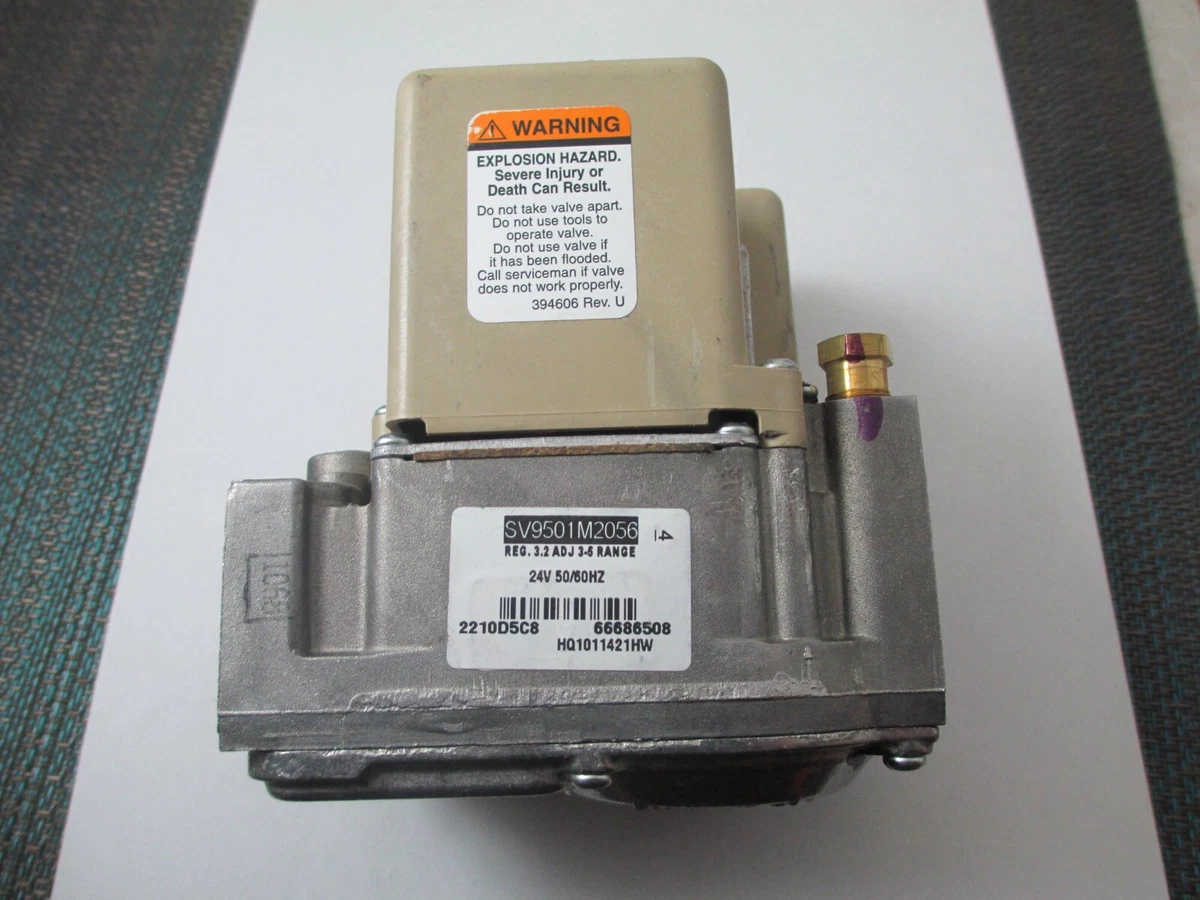
The Honeywell Smart Valve is a critical component in many modern gas-fired heating systems, including furnaces and boilers. It’s responsible for precisely controlling the flow of gas to the burner, ensuring efficient and safe operation. One of the most common indicators of the valve's status is the LED light, and understanding what a solid green light signifies is essential for homeowners, HVAC technicians, and facility managers alike. This article will provide a comprehensive overview of the Honeywell Smart Valve, focusing on the meaning of a solid green light, troubleshooting steps, and related information for various stakeholders.
Understanding the Honeywell Smart Valve
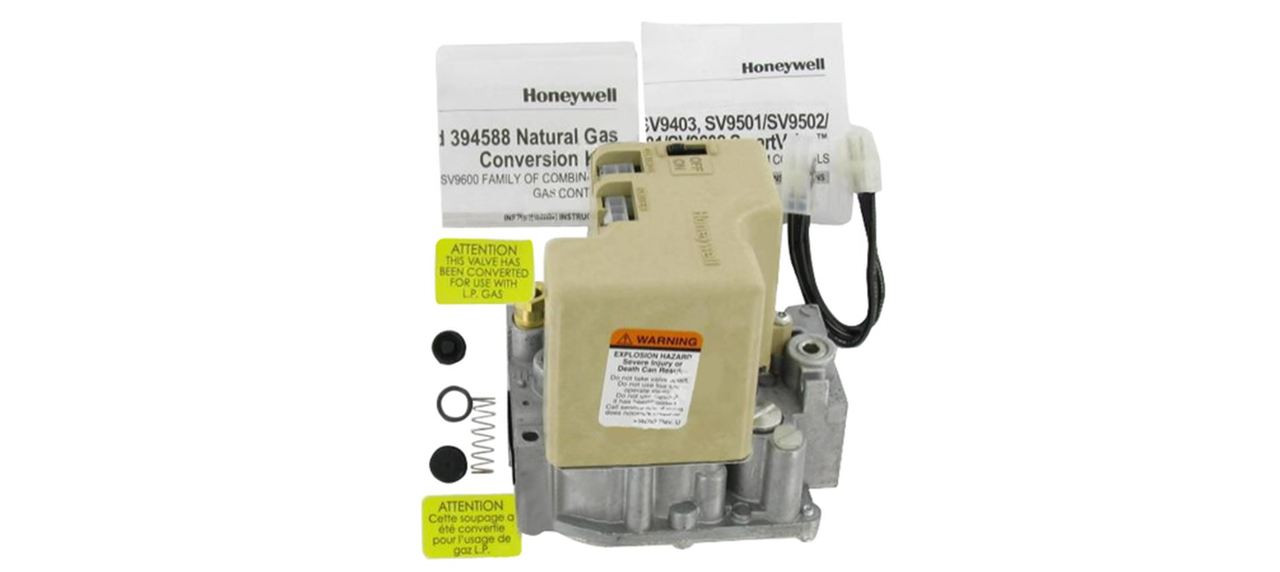
Before diving into the specifics of the green light, let's establish a baseline understanding of the Honeywell Smart Valve itself. Unlike traditional gas valves that rely on mechanical components, the Smart Valve utilizes electronic controls and sensors to manage gas flow. This allows for more precise control, improved efficiency, and enhanced safety features. Think of it as the brain of your gas furnace, carefully monitoring and regulating fuel delivery.
Key Components:
- Solenoid Valves: Electrically operated valves that open and close to control gas flow.
- Pressure Sensors: Monitor gas pressure within the system, ensuring it's within safe operating limits.
- Ignition Control: Manages the ignition sequence, ensuring reliable and safe burner ignition.
- Microprocessor: The central processing unit that controls all valve functions based on sensor inputs and system demands.
The Smart Valve communicates with the furnace's control board, receiving instructions based on thermostat settings and other system parameters. It's a two-way street; the valve also sends diagnostic information back to the control board, allowing for easier troubleshooting and fault detection.
The Meaning of a Solid Green Light
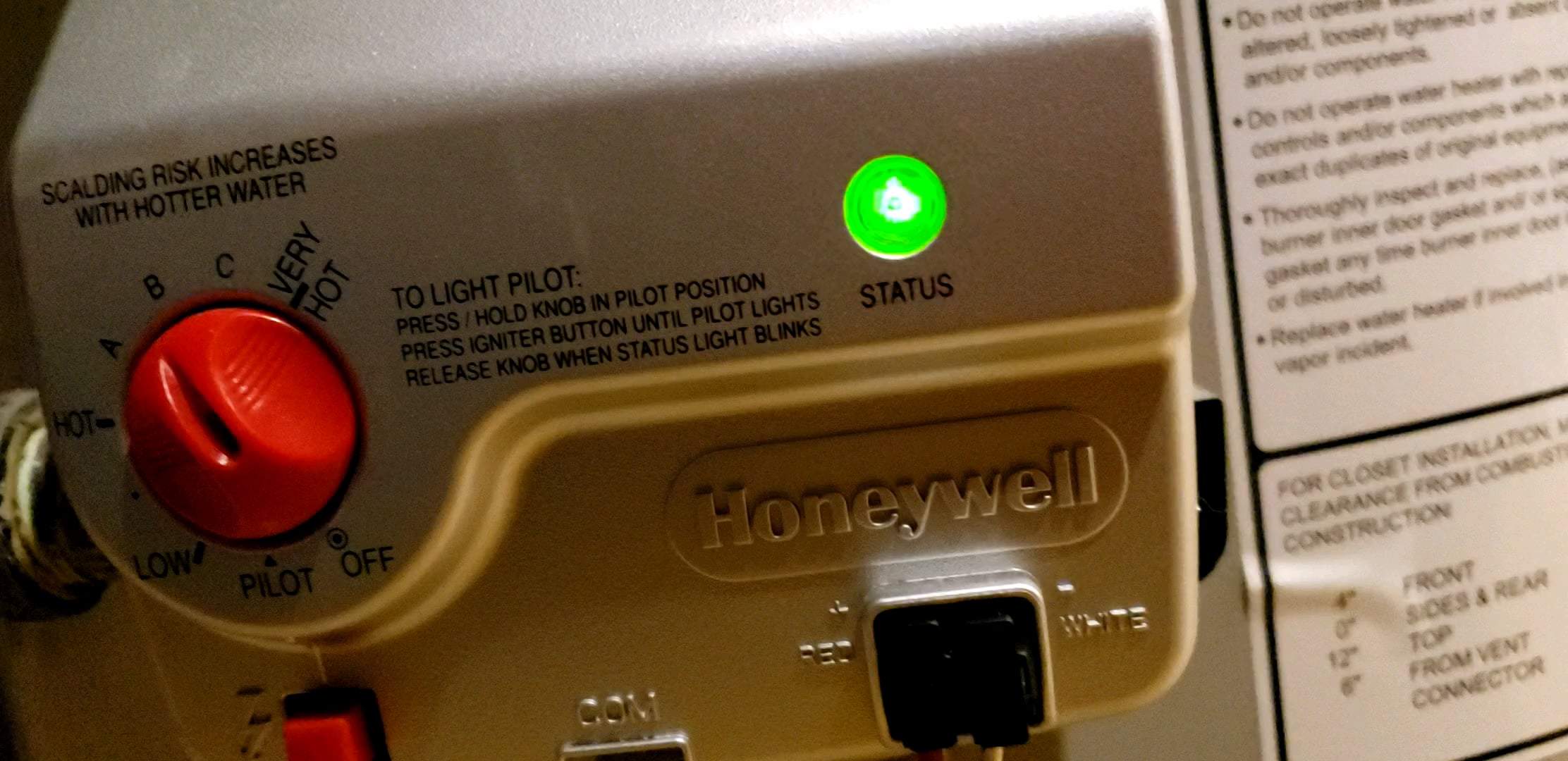
A solid green light on a Honeywell Smart Valve typically indicates that the valve is operating normally. It signifies that the valve is powered, has passed its self-diagnostic checks, and is ready to allow gas flow to the burner when called upon by the thermostat. This is the state you want to see when the heating system is idle but powered.
Solid Green Light Breakdown:
- Power On: The valve is receiving the correct voltage.
- Self-Test Passed: The valve's internal diagnostic routines have completed without detecting any faults.
- Standby Mode: The valve is awaiting a call for heat from the thermostat.
In essence, a solid green light is good news. It means the valve is ready to do its job when needed. However, it's crucial to remember that a solid green light *only* indicates the valve's internal status. It doesn't guarantee that the entire heating system is functioning perfectly. Other components, such as the blower motor, igniter, or flame sensor, could still be experiencing issues.
Troubleshooting When the System Isn't Working Despite a Solid Green Light
What happens if the Smart Valve displays a solid green light, but your furnace isn't producing heat? This is a common scenario that requires further investigation. Here's a step-by-step approach to troubleshooting the issue:
- Check the Thermostat: Ensure the thermostat is set to "Heat" and the temperature is set higher than the current room temperature. A simple setting error is often the culprit.
- Inspect the Air Filter: A clogged air filter restricts airflow, which can cause the furnace to overheat and shut down. Replace the filter if it's dirty. Regular air filter replacement is crucial for furnace efficiency and longevity.
- Verify Gas Supply: Make sure the gas supply valve to the furnace is fully open. Also, check that other gas appliances in your home are working correctly. If not, you might have a problem with your main gas line.
- Check the Igniter: The igniter is responsible for lighting the gas. If it's faulty, the burner won't ignite. A visual inspection may reveal a cracked or damaged igniter. However, it often requires a multimeter to test its resistance.
- Inspect the Flame Sensor: The flame sensor detects the presence of a flame. If it doesn't detect a flame, it will shut off the gas supply as a safety precaution. The flame sensor can become dirty over time. Try cleaning it gently with fine steel wool.
- Listen for the Blower Motor: The blower motor circulates warm air throughout your home. If it's not running, you won't feel any heat.
When to Call a Professional:
If you've checked these basic components and the furnace still isn't working, it's time to call a qualified HVAC technician. Diagnosing and repairing more complex issues, such as a faulty control board or a malfunctioning pressure sensor, requires specialized knowledge and tools. Attempting repairs without proper training can be dangerous.
Interpreting Other LED Light Patterns
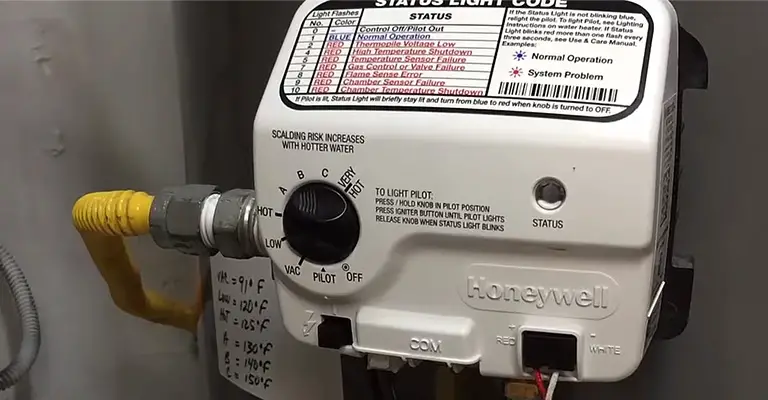
While a solid green light indicates normal operation, other LED light patterns on the Honeywell Smart Valve can indicate specific problems. These patterns typically involve flashing or alternating colors, and they are often accompanied by an error code. Refer to the furnace's service manual or the Honeywell Smart Valve documentation to interpret these codes correctly. Examples of other light patterns could be flashing red light indicating a lockout condition or alternating green and red indicating a sensor issue.
Honeywell Smart Valve Benefits and Considerations
Benefits:
- Improved Efficiency: Precise gas control leads to more efficient fuel combustion.
- Enhanced Safety: Built-in safety features, such as flame supervision and pressure monitoring, minimize the risk of gas leaks or explosions.
- Diagnostic Capabilities: The valve's self-diagnostic capabilities simplify troubleshooting and reduce repair time.
- Precise temperature control: Smart Valves allow for better control over temperature and can help reduce temperature swings within the home.
Considerations:
- Cost: Smart Valves are generally more expensive than traditional gas valves.
- Complexity: The electronic components require specialized knowledge for diagnosis and repair.
- Power Dependency: The valve relies on electricity to operate. A power outage will render the heating system inoperable (unless a backup power source is available).
For Homeowners: Maximizing Furnace Efficiency and Lifespan
As a homeowner, proactive maintenance is key to ensuring your furnace operates efficiently and reliably for years to come. Here are some tips:
- Schedule Annual Maintenance: Have your furnace inspected and serviced by a qualified HVAC technician at least once a year.
- Replace Air Filters Regularly: Check and replace air filters every one to three months, depending on usage and air quality.
- Keep Vents Clear: Ensure that vents and registers are not blocked by furniture or other obstructions.
- Consider a Smart Thermostat: A smart thermostat can optimize heating schedules and further improve energy efficiency. Many smart thermostats learn your preferences and adjust automatically.
For HVAC Technicians and Facility Managers: Advanced Diagnostics and Repair
For HVAC professionals, understanding the intricacies of the Honeywell Smart Valve is crucial for efficient troubleshooting and repair. Here are some advanced tips:
- Utilize Diagnostic Tools: Use a multimeter and other diagnostic tools to accurately measure voltage, current, and resistance.
- Consult Service Manuals: Refer to the Honeywell Smart Valve service manuals for detailed information on troubleshooting codes, wiring diagrams, and replacement procedures.
- Stay Updated on Training: Attend training courses and workshops to stay abreast of the latest technologies and repair techniques.
- Understand System Integration: Understand how the Smart Valve integrates with other components of the heating system, such as the control board, thermostat, and sensors.
Regular maintenance in commercial buildings can also include:
- Checking for gas leaks using a gas leak detector.
- Inspecting and cleaning the burner assembly.
- Testing and calibrating the pressure sensors.
- Verifying the proper operation of all safety controls.
Cost and Lifespan Considerations
The cost of a Honeywell Smart Valve can vary depending on the model and supplier, but expect to pay more than a traditional gas valve. However, the increased efficiency and diagnostic capabilities can offset the initial cost over the long term. The lifespan of a Smart Valve is typically comparable to that of a traditional gas valve, ranging from 10 to 20 years, provided that it's properly maintained and operated within its specified parameters. Regular maintenance and prompt repair of any issues can extend its lifespan.
In summary, a solid green light on a Honeywell Smart Valve is generally a positive sign, indicating that the valve is powered, has passed its self-test, and is ready for operation. However, it's crucial to remember that this is just one piece of the puzzle. A comprehensive understanding of the entire heating system is essential for effective troubleshooting and ensuring optimal performance. Whether you're a homeowner, HVAC technician, or facility manager, staying informed about the Honeywell Smart Valve and its functions will help you maintain a safe, efficient, and reliable heating system.