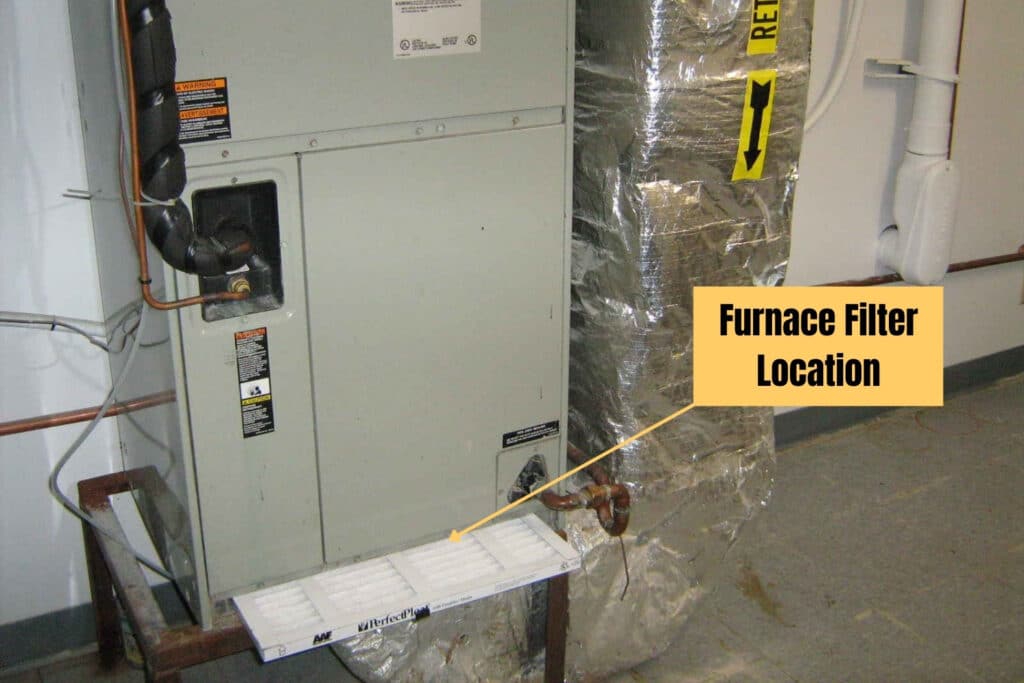
Horizontal Furnace Filter Location

Dealing with heating issues? A clean furnace filter is often the first and easiest fix. While many furnaces have filters located in readily accessible vertical slots, horizontal furnaces can present a bit more of a challenge. This guide will walk you through locating the filter in your horizontal furnace, changing it, and troubleshooting common problems related to filter maintenance.
Understanding Horizontal Furnaces
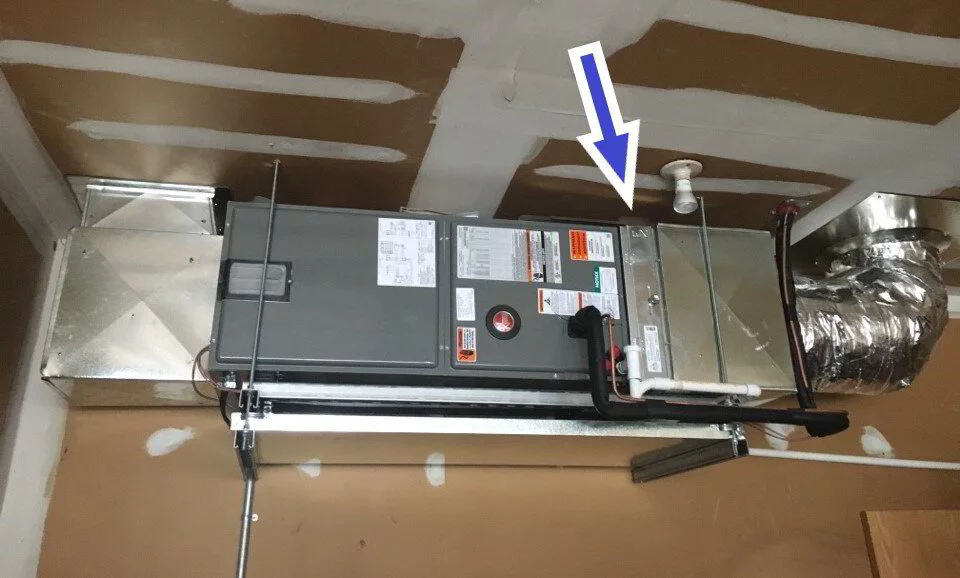
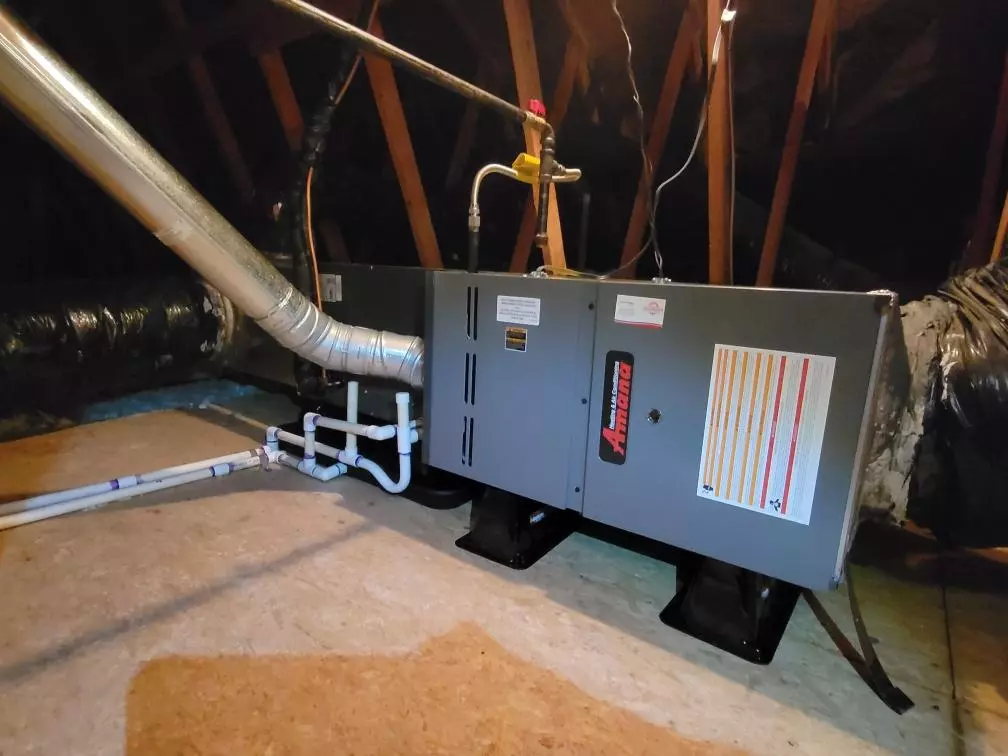
Horizontal furnaces are typically installed in attics, crawl spaces, or along the ceiling of a basement. Their design allows for airflow parallel to the ground, making them a space-saving solution in certain homes. Locating the filter often involves a little detective work.
Where to Find Your Horizontal Furnace Filter
The filter location on a horizontal furnace isn't always obvious. Here are the most common spots to check:
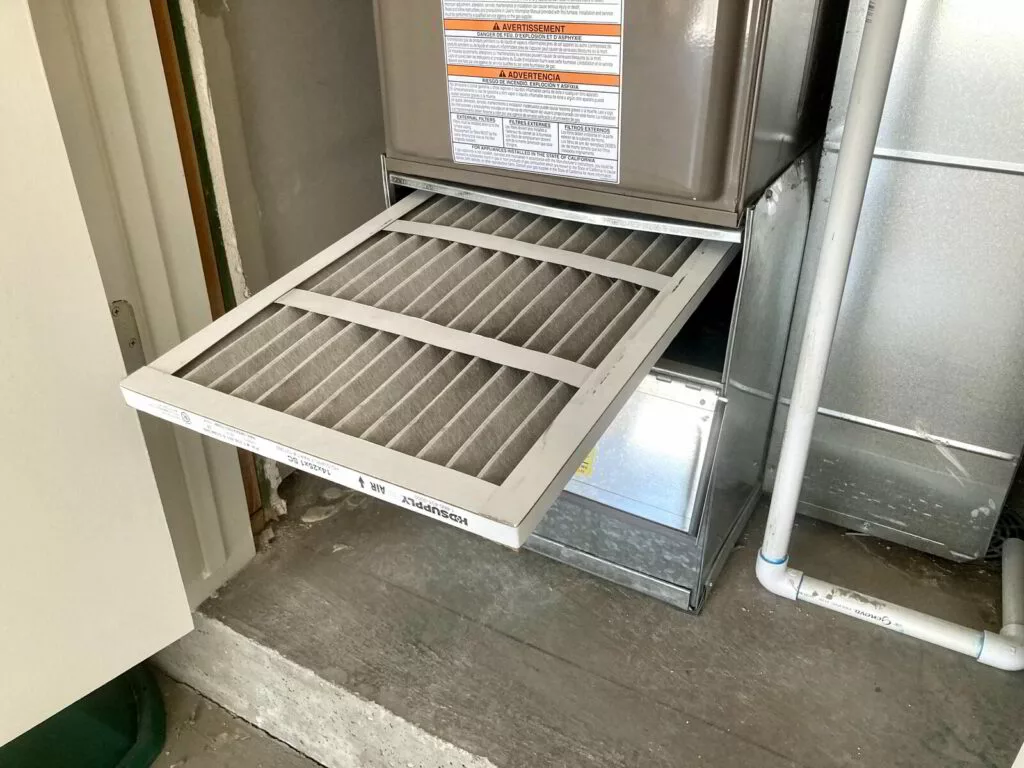
- At the Furnace Itself: Look for a slot or door along the side of the furnace where the return air duct connects. This is the most frequent location. You might see a small access panel secured with screws, clips, or a latch.
- In the Return Air Duct: If you can't find it at the furnace, trace the large return air duct (the one pulling air *into* the furnace) back towards its source. Sometimes, the filter is housed in a separate grill or slot built into the ductwork itself.
- At the Return Air Grille: In some cases, the filter is located right behind the return air grille inside the house. These grilles are typically larger than supply vents and often located in central hallways or living areas. Remove the grille to check for a filter.
Safety First! Before you start poking around, turn off the power to the furnace at the circuit breaker. This prevents accidental starts while you're working. Also, wear gloves and a mask to protect yourself from dust and allergens.
Step-by-Step Guide to Finding the Filter
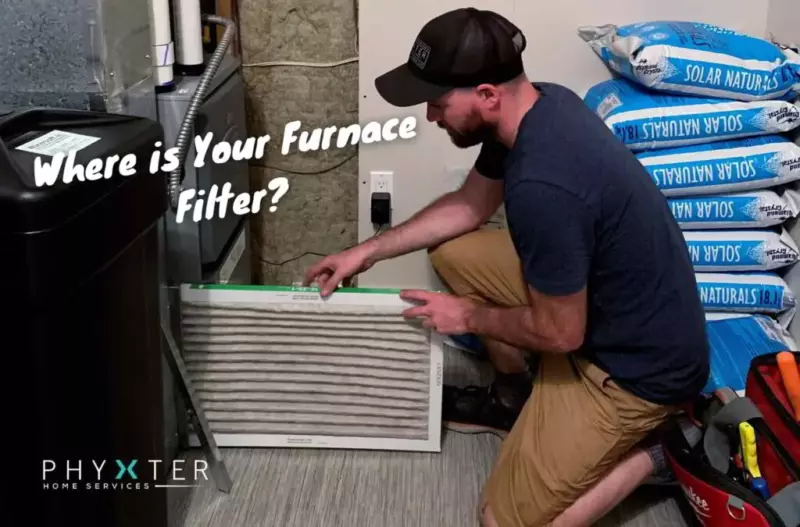
- Visual Inspection: Start by carefully examining the sides and bottom of the furnace. Look for any panels or doors that might indicate a filter access point. Use a flashlight to get a better view in dimly lit areas.
- Check the Ductwork: Follow the return air duct from the furnace back towards its origin. Look for any sections that appear to be removable or have a separate access panel.
- Inspect Return Air Grilles: Locate the return air grilles in your home. These are usually larger than the supply vents and often located in central areas. Remove the grille and see if a filter is located behind it.
- Consult the Manual: If you're still stumped, dig out your furnace's manual. It should have a diagram showing the filter location. If you don't have the physical manual, try searching online using the furnace's model number.
Pro Tip: Take a picture of the furnace's model number before you start. This will be helpful when ordering a replacement filter.
Changing the Filter: A DIY Guide
Once you've located the filter, changing it is usually a straightforward process.
Tools You'll Need:
- New furnace filter (correct size – more on that below)
- Screwdriver (if needed to remove access panel)
- Gloves
- Dust mask
- Vacuum cleaner (optional)
Steps:
- Turn off the Power: As mentioned before, safety first! Turn off the furnace at the circuit breaker.
- Remove the Access Panel: If the filter is behind an access panel, remove the screws, clips, or latches holding it in place.
- Slide Out the Old Filter: Carefully slide the old filter out of its slot. Pay attention to the direction of airflow (usually indicated by an arrow on the filter frame). You'll need to install the new filter in the same orientation.
- Clean the Area: Use a vacuum cleaner to remove any dust or debris from the filter compartment.
- Insert the New Filter: Slide the new filter into the slot, making sure the airflow arrow is pointing in the correct direction (usually towards the blower fan).
- Replace the Access Panel: Reattach the access panel and secure it with the screws, clips, or latches.
- Turn the Power Back On: Flip the breaker back on to restore power to the furnace.
Choosing the Right Filter
Selecting the correct filter size and type is crucial for optimal furnace performance and air quality.
- Size: The filter size is usually printed on the filter frame itself. If not, measure the opening where the filter slides in. Common sizes include 16x20x1, 20x20x1, 16x25x1, and 20x25x1 (all in inches).
- MERV Rating: The Minimum Efficiency Reporting Value (MERV) rating indicates the filter's ability to capture particles. Higher MERV ratings mean better filtration, but they can also restrict airflow. A MERV rating between 8 and 12 is generally recommended for residential use. Consult your furnace manual for specific recommendations.
- Filter Types:
- Fiberglass Filters: These are the cheapest option, but they offer minimal filtration.
- Pleated Filters: These are more effective at capturing particles than fiberglass filters. They are a good balance between filtration and airflow.
- Electrostatic Filters: These filters use an electrostatic charge to attract particles. They offer good filtration and are often washable.
- HEPA Filters: HEPA (High-Efficiency Particulate Air) filters are the most effective at capturing particles, but they can significantly restrict airflow and are not suitable for all furnaces.
Warning: Using a filter with too high of a MERV rating can restrict airflow, causing the furnace to overheat and potentially damage components.
Troubleshooting Filter-Related Issues
A dirty or incorrect filter can cause a variety of problems. Here are some common issues and how to address them:
- Reduced Airflow: This is the most common symptom of a dirty filter. The furnace may run longer to heat the house, and some rooms may be colder than others. Solution: Replace the filter.
- Furnace Overheating: A severely clogged filter can restrict airflow so much that the furnace overheats and shuts down. The furnace may cycle on and off frequently. Solution: Replace the filter immediately. If the furnace continues to overheat, call a professional.
- Increased Energy Bills: A dirty filter forces the furnace to work harder, resulting in higher energy consumption. Solution: Replace the filter regularly.
- Poor Air Quality: A dirty filter allows dust, pollen, and other allergens to circulate throughout the house. Solution: Replace the filter and consider using a higher MERV rating filter (if appropriate for your furnace).
- Frozen Evaporator Coil (in Cooling Mode): A dirty filter can reduce airflow to the evaporator coil, causing it to freeze. Solution: Replace the filter and allow the coil to thaw. If the coil freezes repeatedly, call a professional.
When to Call a Professional
While changing a furnace filter is a simple DIY task, some issues require the expertise of a qualified HVAC technician.
Call a professional if:
- You are uncomfortable working with electricity or gas appliances.
- You cannot locate the filter.
- The furnace continues to overheat after replacing the filter.
- The furnace is making unusual noises.
- You suspect a gas leak.
- The evaporator coil is freezing repeatedly.
- You are unsure about the correct filter size or MERV rating for your furnace.
- You have any doubts or concerns about the safety of your HVAC system.
Cost of Professional Filter Replacement
If you prefer to have a professional replace your furnace filter, expect to pay between $75 and $150, depending on your location and the complexity of the job. This usually includes the cost of the filter itself. However, be aware that many HVAC companies will roll this service into a larger maintenance contract. If you are already having issues with your furnace, a service call will likely cost more because it will include troubleshooting and diagnostics, plus the cost of replacing the filter.
Maintaining Your Furnace Filter: A Schedule
How often you need to change your furnace filter depends on several factors, including:
- The type of filter you use
- The number of people living in your home
- Whether you have pets
- The air quality in your area
As a general guideline, replace fiberglass filters monthly and pleated filters every 1-3 months. Check your filter monthly and replace it when it appears dirty.
Tip: Set a reminder on your phone or calendar to check your furnace filter regularly. This will help you maintain optimal furnace performance and air quality.
By understanding the location of your horizontal furnace filter and following these maintenance tips, you can keep your HVAC system running smoothly and efficiently.