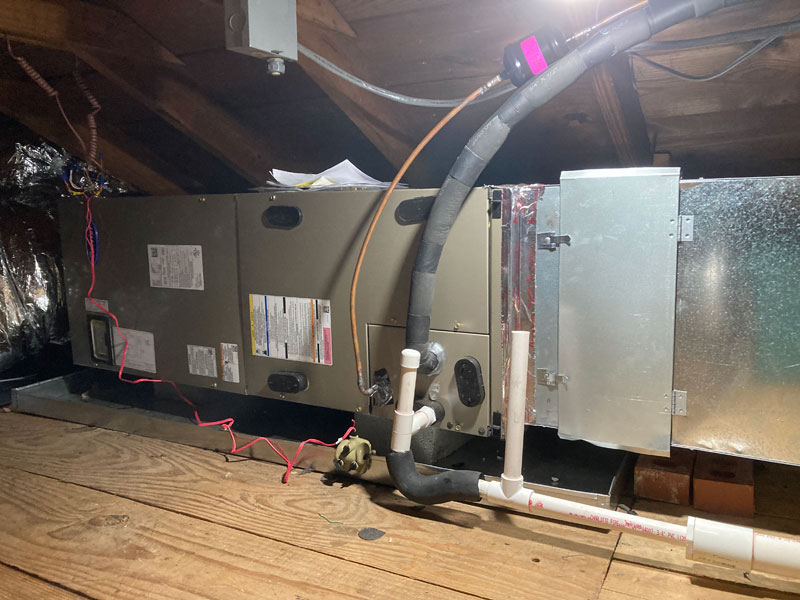
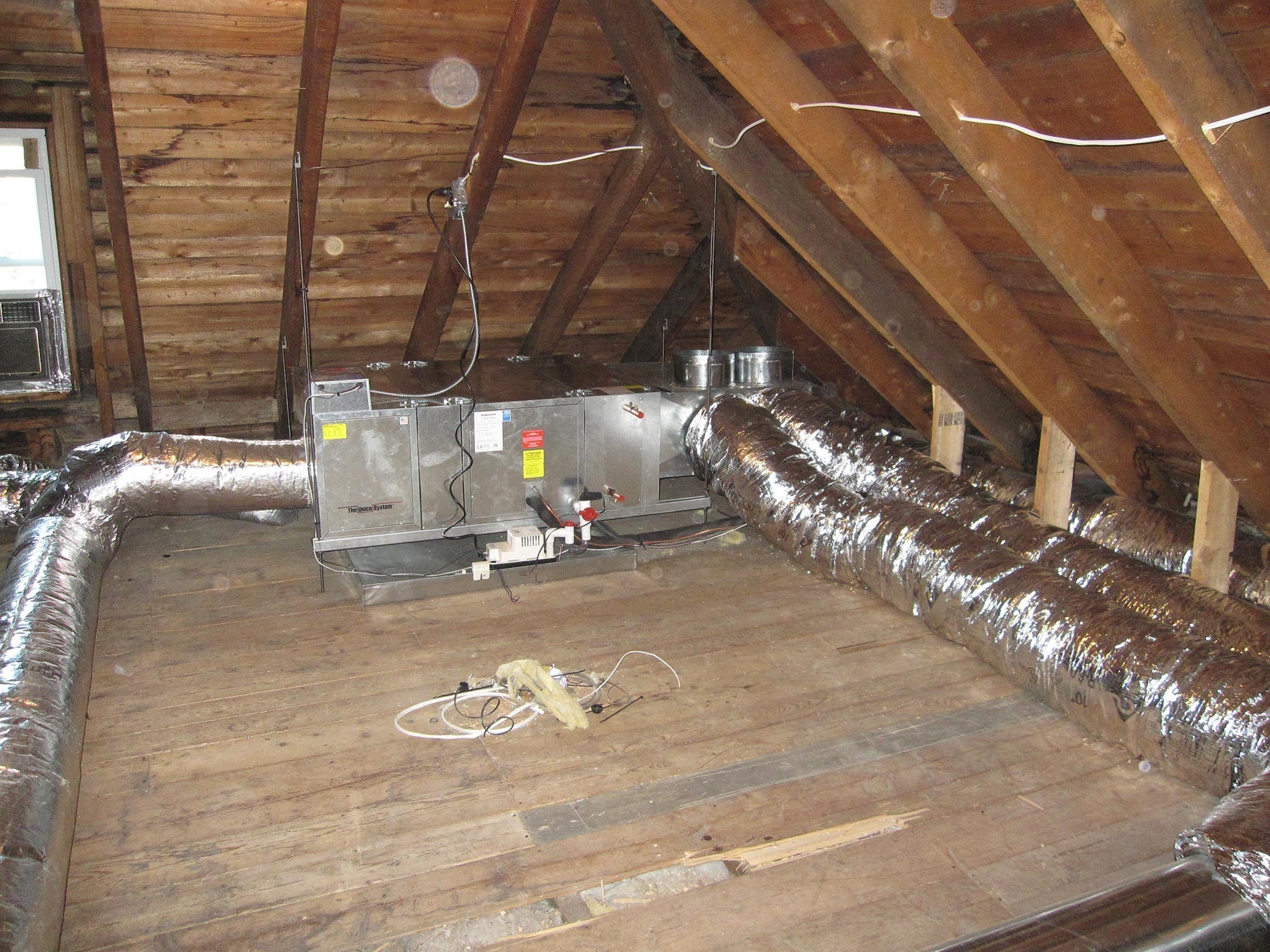
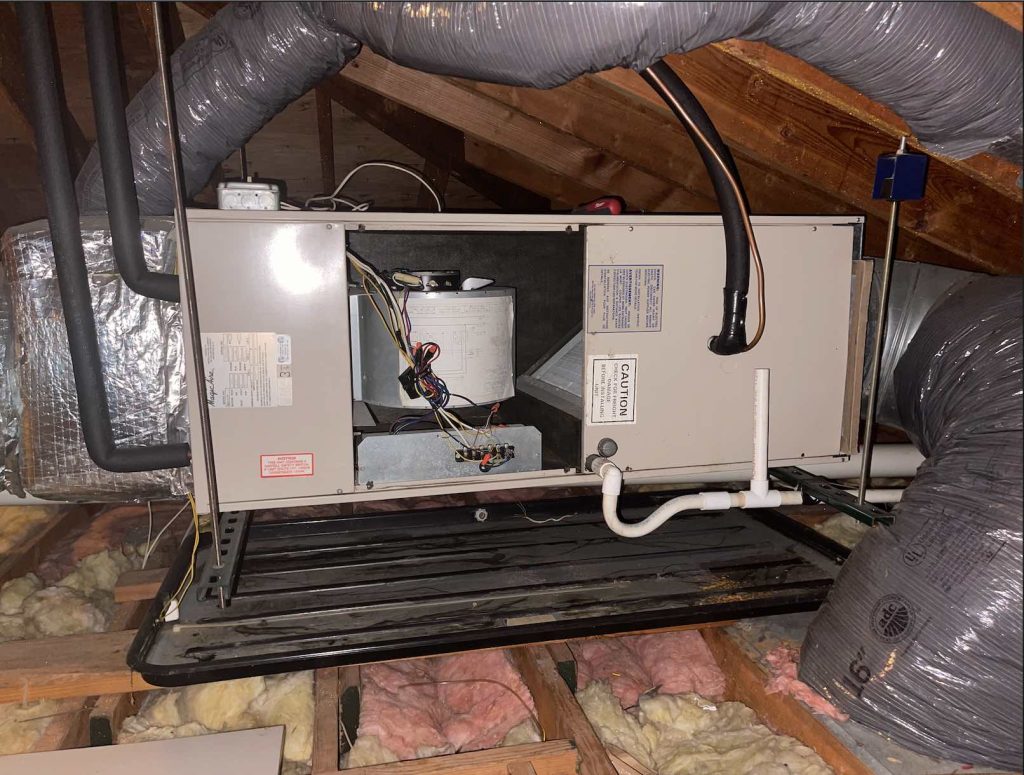
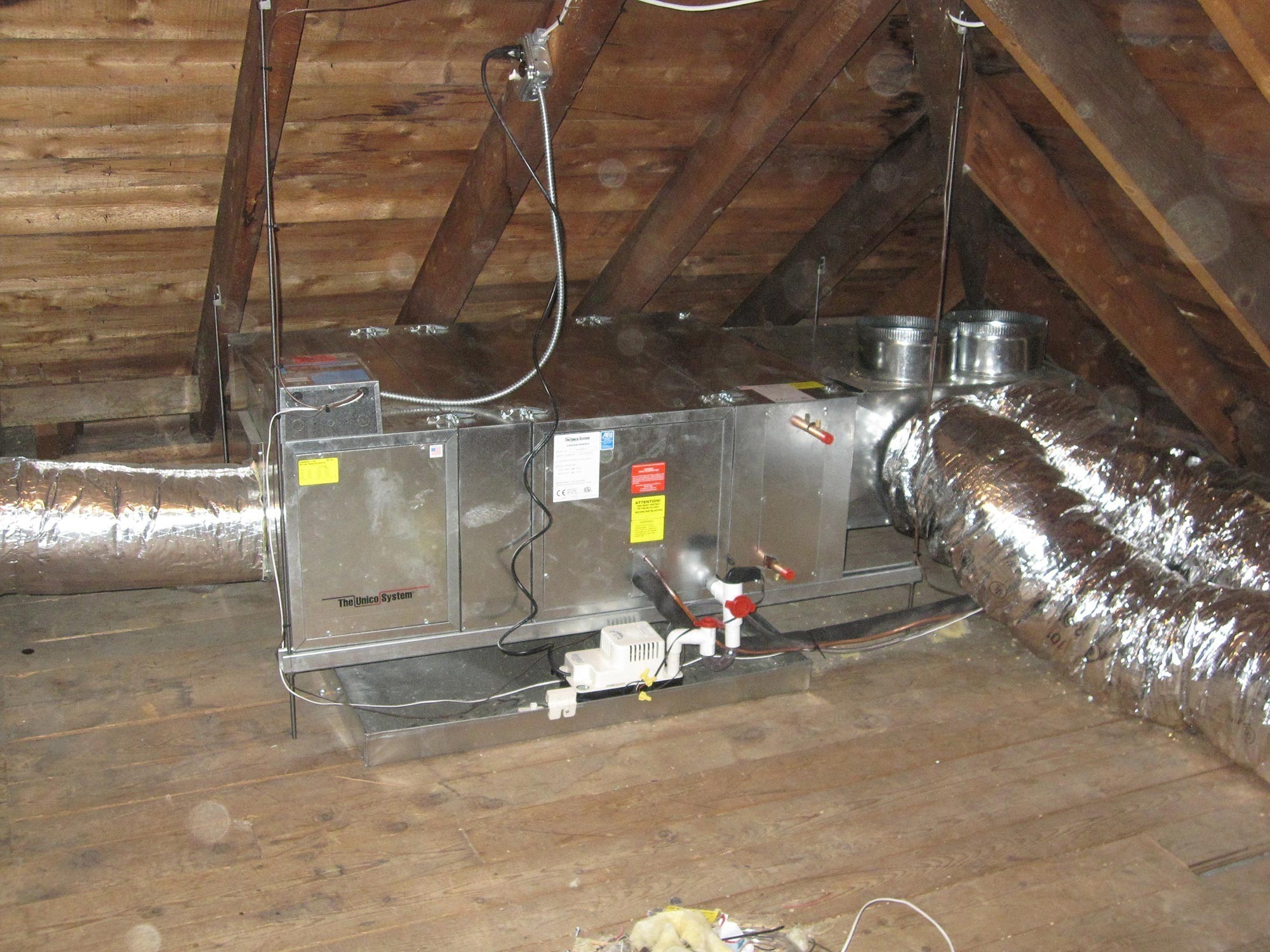
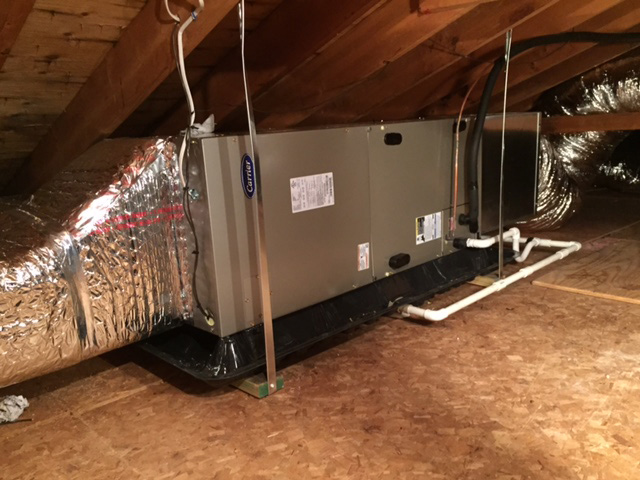
Horizontal Heater Furnace Air Handler For Attic
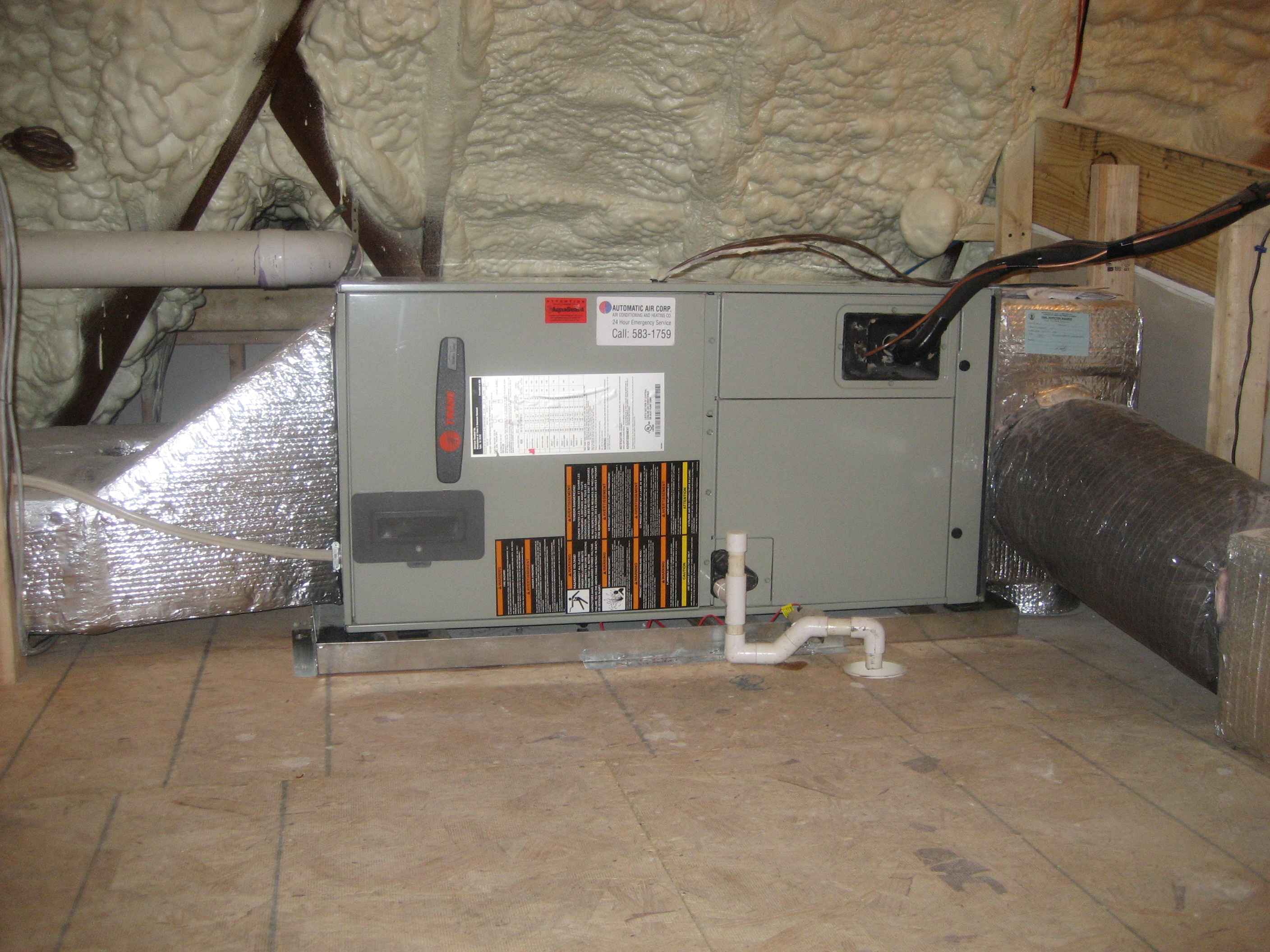
A common household frustration is a furnace that refuses to heat your home. When your attic-mounted, horizontal furnace air handler isn't blowing warm air, it's natural to feel a chill – and a sense of panic. Before calling a professional, let's explore some basic troubleshooting steps you can safely perform. This guide focuses on helping you identify and resolve simple issues, while emphasizing when it's crucial to call in the experts.
Safety First!
Safety is paramount. Before you begin any troubleshooting, always:
- Turn off the power to the furnace at the breaker box. Label the breaker clearly so no one accidentally switches it back on while you're working.
- If you smell gas, evacuate immediately and call your gas company or 911 from a safe location. Do not attempt to troubleshoot anything if you suspect a gas leak.
Step-by-Step Troubleshooting Guide
1. Check the Thermostat
This might seem obvious, but it's the first place to start. Often, the simplest solutions are the best.
- Is the thermostat set to "Heat"? Ensure it's not on "Cool" or "Off."
- Is the set temperature higher than the current room temperature? Increase the set temperature a few degrees to see if the furnace kicks on.
- Check the thermostat batteries. Low or dead batteries can cause the thermostat to malfunction. Replace them with fresh batteries.
- Is the thermostat properly programmed? If you have a programmable thermostat, ensure it's not set to an energy-saving mode that overrides your heating needs. Check the schedule to see if it's set correctly for the time of day and day of the week.
2. Inspect the Air Filter
A dirty air filter is a common culprit behind furnace problems. It restricts airflow, causing the furnace to overheat and potentially shut down.
- Locate the air filter. It's usually located near the air handler unit in the attic. Look for a slot or panel that slides open.
- Remove the filter and inspect it. If it's visibly dirty (covered in dust, debris, or pet hair), it needs to be replaced.
- Replace the filter with a new one of the correct size. The size is usually printed on the side of the old filter. Make sure to install it with the arrow pointing in the direction of airflow (usually towards the furnace).
- How often should you replace the air filter? The frequency depends on factors like pet ownership, allergies, and the type of filter. Generally, replacing it every 1-3 months is recommended.
3. Verify Power Supply
A lack of power is a common reason why a furnace won't turn on. Always double-check the breaker before proceeding further.
- Check the breaker panel. Locate the breaker labeled "Furnace" or "HVAC." Is it tripped (in the "Off" or middle position)?
- Reset the breaker. Flip the breaker to the "Off" position, then back to the "On" position.
- Listen for the furnace to start. If the breaker trips again immediately, do not continue resetting it. This indicates a potential electrical problem that requires professional attention. Call an electrician immediately.
- Check the furnace's power switch. Some furnaces have a separate power switch located on or near the unit. Ensure it's in the "On" position.
4. Examine the Pilot Light (for older furnaces) or Igniter (for newer furnaces)
This step is crucial, but also requires caution. If you smell gas at any point, stop immediately and call a professional. Newer furnaces typically use an electronic igniter, while older models have a pilot light.
Pilot Light (Older Furnaces)
- Locate the pilot light assembly. It's usually near the gas valve.
- Is the pilot light lit? If not, follow the furnace manufacturer's instructions to relight it. These instructions are typically printed on a label near the pilot light assembly.
- Troubleshooting a pilot light that won't stay lit:
- Check the thermocouple. This small metal rod senses the pilot light flame and keeps the gas valve open. A faulty thermocouple is a common cause of a pilot light that won't stay lit. Replacing a thermocouple is a relatively simple repair, but if you're uncomfortable working with gas, call a professional.
- Clean the pilot light orifice. A clogged orifice can prevent the pilot light from receiving enough gas. Use a small wire or needle to carefully clean the orifice.
Igniter (Newer Furnaces)
- Observe the igniter. When the furnace starts, you should see the igniter glow orange.
- If the igniter doesn't glow, it may be faulty and need to be replaced. Replacing an igniter is generally a job for a professional, as it involves working with electricity and gas. Call a qualified HVAC technician.
5. Inspect the Blower Motor
The blower motor circulates air throughout your home. If it's not working, the furnace may overheat and shut down.
- Listen for the blower motor. When the furnace is supposed to be running, can you hear the blower motor? If not, there could be a problem with the motor, its capacitor, or the wiring.
- Check the blower motor capacitor. This small cylindrical component helps start the blower motor. A failing capacitor is a common cause of blower motor failure.
- Disconnect power to the furnace completely before inspecting the capacitor.
- Visually inspect the capacitor for signs of damage, such as bulging, leaking, or corrosion.
- Replacing a capacitor can be dangerous if you don't know what you're doing. Capacitors store electricity even when the power is off. Consult a qualified HVAC technician for this repair.
- Check the blower motor wiring. Look for loose or damaged wires. If you see any damaged wiring, do not attempt to repair it yourself. Contact a qualified electrician.
6. Check the Flame Sensor (Newer Furnaces)
The flame sensor is a safety device that detects the presence of a flame. If it doesn't detect a flame, it shuts off the gas supply to prevent gas from building up.
- Locate the flame sensor. It's usually a small metal rod located near the burner.
- Clean the flame sensor. A dirty flame sensor is a common cause of furnace problems. Use a piece of fine steel wool or sandpaper to gently clean the flame sensor rod.
- If cleaning doesn't work, the flame sensor may be faulty and need to be replaced. This is generally a job for a professional. Call an HVAC technician.
7. Condensate Drain Line (for High-Efficiency Furnaces)
High-efficiency furnaces produce condensate (water) as a byproduct of combustion. This water needs to be drained away. A clogged condensate drain line can cause the furnace to shut down.
- Locate the condensate drain line. It's usually a PVC pipe that runs from the furnace to a drain.
- Check for clogs. Look for any visible obstructions in the drain line.
- Clear the drain line. You can try using a wet/dry vacuum to suck out any clogs. You can also try using a stiff wire to dislodge any blockages.
- Pour a cup of distilled white vinegar down the drain line to help prevent future clogs.
When to Call a Professional
While this guide provides some basic troubleshooting steps, there are many situations where it's best to call a qualified HVAC technician. Never attempt repairs you're uncomfortable with. It's always better to be safe than sorry.
Call a professional if:
- You smell gas.
- The breaker trips repeatedly.
- You suspect a gas leak.
- You're uncomfortable working with electricity or gas.
- You're not able to identify the problem.
- The furnace requires complex repairs, such as replacing the gas valve, heat exchanger, or control board.
- You suspect a carbon monoxide leak. Install carbon monoxide detectors in your home, especially near sleeping areas.
Preventive Maintenance
The best way to avoid furnace problems is to perform regular preventive maintenance. Here are some tips:
- Replace the air filter regularly (every 1-3 months).
- Have your furnace professionally inspected and cleaned annually. This will help ensure that it's running efficiently and safely.
- Keep the area around the furnace clean and free of debris.
- Check the flue pipe for obstructions. This pipe vents exhaust gases from the furnace to the outside. A blocked flue pipe can be dangerous.
By following these troubleshooting steps and preventive maintenance tips, you can help keep your attic-mounted, horizontal furnace air handler running smoothly and efficiently. Remember, safety always comes first. When in doubt, call a professional!