Hot Water Check Valves For Recirculating
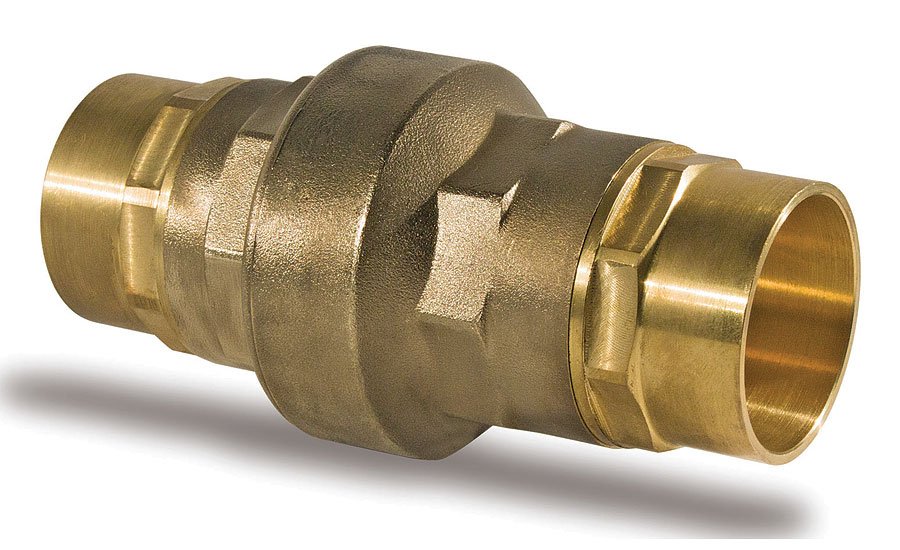
Understanding Hot Water Check Valves in Recirculating Systems: A Comprehensive Guide
Hot water recirculating systems are becoming increasingly common in residential and commercial buildings. They provide on-demand hot water, reduce water waste, and contribute to energy efficiency. A crucial component in these systems is the hot water check valve. This article provides a detailed overview of these valves, their function, selection, installation, maintenance, and relevance to HVAC careers.
What is a Hot Water Check Valve and Why is it Important?
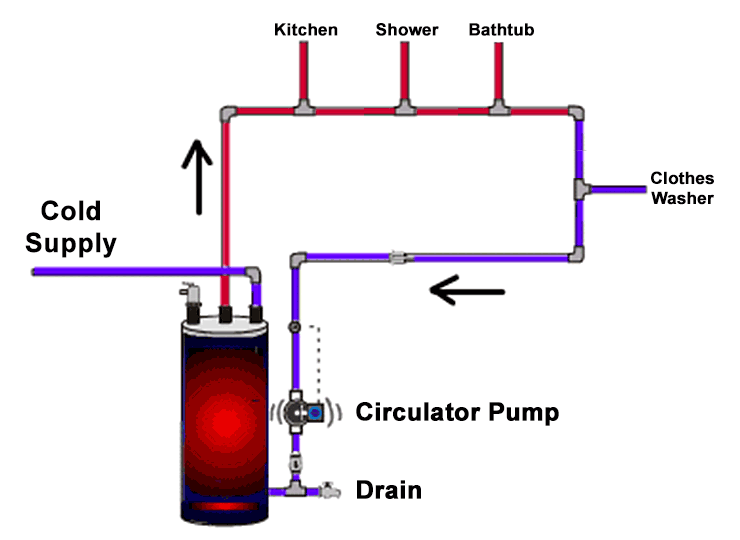
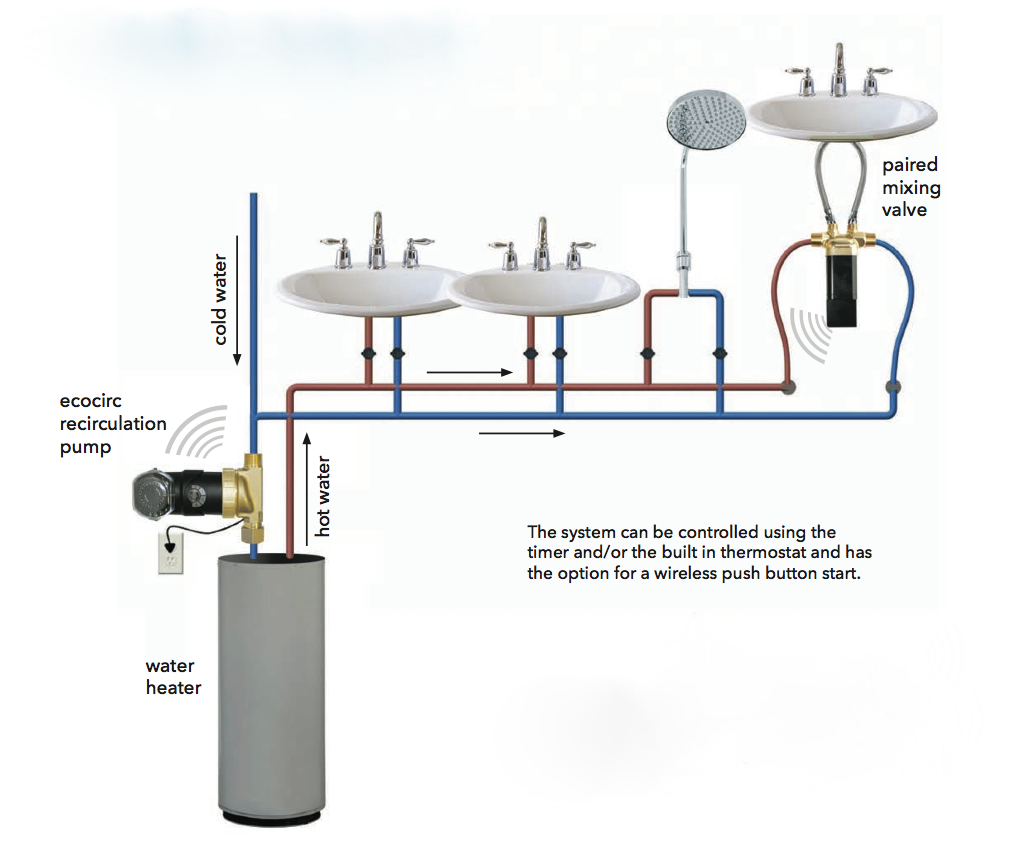
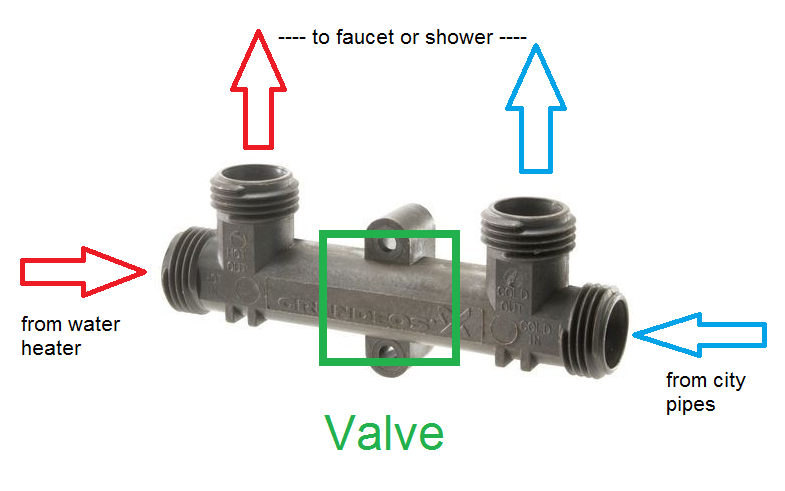
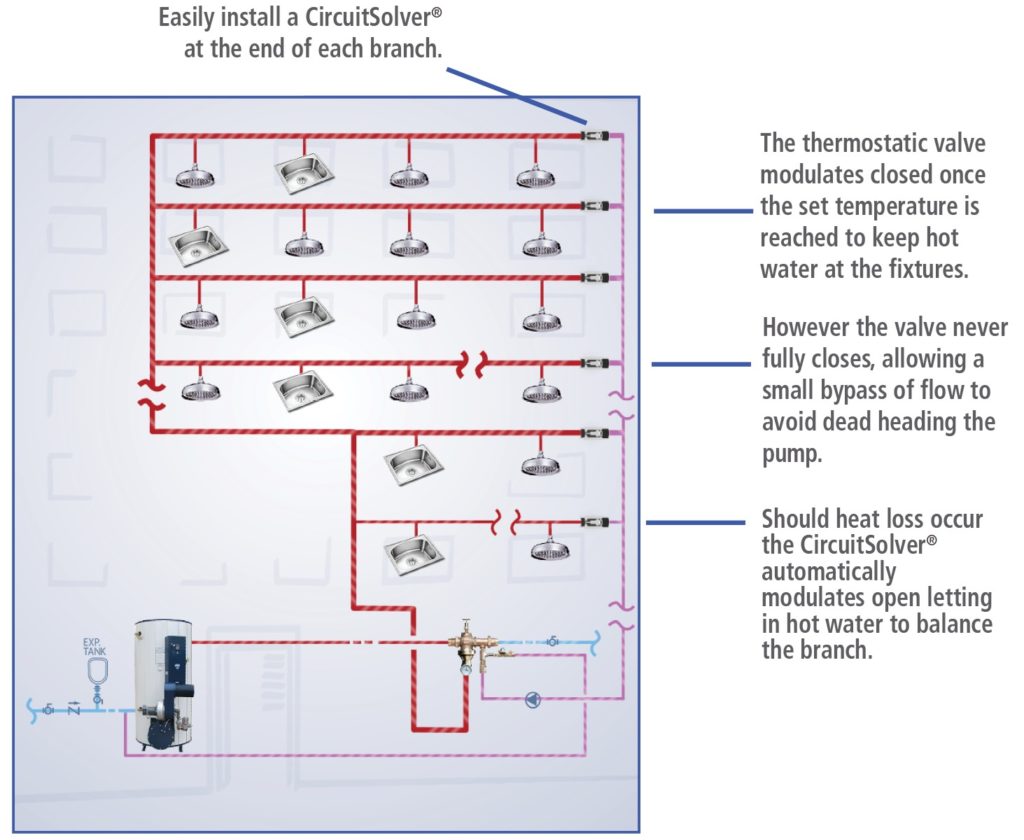
A check valve, in general, is a one-way valve that allows fluid to flow in only one direction, preventing backflow. In a hot water recirculating system, the hot water check valve ensures that hot water moves in the intended direction from the water heater, through the supply lines, back to the heater via the return line. This prevents cold water from flowing backward into the hot water supply and maintains consistent hot water availability at fixtures.
Without a properly functioning check valve, the system's efficiency decreases significantly. Backflow can lead to:
- Cooler hot water temperatures at fixtures
- Increased energy consumption as the water heater works harder to maintain temperature
- Unnecessary wear and tear on the recirculating pump
- Potential for water hammer, which can damage pipes
Types of Hot Water Check Valves
Several types of check valves are used in hot water recirculating systems. The selection depends on factors like pipe size, flow rate, and system pressure:
- Swing Check Valves: These are simple and reliable, using a hinged disc that swings open to allow flow and closes against backflow. They are generally suitable for larger pipe sizes but require a certain flow velocity to operate effectively.
- Spring Check Valves: These valves use a spring to keep the valve closed until sufficient pressure from the incoming flow overcomes the spring force. They are more responsive than swing check valves and work well in systems with varying flow rates. They are a good choice for smaller pipe sizes and systems with low flow.
- Ball Check Valves: A ball check valve uses a ball to block the flow path. When pressure is applied from the input side, the ball moves out of the way, allowing flow. When the pressure stops, the ball returns to its seat, preventing backflow.
- Silent Check Valves: These valves are designed to minimize water hammer. They often incorporate a spring-assisted closing mechanism that prevents the disc from slamming shut. They are quieter and more effective at preventing water hammer than standard check valves.
Selecting the Right Check Valve
Choosing the correct check valve is crucial for optimal system performance. Consider these factors:
- Size: The valve size must match the pipe size to ensure proper flow.
- Material: Choose materials compatible with potable water and resistant to corrosion. Common materials include brass, bronze, stainless steel, and CPVC.
- Pressure Rating: The valve's pressure rating must exceed the maximum system pressure.
- Temperature Rating: Ensure the valve can withstand the maximum operating temperature of the hot water system.
- Flow Rate: Select a valve with a flow rate capacity that matches the system's requirements.
Installation and Maintenance
Proper installation and regular maintenance are essential for the longevity and performance of hot water check valves.
Installation Tips:
- Follow the manufacturer's instructions carefully.
- Ensure the valve is installed in the correct orientation (indicated by an arrow on the valve body).
- Use appropriate pipe fittings and sealant to prevent leaks.
- Support the piping near the valve to prevent stress on the valve body.
Maintenance:
- Regularly inspect the valve for leaks or signs of corrosion.
- Flush the system periodically to remove sediment that could interfere with the valve's operation.
- If the valve malfunctions, it may need to be disassembled, cleaned, or replaced.
The HVAC Professional and Hot Water Systems: Career Paths and Opportunities
Understanding hot water recirculating systems and their components, including check valves, is an increasingly valuable skill for HVAC professionals. Here are some career paths where this knowledge is essential:
- HVAC Technician: Install, maintain, and repair hot water systems in residential and commercial buildings.
- Plumbing Technician: Similar responsibilities to HVAC technicians, but with a focus on plumbing systems.
- Energy Auditor: Evaluate the energy efficiency of buildings and recommend improvements, including optimizing hot water systems.
- HVAC System Designer: Design and specify hot water systems for new construction and renovation projects.
The demand for skilled HVAC technicians is projected to grow in the coming years. According to the Bureau of Labor Statistics, the median annual wage for HVAC mechanics and installers was $51,910 in May 2022. The job outlook is projected to grow 6 percent from 2022 to 2032, about as fast as the average for all occupations. Approximately 39,200 openings for HVAC mechanics and installers are projected each year, on average, over the decade.
Salaries can vary based on experience, location, and certifications. Experienced technicians in high-demand areas can earn significantly more.
Certifications: Enhancing Your Credibility and Marketability
Obtaining relevant certifications can significantly boost your career prospects and earning potential. Some key certifications for HVAC professionals include:
- NATE (North American Technician Excellence): This is a leading certification program for HVAC technicians, demonstrating competency in specific areas like installation, service, and maintenance.
- EPA Section 608 Certification: Required for technicians who handle refrigerants.
- HVAC Excellence: Another reputable certification program that offers a range of certifications for HVAC technicians.
- Manufacturer-Specific Certifications: Many manufacturers offer certifications for their specific equipment.
Investing in training and certifications demonstrates your commitment to the profession and enhances your credibility with employers and customers.
The Future of Hot Water Systems and HVAC
The HVAC industry is constantly evolving, with a growing emphasis on energy efficiency, sustainability, and smart technology. Hot water systems are no exception. Trends to watch include:
- Tankless Water Heaters: These on-demand water heaters are becoming increasingly popular due to their energy efficiency.
- Smart Water Heaters: These devices use sensors and algorithms to optimize water heating based on usage patterns.
- Heat Pump Water Heaters: These highly efficient water heaters use heat pump technology to transfer heat from the air to the water.
As these technologies become more widespread, HVAC professionals will need to stay up-to-date on the latest advancements to remain competitive.
Real-World Example: From Apprentice to HVAC Specialist
Consider the career trajectory of Sarah, a recent graduate of an HVAC technical school. She started as an apprentice, assisting experienced technicians with installations and repairs. She focused on learning the fundamentals of hot water systems, including the importance of check valves and proper system design. After completing her apprenticeship and obtaining her NATE certification, Sarah was hired as a full-time HVAC technician. She now specializes in installing and maintaining high-efficiency hot water systems and is a valuable asset to her company.
"Understanding the fundamentals of hot water systems, including components like check valves, was crucial for my success," says Sarah. "The NATE certification gave me the confidence and credibility I needed to advance my career."
Conclusion
Hot water check valves are essential components in recirculating systems, ensuring efficient operation and consistent hot water availability. Understanding their function, selection, installation, and maintenance is crucial for HVAC professionals. By staying informed about industry trends, obtaining relevant certifications, and continuously developing their skills, HVAC professionals can build successful and rewarding careers in this growing field.
Employers seeking qualified technicians should prioritize candidates with relevant certifications and experience working with hot water systems. Investing in employee training and development is essential for maintaining a skilled workforce and meeting the evolving demands of the HVAC industry.