Hot Water Heater Circuit Breaker Size

One of the most frustrating experiences a homeowner can face is a cold shower when you’re expecting a hot one. Often, the culprit is a tripped circuit breaker dedicated to your hot water heater. But why does this happen, and what can you do about it? This article will walk you through diagnosing and addressing common issues related to your hot water heater's circuit breaker, ensuring you can restore hot water safely and effectively.
Understanding the Basics: Your Hot Water Heater and Its Circuit Breaker
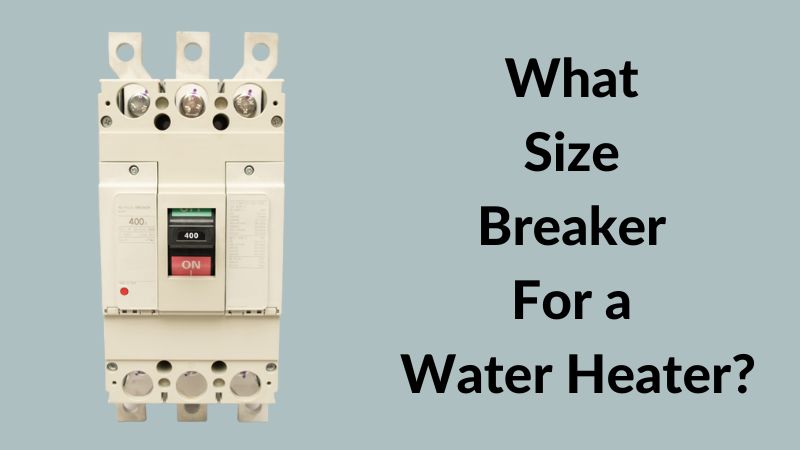
Your hot water heater is a high-energy appliance. It uses a significant amount of electricity to heat water to a usable temperature. To handle this energy demand, it’s connected to a dedicated circuit with a specific size circuit breaker. The circuit breaker's job is to protect the wiring from overheating due to excessive current. When the current exceeds the breaker's rating, it trips, cutting off power to prevent a fire.
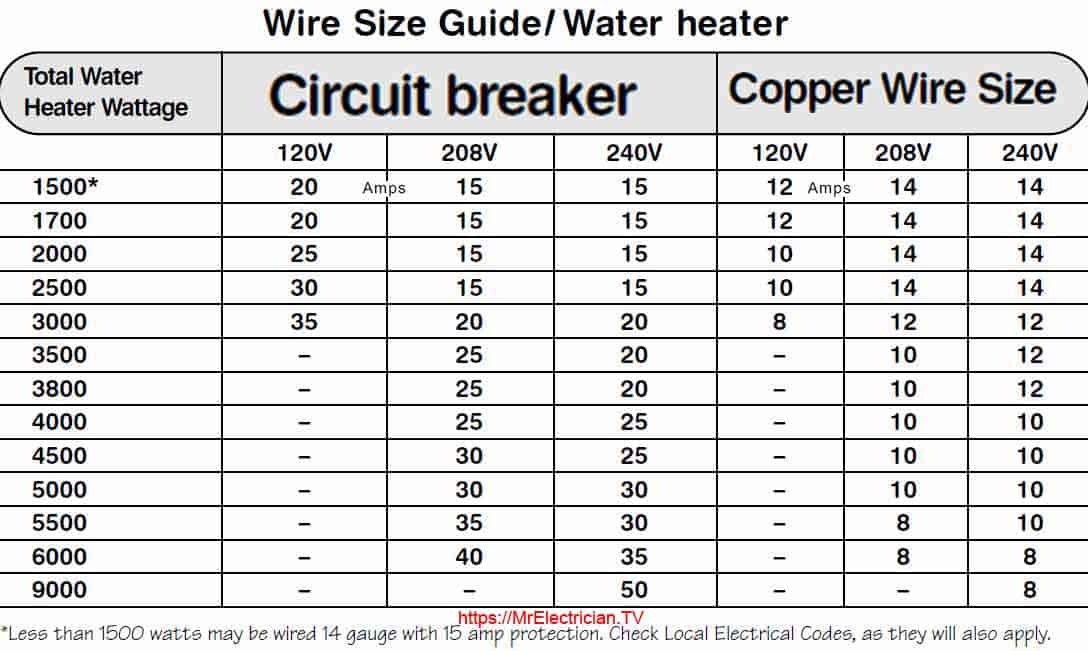
The size of the circuit breaker (measured in amps) is crucial. If the breaker is too small, it will trip frequently. If it's too large, it won't protect the wiring effectively, posing a significant fire hazard. Therefore, it's essential to have the correct breaker size for your hot water heater.
Problem: The Circuit Breaker Trips Repeatedly
The most common symptom is a circuit breaker that trips repeatedly, leaving you with cold water. This can happen sporadically or every time the water heater tries to heat water. Before calling an electrician, let's investigate some potential causes you can address yourself.
Step 1: Safety First!
Before doing anything, always turn off the circuit breaker for the hot water heater at the main electrical panel. Double-check that the power is off by testing the circuit with a non-contact voltage tester at the hot water heater disconnect switch (if present) or directly at the heater terminals after carefully removing the access panel. If you are uncomfortable working with electricity, call a qualified electrician.
Step 2: Inspect the Circuit Breaker
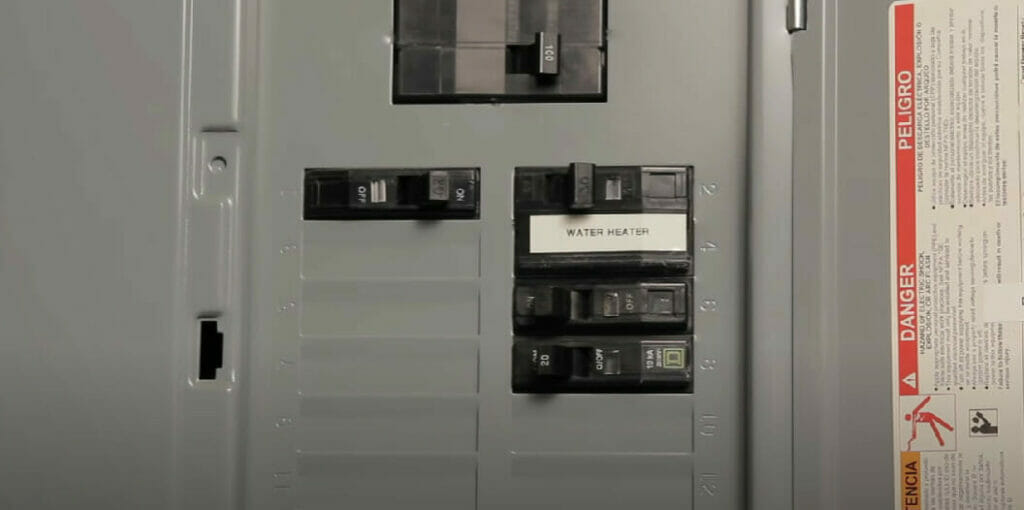
Go to your electrical panel and visually inspect the breaker. Look for signs of damage, such as:
- Discoloration: A burnt or discolored breaker indicates it has overheated.
- Cracks: Visible cracks in the breaker housing.
- Loose connections: Check if the wire connected to the breaker is loose.
If you notice any of these issues, the breaker itself may be faulty and needs to be replaced. This is best left to a qualified electrician.
Step 3: Resetting the Breaker (The Right Way)
If the breaker looks OK, try resetting it properly. A tripped breaker often needs to be moved past the "off" position before it can be switched to "on." Here's how:
- Push the breaker firmly to the "off" position.
- Push the breaker fully to the "on" position.
Sometimes, a breaker needs to be reset multiple times to engage properly. If it immediately trips again, do not keep trying to reset it. There's likely a more significant problem.
Step 4: Checking for Overloads on the Circuit
Consider whether you're running other high-energy appliances on the same circuit as the water heater. While a dedicated circuit is ideal, older homes might have appliances sharing circuits. Common culprits include:
- Electric dryers
- Air conditioners
- Microwave ovens
- Space heaters
Try reducing the load on the circuit by avoiding using these appliances simultaneously with the water heater. If the breaker stops tripping, you may need to have an electrician install a dedicated circuit for the water heater.
Step 5: Examining the Water Heater's Wiring
Again, ensure the power is OFF at the breaker before proceeding.
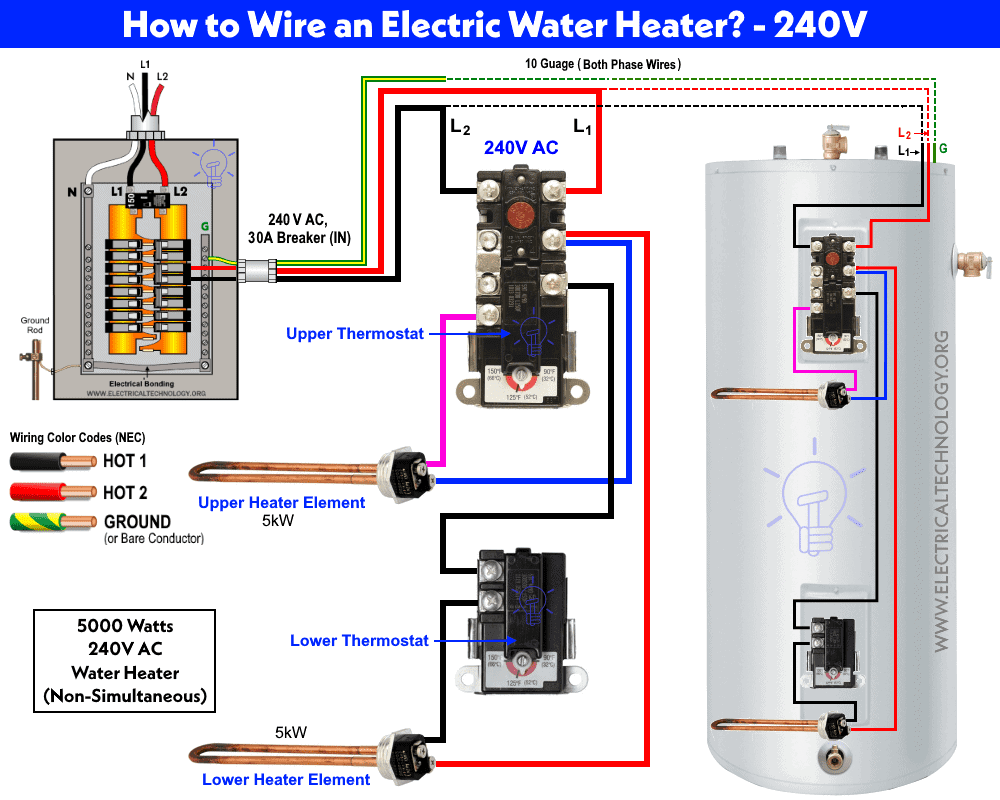
Carefully remove the access panel(s) on the water heater to expose the wiring connections. Use a flashlight to inspect the wiring for:
- Loose connections: Tighten any loose wire connections. Be sure not to overtighten them.
- Corrosion: Clean off any corrosion from the wire connections.
- Burned or damaged wires: Look for signs of burning, melting, or fraying on the wires.
If you find damaged wiring, do not attempt to repair it yourself. This is a fire hazard. Call a qualified electrician to replace the damaged wiring.
Step 6: Testing the Heating Elements
A common cause of a tripped breaker is a faulty heating element. Water heaters typically have two elements, one near the top and one near the bottom.
Important: Before testing, completely drain the water heater. This is crucial to prevent damage to the elements and ensure accurate readings. Consult your water heater's manual for draining instructions. Usually, it involves turning off the cold water supply, connecting a hose to the drain valve at the bottom of the tank, and opening a hot water faucet somewhere in the house to allow air to enter the tank.
Once the tank is drained and the power is still off, you can test the heating elements with a multimeter. Here's how:
- Set your multimeter to the ohms (Ω) setting.
- Disconnect the wires from one of the heating element terminals.
- Place one multimeter probe on each terminal of the heating element.
- Record the reading.
- Repeat for the other heating element.
A good heating element should have a resistance reading within the range specified in your water heater's manual (usually between 10 and 20 ohms). If the reading is zero (short circuit) or infinite (open circuit), the element is faulty and needs to be replaced.
Replacing a heating element is a relatively straightforward DIY project, but requires disconnecting the power and draining the tank first. New elements are inexpensive and readily available at hardware stores. Be sure to purchase elements that are the correct voltage and wattage for your water heater.
After replacing the element(s), refill the tank completely before turning the power back on. This prevents the new elements from burning out immediately.
Step 7: Checking the Thermostat(s)
Each heating element has a corresponding thermostat. These thermostats regulate the temperature of the water and can sometimes malfunction, causing the heating element to overheat and trip the breaker.
While you can test the thermostat for continuity, it's often easier and more reliable to simply replace it when replacing the heating element. Thermostats are also inexpensive and readily available. Again, be sure to purchase thermostats that are the correct voltage and amperage for your water heater.
Important: When replacing the thermostat, take a picture of the wiring configuration before disconnecting anything. This will help you reconnect the wires correctly.
Step 8: Inspecting the Water Heater for Leaks
A leak in the water heater can cause water to come into contact with electrical components, leading to a short circuit and a tripped breaker. Inspect the water heater for any signs of leaks, such as:
- Water puddles around the base of the tank
- Dripping from the tank or connections
- Rust or corrosion on the tank or connections
If you find any leaks, shut off the water supply to the heater immediately. A leaking water heater needs to be repaired or replaced, and this is typically a job for a qualified plumber.
When to Call a Professional
While many of these troubleshooting steps can be performed safely by homeowners, there are situations where it's best to call a qualified electrician or plumber. Do not attempt any repairs you are uncomfortable with or unsure about.
Here are some instances where professional help is required:
- Damaged Circuit Breaker: If the circuit breaker itself is damaged (discolored, cracked, loose connections), it needs to be replaced by an electrician.
- Damaged Wiring: If you find burned, melted, or frayed wiring, do not attempt to repair it yourself. An electrician can safely replace the damaged wiring.
- Persistent Tripping: If the breaker continues to trip after you've tried all the troubleshooting steps, there's likely a more serious problem that requires professional diagnosis.
- Electrical Panel Issues: If you have any concerns about your electrical panel, such as buzzing sounds, flickering lights, or a burning smell, call an electrician immediately.
- Water Heater Leaks: Significant leaks require professional plumbing assistance to repair or replace the water heater.
- Unsure or Uncomfortable: If at any point you feel unsure about what you're doing or uncomfortable working with electricity, stop and call a professional.
Preventive Measures
Here are a few tips to help prevent future problems with your hot water heater's circuit breaker:
- Regularly Inspect: Periodically inspect your water heater, wiring, and circuit breaker for any signs of damage or corrosion.
- Proper Breaker Size: Ensure that the circuit breaker is the correct size for your water heater. Consult your water heater's manual or a qualified electrician to verify.
- Avoid Overloading: Avoid overloading the circuit by not using other high-energy appliances simultaneously with the water heater.
- Professional Maintenance: Have your water heater professionally inspected and maintained every few years to identify and address potential problems before they become major issues.
By following these troubleshooting steps and preventative measures, you can often resolve common issues with your hot water heater's circuit breaker and enjoy a reliable supply of hot water. Remember, safety is always the top priority. When in doubt, call a qualified professional.