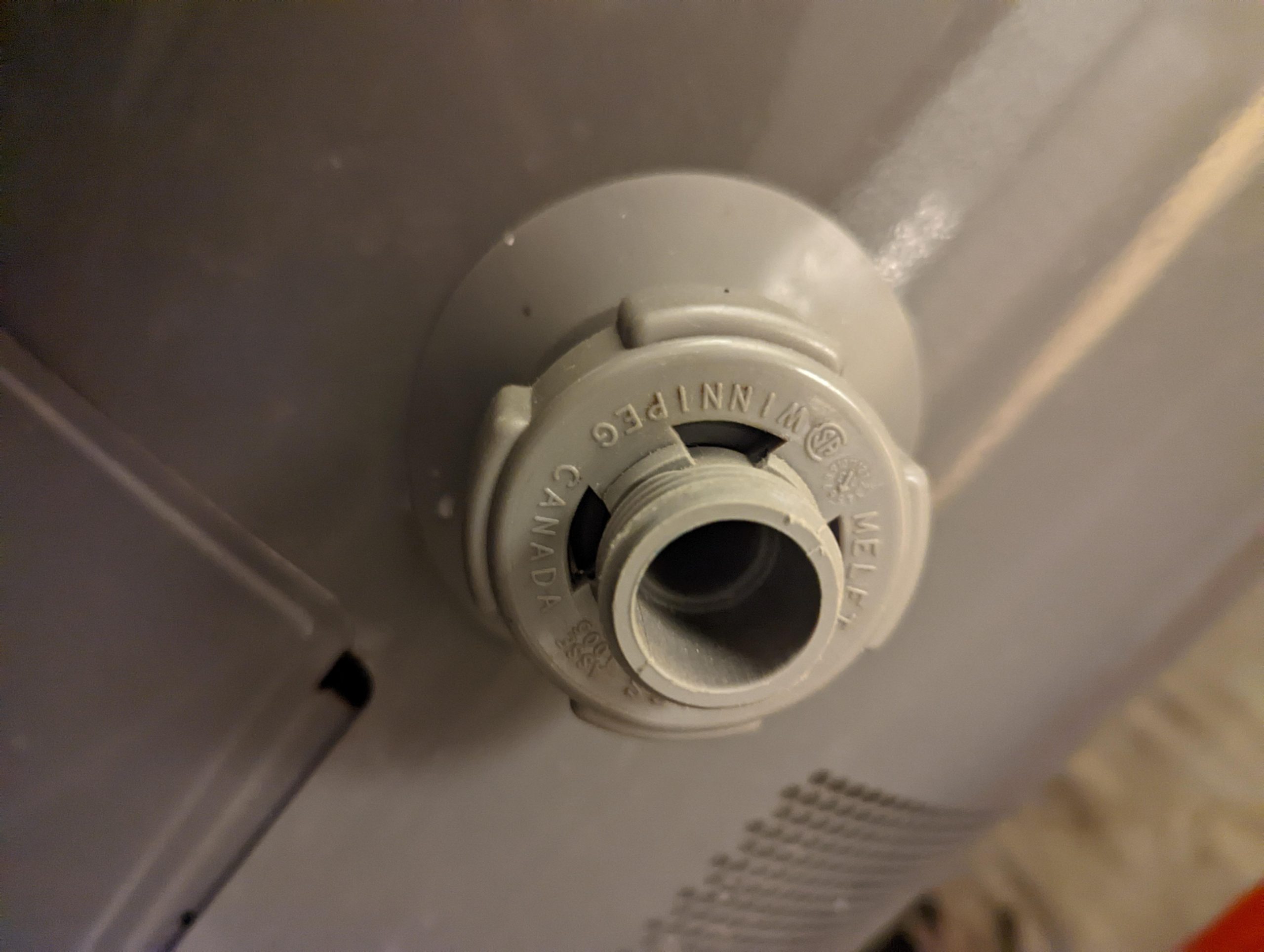
Hot Water Heater Leaking From Drain Valve
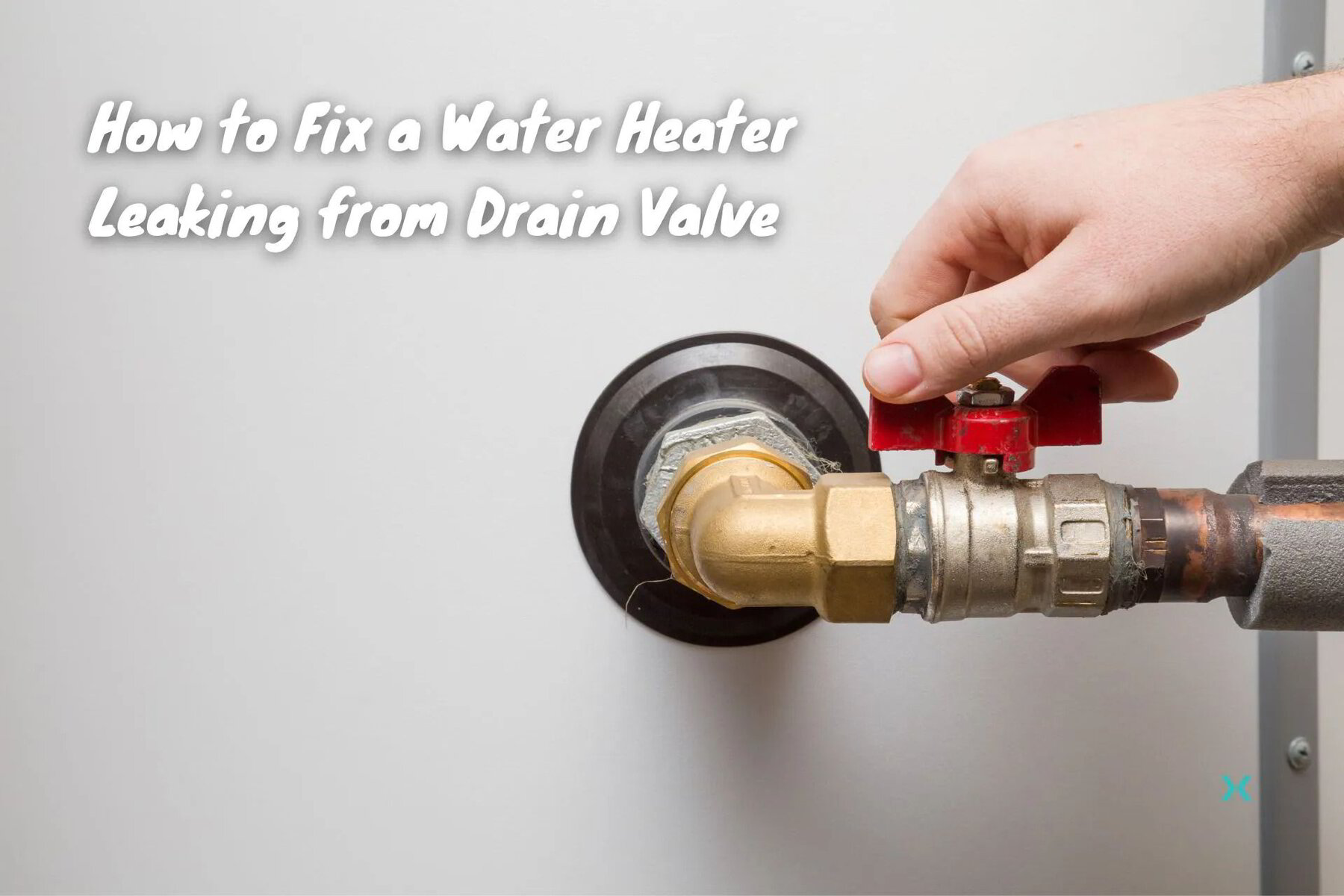
Frequently Asked Questions: Hot Water Heater Leaking From Drain Valve
Discovering a leak coming from your hot water heater's drain valve can be concerning. This FAQ aims to provide you with clear, straightforward answers to common questions about this issue, helping you understand the potential causes and how to address them effectively.
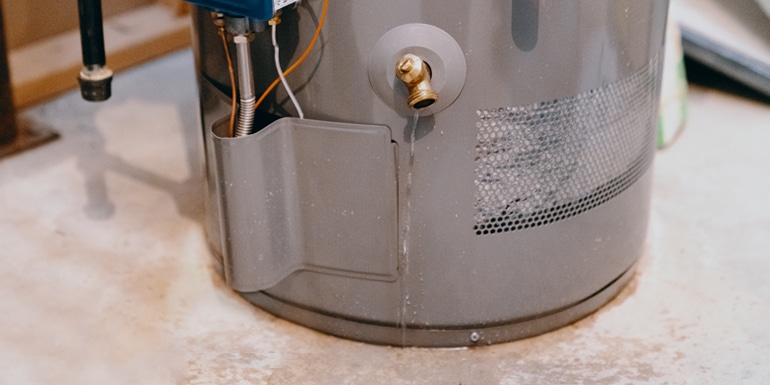
Q: Why is my hot water heater drain valve leaking?
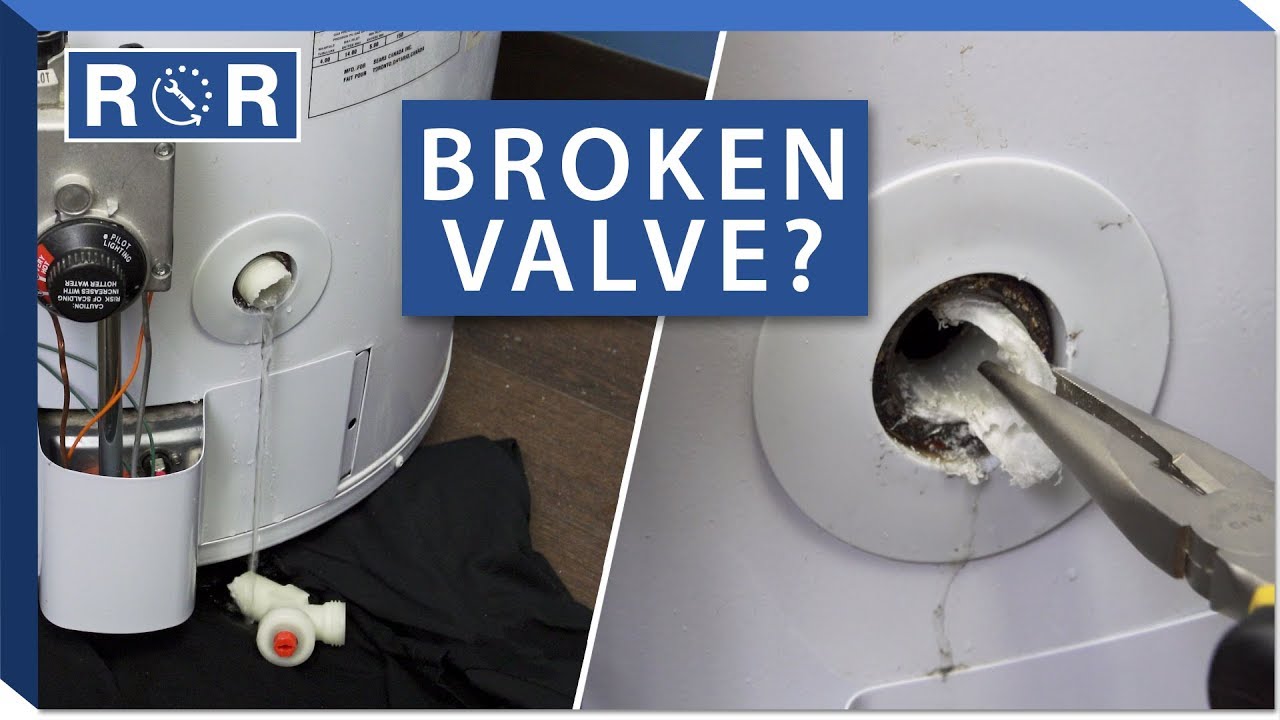
There are several reasons why your hot water heater drain valve might be leaking. Understanding the cause is the first step in fixing the problem.
- Loose Valve: The most common reason is simply a loose drain valve. Over time, the valve can vibrate or loosen, creating a small opening for water to escape.
- Corroded Valve: Corrosion can damage the valve seat, the part that creates a watertight seal. This corrosion is often caused by minerals in the water.
- Sediment Buildup: Sediment can accumulate inside the tank and around the drain valve, preventing it from sealing properly. Small pieces of sediment can get lodged within the valve, allowing water to seep through.
- Worn Washer or O-Ring: Many drain valves contain rubber washers or O-rings that create a tight seal. Over time, these components can deteriorate, crack, or become brittle, leading to leaks.
- Damaged Valve Body: In some cases, the drain valve itself may be physically damaged due to impact or wear and tear. This is less common but can happen. Freezing temperatures can also cause a valve body to crack.
- High Water Pressure: Excessively high water pressure can put strain on the drain valve, potentially causing it to leak. If your home's water pressure is too high, you might want to consider installing a pressure regulator.
Q: Is a leaking drain valve a serious problem?
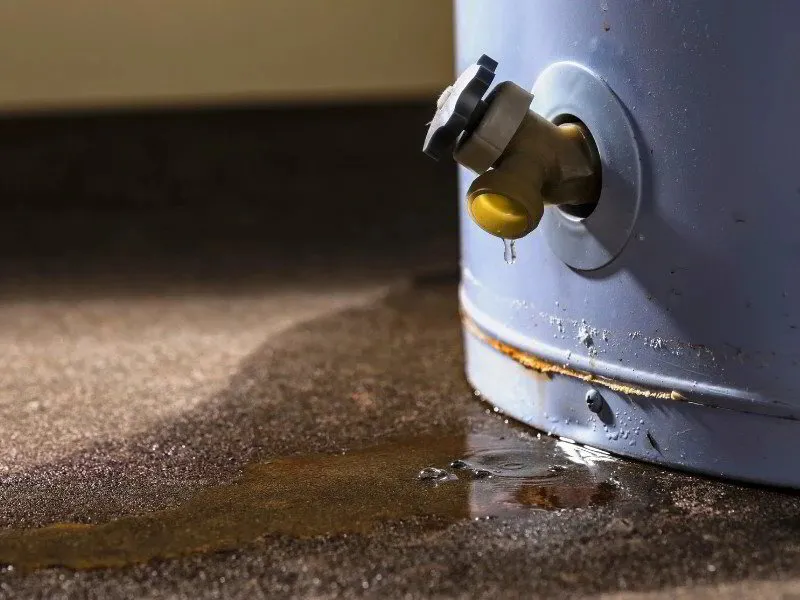
Yes, a leaking drain valve should be addressed promptly, even if the leak seems minor. While a small drip might not seem urgent, it can lead to several problems if left unattended.
- Water Damage: Even a slow leak can cause significant water damage to your flooring, walls, and surrounding structures over time. This can lead to costly repairs and mold growth.
- Increased Water Bill: A continuous leak, even a small one, can significantly increase your water bill. The wasted water adds up over time.
- Corrosion and Rust: The leaking water can accelerate corrosion and rust on the water heater and surrounding components, potentially shortening the lifespan of your appliance.
- Mold Growth: Leaking water creates a damp environment that is ideal for mold growth. Mold can cause health problems and further damage to your home.
- Complete Water Heater Failure: If the drain valve fails completely, it can lead to a significant water leak and potentially a flooded basement or utility room.
In short, addressing a leaking drain valve promptly can prevent more serious and costly problems down the road.
Q: Can I fix a leaking drain valve myself, or do I need a plumber?
Whether you can fix a leaking drain valve yourself depends on your DIY skills, the type of valve, and the cause of the leak. Here's a breakdown:
DIY Options:
- Tightening the Valve: If the valve is simply loose, gently tightening it with a wrench might solve the problem. Be careful not to overtighten, as this could damage the valve.
- Flushing the Tank: If sediment buildup is suspected, flushing the water heater tank can help remove debris and allow the valve to seal properly. This involves draining the tank and then refilling it.
- Replacing the Washer or O-Ring: If you can identify a worn washer or O-ring, you might be able to replace it. This requires shutting off the water supply, draining the tank, and disassembling the valve. Make sure you get the correct replacement part.
When to Call a Plumber:
- If you're not comfortable working with plumbing: If you're unsure about any step or feel uncomfortable working with water and gas lines, it's best to call a plumber.
- If the valve is severely corroded or damaged: If the valve is heavily corroded or physically damaged, it likely needs to be replaced by a professional.
- If you can't identify the source of the leak: If you've tried the DIY solutions and the leak persists, there might be a more complex issue that requires professional diagnosis.
- If you suspect high water pressure: A plumber can assess your water pressure and install a pressure regulator if necessary.
- If the water heater is old or nearing the end of its lifespan: If your water heater is old, it might be more cost-effective to replace the entire unit rather than repair the drain valve, especially if other problems are developing.
Q: How do I replace a hot water heater drain valve?
Replacing a hot water heater drain valve is a task that requires some plumbing knowledge and experience. If you're not comfortable with plumbing repairs, it's best to hire a qualified plumber. However, here's a general overview of the process:
- Safety First: Turn off the power to the water heater at the breaker box (for electric heaters) or turn off the gas supply valve (for gas heaters).
- Turn Off Water Supply: Locate and close the cold water supply valve to the water heater. This is usually located on the pipe leading into the top of the tank.
- Drain the Tank: Attach a garden hose to the drain valve and run the hose to a safe drainage area (e.g., a floor drain, utility sink, or outside). Open the drain valve to drain the tank. Be patient, as it can take some time to drain completely. To speed up the process, you can open a hot water faucet somewhere in the house to allow air to enter the tank. Caution: Hot water can scald!
- Remove the Old Valve: Once the tank is empty, use a wrench to carefully unscrew the old drain valve. Be prepared for some residual water to spill out.
- Prepare the New Valve: Apply Teflon tape to the threads of the new drain valve to create a watertight seal. Wrap the tape in the direction of the threads.
- Install the New Valve: Screw the new drain valve into the tank by hand, then tighten it with a wrench. Be careful not to overtighten, as this could damage the threads.
- Refill the Tank: Close the drain valve and open the cold water supply valve to refill the tank.
- Bleed Air from the System: Open a hot water faucet somewhere in the house to allow air to escape from the pipes. Let the water run until it flows smoothly and steadily.
- Turn Power/Gas Back On: Once the tank is full and the air is bled from the system, turn the power back on at the breaker box (for electric heaters) or turn on the gas supply valve (for gas heaters).
- Check for Leaks: Carefully inspect the new drain valve and the surrounding area for any leaks. If you find any leaks, tighten the valve slightly or reapply Teflon tape to the threads.
Important Notes:
- Valve Type: Ensure you purchase the correct type and size of drain valve for your water heater.
- Sediment: Consider flushing the tank thoroughly while it's empty to remove any remaining sediment.
- Manufacturer's Instructions: Always refer to your water heater's manufacturer's instructions for specific guidance on drain valve replacement.
Q: Can I prevent my drain valve from leaking in the future?
Yes, there are several steps you can take to prevent your hot water heater drain valve from leaking in the future. Regular maintenance and proactive measures can significantly reduce the risk of leaks.
- Flush the Water Heater Regularly: Flushing your water heater every six months to a year helps remove sediment buildup, which is a common cause of drain valve leaks.
- Check the Drain Valve Periodically: Inspect the drain valve regularly for signs of corrosion, leaks, or damage. Tighten the valve if it appears loose.
- Maintain Proper Water Pressure: High water pressure can put strain on the drain valve and other plumbing components. If your home's water pressure is too high (above 80 PSI), consider installing a pressure regulator.
- Insulate Water Pipes: Insulating your water pipes, especially in unheated areas, can help prevent freezing and potential damage to the drain valve and other components.
- Consider a Water Softener: If you have hard water, consider installing a water softener to reduce mineral buildup in your water heater and plumbing system.
- Professional Inspection: Have your water heater inspected by a qualified plumber every few years to identify and address any potential problems early on.
- Replace Old Valves: If your drain valve is old or shows signs of wear and tear, consider replacing it proactively before it starts to leak.
- Use Quality Replacement Parts: When replacing the drain valve or any of its components, use high-quality replacement parts that are designed for your water heater model.
Q: What type of drain valve should I use as a replacement?
Choosing the right type of drain valve for your water heater is essential for ensuring a proper fit, reliable performance, and preventing future leaks. There are generally two main types of drain valves:
- Plastic Drain Valves: These are typically made of durable plastic and are a common choice for many water heaters. They are generally less expensive than brass valves and are resistant to corrosion. However, they may not be as durable as brass valves in the long run.
- Brass Drain Valves: Brass valves are more durable and resistant to corrosion than plastic valves. They are also less likely to crack or break under pressure. However, they are typically more expensive than plastic valves.
Considerations When Choosing a Replacement Valve:
- Material: As mentioned above, choose between plastic and brass based on your budget and desired level of durability. Brass is generally recommended for longer lifespan.
- Size and Thread: Ensure that the replacement valve has the same size and thread as the original valve. This is crucial for a proper fit and watertight seal. Check your water heater's manual or the old valve for the correct specifications. Typically, most water heaters use a 3/4-inch NPT (National Pipe Thread) drain valve.
- Type of Connection: Most drain valves are threaded, but some may have other types of connections. Make sure the replacement valve has the same type of connection as the original.
- Brand and Quality: Choose a reputable brand that is known for producing high-quality plumbing components. Read reviews and compare different models to find the best option for your needs.
- Full Port vs. Standard Port: A full port valve has an opening that is the same size as the pipe, allowing for faster draining. A standard port valve has a smaller opening, which may restrict the flow of water. For faster draining, a full port valve is generally preferred.
- Ball Valve vs. Gate Valve: Ball valves offer a tighter seal and are less prone to leaking than gate valves. They are also easier to operate and maintain. For drain valve applications, a ball valve is often a better choice.
Recommendations:
- For most residential water heaters, a brass ball valve with the correct size and thread (typically 3/4-inch NPT) is a good choice.
- If you live in an area with particularly hard water or corrosive water, a brass valve is highly recommended.
- Consult your water heater's manual or a qualified plumber for specific recommendations on the best type of drain valve for your unit.
By understanding the common causes of drain valve leaks and taking proactive measures, you can keep your hot water heater running efficiently and prevent costly repairs.
:max_bytes(150000):strip_icc()/replace-leaking-water-heater-drain-valve-2719059-08-5c58bea2bdf34a6499b9bb2d6e991322.jpg)

:max_bytes(150000):strip_icc()/replace-leaking-water-heater-drain-valve-2719059-hero-3a545748bf324afdaf4e97641095447e.jpg)
:max_bytes(150000):strip_icc()/replace-leaking-water-heater-drain-valve-2719059-05-285628241c22475c8ae71d2bf46a26c6.jpg)

/a-leaking-faucet-on-a-domestic-water-heater-with-pipe-wrench-1061727746-cab4904390184e8ab8f49d20815dcd2d.jpg)