Hot Water Heater Mixing Valve Adjustment

Maintaining a comfortable and safe water temperature is crucial for any home. A key component in achieving this is the mixing valve, also known as a tempering valve or thermostatic mixing valve (TMV). This device blends hot and cold water to deliver water at a consistent, pre-set temperature, preventing scalding and improving energy efficiency. This guide will walk you through the process of adjusting a hot water heater mixing valve, ensuring optimal performance and safety for your household.
Understanding the Purpose of a Mixing Valve
Before diving into the adjustment process, it's essential to understand why mixing valves are beneficial. Their primary function is to regulate the temperature of the water flowing from your faucets and showerheads. This is particularly important for:
- Scald Prevention: Mixing valves prevent dangerously hot water from reaching the tap, protecting children, the elderly, and those with disabilities from burns.
- Energy Savings: By allowing you to store water at a higher temperature in the tank (e.g., 140°F), you can reduce the risk of legionella bacteria growth while still delivering safe water at a lower temperature (e.g., 120°F) at the faucet. This translates to less energy used to reheat water.
- Increased Hot Water Capacity: Storing water at a higher temperature effectively increases the amount of usable hot water, as you're mixing it with cold water to achieve the desired temperature.
Identifying Your Mixing Valve
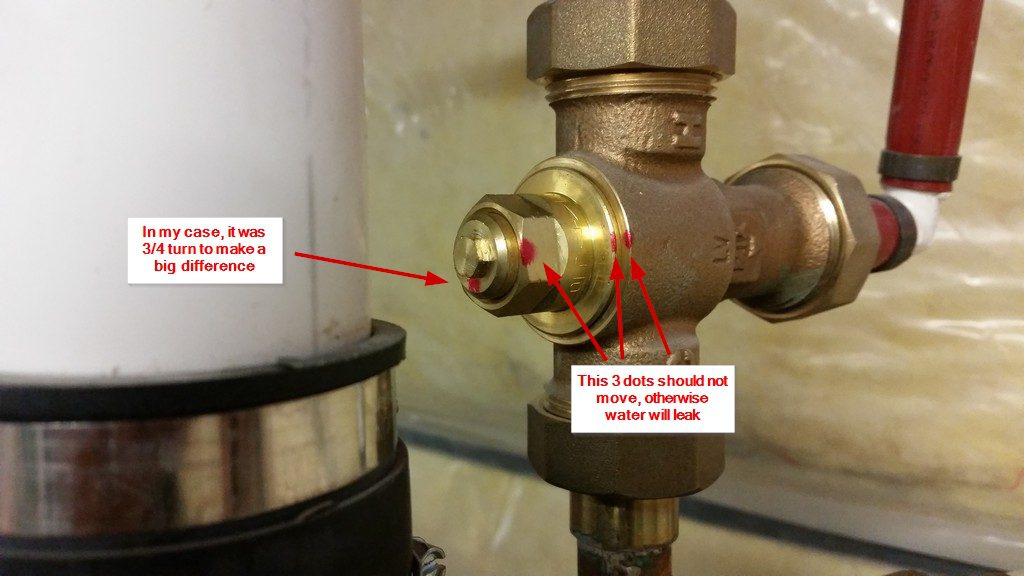
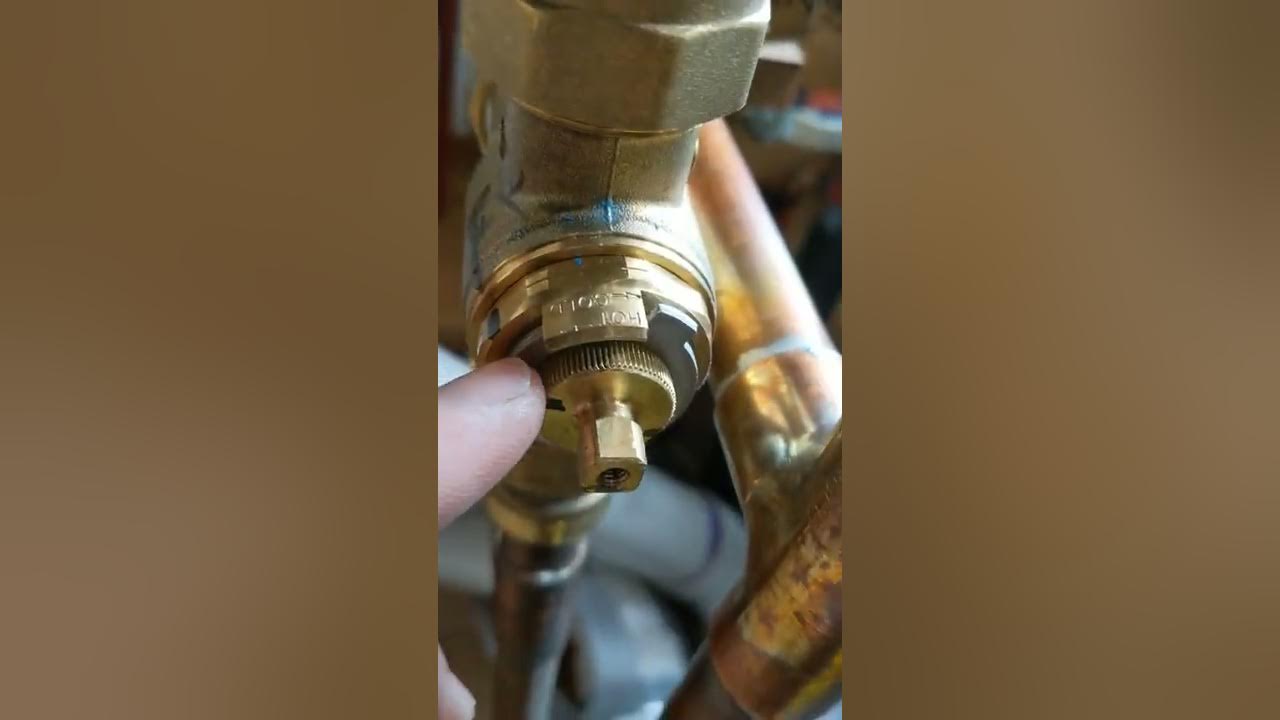
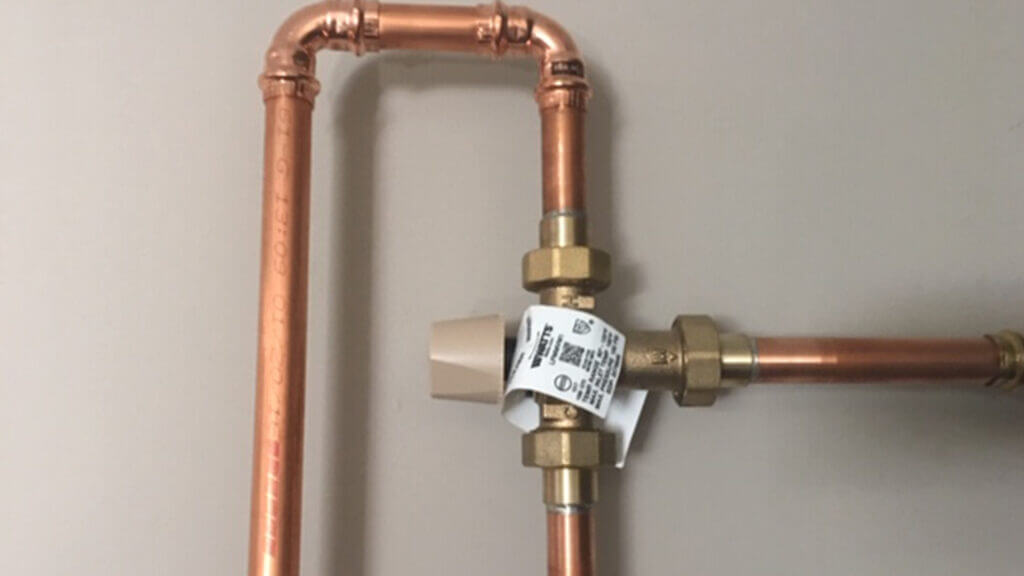
Mixing valves are typically located near the hot water tank. They are often made of brass or bronze and have three connections: one for hot water from the tank, one for cold water, and one for the mixed water outlet. Look for a dial or adjustment screw on the valve body. Common brands include Honeywell, Watts, Caleffi, and Taco. Each brand and model might have slight variations in appearance and adjustment mechanisms, but the underlying principle remains the same.
Common Types of Mixing Valves
- Thermostatic Mixing Valves (TMVs): These are the most common type and use a thermostatic element to automatically adjust the hot and cold water mix to maintain a consistent outlet temperature.
- Pressure Balancing Valves: While primarily used in showers to maintain a constant temperature despite pressure fluctuations, they don't typically adjust the overall outlet temperature from the water heater.
- Manual Mixing Valves: These require manual adjustment of the hot and cold water mix, offering less precise temperature control.
Tools You'll Need
Adjusting a mixing valve is a relatively straightforward process, but having the right tools on hand will make it easier. You'll typically need:
- Screwdriver: A flathead or Phillips head screwdriver, depending on the adjustment screw on your valve.
- Thermometer: A reliable thermometer to accurately measure the water temperature at your faucets. A digital thermometer is recommended for precision.
- Adjustable Wrench: Possibly needed if adjustments are stuck or require loosening certain parts.
- Towel: To wipe up any spills.
Step-by-Step Guide to Adjusting Your Mixing Valve
Follow these steps to safely and effectively adjust your hot water heater mixing valve:
- Locate the Mixing Valve: Find the valve near your hot water tank. It should have three connections as described earlier.
- Identify the Adjustment Mechanism: Look for a dial, screw, or lever on the valve body. Refer to the manufacturer's instructions if you're unsure.
- Determine the Current Temperature: Turn on a hot water faucet closest to the water heater and let the water run for a few minutes until it reaches its maximum temperature. Use your thermometer to measure the water temperature. Note this temperature as your starting point.
- Adjust the Valve:
- Dial: If your valve has a dial, simply rotate it to the desired temperature setting. Typically, rotating the dial clockwise will increase the temperature, and counterclockwise will decrease it.
- Screw: If your valve has an adjustment screw, use your screwdriver to turn it. Small adjustments are recommended. Clockwise usually increases the temperature, and counterclockwise decreases it. Refer to the valve's markings or documentation if available.
- Lever: Some valves have a lever that can be moved to adjust the temperature. The direction of movement will usually be indicated on the valve.
- Test the Temperature: After making an adjustment, wait a few minutes for the water temperature to stabilize. Then, turn on the hot water faucet again and measure the temperature. Compare this reading to your desired temperature.
- Repeat as Needed: Continue making small adjustments and testing the temperature until you achieve your desired water temperature. A safe and comfortable temperature is generally between 120°F and 125°F.
- Secure the Adjustment: Once you've reached the desired temperature, ensure the adjustment mechanism is secure. Some valves have a locking mechanism to prevent accidental changes.
Safety Precautions
Safety should always be your top priority when working with hot water systems:
- Turn off the Power: While not always necessary for mixing valve adjustment, turning off the power to your water heater (if electric) is a good safety precaution.
- Wear Gloves: Protect your hands from hot surfaces and potential splashes.
- Avoid Scalding: Be extremely careful when testing the water temperature to avoid burns.
- Consult a Professional: If you're uncomfortable performing the adjustment yourself, or if you encounter any problems, consult a qualified plumber or HVAC technician.
Troubleshooting Common Issues
Here are some common issues you might encounter when adjusting a mixing valve and how to address them:
- Water Temperature Not Changing:
- Problem: The valve may be stuck or malfunctioning.
- Solution: Try gently tapping the valve body to dislodge any debris. If that doesn't work, the valve may need to be replaced.
- Water Temperature Fluctuating:
- Problem: The valve may not be properly calibrated or there may be pressure fluctuations in the water supply.
- Solution: Check the valve's calibration and ensure it's properly installed. If pressure fluctuations are the issue, consider installing a pressure regulator.
- No Hot Water:
- Problem: The valve may be completely blocking the hot water supply.
- Solution: Check the valve's settings and ensure it's not set to a temperature that's too low. If the problem persists, the valve may be faulty.
Mixing Valve Maintenance
Regular maintenance can help extend the life of your mixing valve and ensure optimal performance. Here are some tips:
- Flush the Valve: Periodically flush the valve with hot water to remove any sediment or debris that may have accumulated.
- Inspect for Leaks: Regularly inspect the valve for leaks and address them promptly.
- Check the Temperature Setting: Periodically check the water temperature to ensure the valve is still properly calibrated.
- Professional Inspection: Consider having a professional plumber or HVAC technician inspect your mixing valve annually as part of your overall plumbing system maintenance.
Mixing Valve Brands and Models
Several reputable brands offer high-quality mixing valves. Here are a few popular options:
- Watts: Watts offers a wide range of mixing valves for residential and commercial applications. Their products are known for their durability and reliability. One popular model is the Watts LF70A.
- Honeywell: Honeywell is a well-known brand in the HVAC industry, and their mixing valves are known for their precision and advanced features.
- Caleffi: Caleffi offers high-performance mixing valves designed for demanding applications. Their products are known for their accuracy and energy efficiency. The Caleffi 521 Series is a popular choice.
- Taco: Taco is a reputable brand in the plumbing and heating industry. They offer a range of mixing valves known for their reliability and ease of installation.
Mixing Valve Costs
The cost of a mixing valve can vary depending on the brand, model, and features. Basic mixing valves can cost between $50 and $150, while more advanced models with digital controls or higher flow rates can cost upwards of $300. Installation costs can also vary depending on the complexity of the job and the plumber's hourly rate.
Important Note: Always consult with a qualified plumbing or HVAC professional before making any changes to your hot water system. Improper adjustments or installations can be dangerous and may void your warranty.
Conclusion
Adjusting your hot water heater mixing valve is a simple yet important task that can improve safety, energy efficiency, and comfort in your home. By following the steps outlined in this guide, you can ensure that your water temperature is properly regulated and that your hot water system is operating at its best. Remember to prioritize safety and consult with a professional if you have any concerns or questions.