Hot Water Heater Pressure Relief Valve Keeps Opening

Hot water heaters are essential components of modern comfort, delivering heated water for various household needs. However, a common issue homeowners encounter is a pressure relief valve (PRV) that keeps opening, releasing water, and potentially signaling a more significant problem. Understanding the reasons behind this and the necessary corrective actions is crucial for both homeowners and HVAC professionals. This article will delve into the causes, troubleshooting steps, and preventive measures related to a frequently opening PRV, providing valuable insights for HVAC students, technicians, and employers.
Understanding the Pressure Relief Valve
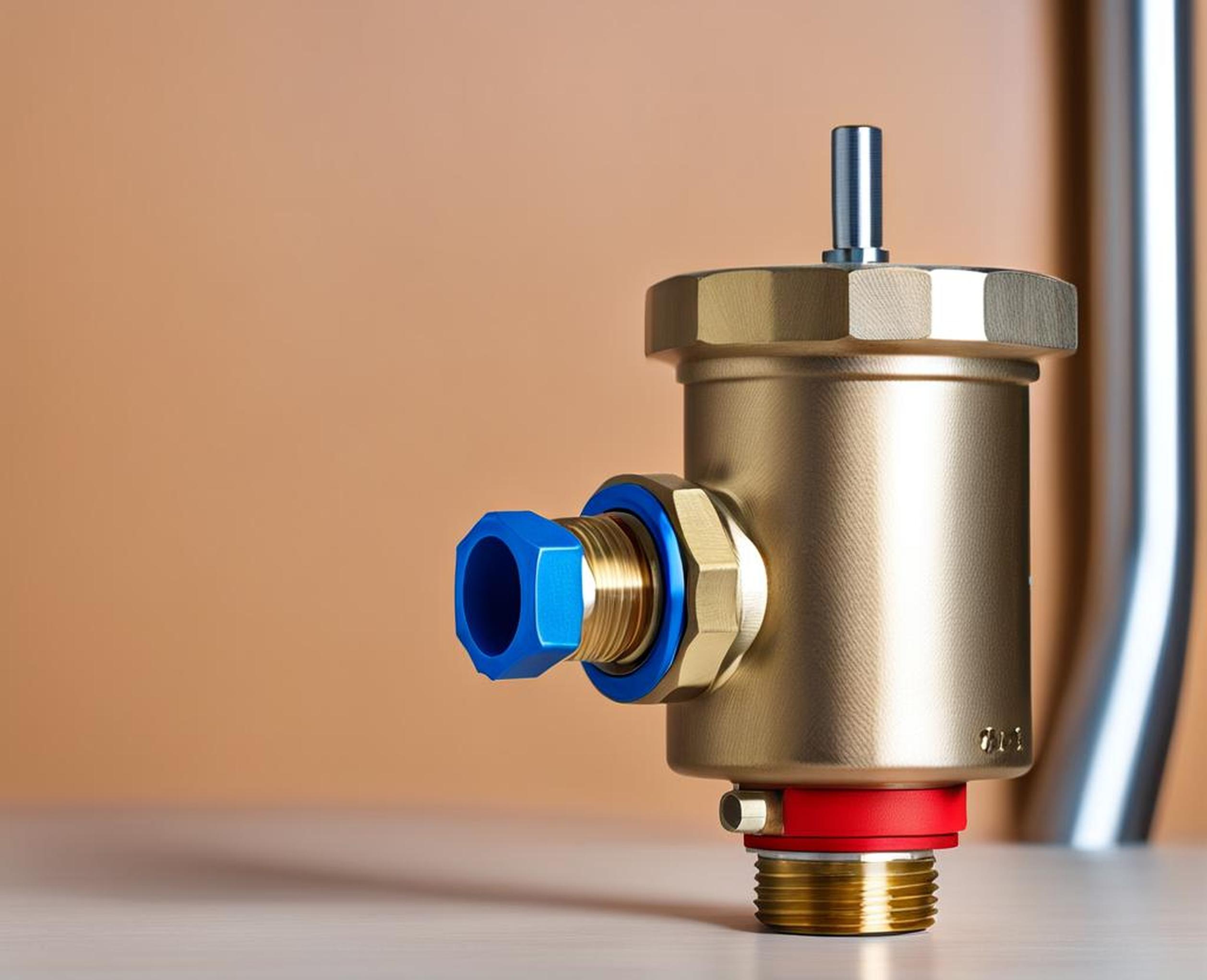
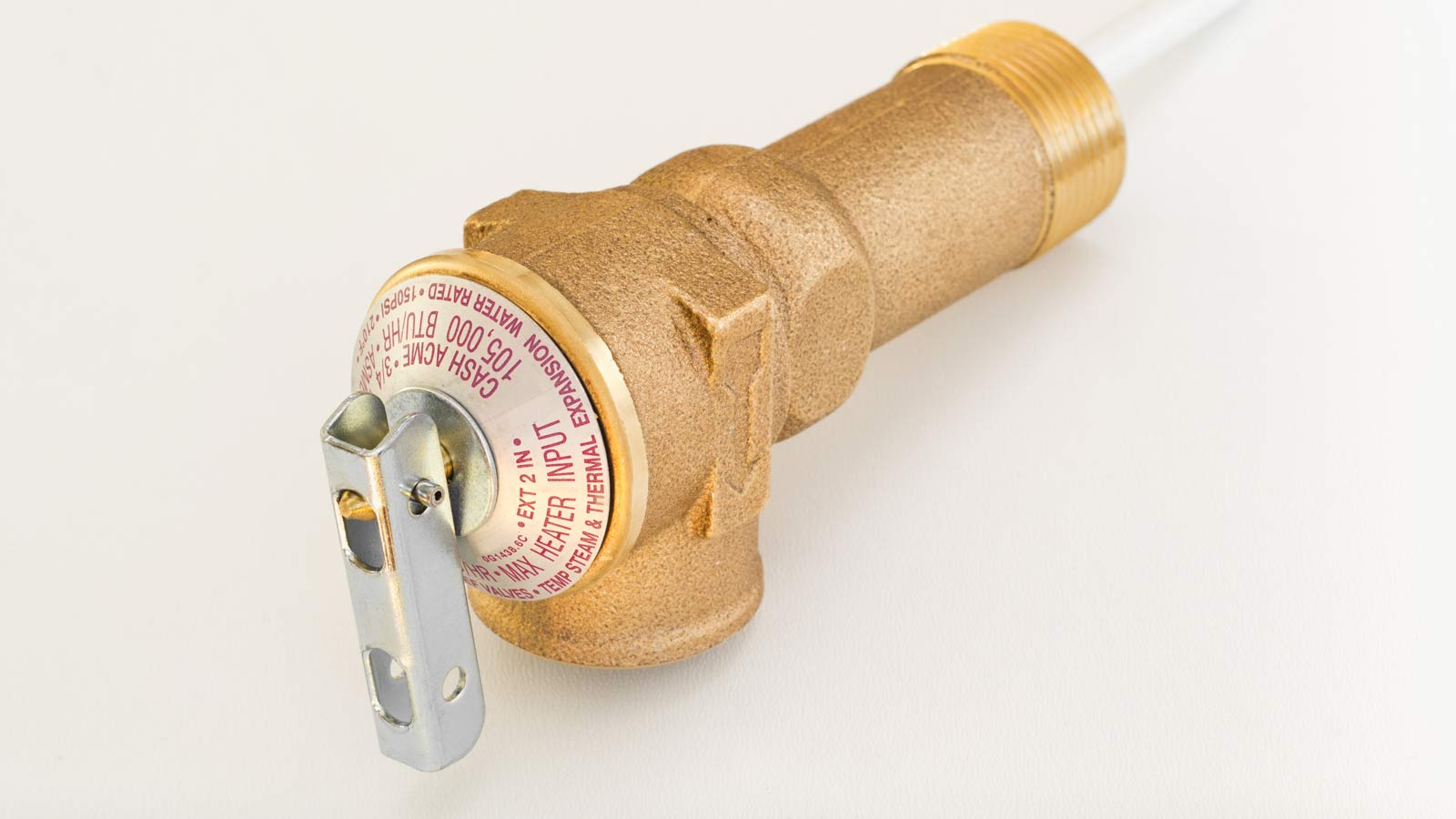
The pressure relief valve is a safety device designed to protect the water heater tank from excessive pressure. It's typically located near the top of the tank and connected to a discharge pipe that directs released water to a safe location, usually near the floor. This valve is calibrated to open when the internal pressure exceeds a preset limit, usually around 150 psi. When it functions correctly, it prevents potentially catastrophic tank failures. Failing to address a constantly opening PRV can lead to property damage, energy waste, and, in extreme cases, tank rupture.
Common Causes of a Relief Valve that Keeps Opening
Several factors can contribute to a hot water heater pressure relief valve repeatedly opening. Identifying the root cause is critical for effective troubleshooting and repair:
Excessive Water Pressure
One of the most common reasons is simply high incoming water pressure from the municipal supply. If the water pressure entering your home exceeds the PRV's set point (usually 150 psi), the valve will open to relieve the excess. This can be checked with a water pressure gauge attached to an outside faucet or a laundry tub faucet. According to the EPA, optimal household water pressure is between 40 and 60 psi. If your pressure consistently exceeds 80 psi, a pressure reducing valve (PRV) should be installed on the main water line.
High Water Temperature
Excessive water temperature can also lead to increased pressure within the tank. As water heats, it expands, and if the expansion is not accommodated, the pressure rises. Thermostat malfunctions are a frequent culprit. The thermostat might be set too high or be faulty, causing the water to overheat. The Department of Energy recommends setting your water heater thermostat to 120°F (49°C) for optimal energy efficiency and safety.
Thermal Expansion
In closed plumbing systems, thermal expansion becomes a significant factor. A closed system means there's a backflow preventer or check valve on the main water line, preventing water from flowing back into the municipal supply. As water heats in this closed system, it has nowhere to expand, leading to a rapid pressure increase. Installing a thermal expansion tank is the solution. This tank provides an air cushion to absorb the expanding water, preventing pressure buildup.
Faulty Pressure Relief Valve
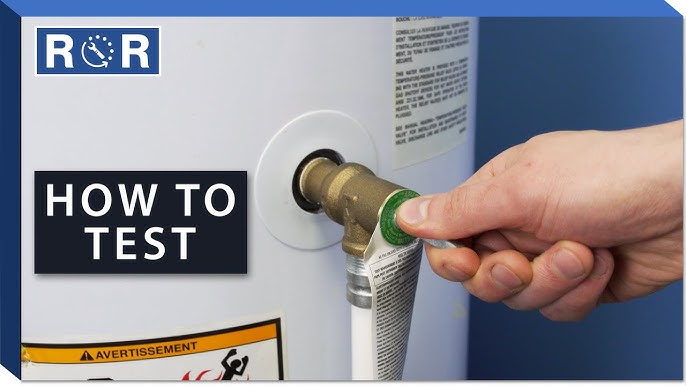
Sometimes, the PRV itself is the problem. Over time, the valve can become corroded, weakened, or clogged with sediment, causing it to open prematurely or fail to reseal properly after opening. A simple test is to manually lift the lever on the PRV. If the valve continues to leak after being released, it likely needs to be replaced.
Sediment Buildup
Sediment accumulation at the bottom of the tank can reduce its effective volume and insulate the heating element, leading to overheating and increased pressure. Regular flushing of the water heater tank is essential to remove sediment. Consult the manufacturer's instructions for the proper flushing procedure.
Troubleshooting Steps for HVAC Technicians
When responding to a service call for a constantly opening PRV, HVAC technicians should follow a systematic troubleshooting approach:
- Check Incoming Water Pressure: Use a pressure gauge to measure the water pressure at an outside faucet. If it exceeds 80 psi, recommend installing a pressure reducing valve.
- Inspect the Thermostat: Verify that the thermostat is set to the appropriate temperature (120°F). Test the thermostat's functionality using a multimeter to ensure it's accurately regulating the water temperature.
- Examine for a Closed System: Determine if a backflow preventer or check valve is installed on the main water line. If so, assess the need for a thermal expansion tank.
- Test the Pressure Relief Valve: Manually lift the lever on the PRV. Observe if it reseals properly after being released. If it continues to leak, replace the valve.
- Flush the Water Heater Tank: If sediment buildup is suspected, flush the tank according to the manufacturer's instructions.
- Inspect the Anode Rod: A corroded anode rod can contribute to tank corrosion and sediment buildup. Consider replacing the anode rod during maintenance.
HVAC Career Paths and Certifications
The HVAC industry offers diverse career paths, from entry-level technicians to specialized engineers and project managers. The Bureau of Labor Statistics projects a growth rate of 5% for HVAC mechanics and installers from 2022 to 2032, indicating a steady demand for skilled professionals. The median annual wage for HVAC technicians was $51,390 in May 2022.
Several certifications can enhance career prospects and demonstrate competency:
- NATE (North American Technician Excellence): NATE certification is a widely recognized credential that validates a technician's knowledge and skills. Earning NATE certification can lead to higher pay and increased job opportunities.
- EPA Section 608 Certification: This certification is mandatory for technicians who handle refrigerants. It demonstrates compliance with environmental regulations and is essential for working on air conditioning and refrigeration systems.
- HVAC Excellence: HVAC Excellence offers various certifications covering different aspects of HVAC technology, providing specialized knowledge and skills.
Career Path Examples:
- Entry-Level Technician: Typically involves assisting experienced technicians with installations, repairs, and maintenance.
- HVAC Installer: Focuses on installing new HVAC systems in residential and commercial buildings.
- HVAC Service Technician: Specializes in troubleshooting and repairing existing HVAC systems.
- HVAC Design Engineer: Designs HVAC systems for new construction and renovation projects. Requires a bachelor's degree in mechanical engineering.
- HVAC Project Manager: Manages HVAC installation and service projects, ensuring they are completed on time and within budget.
Employer Considerations
For employers in the HVAC industry, hiring skilled and certified technicians is crucial for providing quality service and maintaining customer satisfaction. Investing in employee training and certification programs can lead to improved service quality, reduced callbacks, and increased customer loyalty.
When hiring HVAC technicians, employers should consider the following:
- Certifications: Prioritize candidates with NATE, EPA 608, and other relevant certifications.
- Experience: Look for candidates with proven experience in troubleshooting and repairing HVAC systems.
- Technical Skills: Assess candidates' knowledge of HVAC principles, electrical systems, and plumbing.
- Problem-Solving Skills: Evaluate candidates' ability to diagnose and resolve complex HVAC problems.
- Customer Service Skills: Emphasize the importance of providing excellent customer service.
Providing ongoing training and development opportunities is essential for retaining skilled employees. Offer opportunities for technicians to attend industry conferences, workshops, and certification programs. This helps them stay up-to-date with the latest technologies and best practices.
Preventive Maintenance
Preventive maintenance is crucial for extending the lifespan of a water heater and preventing problems such as a constantly opening PRV. Homeowners should schedule regular inspections and maintenance checks with a qualified HVAC technician. This includes flushing the tank, inspecting the anode rod, and testing the PRV.
Here are some preventive measures that homeowners can take:
- Flush the water heater tank annually: This removes sediment buildup and improves efficiency.
- Inspect the anode rod every few years: Replace the anode rod if it is corroded.
- Test the pressure relief valve annually: Lift the lever to ensure it is functioning properly.
- Monitor water pressure: Check the water pressure regularly and install a pressure reducing valve if necessary.
- Set the thermostat to 120°F: This optimizes energy efficiency and reduces the risk of overheating.
Conclusion
A hot water heater pressure relief valve that keeps opening is a common problem that can indicate various underlying issues. Understanding the causes, troubleshooting steps, and preventive measures is essential for homeowners and HVAC professionals alike. By following a systematic approach and implementing preventive maintenance practices, you can ensure the safe and efficient operation of your water heater and avoid costly repairs. For HVAC professionals, obtaining relevant certifications and staying up-to-date with industry trends can enhance career prospects and demonstrate competency to employers and clients. The HVAC industry offers a promising career path for skilled technicians, with steady job growth and competitive salaries.