How A Window Air Conditioner Works
Demystifying Window Air Conditioners: A Comprehensive Guide for HVAC Professionals and Enthusiasts
Window air conditioners are ubiquitous in homes and small offices, providing localized cooling efficiently and affordably. While seemingly simple, understanding their inner workings is crucial for HVAC technicians, students, and even employers seeking to optimize their building's climate control. This article dives deep into the operation of a window AC unit, exploring the key components, the refrigeration cycle, troubleshooting tips, and career opportunities associated with this segment of the HVAC industry.
The Core Components: A Mechanical Symphony
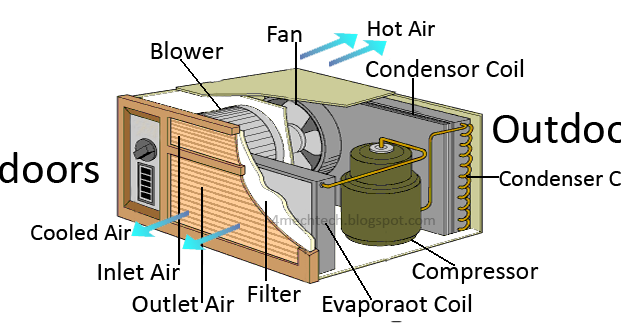
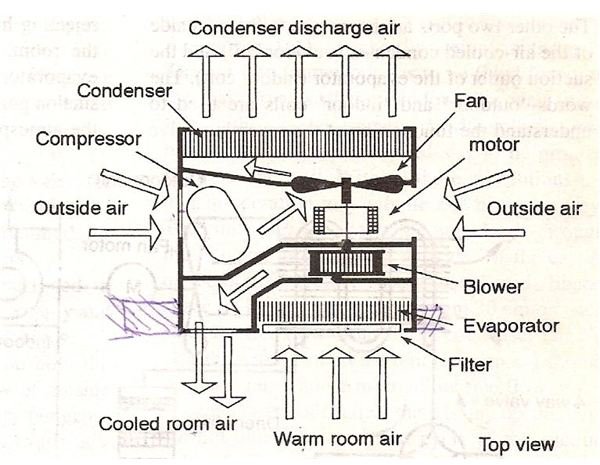
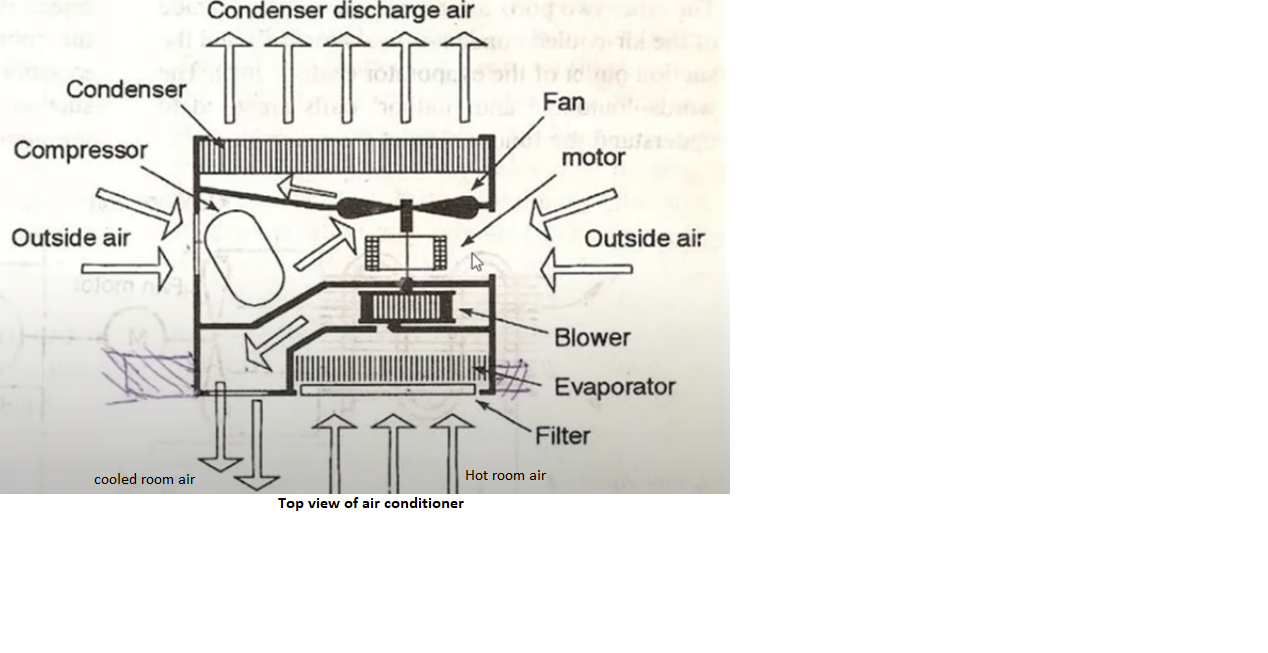
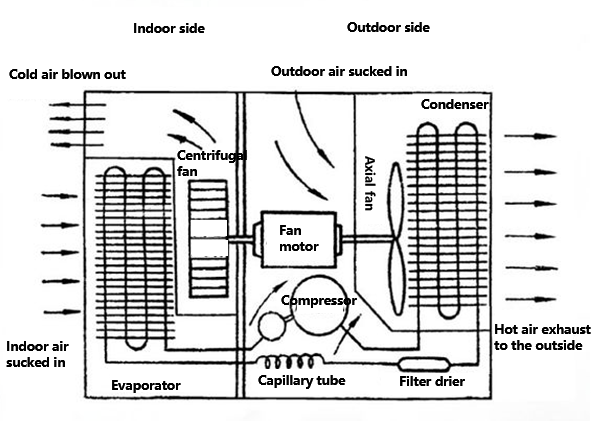
A window AC unit, despite its compact size, is a complete refrigeration system. It contains four primary components:
- Compressor: The heart of the system, the compressor pressurizes the refrigerant, raising its temperature. Think of it as the pump that drives the entire cooling process. A typical reciprocating compressor in a window unit might draw between 5 and 10 amps, depending on the unit's BTU rating.
- Condenser: Located on the exterior side of the unit, the condenser dissipates heat from the refrigerant. As the hot, high-pressure refrigerant flows through the condenser coils, it releases heat to the outside air, causing it to condense into a high-pressure liquid.
- Expansion Valve (or Capillary Tube): This metering device reduces the pressure of the liquid refrigerant before it enters the evaporator. This pressure drop causes the refrigerant to cool significantly. Capillary tubes are more common in window units due to their simplicity and low cost.
- Evaporator: Situated on the interior side, the evaporator absorbs heat from the room air. The cold, low-pressure refrigerant flows through the evaporator coils, absorbing heat from the air blowing across them. This process causes the refrigerant to evaporate into a low-pressure gas, cooling the air that is circulated back into the room.
Beyond these core components, a window AC unit also includes a fan (usually two, one for the condenser and one for the evaporator), a filter to remove dust and debris, and controls to regulate temperature and fan speed.
The Refrigeration Cycle: A Closer Look
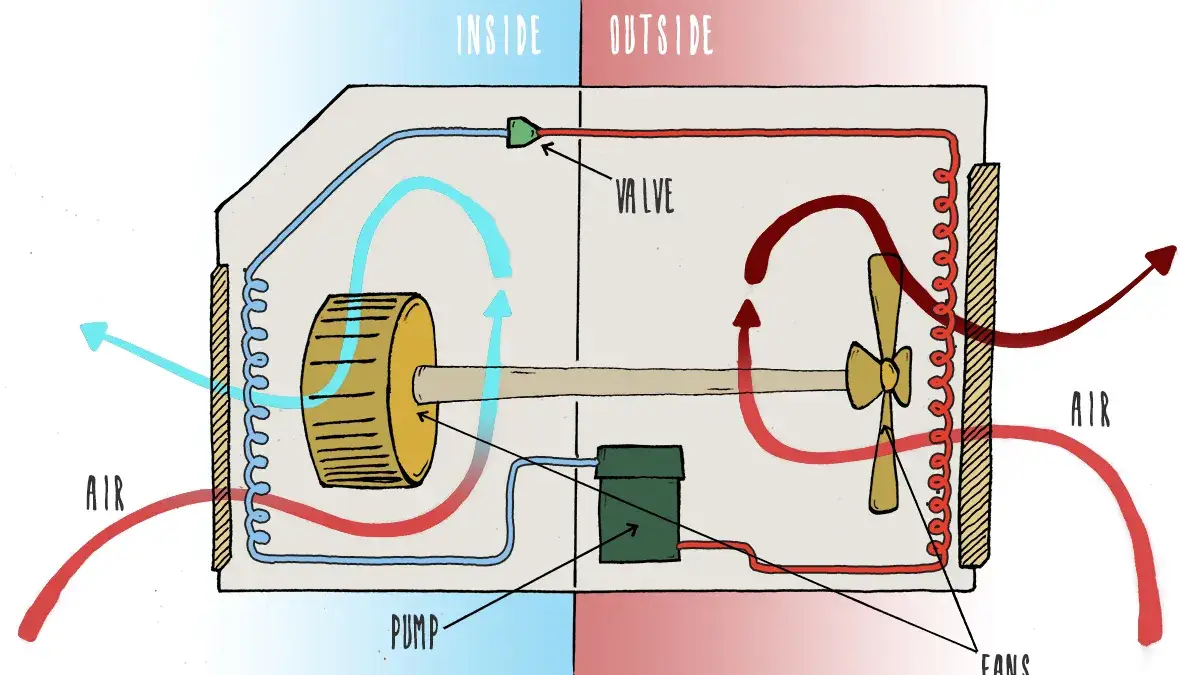
The cooling process in a window AC unit follows the basic refrigeration cycle:
- Compression: The compressor compresses the low-pressure refrigerant vapor, increasing its pressure and temperature.
- Condensation: The hot, high-pressure refrigerant vapor flows through the condenser coils, where it rejects heat to the outside air and condenses into a high-pressure liquid.
- Expansion: The high-pressure liquid refrigerant passes through the expansion valve (or capillary tube), causing a significant pressure drop and a corresponding drop in temperature.
- Evaporation: The cold, low-pressure refrigerant flows through the evaporator coils, where it absorbs heat from the room air and evaporates into a low-pressure vapor.
- The low-pressure refrigerant vapor then returns to the compressor to begin the cycle again.
This continuous cycle of compression, condensation, expansion, and evaporation allows the window AC unit to effectively remove heat from the room and maintain a comfortable temperature.
Troubleshooting Common Issues: A Technician's Perspective
Even with proper maintenance, window AC units can experience problems. Common issues include:
- Insufficient Cooling: Possible causes include a dirty air filter, blocked condenser coils, low refrigerant charge, or a malfunctioning compressor. Checking the refrigerant charge requires an EPA 608 certification, highlighting the importance of proper licensing for HVAC technicians.
- Water Leaks: Often caused by a clogged drain line or improper installation. Ensure the unit is properly tilted to allow condensation to drain.
- Unusual Noises: Could indicate a loose fan blade, a worn-out motor, or a problem with the compressor.
- Unit Not Turning On: Check the power cord, circuit breaker, and the unit's internal controls.
Pro Tip: Regularly cleaning the air filter and condenser coils can significantly improve the efficiency and lifespan of a window AC unit. Educating customers about preventative maintenance is a valuable service that HVAC technicians can offer.
Career Opportunities in HVAC: A Growing Field
The HVAC industry is experiencing significant growth, driven by factors such as increasing demand for energy-efficient systems, stricter environmental regulations, and a growing population. According to the Bureau of Labor Statistics, the median annual wage for HVAC technicians was $51,390 in May 2021. The job outlook is projected to grow 5 percent from 2021 to 2031, about as fast as the average for all occupations.
Several career paths are available within the HVAC field, including:
- HVAC Technician: Installs, maintains, and repairs heating, ventilation, and air conditioning systems. Many technicians specialize in specific areas, such as residential HVAC, commercial refrigeration, or industrial HVAC.
- HVAC Installer: Focuses on the installation of new HVAC systems. This often involves working with blueprints, connecting ductwork, and ensuring proper system operation.
- HVAC Service Technician: Specializes in diagnosing and repairing malfunctioning HVAC systems. Strong troubleshooting skills are essential for this role.
- HVAC Sales Engineer: Works with clients to design and sell HVAC systems. Requires a strong understanding of engineering principles and sales techniques.
- HVAC Project Manager: Oversees the installation and maintenance of HVAC systems for large projects. Requires strong organizational and leadership skills.
Real-World Example: Maria started her HVAC career as an apprentice after completing a vocational program. She earned her NATE certification after two years of field experience, which significantly increased her earning potential. She now specializes in residential HVAC systems and runs her own service business.
Certifications: A Pathway to Professional Advancement
Obtaining certifications is crucial for HVAC professionals seeking to advance their careers and demonstrate their expertise. Some of the most recognized certifications include:
- EPA Section 608 Certification: Required for technicians who handle refrigerants. This certification ensures that technicians understand the proper procedures for handling and disposing of refrigerants to protect the environment.
- North American Technician Excellence (NATE) Certification: A nationally recognized certification that validates the knowledge and skills of HVAC technicians. NATE certification can lead to higher earning potential and increased job opportunities.
- HVAC Excellence Certification: Another respected certification program that assesses the competency of HVAC technicians.
- State and Local Licensing: Many states and municipalities require HVAC technicians to be licensed. Licensing requirements vary by location, so it's important to check with your local authorities.
Employers often prioritize candidates with certifications, as it demonstrates a commitment to professional development and a higher level of competence. Investing in certifications can significantly enhance your career prospects and earning potential.
The Employer's Perspective: Hiring Skilled HVAC Professionals
For employers in the HVAC industry, hiring skilled and qualified technicians is essential for providing quality service and maintaining a competitive edge. When hiring HVAC professionals, consider the following:
- Certifications and Licensing: Prioritize candidates with relevant certifications and licenses. This ensures that technicians have the necessary knowledge and skills to perform their jobs safely and effectively.
- Experience: Look for candidates with relevant experience in the specific area of HVAC that you need.
- Technical Skills: Assess the candidate's technical skills through practical tests and interviews.
- Soft Skills: Evaluate the candidate's communication, problem-solving, and customer service skills. These skills are essential for building strong relationships with clients.
- Continuing Education: Encourage your employees to pursue continuing education and stay up-to-date on the latest technologies and best practices.
Statistic: Companies that invest in employee training and development experience a 24% higher profit margin, according to a recent study by the Association for Talent Development (ATD).
By focusing on hiring skilled and qualified professionals, HVAC employers can ensure that they provide high-quality service and maintain a strong reputation in the industry. Investing in employee training and development is also crucial for long-term success.
The Future of Window Air Conditioners and the HVAC Industry
While window air conditioners are a mature technology, innovations continue to emerge. These include more energy-efficient models, smart features like remote control via smartphone apps, and the use of more environmentally friendly refrigerants. The HVAC industry as a whole is rapidly evolving, with a growing focus on sustainability, energy efficiency, and smart technology. Technicians who embrace these changes and adapt their skills will be well-positioned for success in the years to come.
In conclusion, understanding the operation of a window AC unit is a fundamental skill for HVAC professionals. By mastering the principles of the refrigeration cycle, troubleshooting common issues, and pursuing relevant certifications, technicians can build successful careers in this growing industry. Employers who prioritize hiring skilled and qualified professionals will be well-positioned to thrive in the competitive HVAC market.