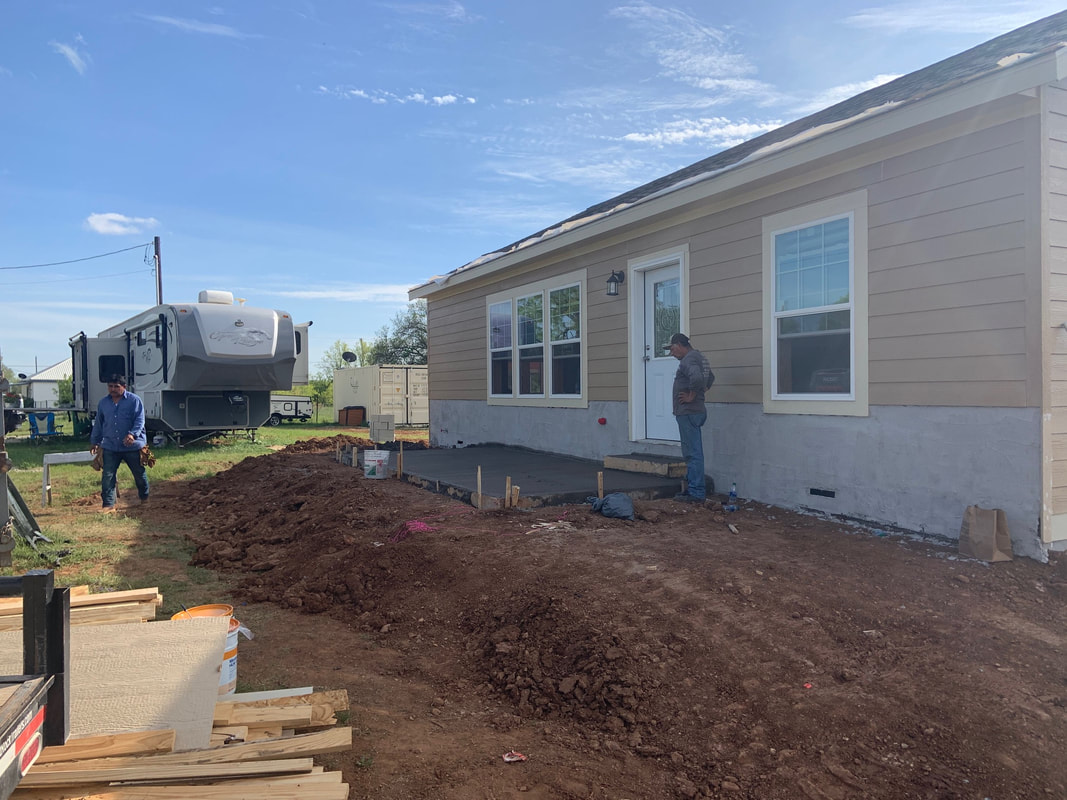
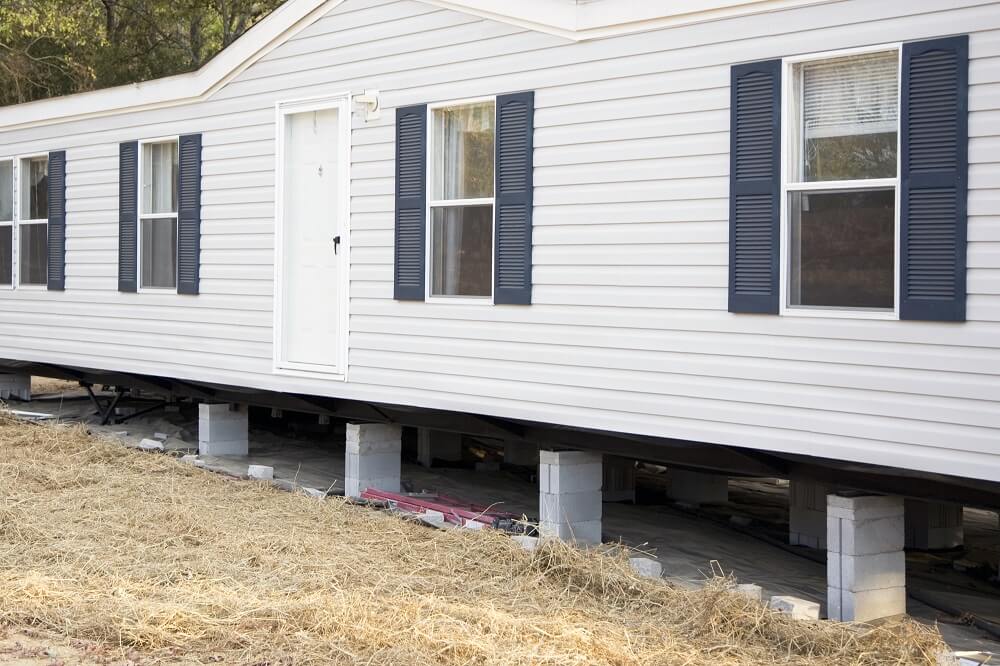
How Are Modular Homes Secured To Foundation

Frequently Asked Questions: Securing Modular Homes to Foundations
Modular homes, built in sections in a factory-controlled environment, offer a cost-effective and efficient housing solution. A crucial aspect of modular home construction is the secure attachment of these modules to the foundation. This FAQ addresses common questions about this process.
Q1: What types of foundations are suitable for modular homes?
Modular homes can be placed on various foundation types, similar to traditional stick-built homes. The best option depends on factors like soil conditions, local building codes, and homeowner preference.
- Full Basement: A full basement provides ample living or storage space and is a common choice.
- Crawl Space: A crawl space offers access for utilities and can help protect against moisture.
- Slab-on-Grade: A concrete slab provides a simple and cost-effective foundation solution, particularly suitable for warmer climates.
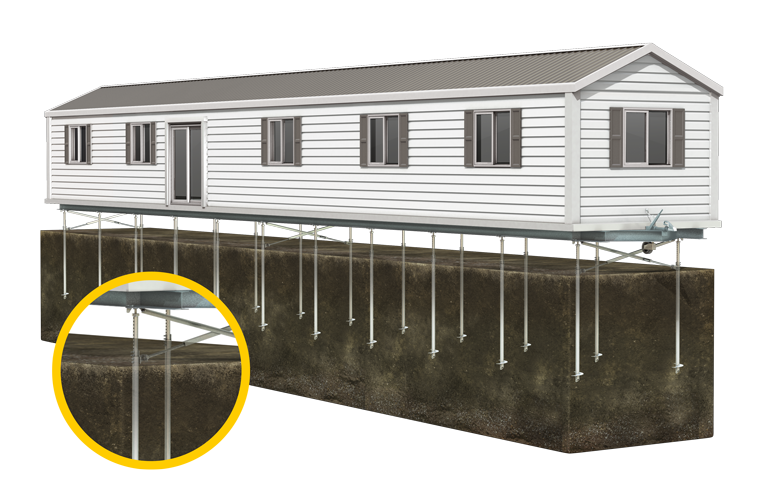
- Piers: Piers can be used, especially in areas with unstable soil or where elevated living is desired.
Consulting with a qualified engineer and local building officials is crucial to determine the most appropriate foundation type for your specific site and modular home design.
Q2: How are modular home sections connected to the foundation?
The process of securing modular home sections to the foundation involves several key steps and hardware:
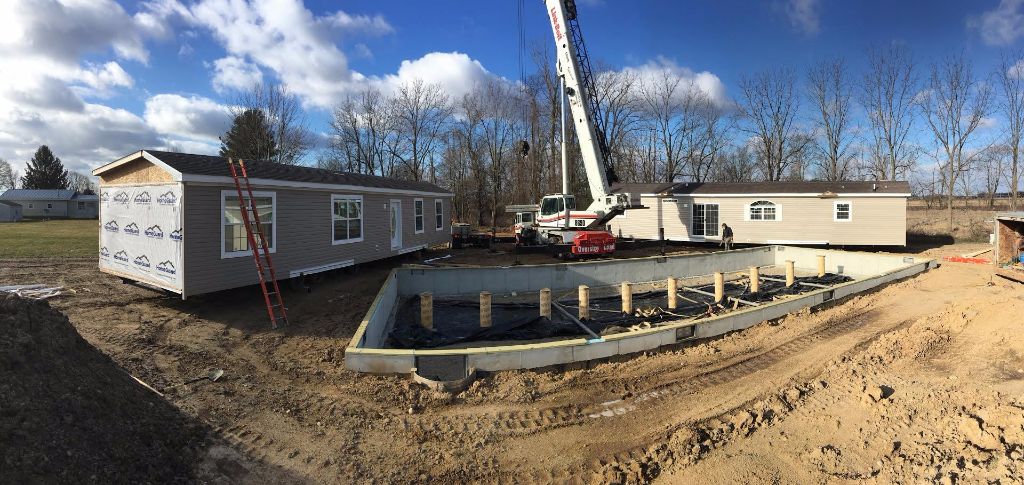
- Placement: Modules are carefully lifted and positioned onto the foundation using a crane. Precise alignment is essential.
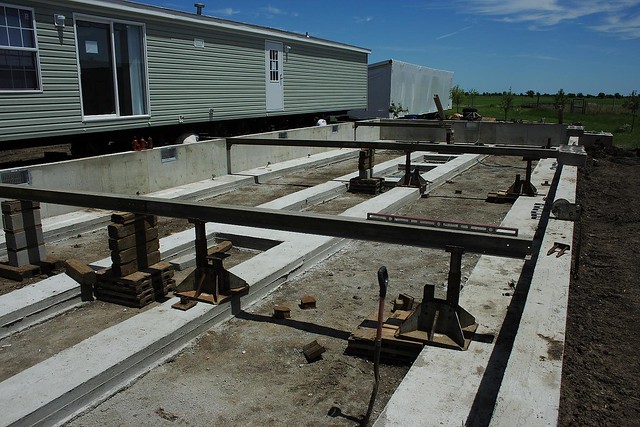
- Temporary Supports: Temporary supports, such as cribbing or adjustable columns, are used to ensure the modules are level and stable during the connection process.
- Permanent Connections: The modules are then permanently connected to the foundation using various methods, including:
- Anchor Bolts: These are embedded in the foundation during construction and extend upwards, allowing the modules to be bolted securely to the foundation walls.
- Steel Straps: Heavy-duty steel straps are used to tie the modules to the foundation, providing resistance against uplift forces from wind or seismic activity. These are often embedded in the concrete foundation wall during the pour.
- Welding: In some cases, steel components of the modules and foundation are welded together for a strong and permanent connection.
- Epoxy Anchors: These are used to secure the modular units to the foundation by drilling holes and bonding them with a special structural epoxy.
- Sealing: After the modules are secured, the seams between them are sealed to prevent air and water infiltration.
The specific methods and materials used will vary depending on the foundation type, module design, and local building codes. Always ensure that the connection methods meet or exceed the requirements of your local jurisdiction.
Q3: What role does the marriage line play in securing the home?
The marriage line is the point where two or more modular sections join together. It's a critical area for structural integrity and weather tightness.
- Structural Connection: The marriage line is reinforced with structural connectors (e.g., bolts, screws, welds) to create a continuous structural load path between the modules. This ensures that the entire home acts as a single unit, distributing loads evenly.
- Weather Sealing: The marriage line is carefully sealed with weather-resistant materials to prevent air and water leaks. This is typically achieved through a combination of gaskets, sealants, and flashing.
- Finishing: Once the structural connections and weather sealing are complete, the marriage line is finished to seamlessly integrate the modules, creating a cohesive and aesthetically pleasing appearance. This often involves drywall work, painting, and trim installation.
Properly addressing the marriage line is crucial for the long-term performance and durability of the modular home. Improperly sealed or connected marriage lines can lead to structural problems, water damage, and energy loss.
Q4: How are utilities connected after the modules are set?
Once the modular sections are secured to the foundation, the utilities (plumbing, electrical, HVAC) are connected. This involves:
- Plumbing: Connecting water and sewer lines to the main supply and drain lines within the foundation.
- Electrical: Wiring the electrical panel and connecting it to the utility grid.
- HVAC: Connecting the heating, ventilation, and air conditioning systems to the ductwork and external units.
- Gas: Connecting the gas lines (if applicable) to the appliances and the main gas supply.
These connections are typically made by licensed professionals to ensure compliance with building codes and safety regulations. It is essential to verify that all utility connections are properly inspected and approved before occupancy.
Q5: What inspections are required during and after the foundation and module placement?
Multiple inspections are typically required throughout the process of foundation construction and modular home placement. These inspections are designed to ensure that the work meets building codes and safety standards.
- Foundation Inspection: Before pouring concrete, the foundation is inspected to verify the correct dimensions, reinforcement, and placement of anchor bolts.
- Module Placement Inspection: After the modules are set on the foundation, an inspection is conducted to ensure proper alignment, secure connections, and weather sealing.
- Utility Connection Inspection: Each utility connection (plumbing, electrical, HVAC, gas) is inspected by a qualified inspector to ensure compliance with codes and safety regulations.
- Final Inspection: A final inspection is conducted after all work is completed to verify that the entire home meets all applicable building codes and is safe for occupancy.
It is crucial to maintain detailed records of all inspections and approvals to demonstrate compliance and protect your investment.
Q6: What are the potential challenges in securing modular homes to foundations?
While modular construction offers many advantages, some potential challenges can arise during the process of securing the modules to the foundation:
- Site Conditions: Unstable soil, drainage issues, or other site-specific challenges can complicate foundation construction.
- Weather: Inclement weather can delay the placement of modules and affect the quality of connections.
- Coordination: Effective coordination between the modular home manufacturer, the foundation contractor, and the general contractor is essential to avoid delays and ensure a smooth installation process.
- Accessibility: Limited site access can make it difficult to maneuver the crane and modules into position.
- Code Compliance: Ensuring compliance with local building codes and regulations can be challenging, especially if the codes are not specifically tailored to modular construction.
Addressing these challenges proactively through careful planning, thorough site assessment, and effective communication can help ensure a successful modular home installation.
Q7: Can I retrofit or modify the foundation connections of my modular home?
Modifying or retrofitting the foundation connections of a modular home is a complex undertaking that should only be performed by qualified professionals. Here's why:
- Structural Integrity: The foundation connections are critical to the structural integrity of the home. Modifying them without proper engineering analysis can compromise the stability and safety of the building.
- Code Compliance: Any modifications must comply with local building codes and regulations. This may require obtaining permits and inspections.
- Warranty Issues: Modifying the foundation connections may void the warranty on the modular home.
If you are considering modifying or retrofitting the foundation connections of your modular home, consult with a qualified structural engineer and a licensed contractor with experience in modular construction. They can assess the existing conditions, develop a safe and code-compliant solution, and perform the work to ensure the long-term stability and safety of your home.
By understanding these common questions and answers, homeowners and facility managers can navigate the process of securing modular homes to foundations with greater confidence and ensure a successful and durable construction project.