How Big Of A Central Ac Do I Need
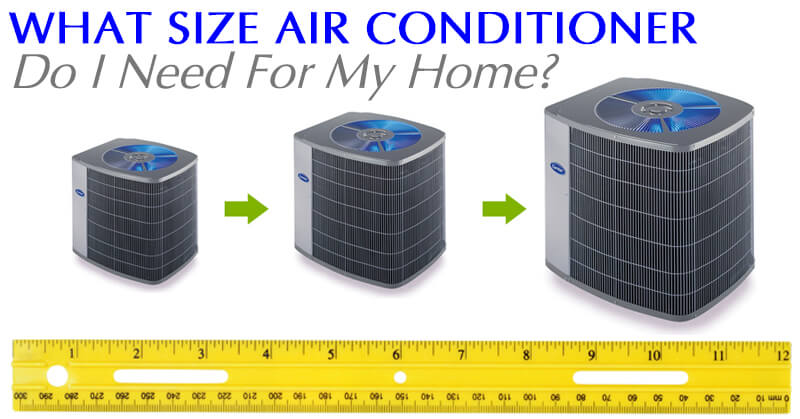
Choosing the right size central air conditioning (AC) unit is crucial for home comfort, energy efficiency, and long-term cost savings. An undersized AC will struggle to cool your home adequately, leading to discomfort and higher energy bills. An oversized AC, on the other hand, can cycle on and off too frequently, reducing its lifespan, creating humidity problems, and also increasing energy costs. This article provides a comprehensive guide to determining the appropriate AC size for your needs, covering key factors, calculation methods, and industry insights relevant to both HVAC professionals and consumers.
Understanding BTU and Tonnage
The cooling capacity of an AC unit is measured in British Thermal Units (BTU) per hour. A BTU is the amount of heat required to raise the temperature of one pound of water by one degree Fahrenheit. For residential AC systems, cooling capacity is often expressed in "tons." One ton of cooling is equivalent to 12,000 BTU/hour. Therefore, a 2-ton AC unit has a cooling capacity of 24,000 BTU/hour.
Determining the correct BTU/hour or tonnage is the first step in selecting the right AC system. Several factors influence this decision, and relying solely on square footage can lead to inaccurate sizing. The Air Conditioning Contractors of America (ACCA) provides standards and guidelines for proper HVAC sizing, installation, and maintenance. HVAC professionals often use ACCA's Manual J to calculate cooling load.
Factors Influencing AC Size
Several factors beyond square footage significantly impact the cooling load of a home. These factors must be considered to determine the appropriate AC size:
- Climate: Homes in hotter climates require larger AC units than those in cooler climates. Consider the average high temperature and humidity levels in your area.
- Square Footage: The size of your home directly correlates with the cooling load. However, this is just one piece of the puzzle.
- Insulation: Well-insulated homes retain cool air more effectively, reducing the required AC capacity. Check the insulation levels in your walls, attic, and floors.
- Windows: The number, size, and type of windows significantly affect heat gain. Energy-efficient windows with low-E coatings can reduce heat transfer.
- Sun Exposure: Homes with significant sun exposure, especially on west-facing walls and roofs, will require more cooling.
- Ceiling Height: Higher ceilings increase the volume of air that needs to be cooled, necessitating a larger AC unit.
- Number of Occupants: Each person in a home generates heat, contributing to the overall cooling load.
- Heat-Generating Appliances: Appliances like ovens, stoves, and computers produce heat that needs to be offset by the AC system.
- Ductwork: Leaky or poorly insulated ductwork can significantly reduce the efficiency of your AC system and affect the required size.
Calculating AC Size: The Rule of Thumb and Manual J
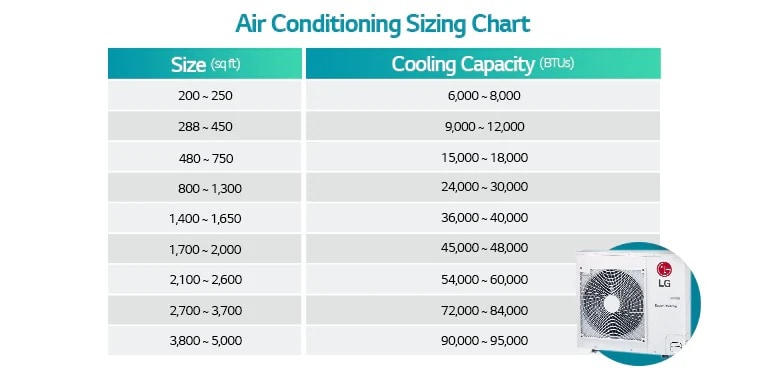
While a simplified "rule of thumb" suggests that you need approximately 20 BTU per square foot, this method is highly inaccurate and should only be used as a very rough estimate. A more precise method involves performing a Manual J load calculation.
Manual J Load Calculation
Manual J is a comprehensive calculation method developed by the ACCA. It takes into account all the factors listed above to determine the precise cooling load of your home. This calculation involves analyzing detailed information about your home's construction, insulation, windows, and other characteristics.
HVAC professionals use specialized software to perform Manual J calculations. This software inputs the data and generates a report that specifies the required cooling capacity in BTU/hour. While performing a Manual J calculation yourself is possible, it's best left to a qualified HVAC technician.
The 20 BTU per Square Foot Rule of Thumb
As stated, while it is not recommended to rely on this method, you should be aware of it. To use this method, multiply the total square footage of the area you want to cool by 20. For example, a 1,500 square foot home would theoretically need a 30,000 BTU/hour AC unit, or a 2.5-ton unit. Again, this should only be used as a very, very rough estimation to decide if you should call a professional.
The Importance of Professional Sizing
Proper AC sizing is essential for optimal performance and energy efficiency. An oversized AC unit will cycle on and off frequently, leading to:
- Reduced Lifespan: Frequent cycling puts unnecessary wear and tear on the compressor and other components.
- Humidity Problems: An oversized AC unit may not run long enough to dehumidify the air effectively, resulting in a clammy and uncomfortable indoor environment.
- Higher Energy Bills: Frequent starting and stopping consumes more energy than continuous operation.
- Uneven Cooling: Some rooms may become too cold while others remain warm.
An undersized AC unit will struggle to cool your home, leading to:
- Inadequate Cooling: The system may not be able to maintain a comfortable temperature, especially during peak heat.
- Longer Run Times: The AC unit will run constantly, increasing energy consumption and wear and tear.
- Higher Energy Bills: Continuous operation can lead to significantly higher energy costs.
Hiring a qualified HVAC technician to perform a Manual J load calculation and recommend the appropriate AC size is a worthwhile investment. They can also assess your ductwork and insulation to ensure optimal system performance.
HVAC Career Paths and Certifications
The HVAC industry offers diverse career paths for skilled professionals. According to the Bureau of Labor Statistics (BLS), the median annual wage for HVAC technicians and installers was $51,390 in May 2022. The job outlook for HVAC mechanics and installers is projected to grow 6 percent from 2022 to 2032, about as fast as the average for all occupations. This growth is driven by increasing demand for energy-efficient HVAC systems and the need to replace aging equipment.
Common career paths in HVAC include:
- HVAC Technician: Install, maintain, and repair heating, ventilation, and air conditioning systems.
- HVAC Installer: Install new HVAC systems in residential and commercial buildings.
- HVAC Service Technician: Diagnose and repair HVAC system problems.
- HVAC Sales Engineer: Design and sell HVAC systems to clients.
- HVAC Project Manager: Oversee HVAC installation projects.
Certifications play a crucial role in advancing your HVAC career. Some of the most recognized certifications include:
- NATE (North American Technician Excellence): NATE certification demonstrates competency in specific HVAC areas, such as installation, service, and maintenance. NATE-certified technicians are highly sought after by employers.
- EPA 608 Certification: Required by the Environmental Protection Agency (EPA) for technicians who handle refrigerants. This certification ensures that technicians understand proper refrigerant handling procedures and regulations.
- HVAC Excellence: HVAC Excellence offers certifications for various HVAC specialties, including air conditioning, heating, and refrigeration.
Earning these certifications can enhance your skills, increase your earning potential, and improve your job prospects. Employers often prefer to hire certified technicians, as it demonstrates a commitment to professionalism and quality workmanship.
Real-World Examples
Consider two scenarios to illustrate the importance of proper AC sizing:
Scenario 1: A homeowner in Phoenix, Arizona, replaces their old 3-ton AC unit with a new 5-ton unit based solely on the recommendation of an inexperienced contractor. The new AC unit cools the home quickly, but it cycles on and off frequently. The homeowner notices that the house feels clammy and the energy bills are higher than before. After consulting with a certified HVAC technician, they learn that the AC unit is oversized and is not dehumidifying the air properly. They end up replacing the 5-ton unit with a properly sized 3.5-ton unit, which resolves the humidity issues and lowers their energy bills.
Scenario 2: A homeowner in Minneapolis, Minnesota, purchases a new 2-ton AC unit for their 1,800 square foot home based on the rule of thumb. During the summer, the AC unit struggles to keep the home cool, especially during peak heat. The homeowner notices that the AC runs constantly, and the energy bills are significantly higher than expected. An HVAC technician performs a Manual J load calculation and determines that the home requires a 2.5-ton unit. The homeowner upgrades to a larger AC unit, which effectively cools the home and reduces energy consumption.
Industry Trends
The HVAC industry is constantly evolving, with new technologies and trends emerging. Some of the key trends shaping the industry include:
- Energy Efficiency: Demand for energy-efficient HVAC systems is increasing as homeowners and businesses seek to reduce energy consumption and lower utility bills. High-efficiency AC units with SEER (Seasonal Energy Efficiency Ratio) ratings of 16 or higher are becoming increasingly popular.
- Smart HVAC Systems: Smart thermostats and connected HVAC systems allow homeowners to control their heating and cooling remotely and optimize energy usage. These systems can also provide valuable data on system performance and identify potential problems early on.
- Variable Refrigerant Flow (VRF) Systems: VRF systems are becoming more common in commercial buildings. These systems offer precise temperature control and energy efficiency by varying the amount of refrigerant flowing to different zones.
- Sustainable Refrigerants: The HVAC industry is transitioning to more sustainable refrigerants with lower global warming potential (GWP) to reduce the environmental impact of HVAC systems.
Staying up-to-date on these trends is essential for HVAC professionals to remain competitive and provide the best possible service to their clients.
Conclusion
Determining the correct size for a central AC unit is a critical decision that impacts home comfort, energy efficiency, and long-term costs. While the rule of thumb can provide a rough estimate, a professional Manual J load calculation is the most accurate way to determine the appropriate AC size for your specific needs. Investing in a properly sized AC unit and hiring a qualified HVAC technician can ensure optimal performance, energy savings, and a comfortable indoor environment. By understanding the factors influencing AC size, exploring career paths, and staying informed about industry trends, students, professionals, and employers can thrive in the dynamic HVAC industry.




:max_bytes(150000):strip_icc()/what-are-central-air-conditioners-1152645_V2-390c6f1f6ca14b4ebc59426f226a78a8.png)