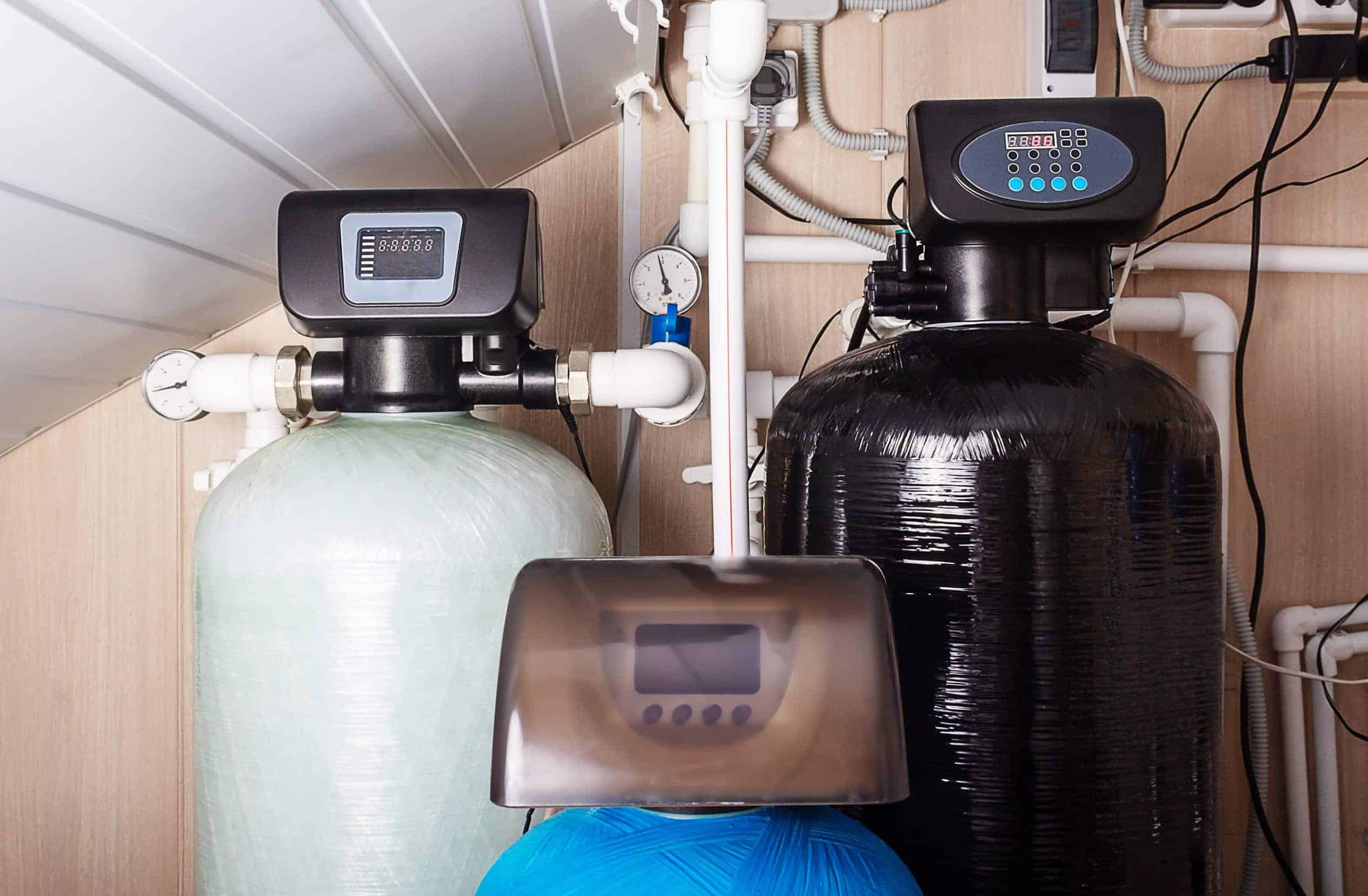
How Big Of Water Softener Do I Need
Hard water, laden with minerals like calcium and magnesium, can wreak havoc on your plumbing, appliances, and even your skin and hair. A water softener effectively combats these issues, but choosing the right size is crucial for optimal performance and efficiency. Undersize it, and you'll still face hard water problems; oversize it, and you'll waste resources and money. This article provides a comprehensive guide to determining the appropriate water softener size for your needs, catering to homeowners, HVAC professionals, and facility managers alike.
Understanding Water Hardness and Grain Capacity
Before diving into sizing calculations, it's essential to understand two key concepts: water hardness and grain capacity.
Water Hardness: This is the concentration of dissolved minerals (primarily calcium and magnesium) in your water. It's typically measured in grains per gallon (GPG) or parts per million (ppm). You can obtain this information in a few ways:
- Municipal Water Report: Your local water utility is required to provide an annual water quality report that includes hardness levels.
- Water Hardness Test Kit: These kits are readily available at hardware stores and online. They offer a quick and easy way to test your water.
- Professional Water Testing: A professional water testing service provides the most accurate and comprehensive analysis.
Grain Capacity: This refers to the amount of hardness a water softener can remove before needing regeneration. It's measured in grains. A higher grain capacity means the softener can go longer between regeneration cycles, saving water and salt.
Sizing Calculation: The Key to Optimal Performance
The following formula provides a straightforward method for calculating the required grain capacity of your water softener:
Daily Softening Requirement (grains) = Household Water Usage (gallons/day) x Water Hardness (GPG)
Water Softener Capacity (grains) = Daily Softening Requirement (grains) x Days Between Regeneration
Let's break down each component:
Household Water Usage (Gallons Per Day)
Estimating your daily water consumption is the first step. While actual usage varies, here's a common guideline:
- Average person: 75-100 gallons per day
Multiply this by the number of people in your household to get an estimate. For example, a family of four might use 300-400 gallons per day. For more accurate measurements, you can review your water bills over several months to determine your average daily consumption. For larger facilities, review historical water usage data to determine peak and average daily demand. Consider seasonal variations; landscaping and irrigation can significantly increase water use during warmer months. You can also install a water meter for more precise real-time monitoring.
Example: A family of four estimating 100 gallons per person per day would have a household water usage of 400 gallons per day.
Water Hardness (GPG)
As mentioned earlier, obtain your water hardness level through one of the methods described above. Let's assume, for this example, that the water hardness is 10 GPG.
Days Between Regeneration
This is a crucial factor impacting efficiency. A longer period between regeneration cycles saves water and salt. A typical value is 7 days, but you can adjust this based on your preferences and water usage patterns. Some advanced softeners automatically adjust regeneration frequency based on actual water consumption.
Calculating the Required Grain Capacity
Using the values from our example:
Daily Softening Requirement = 400 gallons/day x 10 GPG = 4000 grains
Water Softener Capacity = 4000 grains/day x 7 days = 28,000 grains
Therefore, in this scenario, a water softener with a capacity of at least 28,000 grains would be suitable. It's generally advisable to round up to the nearest available size, in this case, likely a 30,000-grain unit.
Considering Peak Demand and Safety Factors
The above calculation provides a baseline. However, it's essential to consider peak demand periods. For example, if you frequently have guests or run multiple appliances simultaneously, your water usage might spike. Adding a safety factor can help ensure adequate softening capacity.
Increase the calculated capacity by 10-20% to account for peak demand and future increases in water consumption. In our example, a 20% safety factor would increase the required capacity to 33,600 grains (28,000 x 1.2), suggesting a 33,000 or 40,000-grain unit would be a better choice.
Different Types of Water Softeners and Their Capacities
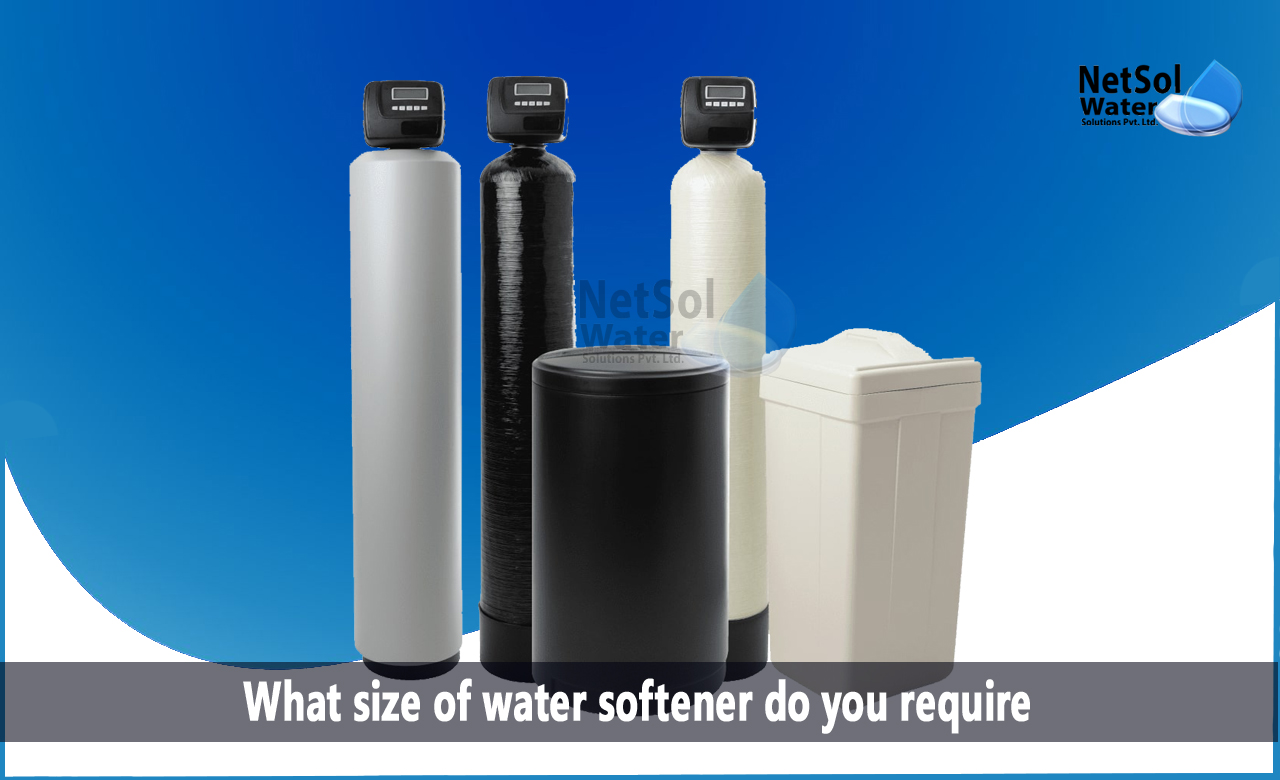
Water softeners come in various types and capacities. The most common type is the salt-based ion exchange softener, which uses resin beads to remove hardness minerals. These softeners are available in a wide range of capacities, typically from 16,000 grains to 80,000 grains or more.
Common Water Softener Sizes:
- 16,000-24,000 Grains: Suitable for 1-2 person households with moderate water hardness.
- 30,000-48,000 Grains: Ideal for 3-5 person households with moderate to high water hardness.
- 60,000-80,000 Grains: Recommended for larger households (6+ people) or homes with very hard water.
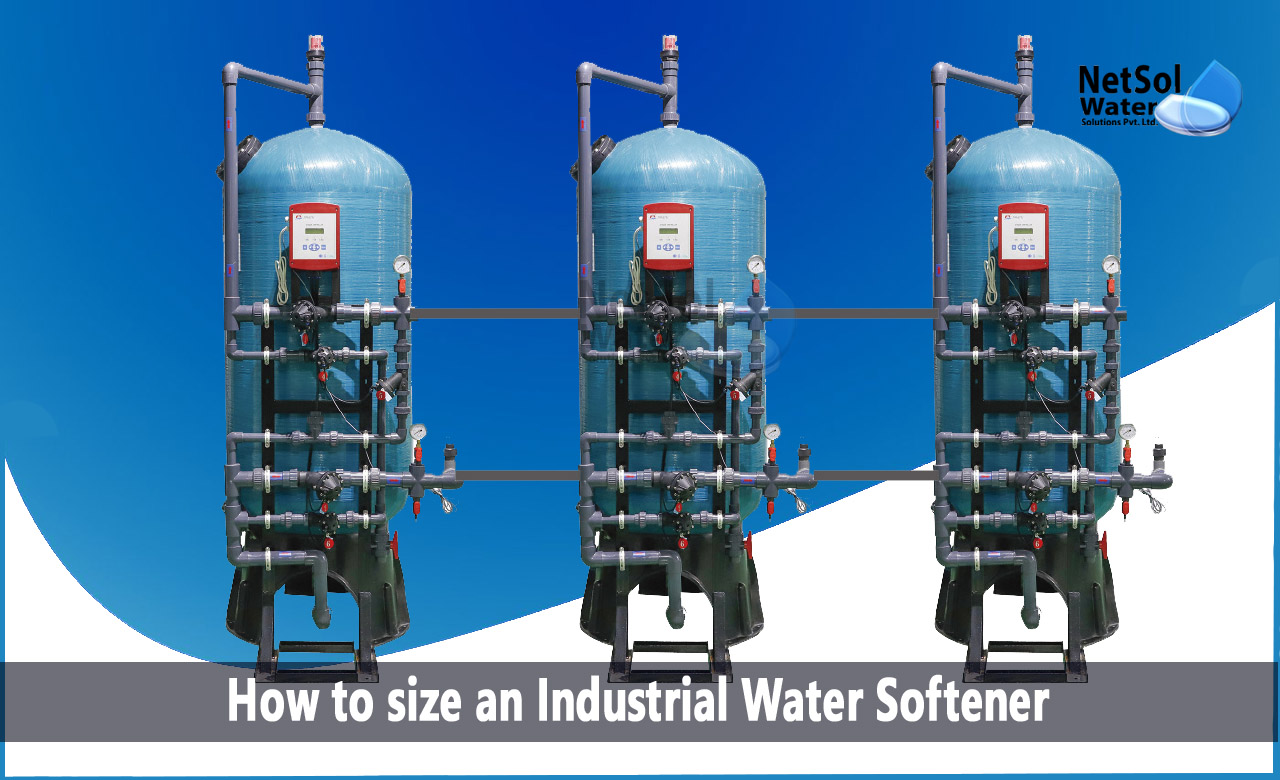
- Larger Systems: Commercial and industrial applications often require larger systems with capacities exceeding 80,000 grains. These systems may also employ multiple tanks for continuous softening.
Consider the resin type, too. Fine mesh resin is better suited for well water with high iron content as it is more resistant to fouling. However, it also requires more frequent backwashing.
Factors Affecting Water Softener Efficiency and Lifespan
Several factors can influence the efficiency and lifespan of your water softener:
- Water Hardness Level: Extremely hard water will require more frequent regeneration and may shorten the lifespan of the resin.
- Water Usage: Higher water consumption leads to more frequent regeneration.
- Salt Quality: Using high-quality salt can improve softener performance and prevent clogging. Avoid using rock salt, which contains impurities. Look for solar salt or evaporated salt.
- Regeneration Frequency: Optimizing regeneration frequency balances salt and water consumption with softening performance.
- Maintenance: Regular maintenance, including cleaning the brine tank and checking for salt bridging, is essential for optimal performance.
The average lifespan of a water softener is 10-15 years. However, with proper maintenance and care, it can last longer. Resin typically lasts 5-10 years before needing replacement.
Costs Associated with Water Softeners
The cost of a water softener varies depending on the size, brand, and features. Here's a general overview:
- Initial Purchase Price: $500 - $2000+ (depending on size and features)
- Installation Costs: $200 - $500 (professional installation is recommended)
- Salt Costs: $10 - $20 per month (depending on water hardness and usage)
- Maintenance Costs: $50 - $100 per year (for salt, cleaning supplies, and potential repairs)
Consider the long-term savings associated with softened water. These include reduced scale buildup in plumbing and appliances, lower energy bills (due to improved appliance efficiency), and reduced soap and detergent consumption.
Alternative Water Softening Technologies
While salt-based ion exchange softeners are the most common, alternative technologies are available:
- Salt-Free Water Conditioners (Scale Inhibitors): These systems prevent scale buildup without removing hardness minerals. They are less effective than salt-based softeners for very hard water.
- Reverse Osmosis (RO) Systems: RO systems remove a wide range of contaminants, including hardness minerals. However, they are typically installed at point-of-use (e.g., under the sink) rather than for the entire house.
- Magnetic Water Softeners: These devices claim to alter the properties of water molecules to prevent scale formation. Their effectiveness is debated.
For whole-house softening, salt-based ion exchange softeners remain the most reliable and effective option, especially when sized and maintained correctly.
Conclusion: Choosing the Right Size for Your Needs
Selecting the correct water softener size is crucial for maximizing performance, efficiency, and longevity. By accurately assessing your water hardness, household water usage, and desired regeneration frequency, you can determine the appropriate grain capacity. Remember to consider peak demand and safety factors to ensure your softener can handle periods of high water consumption. Consulting with an HVAC professional or water treatment specialist can provide personalized recommendations based on your specific needs and circumstances. This proactive approach will save money, resources, and protect your home or facility from the detrimental effects of hard water.