How Can I Tell If A Capacitor Is Bad
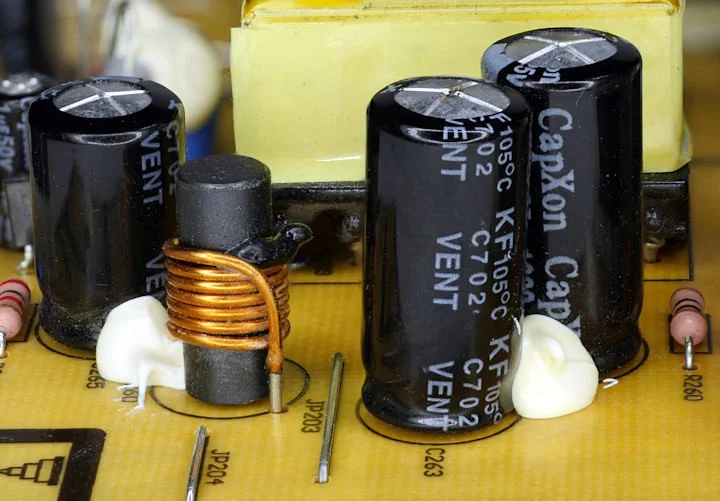
Spotting a Faulty Capacitor: A Guide for Homeowners, Technicians, and Facility Managers
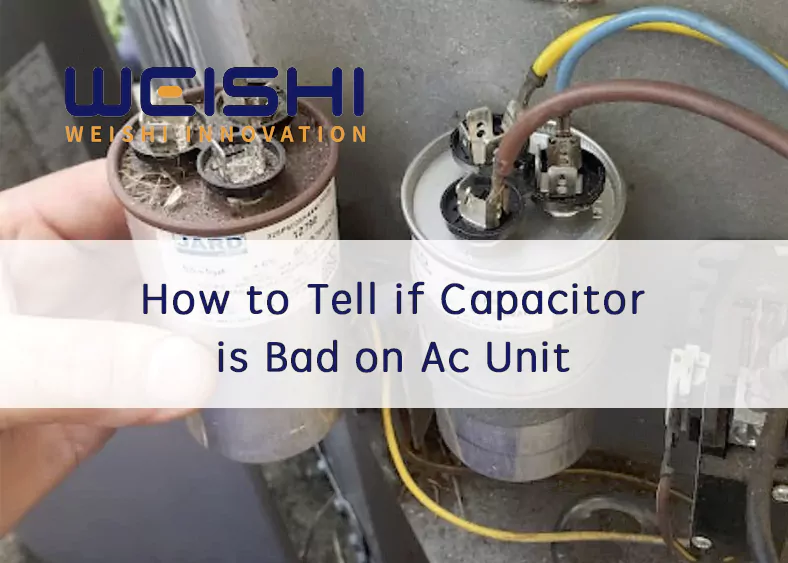
The capacitor is a small but mighty component in many HVAC systems, acting as an essential energy storage device that provides the electrical "oomph" needed to start and run motors. These motors are crucial for fans, compressors, and other vital parts of your heating and cooling equipment. When a capacitor fails, it can lead to a cascade of problems, from decreased efficiency to complete system failure. Understanding how to identify a bad capacitor can save you money, time, and the discomfort of a non-functioning HVAC system.
What is a Capacitor and What Does It Do?
Think of a capacitor like a small battery, but instead of providing a sustained flow of power, it delivers a quick burst of energy. In an HVAC system, capacitors are primarily used to start and run motors. There are two main types:
- Start Capacitors: These provide the initial jolt needed to get a motor running. They are only in the circuit for a short period during startup and then disconnect.
- Run Capacitors: These remain in the circuit continuously while the motor is running, helping to improve the motor's efficiency and performance.
Capacitors are rated in microfarads (µF) and voltage. It’s crucial to replace a capacitor with one that has the same or very close rating, which is usually printed on the capacitor itself.
Signs of a Failing Capacitor: Performance Issues
Before diving into physical inspections, let's examine the symptoms your HVAC system might exhibit when a capacitor is on its way out:
- Hard Starting: The motor struggles to start, makes clicking or humming noises, or takes several attempts before starting. This is especially common in the compressor motor.
- Reduced Cooling or Heating: If the compressor or blower motor isn't running efficiently, the system's output will be significantly reduced. You might notice that your home isn't reaching the set temperature.
- Increased Energy Bills: A failing capacitor can cause motors to work harder, drawing more electricity and increasing your energy consumption.
- Blower Motor Issues: The blower fan might run at a slower speed than normal or stop working altogether.
- System Shut Down: In some cases, a bad capacitor can cause the entire HVAC system to shut down as a safety measure. The system might repeatedly attempt to restart.
Example: A homeowner notices their AC unit struggling to start on hot days. It makes a loud humming noise and takes several minutes before the air starts to cool. This is a classic sign of a failing start capacitor.
Physical Inspection: What to Look For
If you suspect a capacitor is bad, a visual inspection can often confirm your suspicions. Important Safety Note: Always disconnect power to the HVAC system at the breaker before opening any access panels. Capacitors store electrical energy, even when the system is off, so exercise extreme caution. If you are not comfortable working with electrical components, contact a qualified HVAC technician.
Here's what to look for:
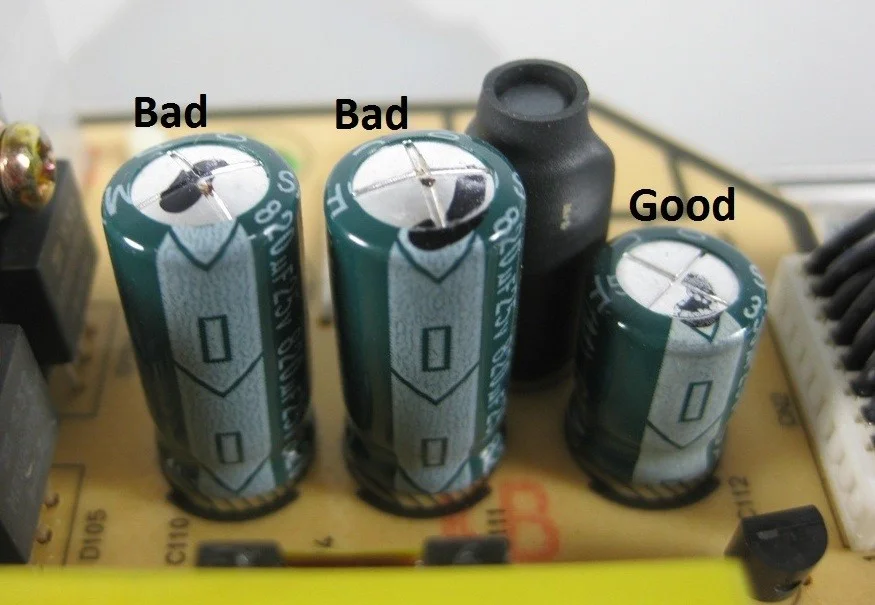
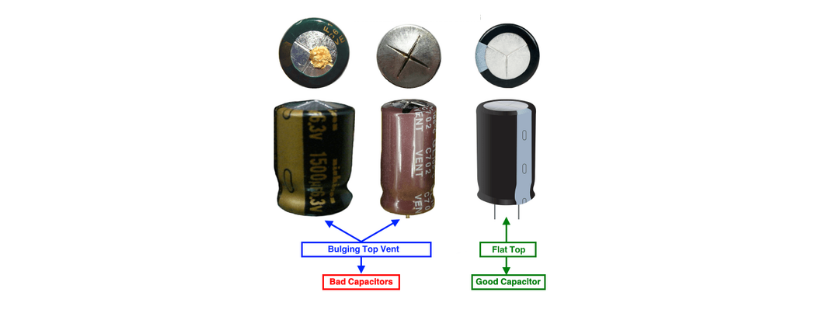
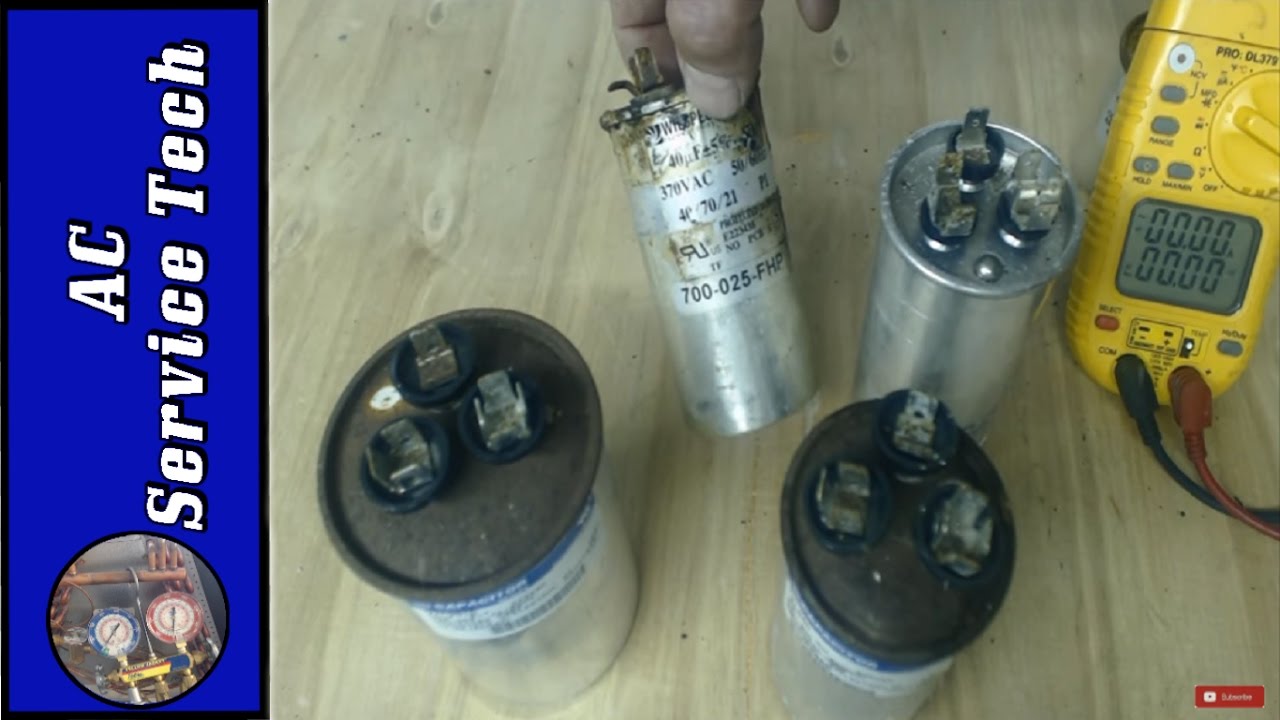
- Bulging or Swelling: This is one of the most obvious signs of a bad capacitor. The capacitor's casing will be visibly deformed.
- Leaking: A capacitor might leak a liquid substance, often oily or greasy, from its seams or terminals.
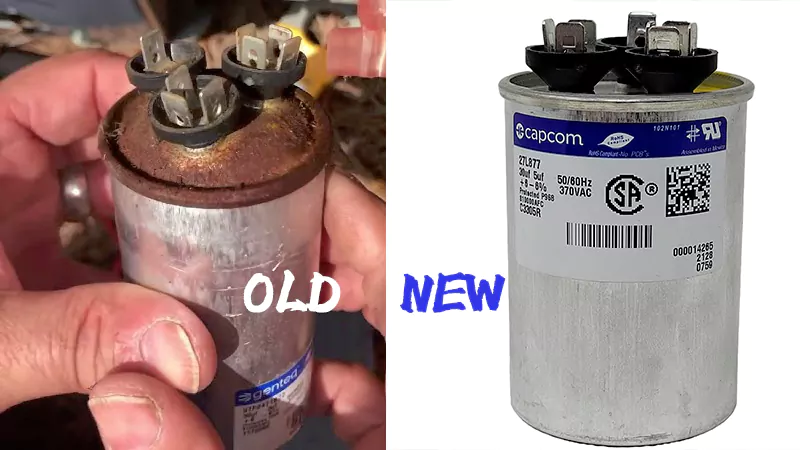
- Rust or Corrosion: Check the terminals and surrounding area for signs of rust or corrosion, which can indicate a capacitor that has been damaged by moisture or age.
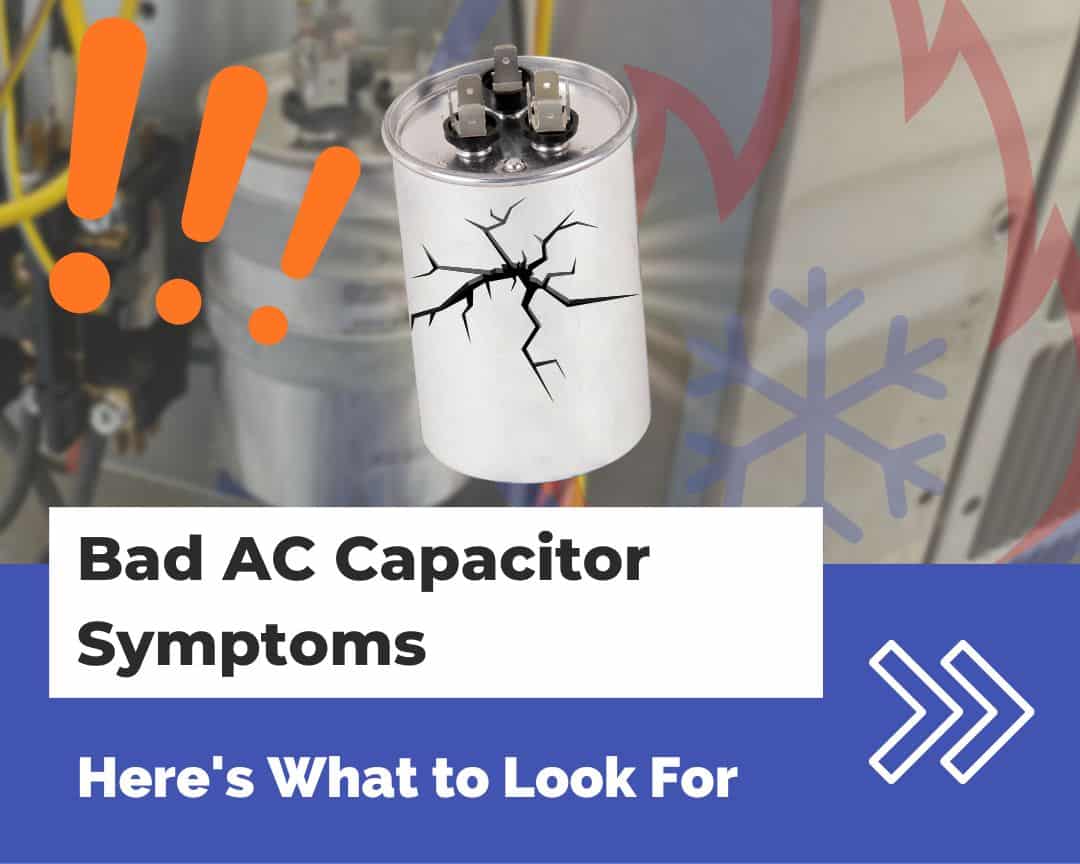
- Cracked or Broken Casing: Any cracks or breaks in the capacitor's casing are a clear indication of damage.
Important Note: Even if a capacitor looks visually fine, it could still be faulty. The only way to know for sure is to test it with a multimeter.
Testing a Capacitor with a Multimeter
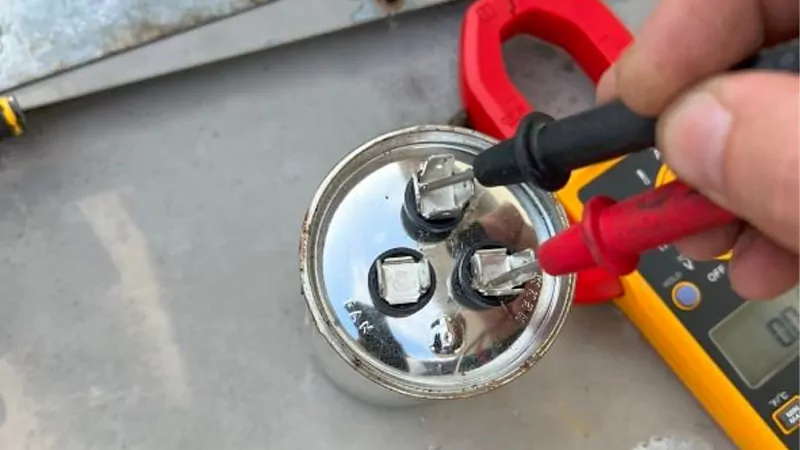
A multimeter is an essential tool for any HVAC technician, and even homeowners can use one with some basic instruction. Here's how to test a capacitor:
- Safety First: Disconnect power to the HVAC system at the breaker. Discharge the capacitor using a screwdriver with an insulated handle by carefully shorting the terminals. This prevents electric shock.
- Set the Multimeter: Set your multimeter to measure capacitance (µF). The symbol usually looks like "F" or "µF."
- Disconnect the Capacitor: Disconnect the capacitor from the HVAC system wiring. Note the original wiring configuration for easy reconnection.
- Connect the Multimeter: Connect the multimeter leads to the capacitor terminals.
- Read the Measurement: The multimeter will display the capacitor's capacitance value. Compare this value to the rated capacitance printed on the capacitor.
Interpreting the Results:
- Within Tolerance: If the measured value is within +/- 10% of the rated value, the capacitor is likely good.
- Out of Tolerance: If the measured value is significantly lower than the rated value (e.g., 20% or more), the capacitor is likely bad and needs to be replaced.
- Zero Reading: If the multimeter displays a reading of zero, the capacitor is likely shorted.
Example: A run capacitor is rated at 45 µF. When tested with a multimeter, it reads 30 µF. This indicates the capacitor is failing and needs to be replaced.
Replacing a Capacitor: Considerations
If you've determined that a capacitor is bad, replacement is the next step. Here are some key considerations:
- Safety First: As always, disconnect power and discharge the capacitor before attempting any work.
- Correct Replacement: Replace the capacitor with one that has the same voltage and microfarad (µF) rating. Using the wrong capacitor can damage your HVAC system.
- Terminal Configuration: Note the original wiring configuration and reconnect the wires to the new capacitor in the same way.
- Professional Help: If you are not comfortable working with electrical components, hire a qualified HVAC technician. Improper installation can be dangerous and can damage your system.
Cost and Lifespan
Capacitors are relatively inexpensive components. A replacement capacitor can cost anywhere from $10 to $50, depending on its size and type. However, the labor cost for a technician to diagnose and replace the capacitor can significantly increase the overall cost.
The lifespan of a capacitor varies depending on operating conditions, such as temperature and voltage. In general, capacitors can last anywhere from 3 to 10 years. Regular HVAC maintenance, including checking capacitor health, can help extend their lifespan and prevent unexpected breakdowns.
Preventative Measures and Maintenance
While capacitor failure is often unavoidable, there are steps you can take to prolong their lifespan and prevent premature failure:
- Regular HVAC Maintenance: Schedule regular maintenance checks with a qualified HVAC technician. They can inspect capacitors for signs of wear and tear and replace them before they fail.
- Cleanliness: Keep your HVAC unit clean and free of debris. Overheating can shorten the lifespan of capacitors.
- Proper Ventilation: Ensure that your HVAC unit has adequate ventilation. Restricted airflow can cause the system to work harder and overheat components.
- Surge Protection: Power surges can damage capacitors. Consider installing surge protection for your HVAC system.
By understanding the role of capacitors, recognizing the signs of failure, and taking preventative measures, homeowners, technicians, and facility managers can keep their HVAC systems running smoothly and efficiently.
Disclaimer: Working with electrical components can be dangerous. This article is for informational purposes only and should not be considered a substitute for professional advice. If you are not comfortable working with electrical components, hire a qualified HVAC technician.