How Can You Tell If Ac Is Frozen
Discovering that your air conditioner is frozen can be a frustrating experience, especially during the hottest days of summer. It's crucial to identify a frozen AC unit quickly because running it in that state can cause further damage and lead to costly repairs. This guide will help you understand how to recognize the signs of a frozen AC, the potential causes, and the steps you can take to address the issue.
Recognizing the Signs of a Frozen AC Unit
Several telltale signs indicate that your AC unit might be frozen. Being observant and checking for these indicators can help you address the problem early on.
Reduced or No Airflow
One of the most noticeable signs is a significant decrease or complete absence of airflow from your vents. Your AC is designed to circulate cool air throughout your home. If you feel little to no air coming out, especially when the unit is running, it's a strong indication that something is blocking the airflow, and ice buildup is a likely culprit. Check the vents in multiple rooms to confirm if the issue is widespread.
Visible Ice on the Evaporator Coils
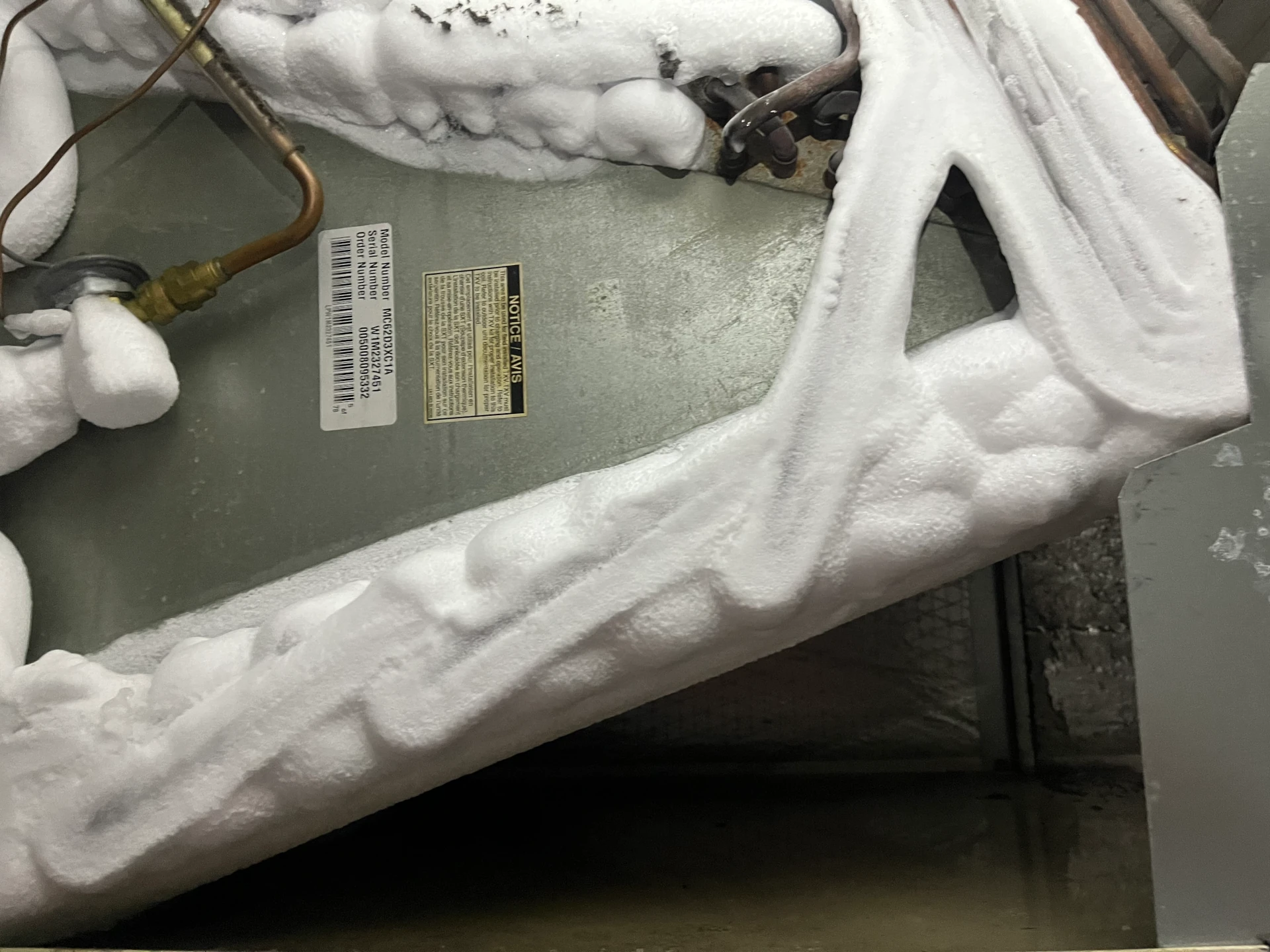
The evaporator coils are located inside the indoor unit, typically within the air handler. These coils are responsible for absorbing heat from the air. To inspect them, you'll usually need to open an access panel on your indoor unit. If you see visible ice accumulating on these coils, it's a clear sign that your AC is frozen. Be extremely careful when opening the access panel, as some components might be sharp.
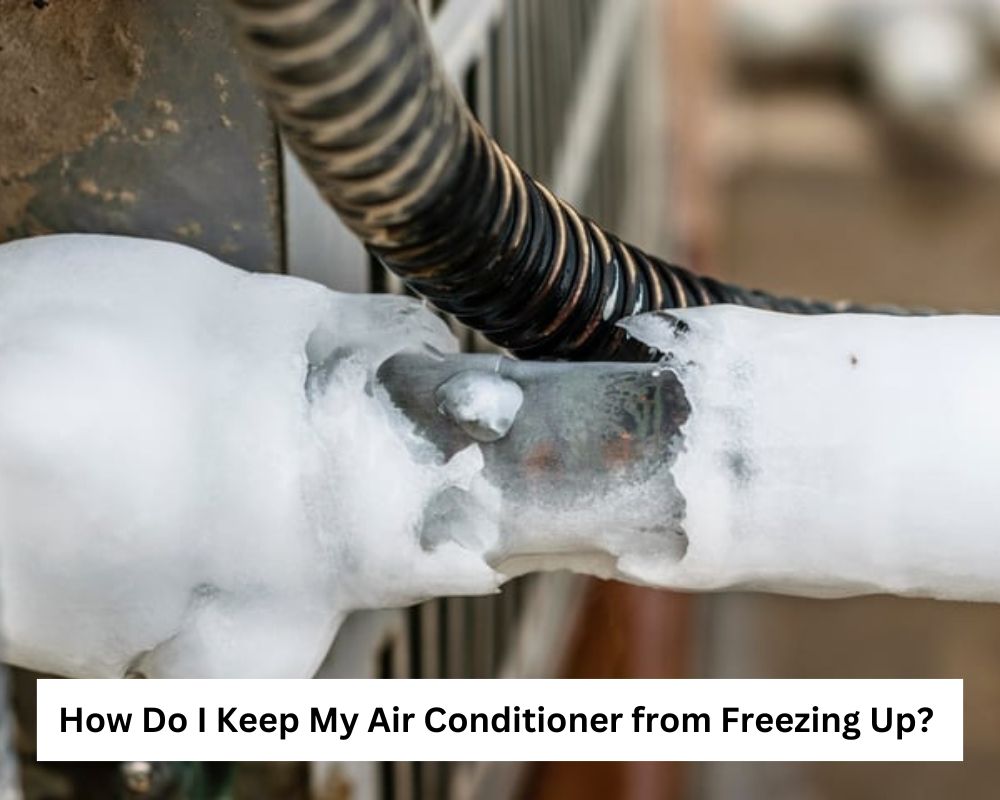
Ice on the Refrigerant Lines
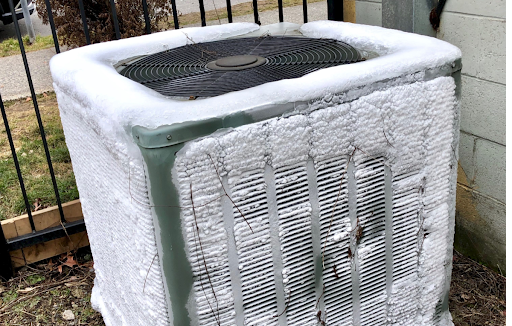
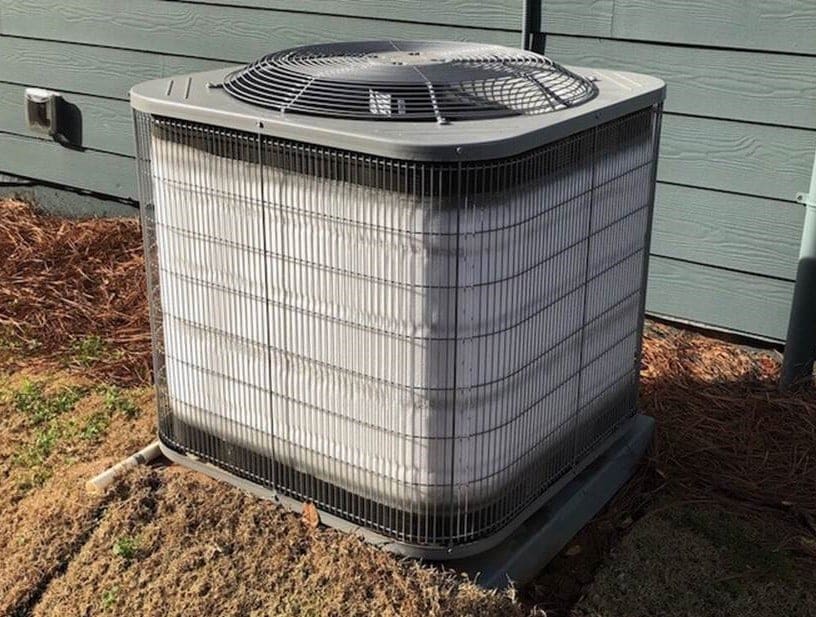
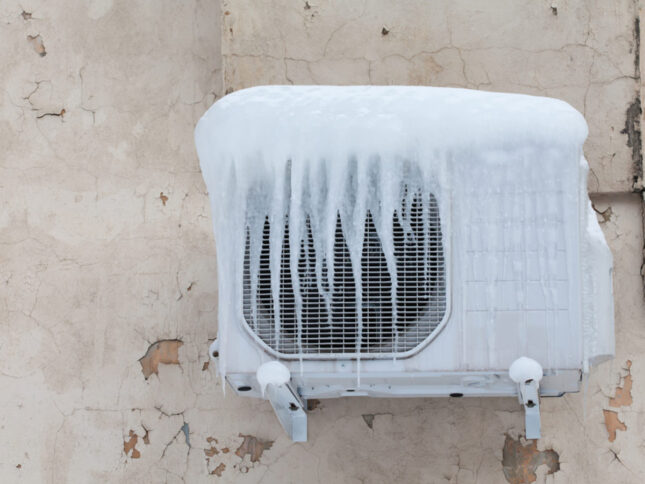
The refrigerant lines are copper pipes that connect the indoor and outdoor units of your AC system. They carry refrigerant, the cooling agent, between the two units. If you observe ice forming on these lines, especially near the outdoor unit or where they enter the indoor unit, it suggests that the refrigerant is too cold, potentially due to a restriction or another issue causing the system to freeze. Do not touch the refrigerant lines with bare hands if ice is present, as they can be extremely cold.
Water Leaks Around the Indoor Unit
As the ice melts, it can cause water to leak from your indoor unit. This water might be dripping from the air handler itself, or you might notice water stains on the ceiling or floor around the unit. While water leaks can also be caused by other issues, such as a clogged drain line, a frozen evaporator coil is a common cause, especially if the leak occurs while the AC is running or shortly after it has been turned off. Promptly address any water leaks to prevent water damage to your home.
Unusual Noises from the AC Unit
A frozen AC can sometimes produce unusual noises, such as hissing, bubbling, or rattling sounds. These noises might be caused by the refrigerant circulating through the iced-up components or by the fan struggling to move air through the blockage. Pay attention to any new or unusual sounds coming from your AC unit, as they can provide valuable clues about the problem.
Higher Than Usual Energy Bills
If your AC is running inefficiently due to freezing, it will likely consume more energy to try and cool your home. This can result in a noticeable increase in your energy bills. While energy bills can fluctuate for various reasons, a sudden and unexplained spike, especially during periods of consistent AC usage, could indicate a problem with your unit's performance, including the possibility of freezing. Track your energy consumption to identify any potential issues early on.
Potential Causes of a Frozen AC
Understanding the underlying causes of a frozen AC is crucial for preventing future occurrences. Several factors can contribute to this issue:
Low Refrigerant Levels
Refrigerant is the cooling agent that circulates through your AC system, absorbing heat from inside your home and releasing it outside. Think of refrigerant as the "blood" of your AC system, carrying heat from inside to outside. If the refrigerant level is too low, the pressure in the system drops, causing the evaporator coils to become excessively cold and eventually freeze. Refrigerant leaks are the most common cause of low refrigerant levels. These leaks can occur at various points in the system, such as connections, valves, or coils.
Restricted Airflow
Adequate airflow is essential for the proper functioning of your AC system. When airflow is restricted, the evaporator coils become too cold because they're not absorbing enough heat. Several factors can restrict airflow:
- Dirty Air Filter: A clogged air filter is the most common cause of restricted airflow. A dirty filter prevents air from flowing freely through the system, leading to ice buildup.
- Blocked Vents: Closing or obstructing vents in your home can also restrict airflow, causing the evaporator coils to freeze.
- Dirty Evaporator Coils: Over time, dust and debris can accumulate on the evaporator coils, reducing their ability to absorb heat and leading to freezing.
- Damaged or Faulty Blower Fan: The blower fan is responsible for circulating air through the system. If the fan is damaged or malfunctioning, it won't be able to provide adequate airflow.
Dirty Evaporator Coils
As mentioned above, dirty evaporator coils can significantly reduce the efficiency of your AC system. The dirt acts as an insulator, preventing the coils from properly absorbing heat. This causes the coils to become too cold, leading to freezing. Regular cleaning of the evaporator coils is essential for maintaining optimal performance.
Faulty Thermostat
A malfunctioning thermostat can cause the AC to run continuously, even when the desired temperature has been reached. This constant operation can lead to the evaporator coils becoming excessively cold and eventually freezing. Check your thermostat settings to ensure they are correct. If you suspect a problem with your thermostat, have it inspected and repaired or replaced by a qualified technician.
Mechanical Issues
Various mechanical issues within the AC system can contribute to freezing, including:
- Faulty Compressor: The compressor is the heart of the AC system, responsible for circulating refrigerant. A malfunctioning compressor can cause pressure imbalances and lead to freezing.
- Expansion Valve Problems: The expansion valve regulates the flow of refrigerant into the evaporator coils. A faulty expansion valve can cause the refrigerant to become too cold, leading to freezing.
Steps to Take When You Suspect a Frozen AC
If you suspect that your AC is frozen, take the following steps:
Turn Off the AC
The first and most important step is to turn off your AC unit. Running a frozen AC can cause further damage to the system, potentially leading to more expensive repairs. Turn off the AC at the thermostat and also switch off the breaker that controls the AC unit.
Check the Air Filter
As mentioned earlier, a dirty air filter is a common cause of frozen AC units. Remove the air filter and inspect it for dirt and debris. If the filter is dirty, replace it with a new one. Use a high-quality air filter to improve airflow and filtration.
Melt the Ice
Allow the ice to melt naturally. This can take several hours, depending on the severity of the ice buildup. Do not attempt to chip away or scrape off the ice, as this can damage the delicate components of the AC system. You can speed up the melting process by turning on the fan setting on your thermostat. This will circulate warm air over the evaporator coils, helping to melt the ice. However, do not run the AC in cooling mode while the ice is melting.
Check for Obstructions
Ensure that all vents are open and unobstructed. Remove any furniture, curtains, or other items that might be blocking airflow. Check the outdoor unit for any obstructions, such as leaves, branches, or debris, that might be restricting airflow. Clean away any obstructions to ensure proper ventilation.
Contact a Qualified HVAC Technician
If the problem persists after taking these steps, or if you suspect a more serious issue, such as a refrigerant leak or a faulty compressor, contact a qualified HVAC technician. Attempting to repair complex AC problems yourself can be dangerous and can void your warranty. A professional technician has the expertise and tools to diagnose the problem accurately and perform the necessary repairs safely and effectively. Ask about their experience and certifications before hiring a technician.
Preventing Future Freezing
Preventing your AC from freezing is much easier (and cheaper!) than dealing with a frozen unit. Here's how to keep your AC running smoothly:
Regular Maintenance
Schedule regular maintenance for your AC system with a qualified HVAC technician. During maintenance, the technician will inspect the system for potential problems, clean the coils, check refrigerant levels, and ensure that all components are functioning properly. Regular maintenance can help identify and address problems early on, preventing them from escalating into more serious issues.
Replace Air Filters Regularly
Replace your air filter every one to three months, or more frequently if you have pets or allergies. A clean air filter ensures proper airflow and prevents dirt and debris from accumulating on the evaporator coils. Set a reminder to replace your air filter on a regular basis.
Keep Vents Clear
Ensure that all vents are open and unobstructed. Avoid blocking vents with furniture, curtains, or other items. Regularly check the vents to ensure they are clear of any obstructions.
Monitor Refrigerant Levels
If you suspect a refrigerant leak, contact a qualified HVAC technician to inspect the system and repair any leaks. Do not attempt to add refrigerant yourself, as this can be dangerous and can damage the system. Regular maintenance includes checking the refrigerant level.
Consider a Smart Thermostat
A smart thermostat can help you monitor and control your AC system more effectively. Some smart thermostats can even detect potential problems, such as low refrigerant levels or restricted airflow, and alert you to take action. Research different smart thermostat options to find one that meets your needs and budget.
By understanding the signs of a frozen AC, the potential causes, and the steps you can take to address the issue, you can keep your AC system running efficiently and prevent costly repairs. Remember to prioritize safety and consult with a qualified HVAC technician when necessary.