How Close Can A Mantle Be To The Fireplace

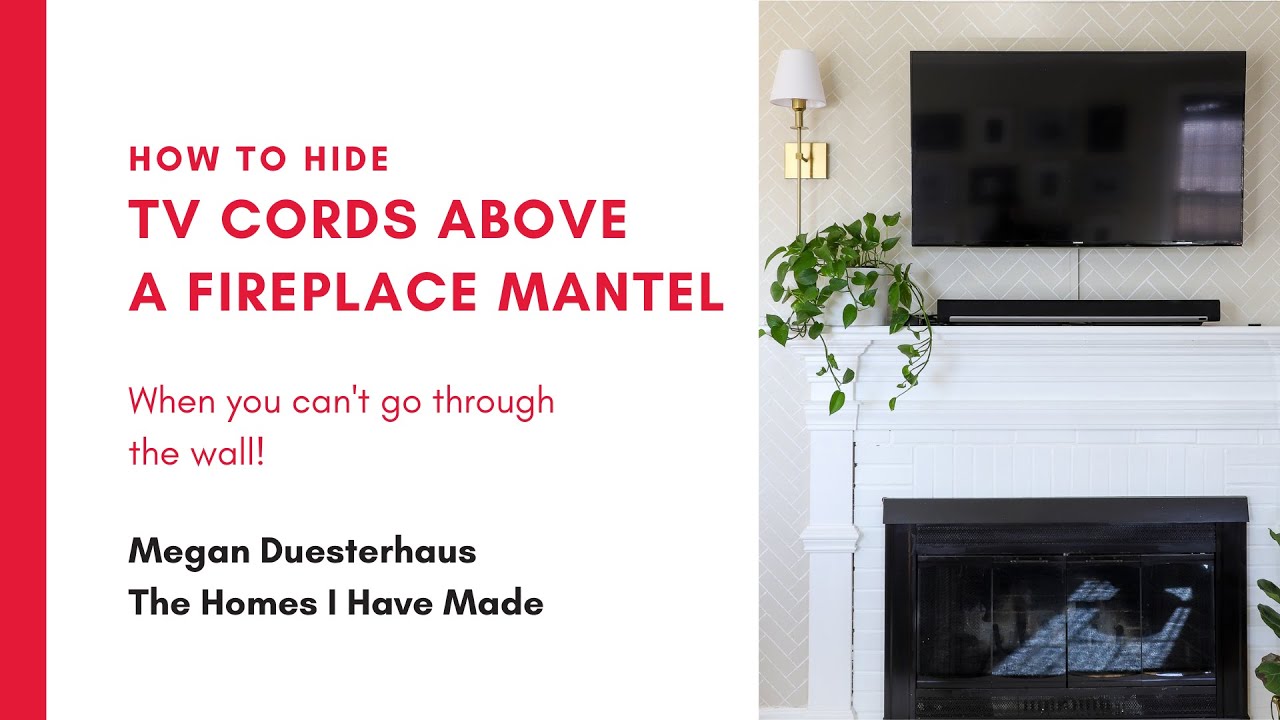
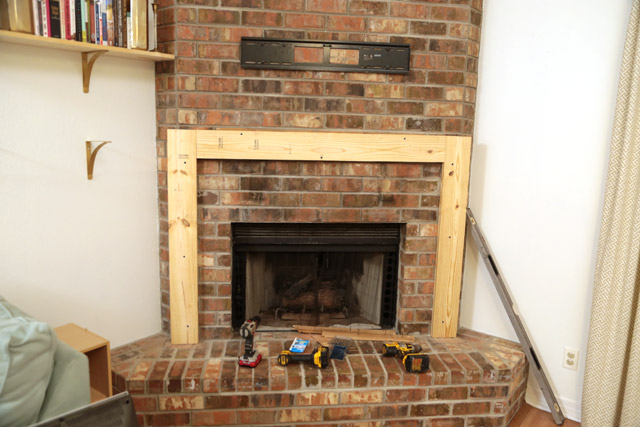
One of the coziest features of any home is a fireplace, providing warmth and ambiance during the colder months. However, ensuring its safe operation requires careful attention to detail, especially regarding the placement of the mantle. Understanding how close a mantle can be to the fireplace opening is crucial for preventing fire hazards and maintaining structural integrity. This guide delves into the regulations, best practices, and factors influencing safe mantle placement.
Understanding Fireplace Safety Standards
Fireplaces generate significant heat, and combustible materials placed too close can ignite. Building codes and safety standards, often based on recommendations from organizations like the National Fire Protection Association (NFPA), are in place to mitigate these risks. These regulations dictate minimum clearances between the fireplace opening and combustible materials like wood mantles.
These standards are not arbitrary. They are the result of extensive research and testing to determine safe distances that minimize the risk of fire. Ignoring these guidelines can lead to serious consequences, including house fires and property damage.
The Importance of Mantle Clearance
The primary reason for maintaining adequate clearance between the mantle and the fireplace is to prevent combustion. Wood, the most common material for mantles, has a flashpoint – the temperature at which it ignites. The heat radiating from the fireplace can raise the temperature of the mantle to this point, especially if the mantle is too close.
Additionally, excessive heat exposure can warp or damage the mantle over time, even if it doesn't immediately catch fire. This can lead to structural instability and costly repairs. Proper clearance helps to maintain the integrity and longevity of your mantle.
General Guidelines for Mantle Clearance
While specific regulations can vary depending on local building codes, some general guidelines are widely accepted:
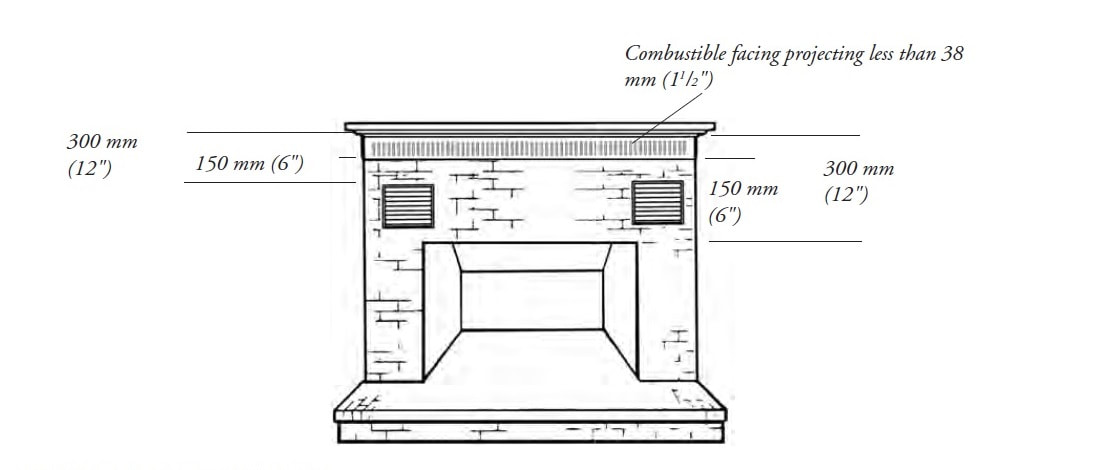
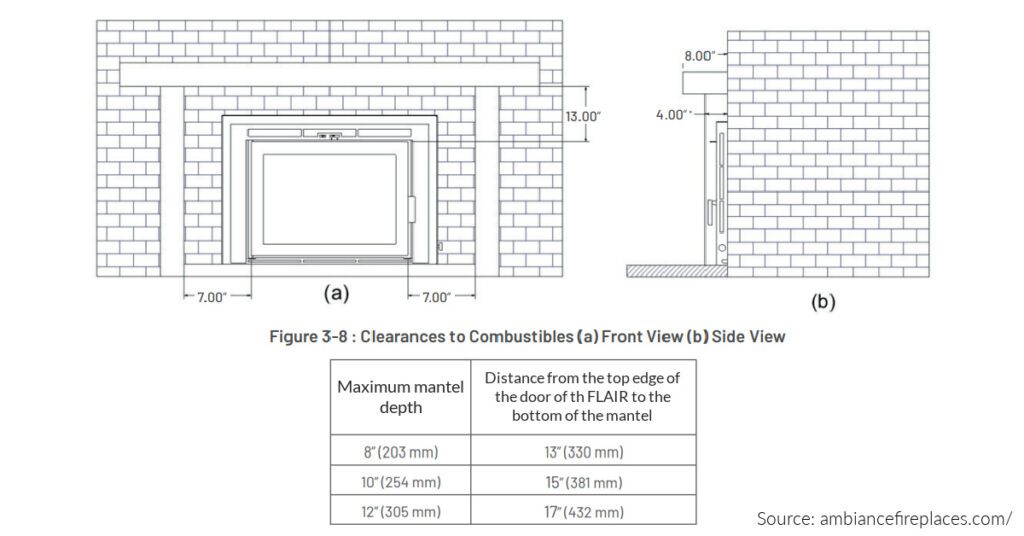
- The 6-Inch Rule: For every inch the mantle protrudes from the wall above the fireplace opening, there should be a minimum of 6 inches of clearance between the top of the fireplace opening and the bottom of the mantle. For example, if a mantle extends 8 inches from the wall, the bottom of the mantle should be at least 48 inches above the fireplace opening (8 inches x 6 inches/inch = 48 inches).
- The 12-Inch Rule: Some codes and recommendations specify a minimum of 12 inches of clearance regardless of mantle protrusion, particularly for gas fireplaces which can generate a significant amount of radiant heat.
These rules act as a starting point. Always consult your local building codes and the fireplace manufacturer's instructions for specific requirements.
Factors Affecting Mantle Clearance Requirements
Several factors can influence the required mantle clearance, necessitating a more nuanced approach than simply relying on the 6-inch or 12-inch rule:
Type of Fireplace
- Wood-Burning Fireplaces: These fireplaces typically generate the highest temperatures, requiring the most stringent clearances.
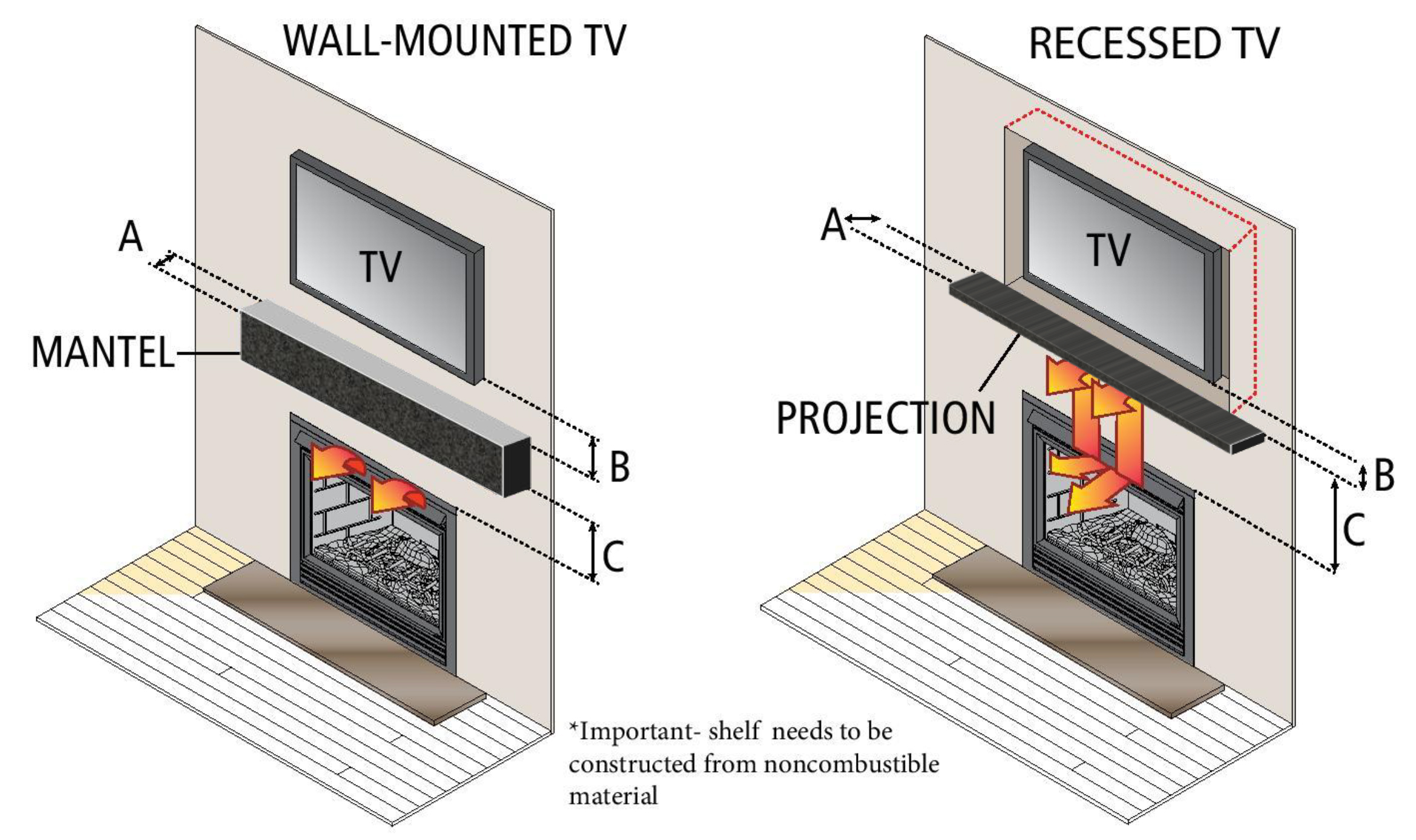
- Gas Fireplaces: While generally producing less intense heat than wood-burning fireplaces, gas fireplaces still require careful consideration, especially those with larger burner outputs. Refer to the manufacturer's specifications for specific mantle clearance requirements.
- Electric Fireplaces: Electric fireplaces generate minimal heat and often have lower clearance requirements, but it's still essential to follow the manufacturer's instructions.
Mantle Material
- Wood: Wood is a combustible material and requires the most clearance. Hardwoods like oak and maple are denser and may be slightly more resistant to heat than softwoods, but all wood mantles need to adhere to safety standards.
- Stone or Brick: These non-combustible materials are more heat-resistant and may allow for closer placement to the fireplace opening. However, the framing behind the stone or brick might still be combustible and require clearance.
- Concrete: Similar to stone and brick, concrete is non-combustible. However, consult local codes regarding any sealants or coatings applied to the concrete, as these could be flammable.
Fireplace Inserts
Adding a fireplace insert can drastically change the heat output and therefore the required clearances. Always consult the insert manufacturer's specifications for mantle clearance requirements. Inserts are often designed to direct heat more efficiently, potentially increasing the temperature around the mantle area.
Checking Local Building Codes
Local building codes supersede general guidelines. Contact your local building department or a qualified HVAC contractor to determine the specific regulations in your area. These codes are in place to ensure the safety of your home and family and must be strictly followed.
Failure to comply with building codes can result in fines, mandatory alterations, and, most importantly, increased risk of fire.
Installing a Heat Shield
If you cannot achieve the required mantle clearance due to design constraints or existing conditions, consider installing a heat shield. A heat shield is a non-combustible barrier placed between the fireplace opening and the mantle to deflect heat and reduce the temperature of the mantle surface.
Heat shields are typically made of metal and are designed to be aesthetically pleasing while providing essential fire protection. Ensure the heat shield is properly installed and meets the requirements of local building codes and the fireplace manufacturer's specifications.
Professional Inspection and Installation
Installing a fireplace and mantle is a complex project best left to qualified professionals. A certified HVAC technician or experienced contractor can assess your specific situation, ensure compliance with all applicable codes, and install the fireplace and mantle safely and correctly.
A professional inspection can identify potential fire hazards that you might miss, such as improper venting or inadequate insulation. They can also advise you on the best type of fireplace and mantle for your home and budget.
Maintaining Your Fireplace and Mantle
Regular maintenance is essential for ensuring the safe and efficient operation of your fireplace and the longevity of your mantle:
- Annual Chimney Sweep: Have your chimney cleaned annually by a qualified chimney sweep to remove creosote buildup, which is a highly flammable substance.
- Regular Inspections: Inspect your fireplace and mantle regularly for signs of damage, such as cracks, warping, or discoloration.
- Proper Firewood Storage: Store firewood away from the fireplace to prevent accidental ignition.
- Maintain Smoke Detectors: Ensure your smoke detectors are working properly and have fresh batteries.
Comparing HVAC Brands and Fireplace Options
While discussing mantle clearance, let's briefly touch on some popular HVAC brands that integrate well with fireplace installations. Brands like Carrier, Trane, and Lennox offer efficient heating systems that can complement the ambiance of a fireplace. Look for models with high AFUE (Annual Fuel Utilization Efficiency) ratings for furnaces and high SEER (Seasonal Energy Efficiency Ratio) ratings for air conditioners. For heat pumps, consider the HSPF (Heating Seasonal Performance Factor).
These brands often offer zoning systems, allowing you to control the temperature in different areas of your home, including the room with the fireplace. This can help you maintain a comfortable temperature throughout your house while enjoying the warmth of the fireplace.
When choosing a fireplace, consider options like direct vent gas fireplaces, which are more efficient and safer than traditional wood-burning fireplaces. These models often have lower mantle clearance requirements but always consult the manufacturer's specifications.
Warranty Considerations
Always review the warranty information for your fireplace and mantle. Warranties typically cover manufacturing defects but may not cover damage caused by improper installation or maintenance. Understand the terms and conditions of your warranty to ensure you are protected against potential issues.
Cost Considerations
The cost of installing a fireplace and mantle can vary depending on the type of fireplace, the material of the mantle, and the complexity of the installation. Obtain multiple quotes from qualified contractors to compare pricing and ensure you are getting a fair deal. Factor in the cost of permits, inspections, and ongoing maintenance when budgeting for your fireplace project.
Conclusion
Ensuring proper mantle clearance is paramount for fireplace safety. By adhering to building codes, considering the type of fireplace and mantle material, and seeking professional guidance, you can enjoy the warmth and beauty of your fireplace without compromising safety. Remember to prioritize safety above all else and consult with qualified professionals to ensure your fireplace and mantle are installed and maintained correctly. The cozy ambiance of a fireplace can enhance your home, but only when safety protocols are meticulously followed.