How Close Can Electrical Wire Be To Gas Line
Understanding the safe proximity between electrical wiring and gas lines is crucial for preventing dangerous situations in your home or building. Improper installation can lead to fires, explosions, and electric shocks. This guide explains the necessary clearances and precautions to ensure a safe environment.
Why Separation Matters
Electricity and natural gas, while essential for modern living, can be a volatile combination if not handled carefully. The primary concern is the risk of ignition. Here's a breakdown of the key hazards:
- Arcing: Damaged or faulty electrical wiring can create an electrical arc – a spark of electricity jumping through the air. This arc can ignite natural gas, leading to a fire or explosion.
- Heat: Overloaded or poorly insulated electrical wires can generate heat. If this heat is concentrated near a gas line, it can weaken the pipe material or, in extreme cases, ignite leaking gas.
- Corrosion: Electrical currents can accelerate corrosion in metallic gas pipes, especially if the pipes are grounded improperly. This corrosion can lead to gas leaks.
National and Local Codes: The Foundation of Safety
The standards for electrical and gas line installations are primarily governed by the National Electrical Code (NEC) and the National Fuel Gas Code (NFGC). These codes are developed and maintained by the National Fire Protection Association (NFPA). However, it’s crucial to remember that local codes and ordinances can be stricter than these national standards. Always check with your local building department for specific requirements in your area.
Think of the NEC and NFGC as the minimum safety standards. Your local jurisdiction can build upon these, so never assume the national codes are all you need to follow.
Key Code Considerations
While specific clearances can vary, some general principles are consistently applied:
- Dedicated Pathways: Whenever possible, electrical wiring and gas lines should be installed in separate and dedicated pathways. This means avoiding running them in the same conduit or directly alongside each other.
- Physical Barriers: If parallel runs are unavoidable, a physical barrier, such as a fire-rated wall or partition, is often required to separate the electrical wiring from the gas line.
- Clearance Requirements: Specific clearance distances are mandated, often measured in inches or feet. These distances vary depending on the voltage of the electrical wiring and the type of gas line.
- Proper Grounding: Adequate grounding of both the electrical system and the gas piping system is essential to prevent stray currents that could cause corrosion or electrical hazards.
General Clearance Guidelines (Always Verify Locally)
It's impossible to give a single, definitive "safe distance" without knowing the specifics of your situation. However, here are some general guidelines to provide a baseline understanding. Always consult your local codes and a qualified professional for accurate requirements.
- Horizontal Runs: As a general rule, aim for at least 12 inches of separation between electrical wiring (especially high-voltage wiring) and gas lines running horizontally. In some jurisdictions, this distance may be greater.
- Vertical Runs: When running vertically, maintain at least 6 inches of separation. Ensure that the electrical wiring is not directly above the gas line, as heat rises.
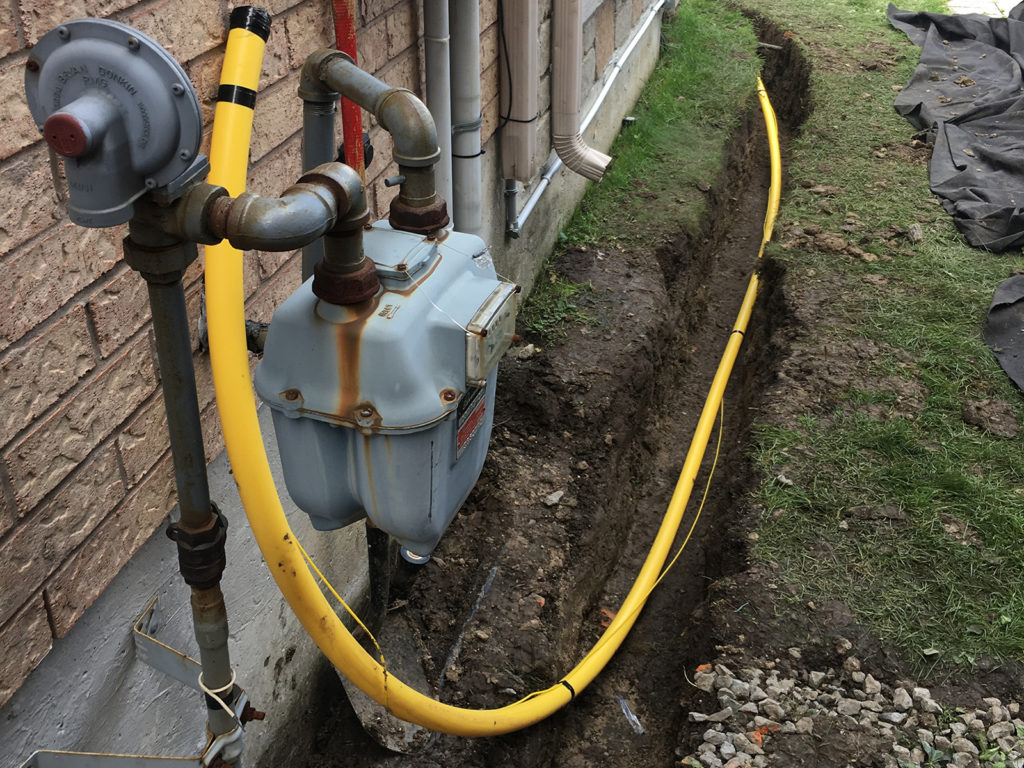
- Junction Boxes and Outlets: Junction boxes and electrical outlets should be located at least 3 feet away from gas meters or appliance regulators. This prevents sparks from igniting leaking gas during maintenance or repair.
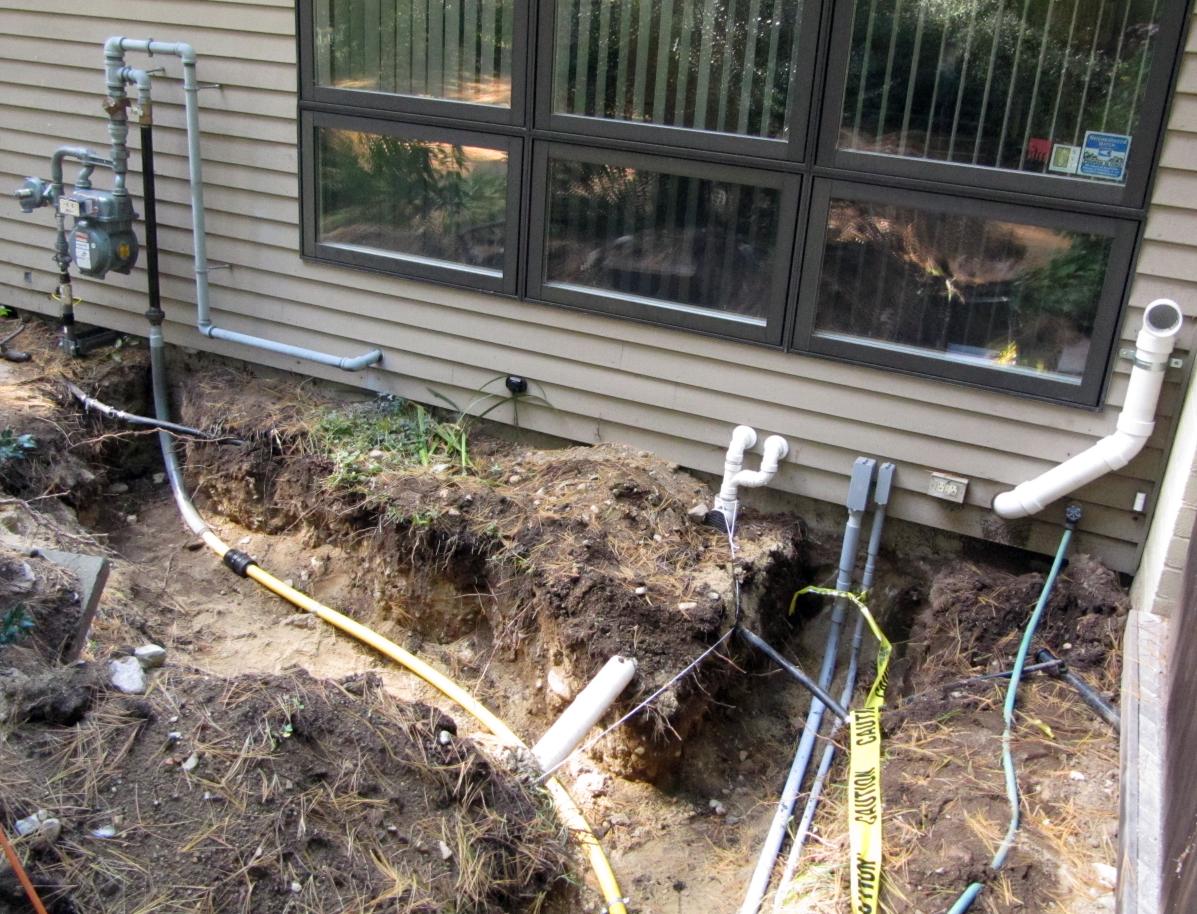
- Underground: When burying electrical conduit and gas lines underground, maintain a separation of at least 12 inches. The gas line should ideally be above the electrical conduit, with a warning tape marking its location.
- Penetrations: When either an electrical wire or a gas line must penetrate a wall or floor, use a sealant that is compatible with both materials to prevent gas leaks or electrical shorts.
Specific Scenarios and Considerations
The clearance requirements can change depending on the specific circumstances. Here are a few examples:
- High-Voltage Wiring: If you have high-voltage wiring (e.g., 240V or higher), the required clearance from gas lines will be significantly greater than for low-voltage wiring (e.g., 120V).
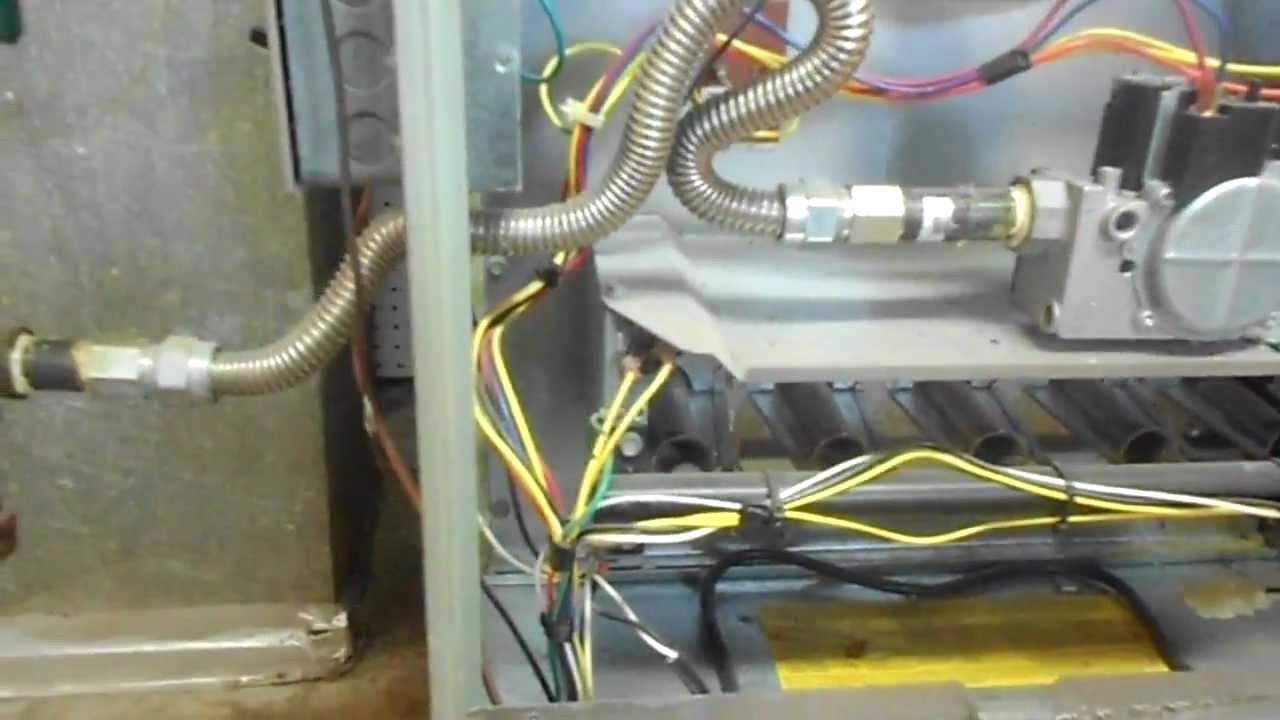
- Flexible Gas Lines: Flexible gas lines are often more susceptible to damage than rigid pipes. Ensure these lines are adequately protected from electrical arcing and heat.
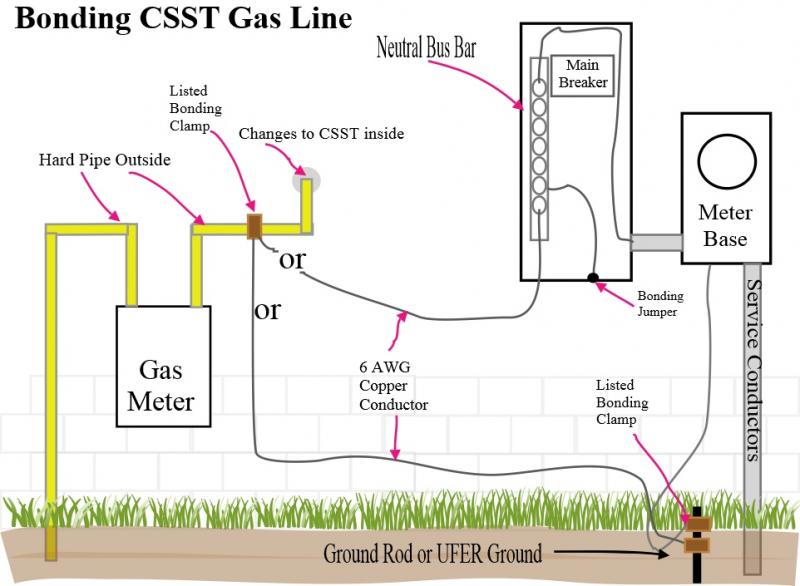
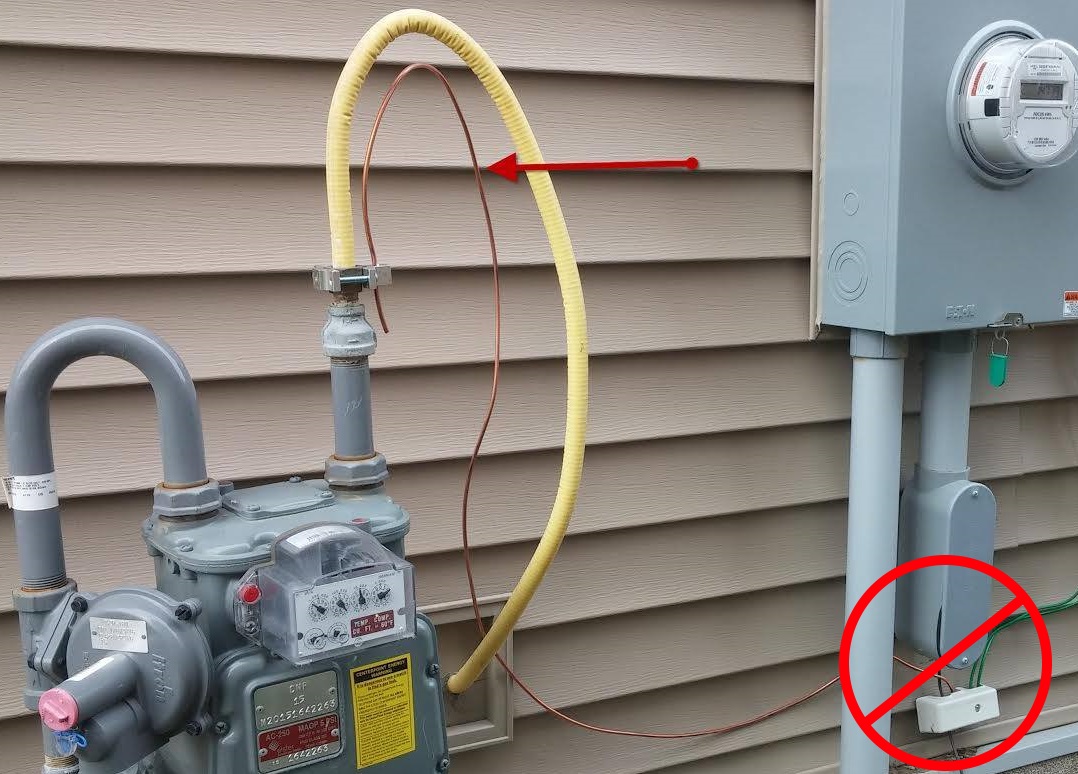
- Corrugated Stainless Steel Tubing (CSST): CSST is a type of flexible gas piping that is more vulnerable to lightning strikes and electrical surges than traditional black iron pipe. Proper bonding of CSST is crucial to protect it from damage.
- Gas Appliances: When installing electrical outlets near gas appliances like water heaters or furnaces, maintain a safe distance to prevent accidental ignition of gas leaks.
- Remodeling and Renovations: When remodeling or renovating, carefully inspect the existing electrical and gas line installations to ensure they meet current code requirements. Do not assume that older installations are safe.
Materials and Installation Practices
The materials used for electrical wiring and gas lines also play a role in safety:
- Wiring Type: Use appropriate wiring types that are rated for the environment in which they are installed. For example, use outdoor-rated wiring for exterior applications and moisture-resistant wiring in damp locations.
- Conduit: Enclose electrical wiring in rigid conduit (e.g., metal or PVC) to provide physical protection and prevent arcing.
- Gas Pipe Material: Use approved gas pipe materials, such as black iron, copper, or polyethylene, depending on the application and local codes.
- Fittings: Use compatible fittings for both electrical wiring and gas lines to ensure secure connections and prevent leaks.
- Professional Installation: Always hire qualified and licensed professionals for electrical and gas line installations. They have the knowledge and experience to ensure that the work is done safely and correctly.
Warning Signs and Troubleshooting
Be aware of potential warning signs that indicate a problem with your electrical or gas system:
- Gas Odor: If you smell gas, immediately evacuate the building and call your gas company or the fire department from a safe location.
- Flickering Lights: Flickering lights or other electrical problems could indicate loose wiring or overloaded circuits, which could pose a fire hazard.
- Corrosion: Visible corrosion on gas pipes or electrical conduits could indicate a potential safety issue.
- Damaged Wiring: Damaged or exposed electrical wiring is a serious hazard and should be repaired immediately.
If you notice any of these warning signs, do not attempt to repair the problem yourself. Contact a qualified professional for assistance.
The Importance of Professional Inspection
Even if you are confident in your knowledge of electrical and gas codes, it is always a good idea to have your installations inspected by a qualified professional. A licensed electrician or plumber can identify potential hazards and ensure that your systems are safe and compliant with current codes.
Think of a professional inspection as a safety checkup for your home. It can provide peace of mind and prevent costly and dangerous problems down the road.
Bonding and Grounding Explained Simply
Bonding and grounding are critical safety measures. Let's simplify these concepts:
- Grounding: Grounding provides a safe path for electricity to flow back to the electrical panel in the event of a fault. Imagine it as an emergency escape route for errant electricity. Without it, a short circuit could energize metal objects, making them dangerous to touch.
- Bonding: Bonding connects different metal components together to ensure they are at the same electrical potential. This prevents voltage differences between them, which could cause a shock if you touch two different metal parts simultaneously. In the context of gas lines, bonding helps minimize the risk of damage from lightning strikes, especially with CSST piping.
Both grounding and bonding are complex topics, and their proper implementation requires the expertise of a licensed electrician.
In Summary: Prioritize Safety and Compliance
Maintaining a safe separation between electrical wiring and gas lines is paramount for protecting your home and family. Remember these key takeaways:
- Know Your Local Codes: Local codes often exceed national standards. Always check with your local building department.
- Maintain Adequate Clearance: Follow recommended clearance guidelines, keeping in mind that specific requirements vary depending on the situation.
- Use Proper Materials: Use approved materials and installation practices for both electrical wiring and gas lines.
- Hire Qualified Professionals: For all installations and repairs, hire licensed electricians and plumbers.
- Be Aware of Warning Signs: Recognize potential warning signs and take prompt action.
- Get Regular Inspections: Schedule regular inspections to ensure your systems are safe and compliant.
By following these guidelines and working with qualified professionals, you can create a safe and comfortable living environment.