How Do Back Pressure Regulators Work
Understanding Back Pressure Regulators: Your Guide to HVAC System Stability
Back pressure regulators (BPRs) are vital components in many HVAC and refrigeration systems. Their primary function is to maintain a desired upstream pressure, preventing fluctuations that can damage equipment, reduce efficiency, and even pose safety hazards. Think of them as the guardians of pressure stability in your system. This guide will walk you through the workings of BPRs, common issues, and when to call a professional.
What is a Back Pressure Regulator and Where is it Used?
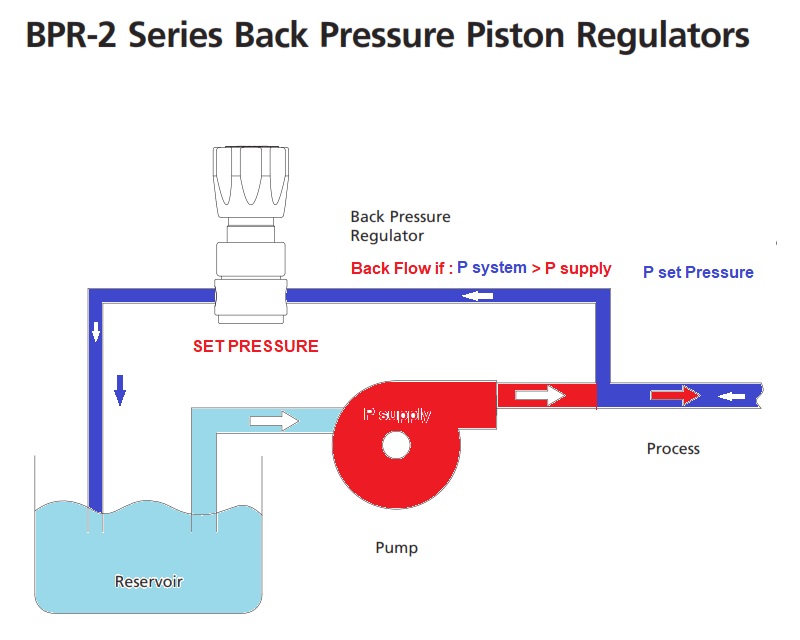
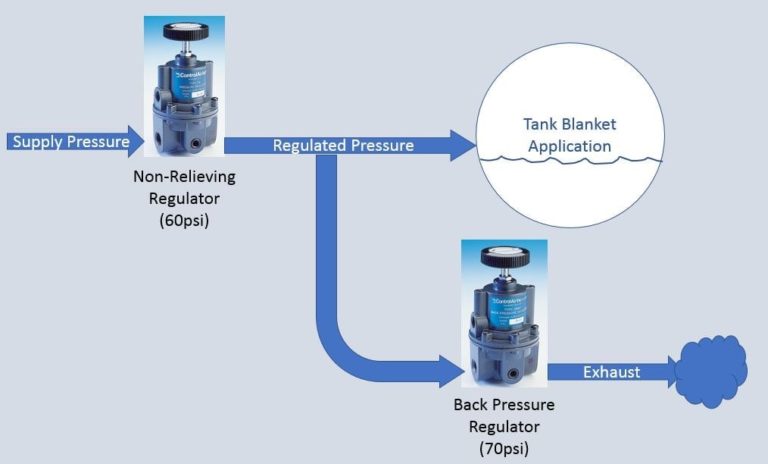
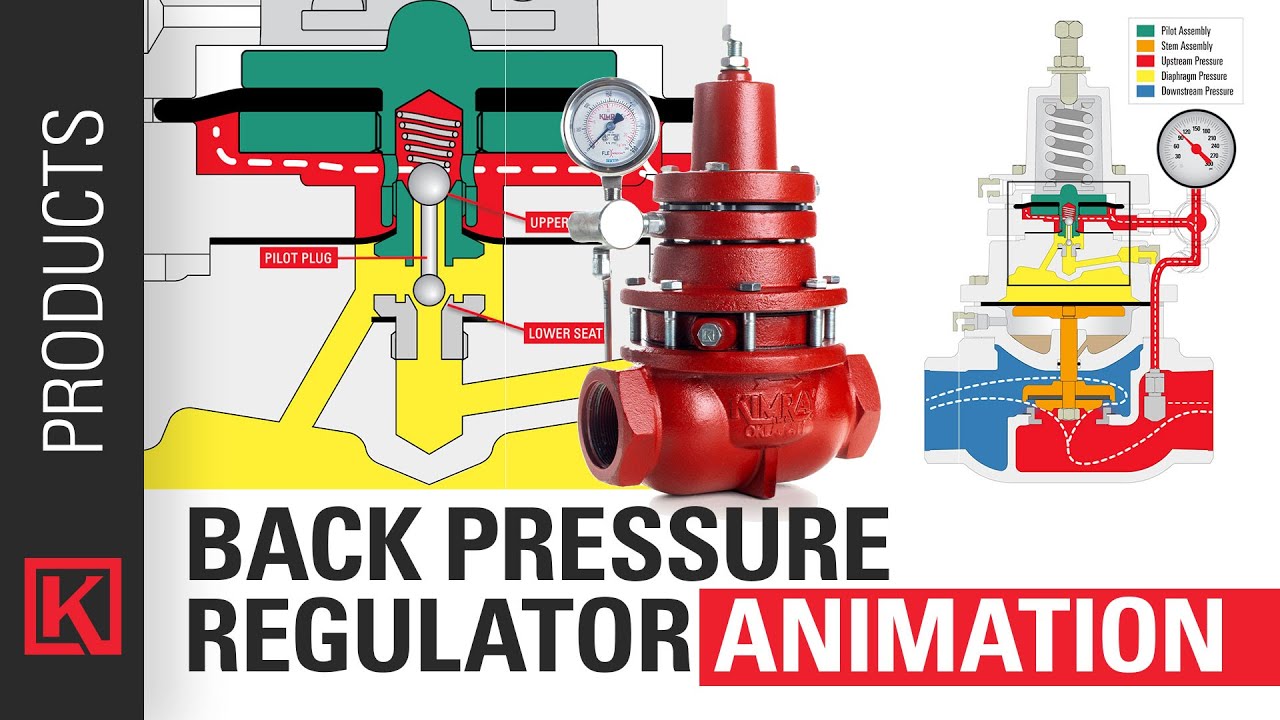
A back pressure regulator is a control device that maintains a constant pressure upstream of the regulator itself. Unlike pressure-reducing valves (PRVs) that regulate downstream pressure, BPRs ensure a minimum pressure is maintained on the inlet side. They achieve this by modulating the flow of gas or liquid through the regulator, opening or closing as needed to keep the upstream pressure at the setpoint.
You'll find BPRs in a variety of HVAC and refrigeration applications, including:
- Refrigerant recovery systems: Maintaining a stable pressure during refrigerant recovery is critical for safety and efficiency.
- Chillers: Protecting the compressor from low suction pressure and preventing freezing.
- Hot gas bypass systems: Controlling the flow of hot gas to prevent evaporator coil freezing.
- Cryogenic systems: Maintaining extremely low temperatures and pressures.
- Pressure relief systems: Acting as a secondary safety measure to prevent over-pressurization.
How Does a Back Pressure Regulator Work?
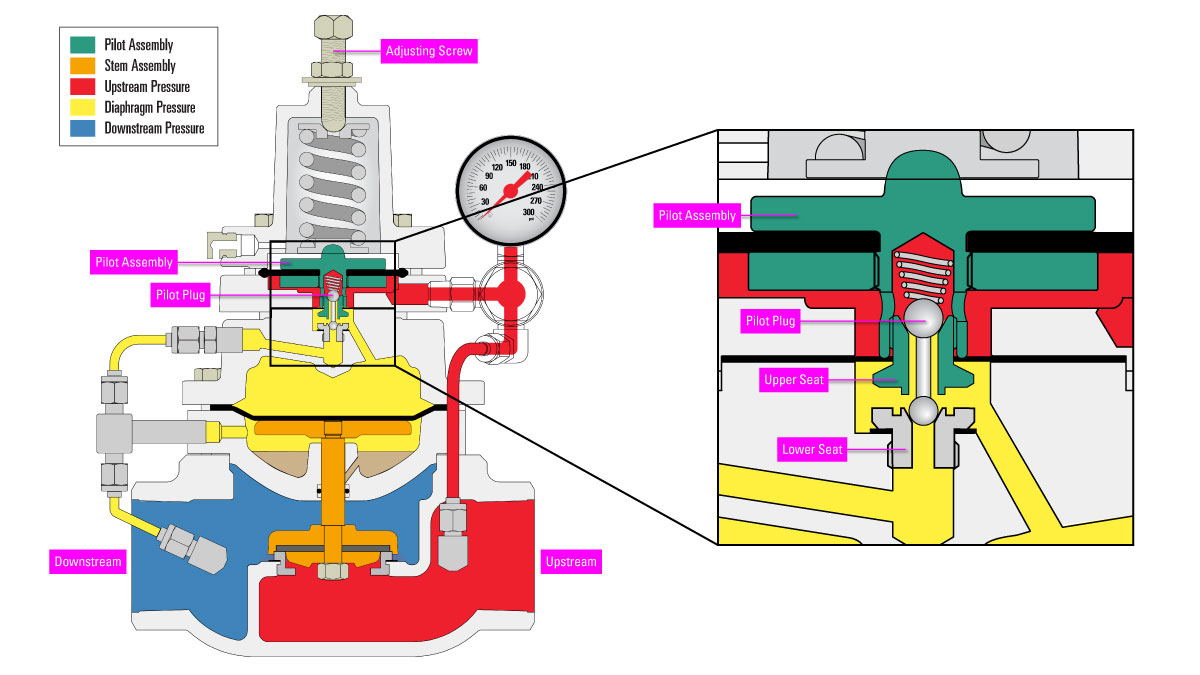
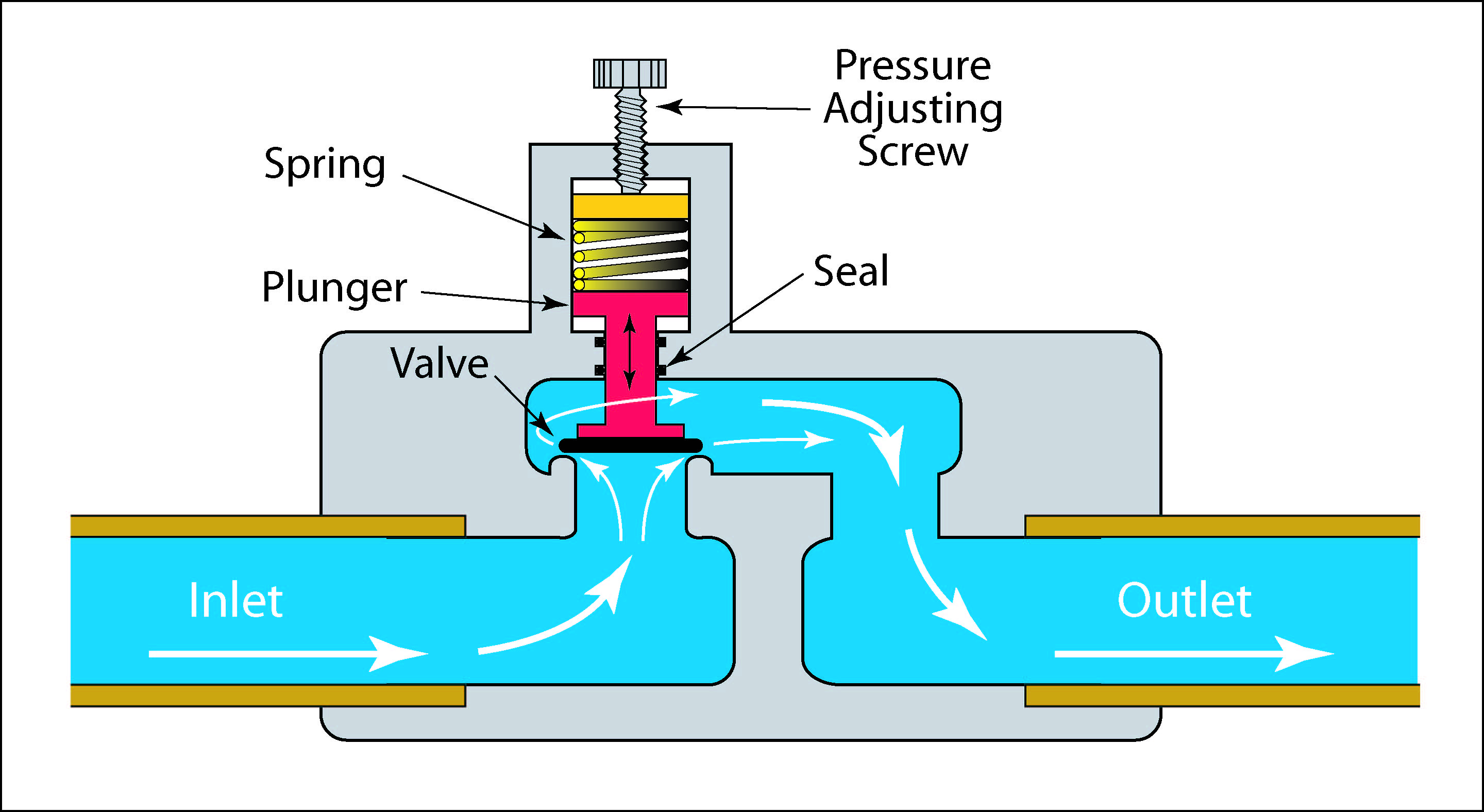
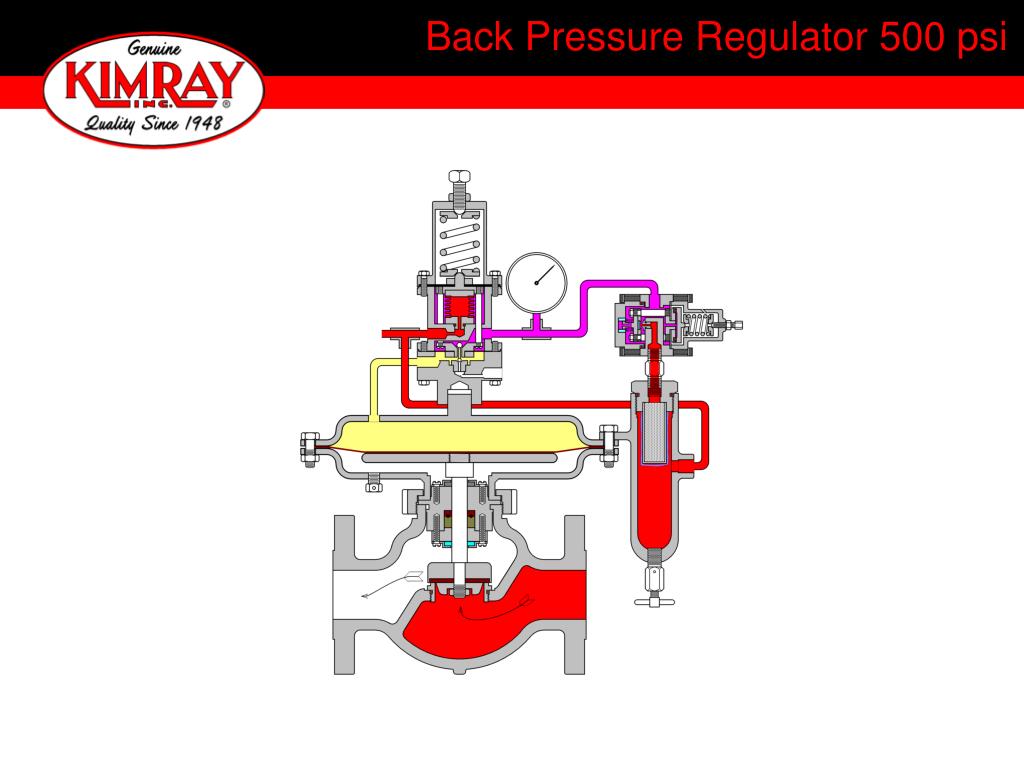
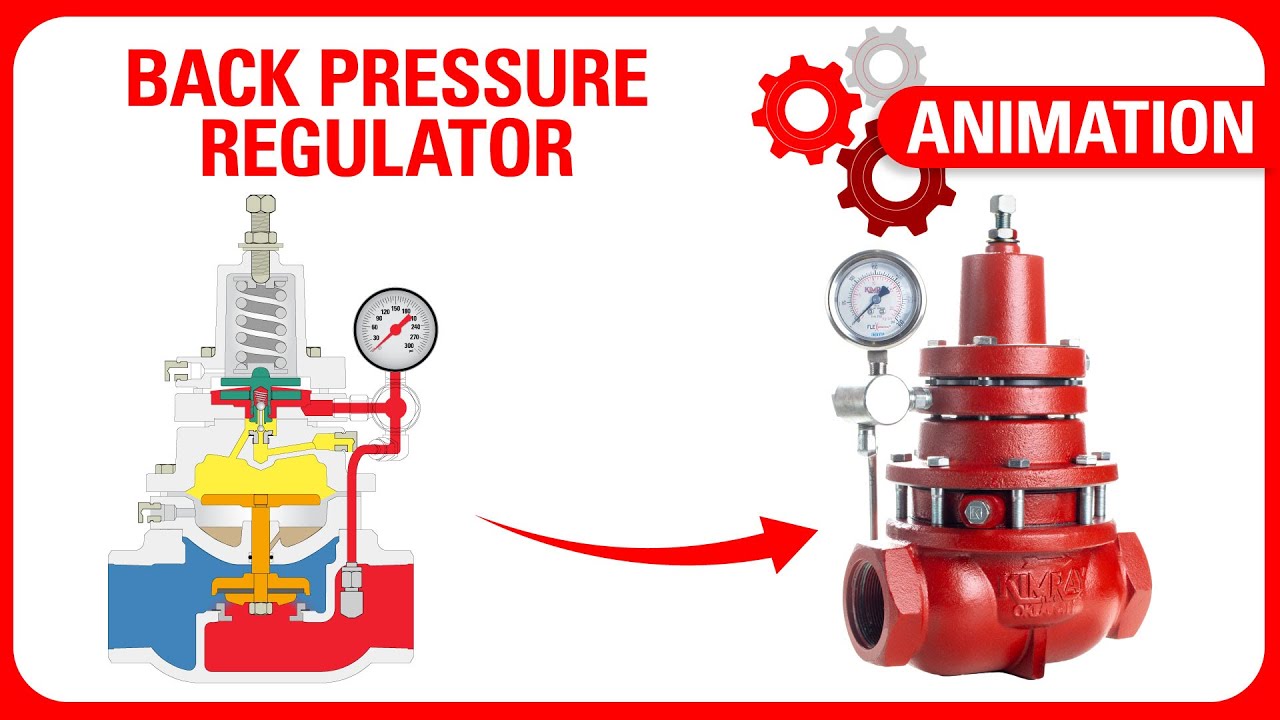
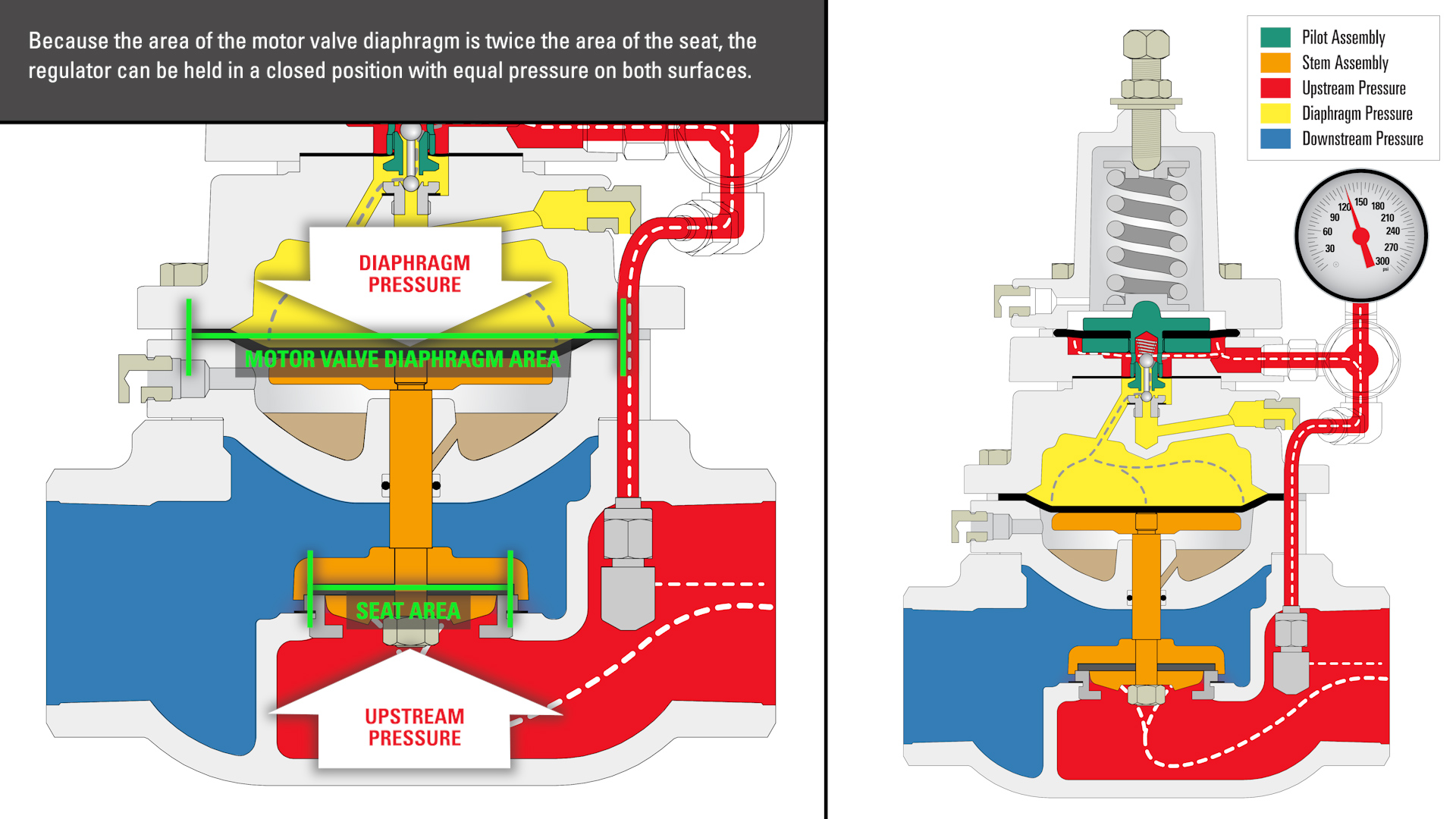
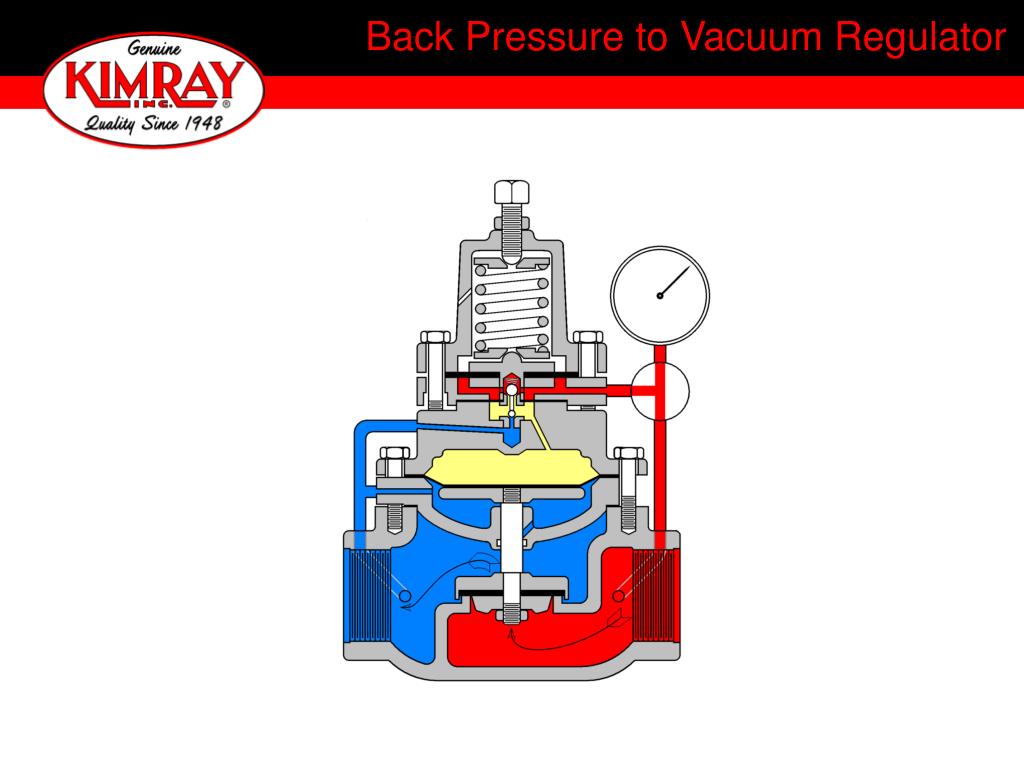
The basic principle behind a BPR is relatively simple. It relies on a balance of forces:
- Sensing the Upstream Pressure: The BPR constantly monitors the pressure on its inlet (upstream) side, usually through a sensing port connected to a diaphragm or piston.
- Comparing to the Setpoint: A spring (or other force element) applies a counter-pressure, known as the setpoint. The setpoint is the desired upstream pressure that you want to maintain.
- Actuating the Valve: If the upstream pressure drops below the setpoint, the spring force overcomes the pressure force, causing the valve to close (or restrict flow). This restriction increases the upstream pressure.
- Maintaining Equilibrium: Conversely, if the upstream pressure rises above the setpoint, the pressure force overcomes the spring force, causing the valve to open (or increase flow). This increased flow reduces the upstream pressure.
- Continuous Adjustment: The BPR constantly adjusts the valve position to maintain the upstream pressure as close as possible to the setpoint, responding to fluctuations in demand or supply.
Most BPRs are normally closed, meaning they require upstream pressure to open. This design ensures that in the event of a failure or loss of pressure, the regulator will shut off flow.
Identifying a Faulty Back Pressure Regulator
Diagnosing a BPR issue requires careful observation and troubleshooting. Here are some common symptoms of a malfunctioning regulator:
- Unstable Upstream Pressure: The most obvious sign is a fluctuating pressure reading upstream of the regulator.
- Excessive Noise: A hissing or whistling sound from the regulator can indicate a leak or erratic operation.
- Freezing or Icing: In refrigeration systems, a malfunctioning BPR can cause freezing or icing around the regulator body.
- System Inefficiency: A BPR that is not maintaining proper pressure can lead to reduced system performance and increased energy consumption.
- Erratic System Operation: This can manifest as frequent cycling of compressors, inconsistent cooling, or other performance anomalies.
DIY Troubleshooting Steps (With Caution!)
Safety First! Before attempting any troubleshooting, always isolate the system, relieve pressure, and wear appropriate personal protective equipment (PPE), including safety glasses and gloves. Working with pressurized systems can be dangerous.
- Visual Inspection: Check for any obvious signs of damage, such as cracks, leaks, or corrosion.
- Setpoint Verification: Ensure the regulator's setpoint is properly adjusted. Refer to the manufacturer's specifications for the correct setting.
- Pressure Testing: Use a calibrated pressure gauge to measure the upstream pressure. Compare the actual pressure to the setpoint.
- Leak Detection: Use a leak detector or soapy water solution to check for leaks around the regulator body, connections, and sensing port.
- Valve Operation (Advanced): If you have experience, you can carefully disassemble the regulator and inspect the valve seat and diaphragm for damage or debris. Note: This should only be done by qualified individuals and after the system is completely isolated and depressurized.
Tools You Might Need:
- Safety glasses
- Gloves
- Wrenches (appropriate sizes for fittings)
- Screwdrivers
- Pressure gauge
- Leak detector or soapy water solution
- Adjustable wrench
- Manufacturers service manual
Common Problems and Solutions
Important Note: Many BPR issues require specialized knowledge and tools to diagnose and repair. If you are not comfortable working with pressurized systems, call a qualified HVAC technician.
- Problem: Incorrect Setpoint
Solution: Adjust the setpoint to the manufacturer's specifications. Refer to the service manual for proper adjustment procedures.
- Problem: Leaks
Solution: Tighten loose connections, replace damaged O-rings or gaskets, or replace the entire regulator if necessary. Always use the correct replacement parts.
- Problem: Debris or Contamination
Solution: Clean or replace the regulator's internal components. Install a filter upstream of the regulator to prevent future contamination. Remember that the system must be depressurized before disassembly.
- Problem: Damaged Diaphragm or Valve Seat
Solution: Replace the damaged diaphragm or valve seat. In some cases, it may be more cost-effective to replace the entire regulator. This is usually a task for a professional technician.
- Problem: Regulator is Oversized or Undersized
Solution: Replace the regulator with one that is appropriately sized for the system's flow requirements. This is crucial for proper pressure control.
When to Call a Professional HVAC Technician
While some basic troubleshooting steps can be performed by homeowners, it's essential to know when to call a professional. Consider contacting an HVAC technician in the following situations:
- You are uncomfortable working with pressurized systems.
- You are unable to identify the cause of the problem.
- The problem involves complex repairs or internal components.
- You suspect a refrigerant leak.
- The system is under warranty.
- You are unsure about the correct replacement parts.
Estimated Repair Costs
Repair costs for BPR issues can vary depending on the severity of the problem, the type of regulator, and the labor rates in your area. Here's a general estimate:
- Simple repairs (e.g., tightening connections, adjusting setpoint): $50 - $150
- Replacing O-rings or gaskets: $100 - $300
- Replacing the entire back pressure regulator: $200 - $800 (plus labor)
- Complex repairs requiring specialized tools or refrigerant handling: $300 - $1000+
These are just estimates, and it's always best to get a quote from a qualified HVAC technician before proceeding with any repairs.
Preventative Maintenance for Back Pressure Regulators
Preventative maintenance can help extend the lifespan of your BPR and prevent costly repairs. Consider the following tips:
- Regular Inspections: Periodically inspect the regulator for leaks, damage, or corrosion.
- Filter Maintenance: Clean or replace filters upstream of the regulator to prevent contamination.
- Proper Setpoint: Ensure the setpoint is properly adjusted and maintained.
- Professional Servicing: Schedule regular maintenance with a qualified HVAC technician.
By understanding how back pressure regulators work, recognizing potential problems, and taking preventative measures, you can help ensure the stable and efficient operation of your HVAC system. Remember to prioritize safety and seek professional assistance when needed.