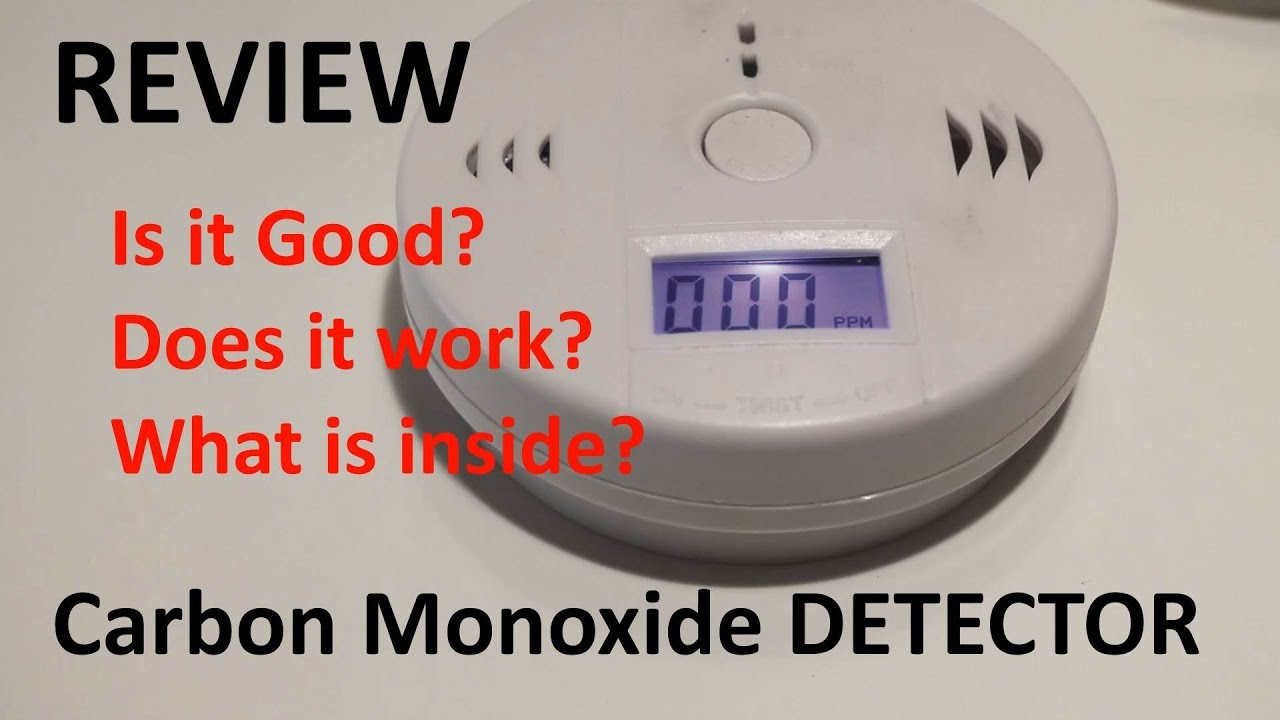
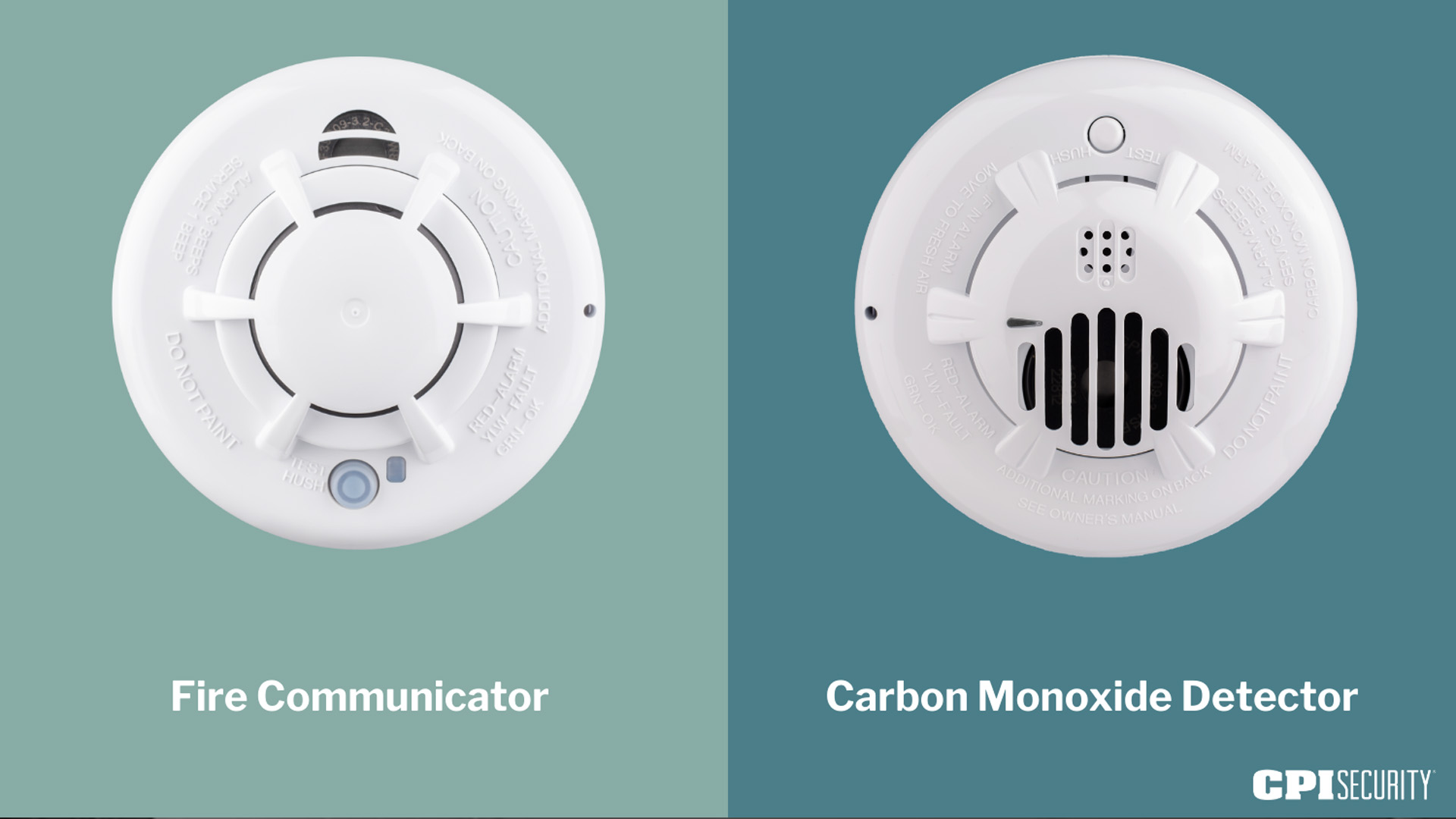
How Do Carbon Monoxide Detectors Work
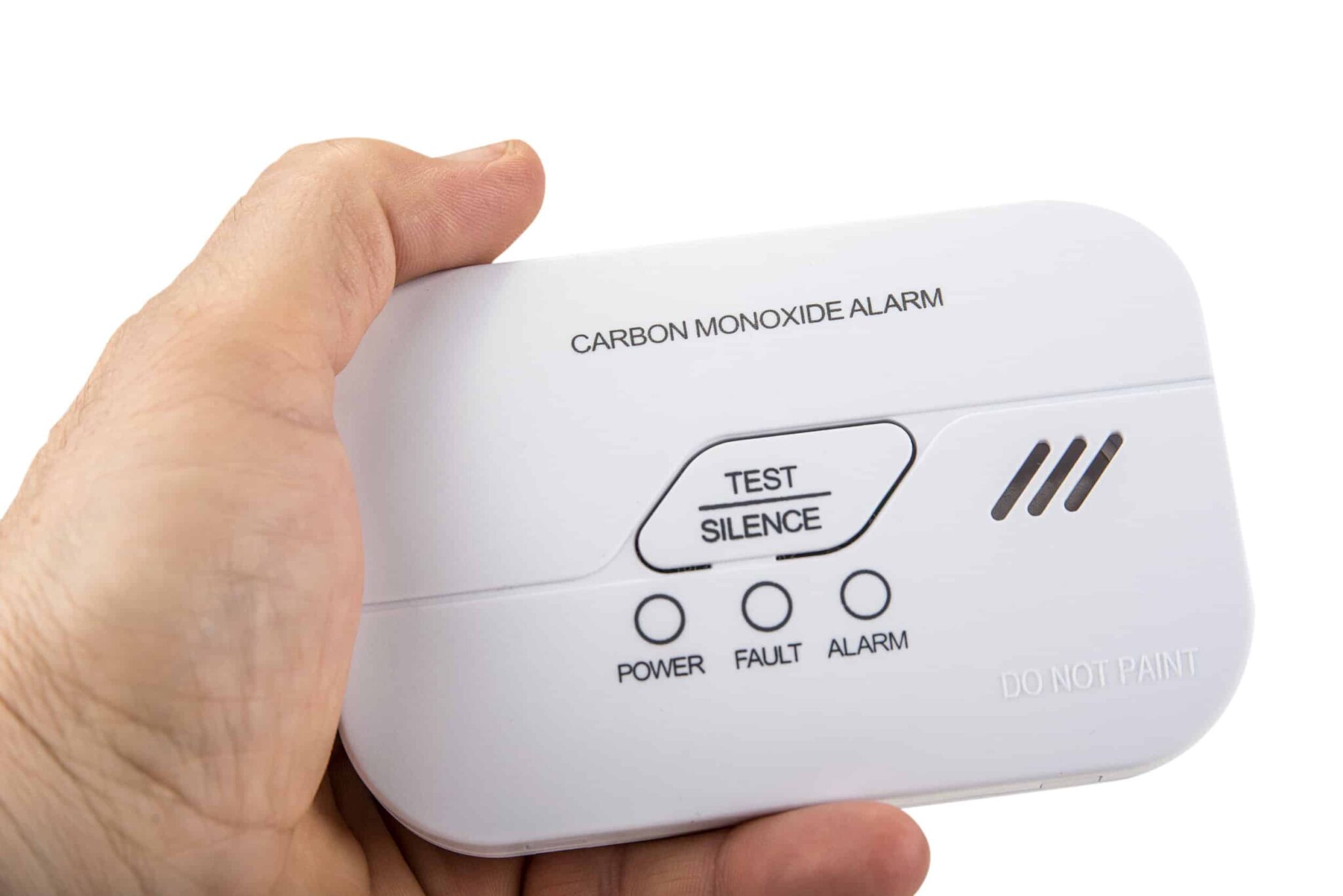
Imagine waking up in the middle of the night to a shrill, persistent beeping. It's not your alarm clock, and it's not a smoke detector. It's your carbon monoxide (CO) detector, screaming a warning about a potentially deadly, invisible threat. Before you panic, let's understand how these vital devices work and how to troubleshoot common issues. A properly functioning CO detector is essential for your family's safety.
Understanding Carbon Monoxide Detectors
Carbon monoxide detectors are designed to alert you to the presence of CO, a colorless, odorless, and tasteless gas. CO is produced by the incomplete combustion of fuels such as natural gas, propane, oil, wood, and gasoline. Common sources of CO in homes include:
- Furnaces
- Water heaters
- Fireplaces
- Gas stoves
- Generators
- Vehicles running in attached garages
CO poisoning can cause flu-like symptoms, dizziness, confusion, loss of consciousness, and even death. That’s why a reliable CO detector is so crucial.
How CO Detectors Work: Three Main Technologies
Most home CO detectors use one of three primary technologies to detect the presence of carbon monoxide:
- Biomimetic Sensor: This type uses a gel that changes color in the presence of CO. The detector then monitors this color change and triggers an alarm when a certain threshold is reached.
- Metal Oxide Semiconductor: These sensors use a semiconductor material that changes its electrical resistance when exposed to CO. The detector monitors this resistance change and sounds the alarm when the resistance reaches a pre-set level.
- Electrochemical Sensor: This is the most common type of CO detector. It contains a chemical solution that reacts with CO, generating an electrical current. The detector measures this current and activates the alarm when the current exceeds a predetermined level.
Troubleshooting Your CO Detector: A Step-by-Step Guide
If your CO detector is beeping, don't immediately dismiss it as a false alarm. Even if you feel fine, it's better to be safe than sorry. Follow these steps:
Step 1: Ensure Everyone is Safe
This is the most important step. If the alarm is sounding, immediately:
- Open windows and doors to ventilate the house.
- Evacuate everyone from the building.
- Call your local fire department or emergency services from outside the house.
- Do not re-enter the building until the fire department has given you the all-clear.
Once the immediate danger is addressed, you can investigate the cause of the alarm.
Step 2: Identify the Type of Alarm
CO detectors have different types of alarms:
- Continuous, Loud Beeping: This usually indicates a high level of CO and requires immediate action (as outlined in Step 1).
- Chirping Every 30-60 Seconds: This usually indicates a low battery or a malfunction.
- End-of-Life Signal: Some detectors have a specific end-of-life signal, which may be a different pattern of chirps or beeps. Check the manufacturer's instructions to identify this signal.
Step 3: Check the Power Supply
The most common cause of a chirping CO detector is a low battery. Here's how to check the power supply:
- Battery-Powered Detectors:
- Replace the batteries with fresh ones. Use the type specified by the manufacturer (usually AA or 9V).
- Ensure the batteries are installed correctly, paying attention to the polarity (+ and -).
- After replacing the batteries, press the test button to ensure the detector is working.
- Plug-In Detectors with Battery Backup:
- Make sure the detector is securely plugged into a working outlet. Test the outlet with another device to confirm it's providing power.
- If the detector has a battery backup, replace the battery as described above.
- Press the test button.
- Hardwired Detectors with Battery Backup:
- These detectors are wired directly into your home's electrical system. Do not attempt to repair the wiring yourself unless you are a qualified electrician.
- Check the battery backup and replace it if needed.
- If the detector is still chirping after replacing the battery, consult a qualified electrician.
Step 4: Clean the Detector
Dust and debris can interfere with the sensor's ability to detect CO. To clean the detector:
- Turn off the power to the detector (remove batteries or unplug it).
- Use a vacuum cleaner with a brush attachment to gently clean the exterior of the detector.
- Avoid using water or cleaning solutions, as these can damage the sensor.
- Reinstall the batteries or plug the detector back in.
- Press the test button.
Step 5: Check the Location
The location of your CO detector is crucial for its effectiveness. Here are some guidelines:
- Install CO detectors on every level of your home, especially near sleeping areas.
- Place detectors outside each bedroom.
- Avoid placing detectors in:
- Directly next to a fuel-burning appliance (furnace, water heater, etc.).
- Near windows or doors that could cause drafts.
- In damp or humid areas, such as bathrooms.
- Behind furniture or curtains that could block airflow.
If your detector is in a poor location, relocate it to a more suitable spot and test it again.
Step 6: Test the Detector
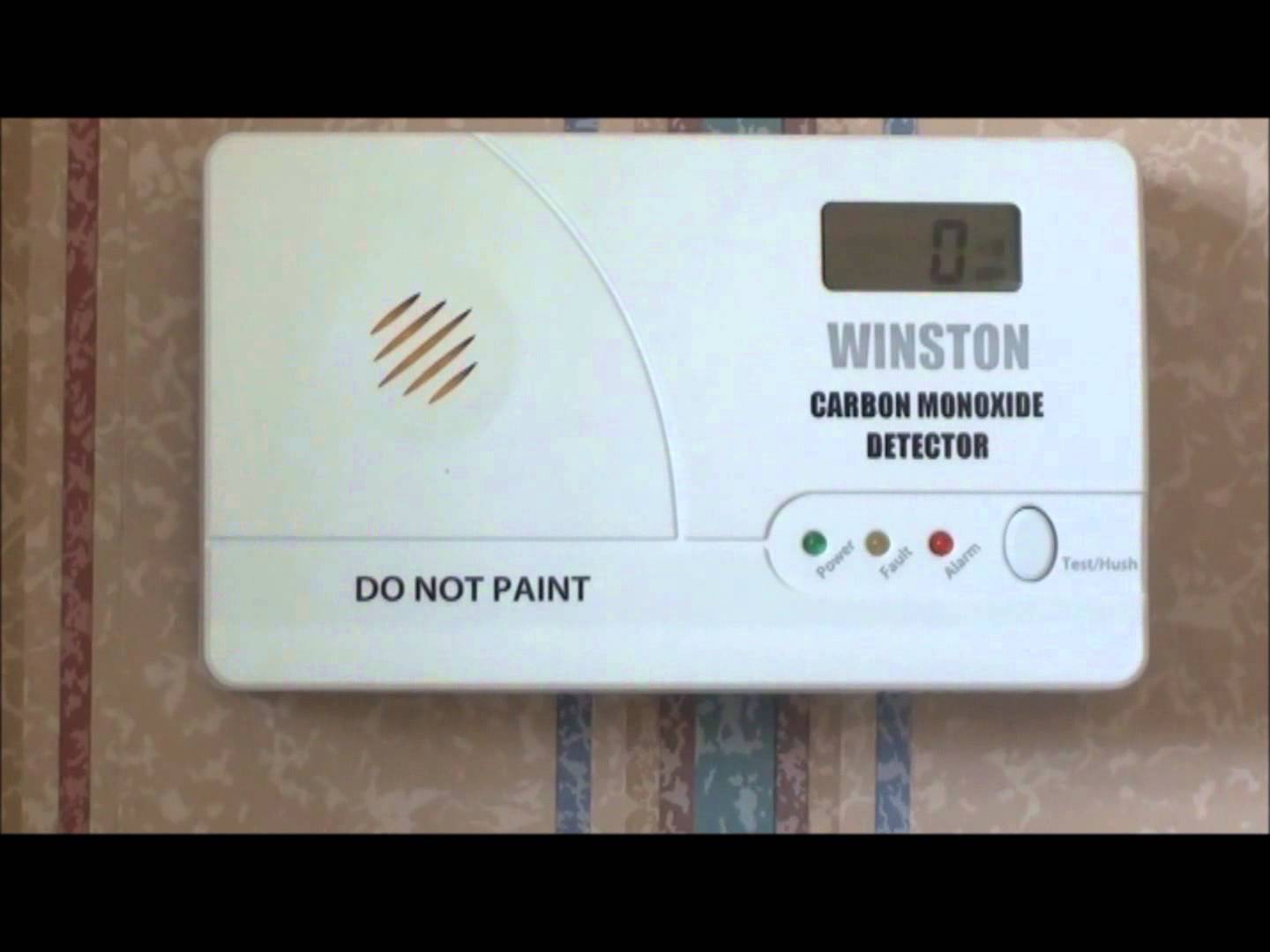
Most CO detectors have a test button that simulates the presence of CO. Press the test button to ensure the alarm sounds. If the alarm doesn't sound when you press the test button, the detector may be faulty and need to be replaced.
Step 7: Check the Expiration Date
CO detectors have a limited lifespan, typically 5-10 years. Check the expiration date on the detector. If it's expired, replace it immediately.
Step 8: Reset the Detector
Some CO detectors have a reset button. If your detector has one, press it to reset the device. This can sometimes clear false alarms.
When to Call a Professional
While some CO detector issues can be resolved with basic troubleshooting, certain situations require the expertise of a qualified professional. Never attempt repairs involving electricity, gas, or complex internal components unless you are properly trained and certified.
Call a professional in the following situations:
- Hardwired Detectors: Any problems with the wiring or electrical connections should be handled by a qualified electrician.
- Suspected CO Leak: If the alarm sounds repeatedly, even after troubleshooting, there may be a CO leak in your home. Contact your gas company or a qualified HVAC technician to inspect your appliances and gas lines.
- Detector Still Malfunctioning: If you've tried all the basic troubleshooting steps and the detector is still chirping, beeping, or not working correctly, it's likely faulty and needs to be replaced.
- You are Unsure: If you are not comfortable working with electricity or gas, or if you are unsure about any aspect of the troubleshooting process, it's always best to err on the side of caution and call a professional.
Preventing Carbon Monoxide Poisoning
In addition to having working CO detectors, there are several steps you can take to prevent CO poisoning:
- Annual Appliance Inspection: Have your fuel-burning appliances (furnace, water heater, fireplace, etc.) inspected annually by a qualified technician.
- Proper Ventilation: Ensure that your appliances are properly vented to the outside.
- Never Use Generators Indoors: Never use a generator inside your home, garage, or any other enclosed space.
- Don't Idle Vehicles in Garages: Never idle your car in an attached garage, even with the garage door open.
- Be Aware of Symptoms: Learn the symptoms of CO poisoning (flu-like symptoms, dizziness, headache, nausea) and seek medical attention immediately if you suspect exposure.
Choosing a New CO Detector
When it's time to replace your CO detector, consider the following factors:
- Type of Sensor: Electrochemical sensors are generally considered the most accurate and reliable.
- Power Source: Choose a detector that is battery-powered, plug-in with battery backup, or hardwired with battery backup, depending on your needs and preferences.
- Features: Look for features such as digital displays, end-of-life warnings, and voice alarms.
- Certification: Make sure the detector is certified by a recognized testing laboratory, such as UL (Underwriters Laboratories).
- Interconnectivity: Consider interconnected detectors that all sound an alarm when one detects CO.
By understanding how CO detectors work and following these troubleshooting steps, you can help ensure the safety of your home and family. Remember, a working CO detector is a critical line of defense against this silent killer. Don't wait – check your detectors today!
.jpg)