How Do Electrostatic Air Filters Work
Are you noticing your home isn't heating or cooling as efficiently as it used to? Perhaps certain rooms are always warmer or colder than others? One common culprit behind these issues is often overlooked: your air filter. While regular disposable filters are common, many homeowners are switching to electrostatic air filters for their potential benefits. But if not properly maintained, even the best electrostatic filter can cause problems.
This article will guide you through troubleshooting issues with your electrostatic air filter. We'll break down how these filters work, how to diagnose common problems, and what you can safely do yourself versus when it's time to call in a professional HVAC technician.
Understanding Electrostatic Air Filters
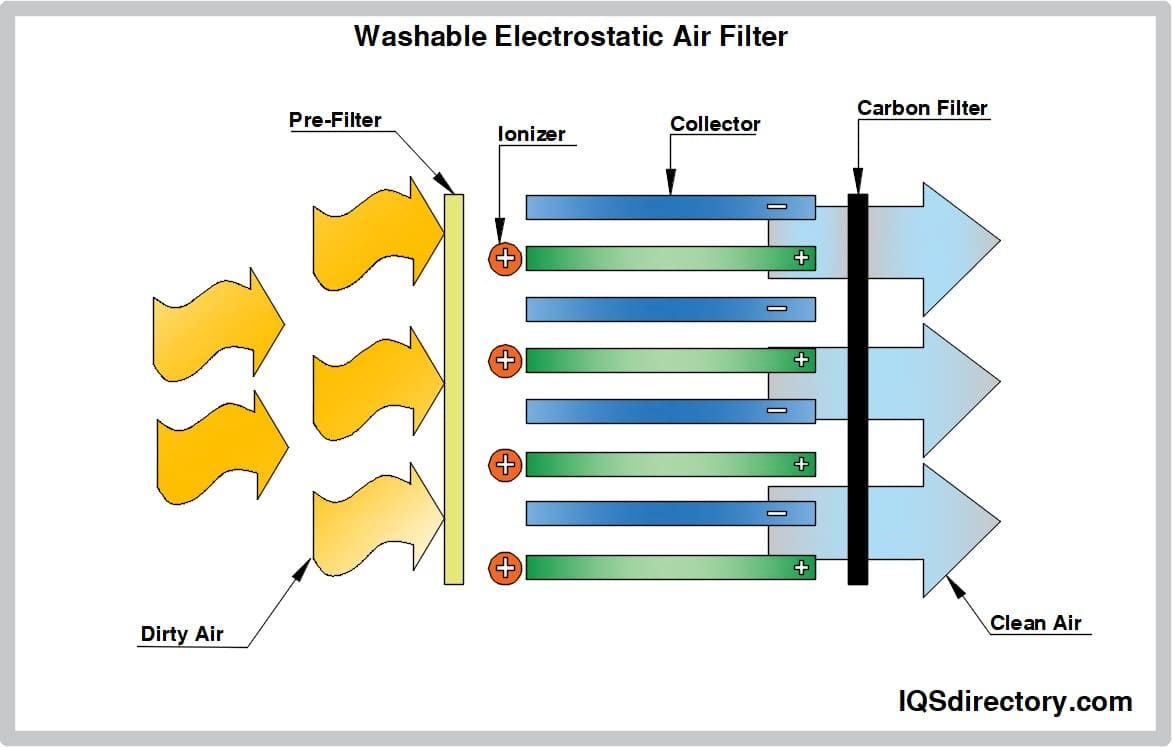
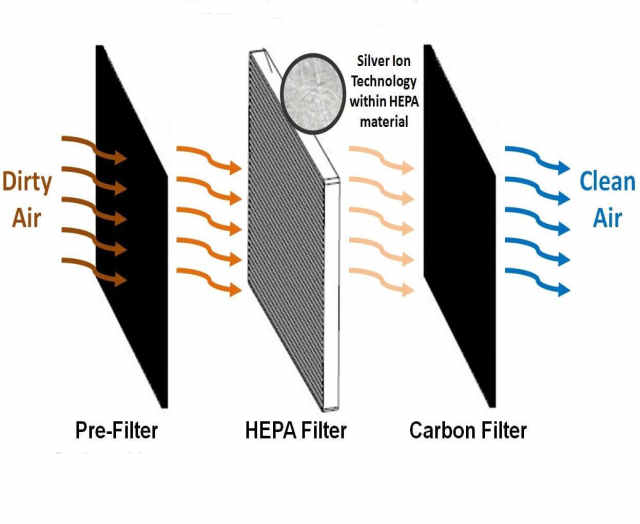
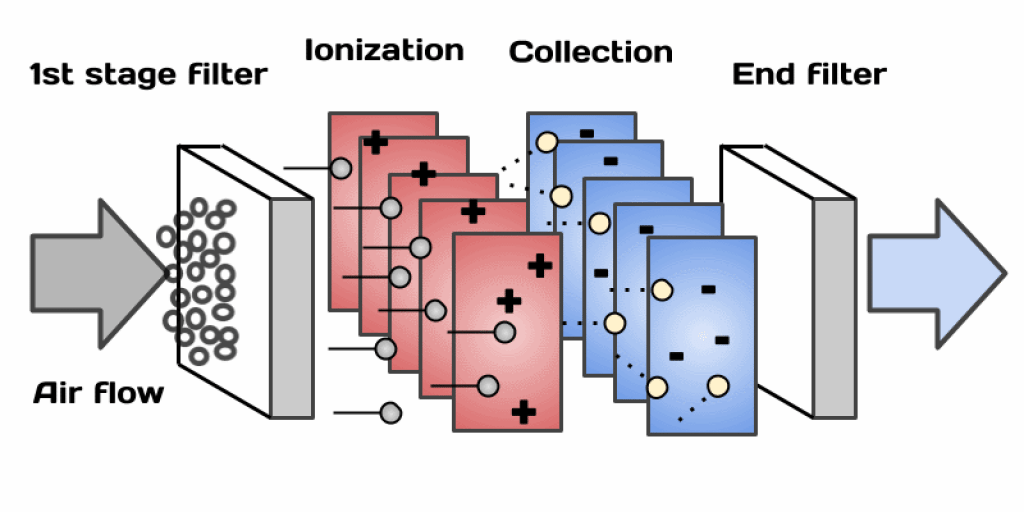
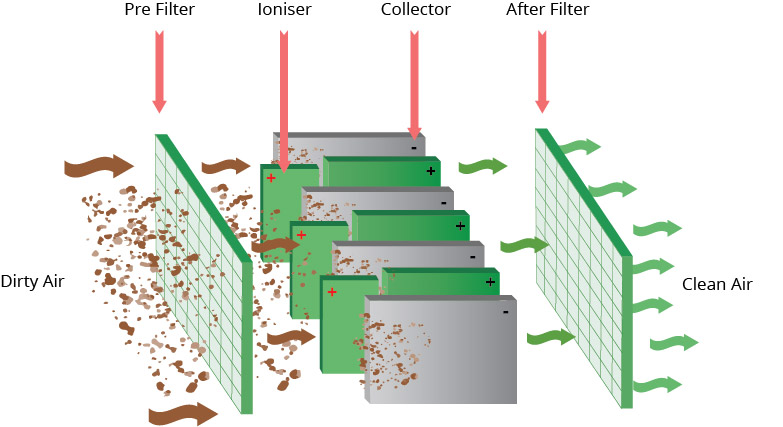
Before we dive into troubleshooting, let's briefly understand how electrostatic air filters work. Unlike traditional filters that simply trap particles, electrostatic filters use an electrical charge to attract and capture airborne particles like dust, pollen, and pet dander.
Here's a simplified explanation:
- Charging the Airflow: An electrostatic filter uses a series of electrically charged plates or fibers. As air passes through the filter, particles in the air receive an electrical charge.
- Attracting Particles: These charged particles are then attracted to oppositely charged plates or fibers within the filter.
- Trapping Debris: This electrostatic attraction effectively pulls particles out of the air and holds them on the filter until it's cleaned.
Because of this process, they can capture smaller particles than standard fiberglass filters and potentially improve indoor air quality. However, this efficiency depends on proper cleaning and maintenance.
Diagnosing Heating and Cooling Problems Related to Electrostatic Air Filters
If your HVAC system isn't performing optimally, here's a step-by-step approach to determine if your electrostatic air filter is the problem:
Step 1: Initial Observation (No Tools Needed)
- Check the Filter's Appearance: Visually inspect the filter. Is it visibly clogged with dust, dirt, or debris? A heavily soiled filter restricts airflow, making your HVAC system work harder and less efficiently.
- Assess Airflow: Place your hand near the air vents in your home. Is the airflow weak or noticeably reduced compared to normal? This is a strong indicator of a blocked filter.
- Listen to Your HVAC Unit: Is the unit running constantly or cycling on and off more frequently than usual? Overworking the system due to a clogged filter can cause these issues. Also, listen for unusual noises like whistling or straining, which could indicate restricted airflow.
- Check Your Energy Bills: Have you noticed a significant increase in your energy bills recently? A struggling HVAC system uses more energy to compensate for the restricted airflow.
Step 2: Detailed Inspection (May Require a Screwdriver)
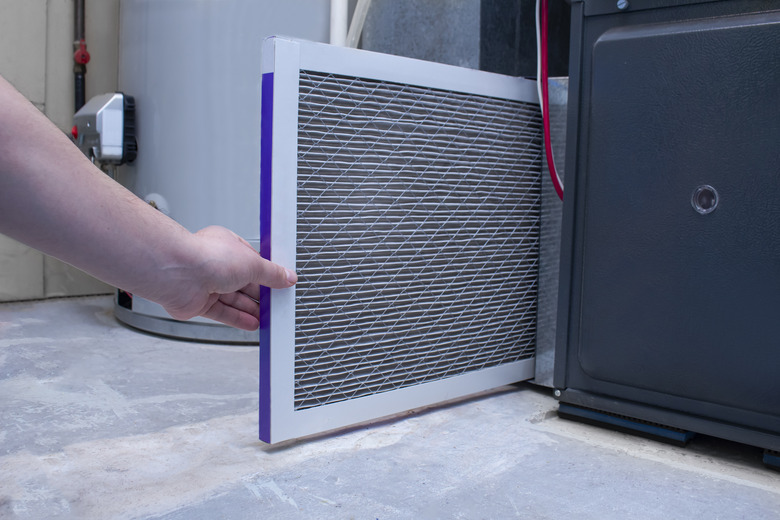
- Remove the Filter: Carefully remove the electrostatic air filter from its housing. Typically, you'll need to unscrew or unclip a panel to access the filter. Be mindful of the filter's orientation as you remove it; note which side faces the airflow.
- Examine the Filter Closely: Hold the filter up to a light source. Can you see light passing through the filter media? If not, it's likely heavily clogged. Look for signs of damage, such as tears or bent fins.
- Inspect the Filter Housing: While the filter is removed, inspect the filter housing for excessive dust or debris buildup. Clean the housing with a vacuum cleaner if necessary.
Step 3: Basic Electrical Checks (Requires a Multimeter - *Use with Extreme Caution*)
Warning: Working with electricity can be dangerous. If you are not comfortable using a multimeter and working with electrical components, skip this step and consult a qualified HVAC technician. Always turn off the power to your HVAC system at the breaker box before performing any electrical checks.
- Locate the Power Supply: Some electrostatic filters have a small power supply that generates the electrical charge. Locate this power supply and visually inspect it for any signs of damage, such as burnt components or frayed wires.
- Test the Voltage: Using a multimeter, check the voltage output of the power supply. Refer to the filter's manual for the correct voltage reading. If the voltage is significantly lower than specified, the power supply may be faulty.
- Check for Continuity: Some filters have a fuse. Check the fuse for continuity using the multimeter. A blown fuse indicates an electrical problem.
DIY Solutions (What You Can Do Safely)
Based on your diagnosis, here are some DIY solutions you can try:
Cleaning Your Electrostatic Air Filter
The most common issue is a dirty filter. Here's how to clean it:
- Turn off the HVAC System: Always turn off your HVAC system at the thermostat and breaker box before cleaning the filter.
- Remove the Filter: Carefully remove the filter from its housing.
- Vacuuming (First Pass): Use a vacuum cleaner with a brush attachment to remove loose dust and debris from both sides of the filter.
- Washing (Second Pass): Rinse the filter with lukewarm water. You can use a mild detergent if necessary, but rinse thoroughly to remove all traces of soap. Avoid using harsh chemicals or abrasive cleaners, as these can damage the filter. Important: Always rinse the filter opposite the airflow direction, pushing the trapped debris out.
- Drying: Allow the filter to air dry completely before reinstalling it. This is crucial. A damp filter can promote mold growth and damage your HVAC system. Drying can take several hours, so you might want to have a spare filter on hand.
- Reinstalling: Once the filter is completely dry, reinstall it in its housing, making sure it's oriented correctly (the arrow on the filter should point in the direction of airflow).
Troubleshooting the Power Supply (If Applicable)
Remember the warning above! If you're comfortable and have the necessary tools:
- Replacing the Fuse: If you found a blown fuse, replace it with a new fuse of the same amperage rating. Ensure the replacement fuse is compatible with your filter.
- Checking Connections: Ensure all electrical connections to the power supply are secure and free from corrosion. Clean any corroded connections with a wire brush or electrical contact cleaner.
When to Call a Professional HVAC Technician
While some problems can be resolved with DIY solutions, certain situations require the expertise of a qualified HVAC technician. Do not attempt to fix these issues yourself:
- Complex Electrical Issues: If you suspect a problem with the power supply beyond a blown fuse or loose connection, consult a professional. Tampering with complex electrical components can be dangerous and may void your warranty.
- Refrigerant Leaks: If you suspect a refrigerant leak (e.g., hissing sound, ice buildup on the evaporator coil), do not attempt to fix it yourself. Refrigerant is a hazardous substance that requires specialized equipment and training to handle safely.
- Compressor Problems: If your compressor is making strange noises or not functioning properly, it's a sign of a serious problem that requires professional attention.
- Frozen Coils: While a dirty filter can contribute to frozen coils, other causes may include refrigerant leaks or a malfunctioning blower motor. A technician can properly diagnose the underlying cause and perform the necessary repairs.
- Persistent Airflow Problems: If you've cleaned or replaced the filter and airflow remains weak, there may be other issues within the ductwork or HVAC system that require professional diagnosis and repair.
- Unfamiliar Noises: Any unusual or concerning noises coming from your HVAC unit should be investigated by a professional. These noises could indicate a mechanical failure that needs immediate attention.
- If you are uncomfortable or uncertain about any step in the troubleshooting process, it is always best to err on the side of caution and call a professional.
Preventive Maintenance for Electrostatic Air Filters
The best way to avoid problems with your electrostatic air filter is to perform regular preventive maintenance:
- Clean the Filter Regularly: Clean your electrostatic air filter every 1-3 months, depending on the air quality in your home and the manufacturer's recommendations. Homes with pets or those located in dusty environments may require more frequent cleaning.
- Inspect the Filter Regularly: Visually inspect the filter every month to check for signs of clogging or damage.
- Consider a Spare Filter: Having a spare filter on hand allows you to clean your primary filter without interrupting your HVAC system's operation.
- Follow Manufacturer's Instructions: Always follow the manufacturer's instructions for cleaning, maintaining, and replacing your electrostatic air filter.
- Schedule Professional HVAC Maintenance: Schedule regular professional maintenance for your HVAC system, including cleaning the coils, checking refrigerant levels, and inspecting the ductwork.
Conclusion
Troubleshooting your electrostatic air filter can be a straightforward process, and regular maintenance can prevent many common problems. By following these steps, you can diagnose potential issues, perform simple DIY repairs, and determine when it's necessary to call a professional HVAC technician. A clean and properly functioning air filter will improve your indoor air quality, increase the efficiency of your HVAC system, and save you money on energy bills. Remember, safety always comes first. When in doubt, consult a qualified professional.