How Do I Know If My Ac Capacitor Is Bad
Your air conditioner is the unsung hero of your home, battling heat and humidity to keep you comfortable and your energy bills reasonable – or at least, trying to. But when that cool air starts to falter, it's time to play detective. One common culprit behind A/C woes is a failing capacitor. This small, inexpensive component can cause big problems, from inefficient cooling to a complete system shutdown. This article will guide you through identifying the telltale signs of a bad A/C capacitor and explore your options for repair or replacement, all while keeping energy efficiency and cost savings top of mind.
Understanding Your A/C's Capacitor: The Energy Storage Champion
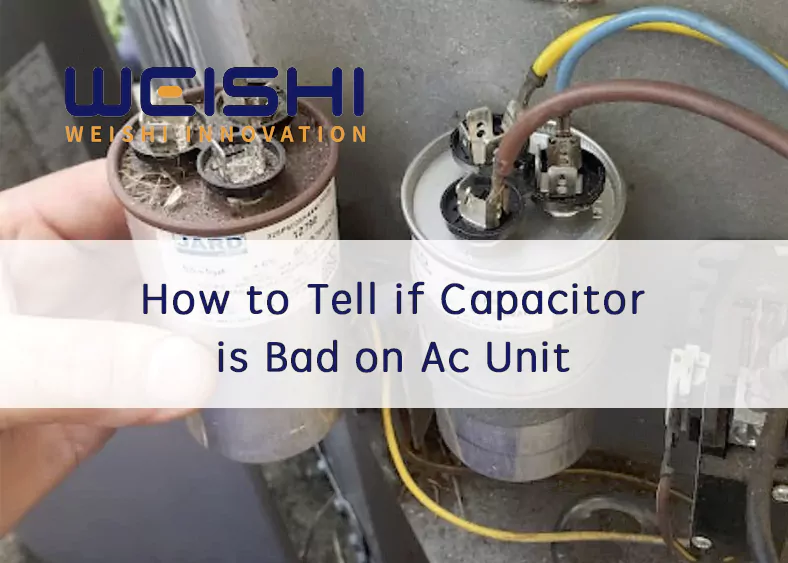
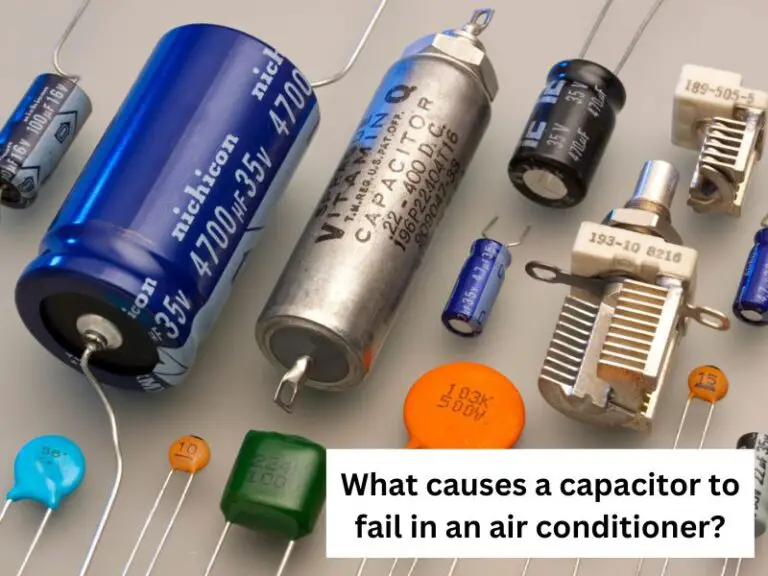
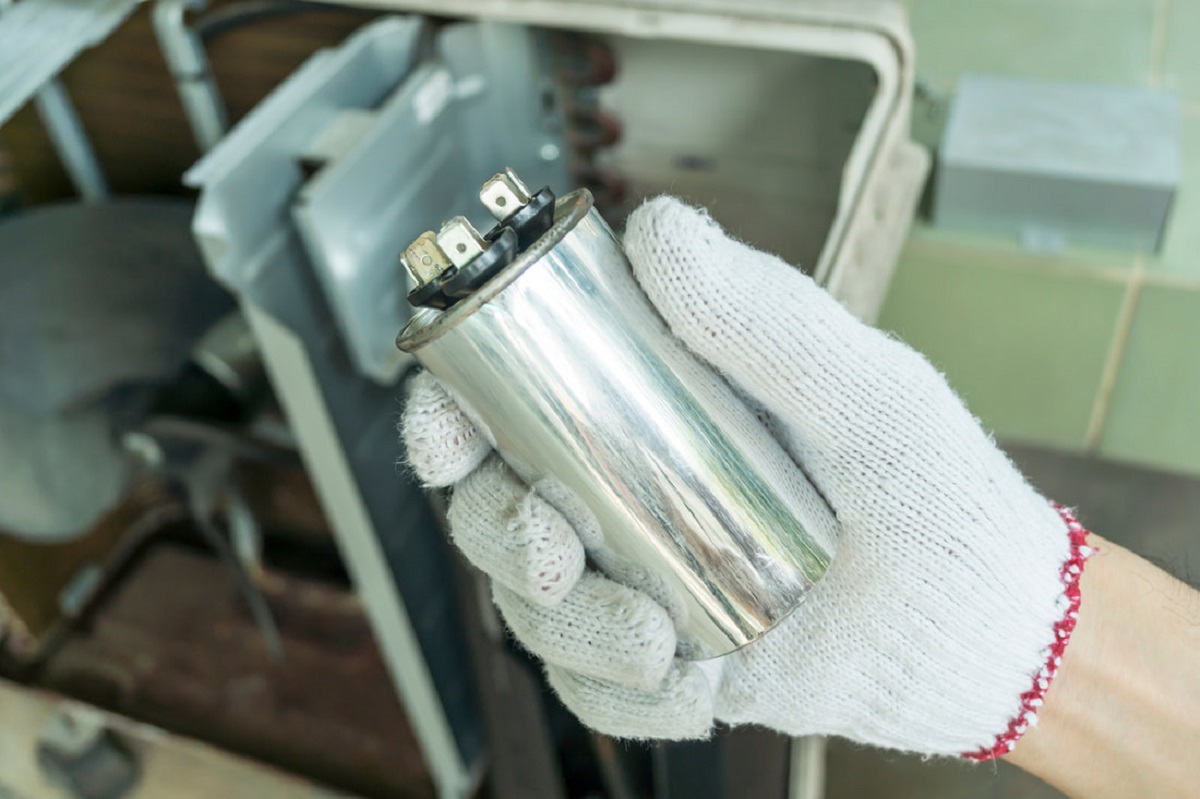
Think of your A/C capacitor as a small, rechargeable battery specifically designed for your air conditioner’s motor. It provides the powerful jolt of electricity needed to start and run the motor, which in turn drives the compressor and fan. There are typically two types of capacitors in an AC unit: a start capacitor, which provides a brief surge of power for initial motor startup, and a run capacitor, which provides a continuous boost to keep the motor running efficiently. Without a properly functioning capacitor, your A/C unit will struggle to start, run inefficiently, or simply fail to operate.
Signs Your A/C Capacitor Might Be Failing
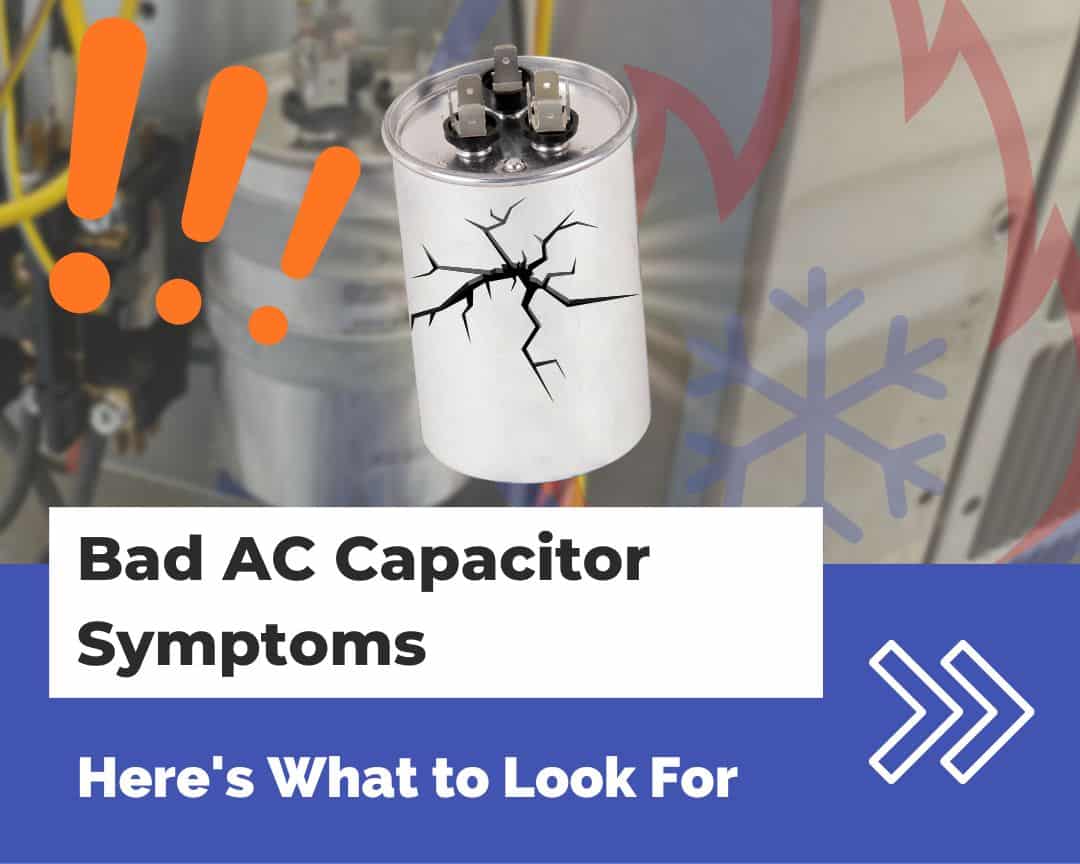
Recognizing the symptoms of a bad A/C capacitor early can save you money and prevent further damage to your system. Here’s what to look for:
1. Difficulty Starting or No Starting At All
This is one of the most common and obvious signs. If your A/C struggles to start, makes a humming sound but doesn't kick on, or repeatedly tries to start and fails, a bad capacitor is a prime suspect. The start capacitor may not be providing the necessary initial surge of power.
2. Humming Noises from the Outdoor Unit
When the capacitor is weak or failing, the motor may not receive enough power to start properly. This can result in a humming noise as the motor strains to turn on.
3. A/C Shuts Down Suddenly
A failing run capacitor can cause the motor to overheat. To prevent damage, the system's safety mechanisms may shut down the A/C unit entirely. This is often accompanied by a burning smell.
4. Reduced Cooling Performance
If your A/C is running but not cooling as effectively as it used to, the run capacitor might be failing. This can lead to longer run times and increased energy consumption, negating any energy savings you might be achieving with a high-efficiency system. You might notice higher energy bills without a corresponding increase in usage.
5. Increased Energy Bills
A failing capacitor forces your A/C system to work harder to achieve the desired temperature. This increased effort translates directly into higher energy consumption and, consequently, higher energy bills. Monitor your monthly energy bills for unexplained spikes. According to Energy Star, a properly functioning air conditioner should maintain consistent energy usage unless there are significant changes in weather conditions or usage patterns.
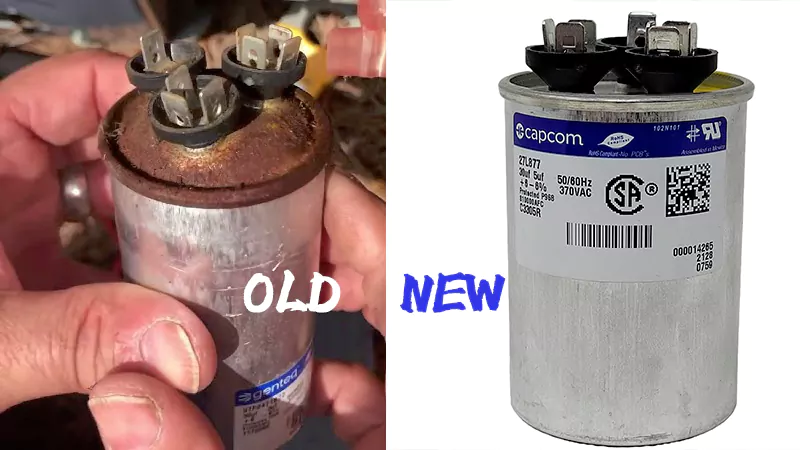
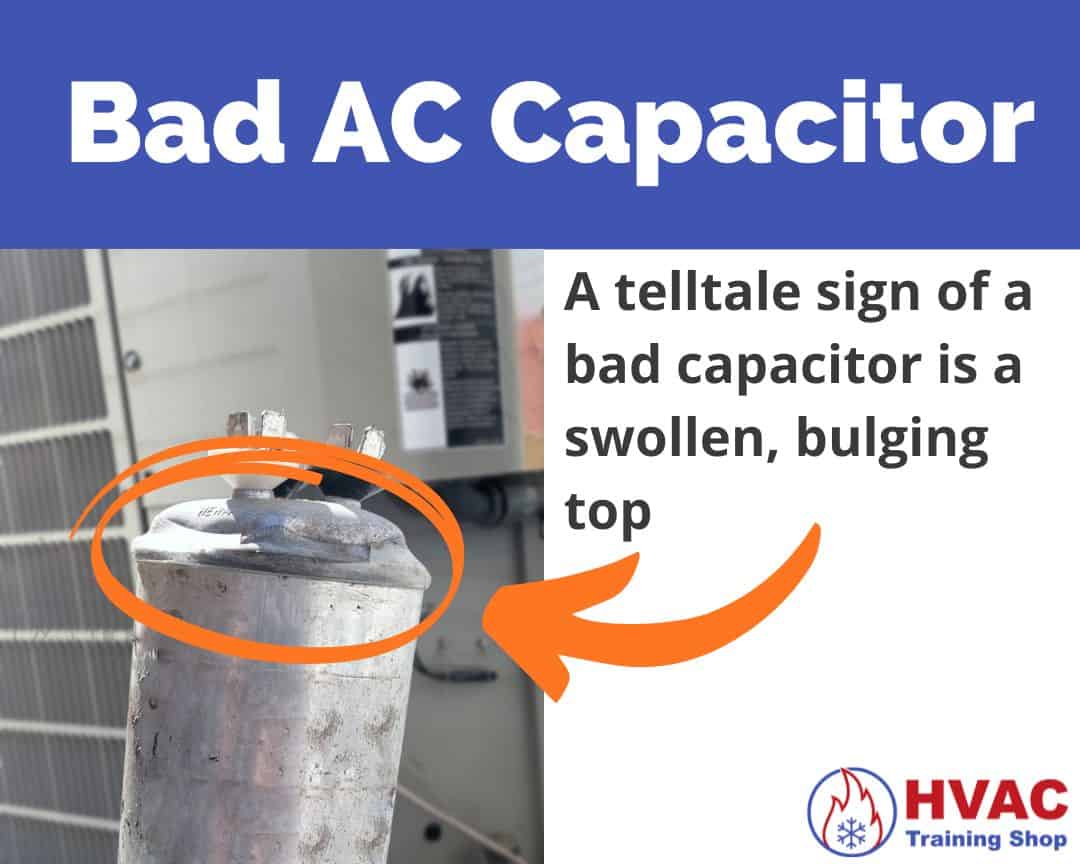
6. Bulging or Leaking Capacitor
A visual inspection of the capacitor itself can often reveal problems. Look for signs of physical damage, such as bulging, leaking oil, or corrosion. Always disconnect power to the unit before attempting any visual inspection!
7. A/C Fan Not Spinning Properly
If the outside fan isn't spinning at the correct speed or starts and stops intermittently, the capacitor might be the issue. The capacitor provides power to the fan motor, and a failing capacitor can disrupt its operation.
Testing Your A/C Capacitor: When to Call a Professional
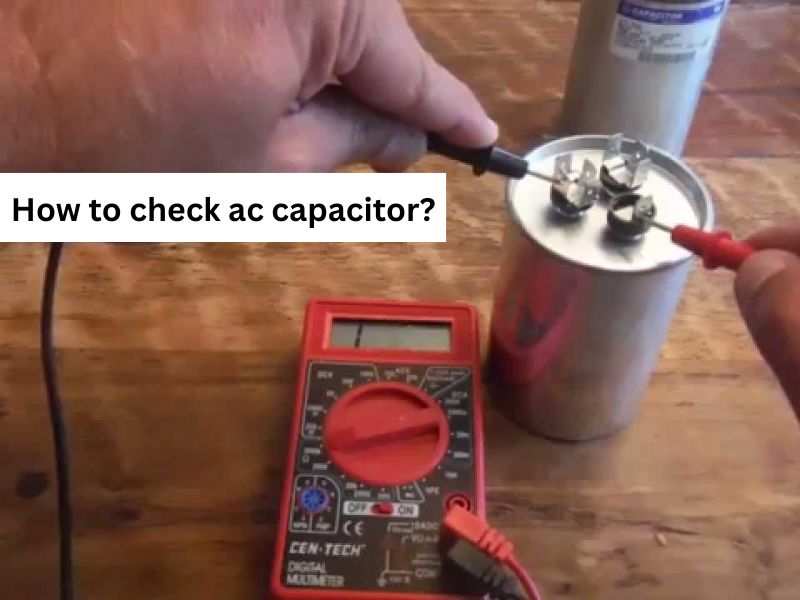
While visual inspection can sometimes reveal a bad capacitor, the most accurate way to diagnose the problem is with a multimeter. This requires specialized knowledge and safety precautions. Working with electricity can be dangerous, and it's always best to consult a qualified HVAC technician. They can safely test the capacitor's capacitance (measured in microfarads, or µF) to determine if it falls within the manufacturer's specifications. A reading significantly below the rated capacitance indicates a failing capacitor.
Replacing Your A/C Capacitor: DIY vs. Professional Installation
If you’re comfortable working with electricity and have the necessary tools and knowledge, you might be tempted to replace the capacitor yourself. While this can save money, it’s crucial to prioritize safety and accuracy. Here’s a breakdown of the considerations:
- DIY Replacement: Only attempt this if you have experience working with electrical components and understand the risks involved. Make sure to disconnect power to the A/C unit, discharge the capacitor (a potentially dangerous step!), and use the correct replacement capacitor with the same voltage and capacitance ratings.
- Professional Installation: Hiring a qualified HVAC technician ensures the job is done safely and correctly. They can also diagnose any underlying issues that might have contributed to the capacitor failure. Plus, they can ensure the system is running optimally after the replacement. Many HVAC contractors offer maintenance plans that include capacitor checks and replacements, potentially saving you money in the long run.
Cost Considerations: Repair vs. Replacement
The cost of replacing an A/C capacitor typically ranges from $100 to $300, including parts and labor. The exact price will depend on the type of capacitor, the complexity of the installation, and the technician's hourly rate. While a DIY replacement might seem cheaper upfront, the risk of improper installation or further damage to your system could lead to more expensive repairs down the line. In the long run, professional installation often provides the best value and peace of mind.
Smart HVAC Integration: Monitoring and Preventing Capacitor Failure
Smart thermostats and sensors can play a role in preventing capacitor failure by providing insights into your A/C system's performance. Some advanced smart thermostats can monitor runtime, compressor cycles, and even detect unusual electrical activity, alerting you to potential problems before they escalate. Integrating your HVAC system with a smart home platform can also help you optimize energy usage, reducing the strain on your system and prolonging the lifespan of its components, including the capacitor. Consider investing in a smart thermostat with energy monitoring features.
Energy Efficiency and Rebates: Making the Most of Your A/C Investment
Replacing a failing capacitor can significantly improve your A/C's energy efficiency. A properly functioning capacitor allows the system to run smoothly and efficiently, reducing energy consumption and lowering your utility bills. When upgrading to a new A/C system, consider models that meet Energy Star standards. These models are designed to be more energy-efficient than standard units and may qualify for rebates from your utility company or government programs. Check the DSIRE (Database of State Incentives for Renewables & Efficiency) website for information on available rebates and incentives in your area.
Preventative Maintenance: Extending the Life of Your A/C Capacitor
Regular preventative maintenance is key to extending the life of your A/C capacitor and preventing costly breakdowns. Here are some tips:
- Schedule regular HVAC checkups: Have a qualified technician inspect your A/C system annually, including the capacitor, to identify and address any potential problems early on.
- Keep the outdoor unit clean: Remove debris, such as leaves and grass clippings, from around the outdoor unit to ensure proper airflow. Overheating can stress the capacitor and shorten its lifespan.
- Change your air filters regularly: Dirty air filters restrict airflow, forcing the A/C system to work harder and putting extra strain on the capacitor.
- Consider a surge protector: Power surges can damage electrical components, including the capacitor. A surge protector can help protect your A/C system from unexpected power fluctuations.
Conclusion: A Proactive Approach to A/C Performance
A failing A/C capacitor can lead to a cascade of problems, from reduced cooling performance and increased energy bills to complete system failure. By understanding the signs of a bad capacitor and taking a proactive approach to maintenance, you can keep your A/C system running efficiently and reliably for years to come. Whether you choose to tackle the replacement yourself or hire a professional, prioritizing safety and accuracy is crucial. And remember, investing in energy-efficient equipment and smart home integration can help you save money and reduce your environmental impact. By staying informed and taking care of your A/C system, you can ensure comfortable temperatures and lower energy costs for your home or business.