How Do Wall Mounted Air Conditioning Units Work
Unveiling the Inner Workings of Wall Mounted Air Conditioning Units: A Comprehensive Guide
Wall mounted air conditioning units, also known as mini-split systems, have become increasingly popular due to their efficiency, ease of installation, and zoning capabilities. But how exactly do these units work? This article dives deep into the mechanics, applications, and career opportunities surrounding this ubiquitous HVAC technology.
The Core Components: A Detailed Look
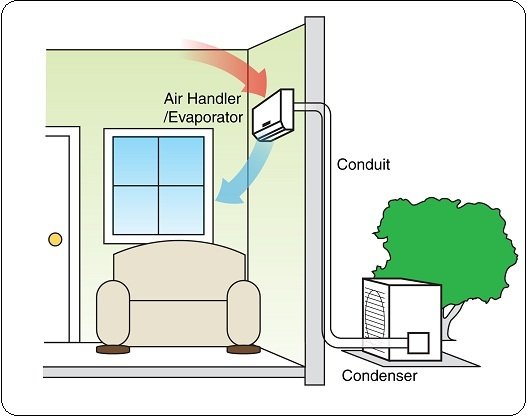
At its heart, a wall mounted air conditioner is a split system, meaning it comprises two main components: an outdoor unit and an indoor unit. Let's break down each part:
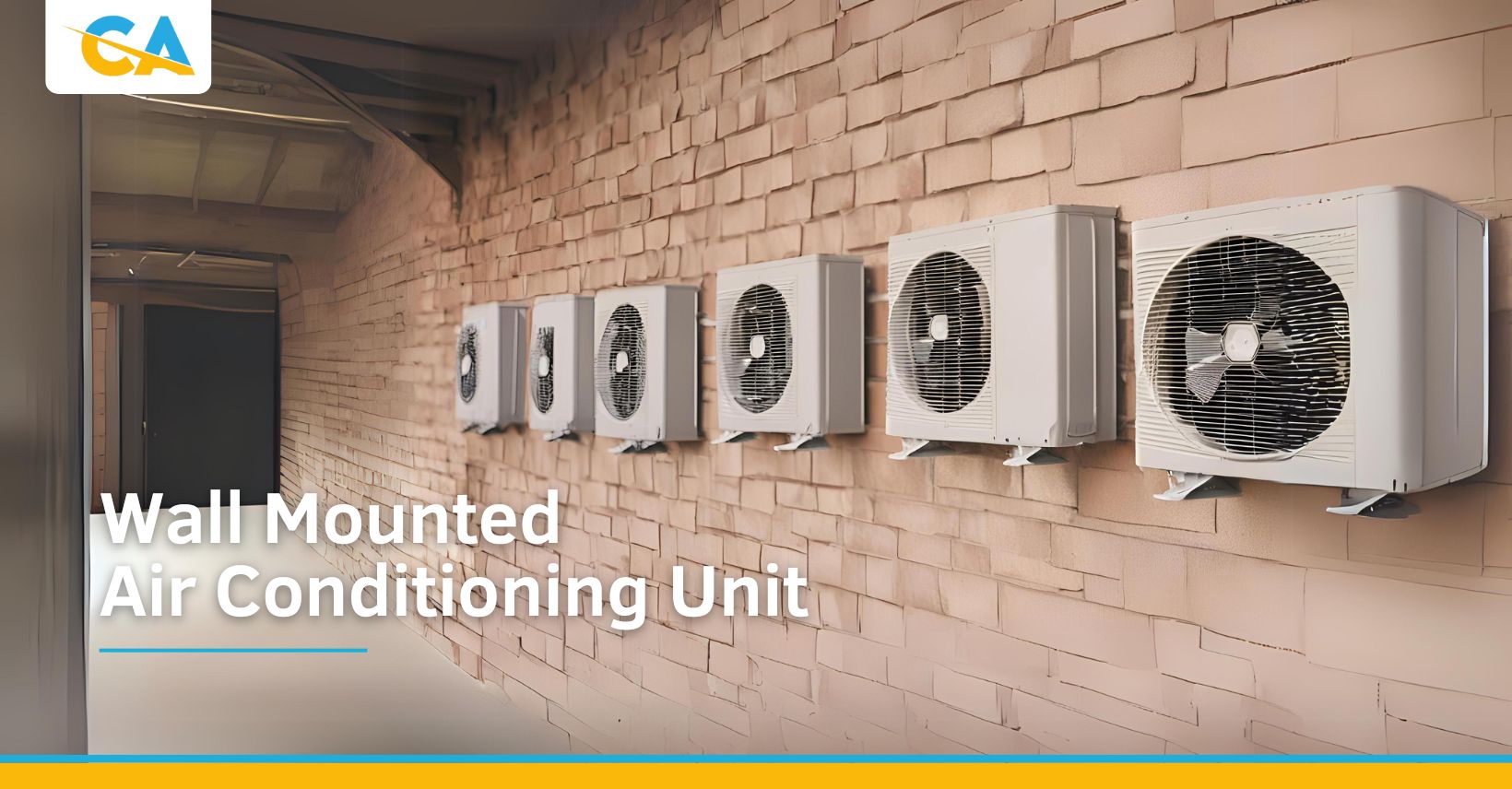
- Outdoor Unit (Condenser): This houses the compressor, condenser coil, and fan. The compressor is the workhorse, responsible for compressing the refrigerant gas. The condenser coil then dissipates the heat absorbed from inside the building, and the fan aids in this process by circulating air across the coil.
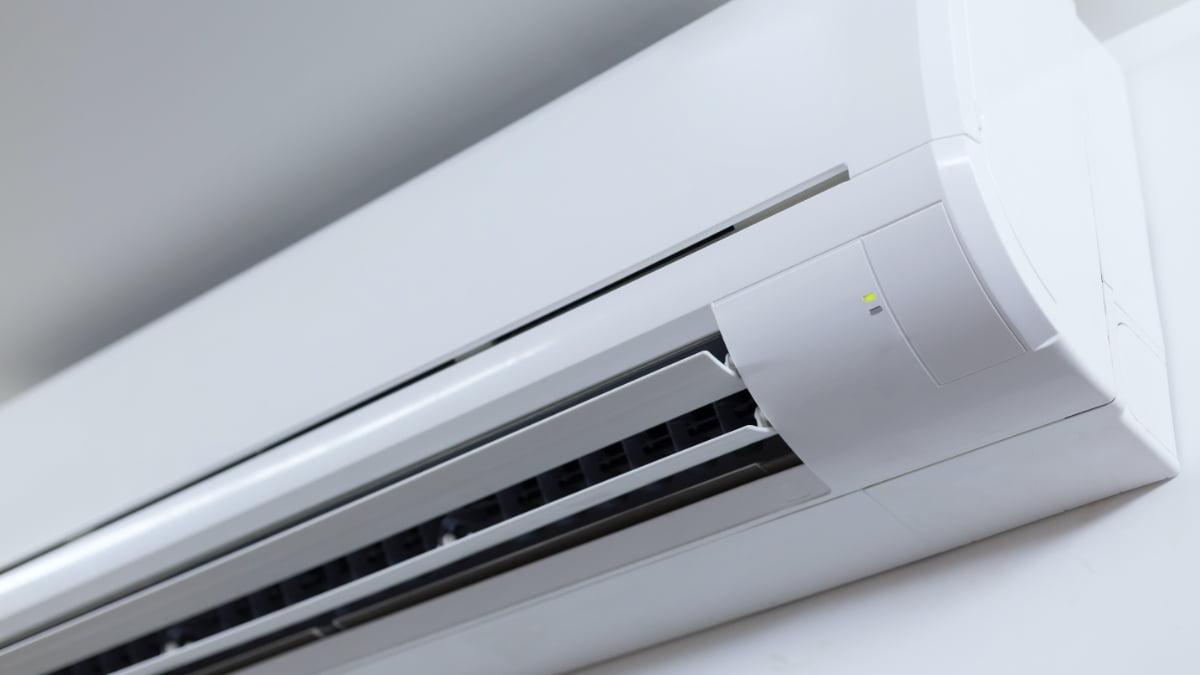
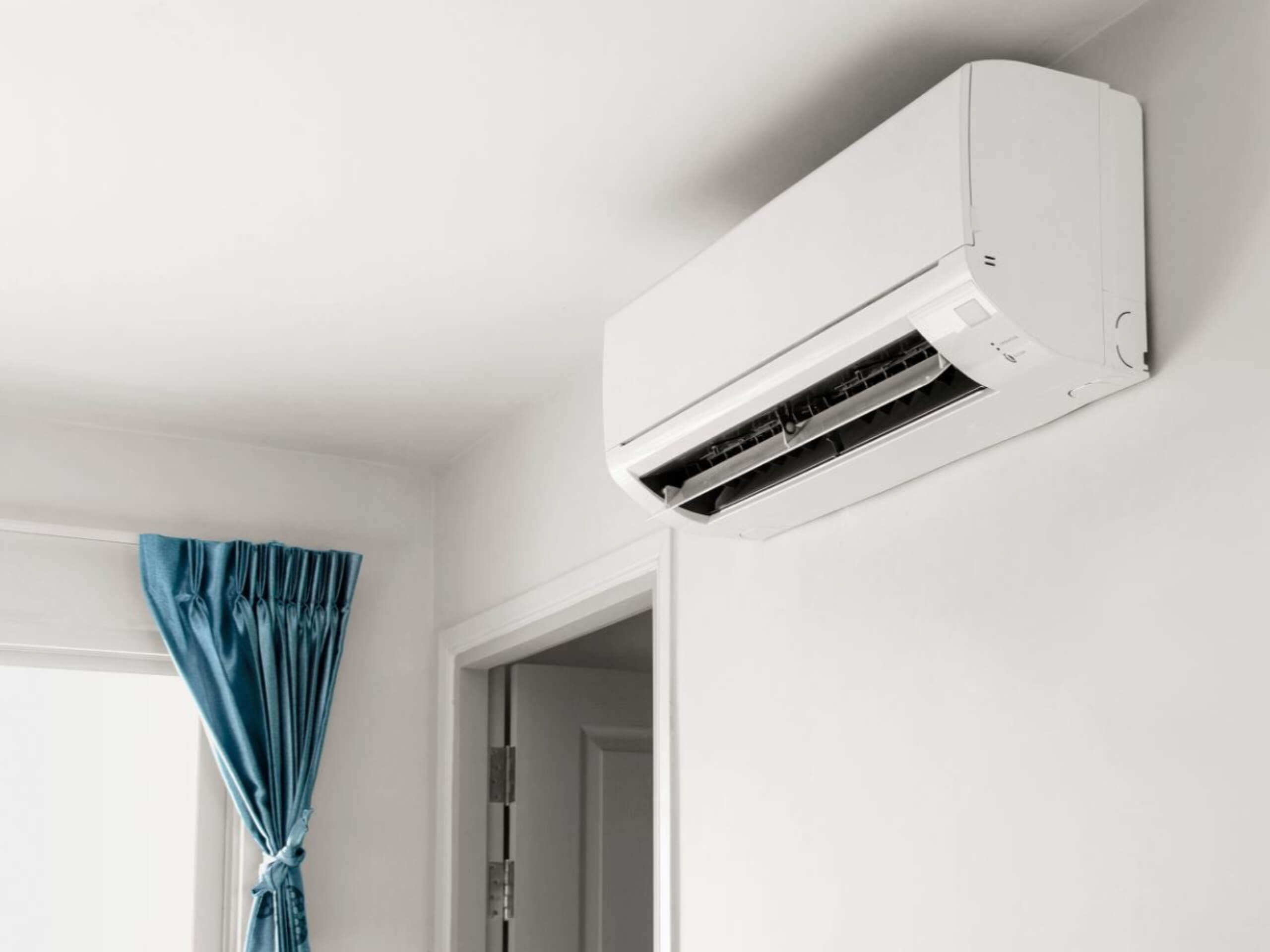
- Indoor Unit (Evaporator): This unit, mounted on the wall inside the room, contains the evaporator coil and a fan. The evaporator coil absorbs heat from the indoor air, cooling the room. The fan circulates the cooled air throughout the space.
These two units are connected by a conduit that houses the refrigerant lines, power cable, and a condensate drain line. This conduit typically runs through a small hole in the wall, minimizing disruption to the building's structure.
The Refrigeration Cycle: The Science of Cooling
The magic of a wall mounted air conditioner lies in the refrigeration cycle, a process that uses refrigerant to transfer heat from inside the building to the outside. Here's a simplified explanation:
- Evaporation: The liquid refrigerant enters the evaporator coil at low pressure and temperature. As it absorbs heat from the indoor air, it evaporates into a gas.
- Compression: The refrigerant gas is then drawn into the compressor, where its pressure and temperature are increased.
- Condensation: The high-pressure, high-temperature refrigerant gas flows into the condenser coil. Here, it releases heat to the outside air and condenses back into a liquid.
- Expansion: The liquid refrigerant then passes through an expansion valve, which reduces its pressure and temperature, preparing it to absorb heat again in the evaporator coil.
This cycle repeats continuously, effectively removing heat from the building and keeping it cool.
Inverter Technology: Enhancing Efficiency
Many modern wall mounted air conditioners utilize inverter technology. This technology allows the compressor to operate at variable speeds, adjusting the cooling output to match the actual demand. This results in several benefits:
- Energy Efficiency: Inverter systems consume less energy compared to traditional systems with fixed-speed compressors. They achieve higher Seasonal Energy Efficiency Ratio (SEER) ratings.
- Consistent Temperature: Inverter systems maintain a more consistent room temperature, avoiding the temperature swings often associated with traditional systems.
- Quieter Operation: Variable-speed compressors operate more quietly than fixed-speed compressors, providing a more comfortable environment.
Installation and Maintenance: Key Considerations
Proper installation is crucial for optimal performance and longevity of a wall mounted air conditioner. It's recommended to hire a qualified HVAC technician for the installation process. Key considerations include:
- Location of the Units: The outdoor unit should be placed in a well-ventilated area, away from direct sunlight and obstructions. The indoor unit should be mounted in a location that allows for optimal air circulation.
- Refrigerant Line Connections: Ensuring proper connections and leak-testing of the refrigerant lines is essential to prevent refrigerant leaks.
- Electrical Connections: Proper electrical connections are vital for safe and reliable operation of the system.
- Condensate Drain: The condensate drain line must be properly installed to prevent water damage.
Regular maintenance is also important. This includes cleaning the filters, inspecting the coils, and checking refrigerant levels. A well-maintained system will operate more efficiently and last longer.
Career Opportunities in Wall Mounted Air Conditioning
The demand for skilled HVAC technicians continues to grow, driven by factors such as increasing construction activity, stricter energy efficiency standards, and the growing popularity of technologies like mini-split systems. According to the Bureau of Labor Statistics, the employment of HVAC mechanics and installers is projected to grow 6 percent from 2022 to 2032.
Several career paths are available for those interested in working with wall mounted air conditioning units:
- HVAC Technician: Install, maintain, and repair wall mounted air conditioning systems.
- HVAC Installer: Specialize in the installation of these systems.
- HVAC Service Technician: Focus on diagnosing and repairing problems with existing systems.
- HVAC Sales Engineer: Work with clients to design and select appropriate systems for their needs.
The median annual wage for HVAC mechanics and installers was $59,620 in May 2023. Wages can vary depending on experience, location, and certifications.
Essential Certifications for HVAC Professionals
Earning relevant certifications can significantly enhance your career prospects and earning potential in the HVAC industry. Some key certifications include:
- EPA Section 608 Certification: Required by the Environmental Protection Agency (EPA) for technicians who handle refrigerants. This certification demonstrates knowledge of refrigerant handling procedures and environmental regulations.
- North American Technician Excellence (NATE) Certification: A widely recognized certification that validates the knowledge and skills of HVAC technicians. NATE offers certifications in various specialties, including air conditioning.
- HVAC Excellence Certification: Another respected certification program that assesses the competency of HVAC technicians.
Beyond these nationally recognized certifications, some states and municipalities may have their own licensing requirements for HVAC professionals. It's crucial to research and comply with all applicable regulations.
Real-World Career Paths: Examples of Success
Consider the following example: Sarah, after completing an HVAC apprenticeship program and earning her EPA 608 certification, started her career as an HVAC technician specializing in residential installations. Over time, she gained expertise in mini-split systems and eventually became a lead installer, supervising teams on larger projects. She then pursued her NATE certification and now works as a service technician, troubleshooting complex issues and providing expert advice to clients.
Another example: Mark, after graduating from a technical college with a degree in HVAC technology, joined a company that specializes in commercial HVAC systems. He initially worked as an installer, gaining practical experience. He then transitioned into a sales engineer role, leveraging his technical knowledge to design and sell HVAC solutions to businesses. He stays up-to-date on the latest industry trends, including advancements in mini-split technology, by attending industry conferences and pursuing continuing education courses.
The Future of Wall Mounted Air Conditioning: Trends and Innovations
The wall mounted air conditioning market is constantly evolving, with new technologies and innovations emerging regularly. Some key trends include:
- Smart Home Integration: Integration with smart home systems allows for remote control and monitoring of the units, enhancing convenience and energy efficiency.
- Improved Energy Efficiency: Manufacturers are continuously developing more energy-efficient models, utilizing advanced compressor technologies and optimized designs.
- Environmentally Friendly Refrigerants: The industry is transitioning towards refrigerants with lower global warming potential (GWP) to reduce environmental impact.
- Demand Controlled Ventilation (DCV): DCV improves indoor air quality and reduces energy consumption by adjusting ventilation rates based on occupancy levels.
Staying informed about these trends is essential for HVAC professionals to remain competitive and provide the best possible service to their clients.
Conclusion: A Promising Path in HVAC
Wall mounted air conditioning units are a vital part of the HVAC landscape, offering a range of benefits and creating numerous career opportunities. By understanding the principles behind their operation, staying up-to-date on the latest technologies, and pursuing relevant certifications, HVAC professionals can build successful and rewarding careers in this dynamic industry. Whether you are a student exploring career options, an experienced technician seeking to expand your skills, or an employer looking to hire qualified workers, the world of wall mounted air conditioning offers a wealth of potential. Invest in your skills, embrace the future, and unlock a fulfilling career in HVAC.