How Do Water Source Heat Pumps Work

Understanding Water Source Heat Pumps: A Homeowner's Guide
Water source heat pumps (WSHPs) offer an energy-efficient way to heat and cool your home. Unlike air source heat pumps that exchange heat with the outside air, WSHPs utilize a closed-loop water system. This article provides a comprehensive overview of how they work, troubleshooting tips, and when to call a professional.
The Basics of a Water Source Heat Pump System
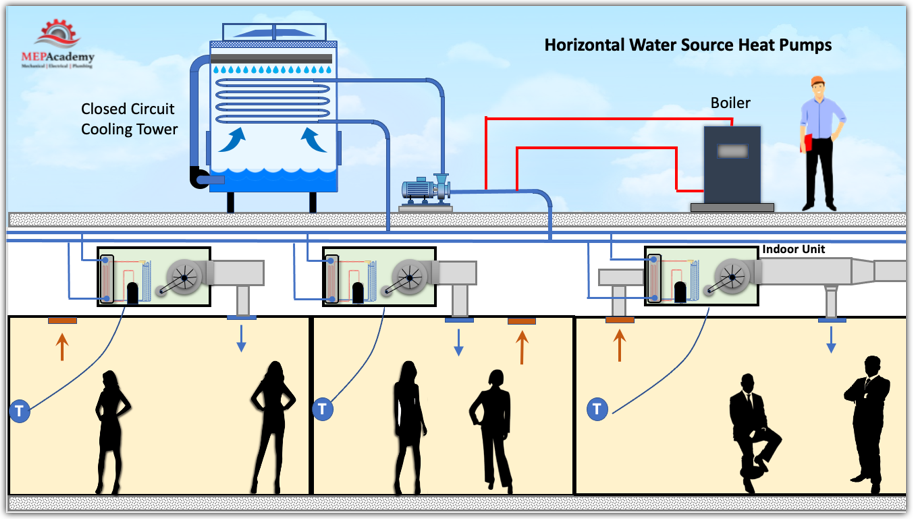
A WSHP system consists of individual heat pump units, typically one for each zone in your home, connected to a common water loop. This loop circulates water, usually at a moderate temperature (60-90°F), allowing the heat pumps to extract or reject heat as needed.
Think of it like this: each room has its own small heat pump, and they all share a common water source. If one room needs heating, its heat pump pulls heat from the water loop. If another room needs cooling, its heat pump releases heat into the water loop. The overall system then maintains the loop's temperature, ensuring consistent performance.
How it Works: Heating Mode
In heating mode, the WSHP operates as follows:
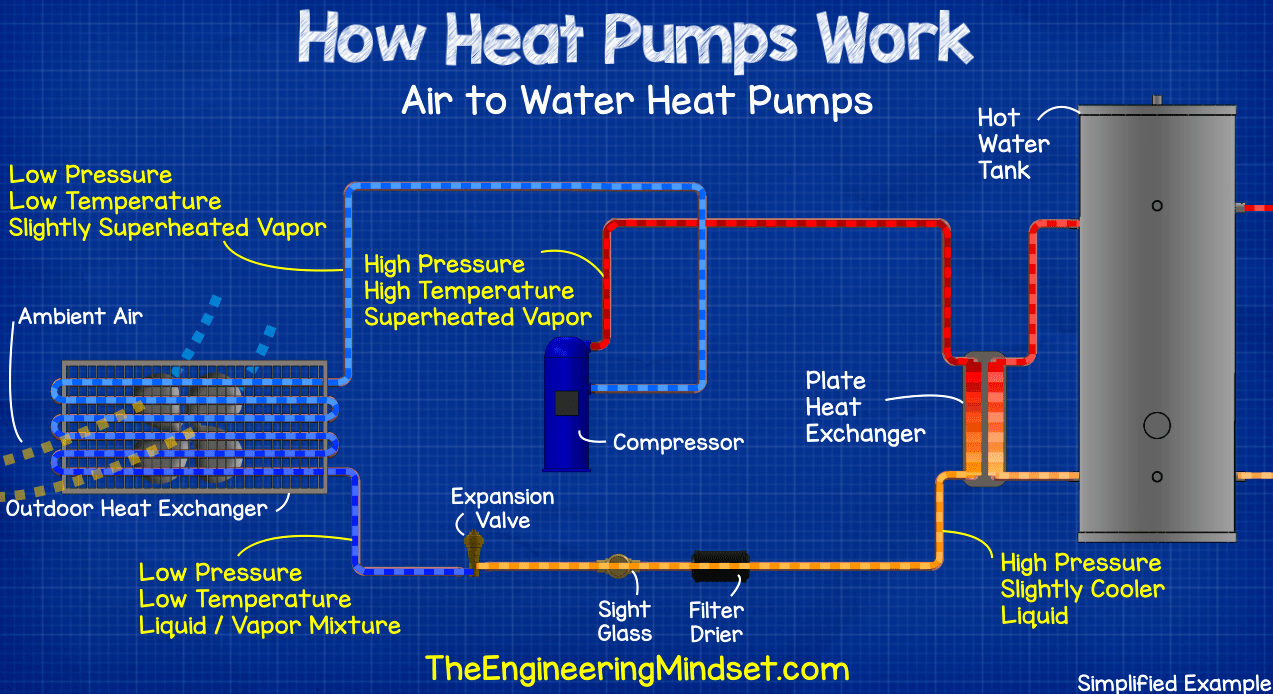
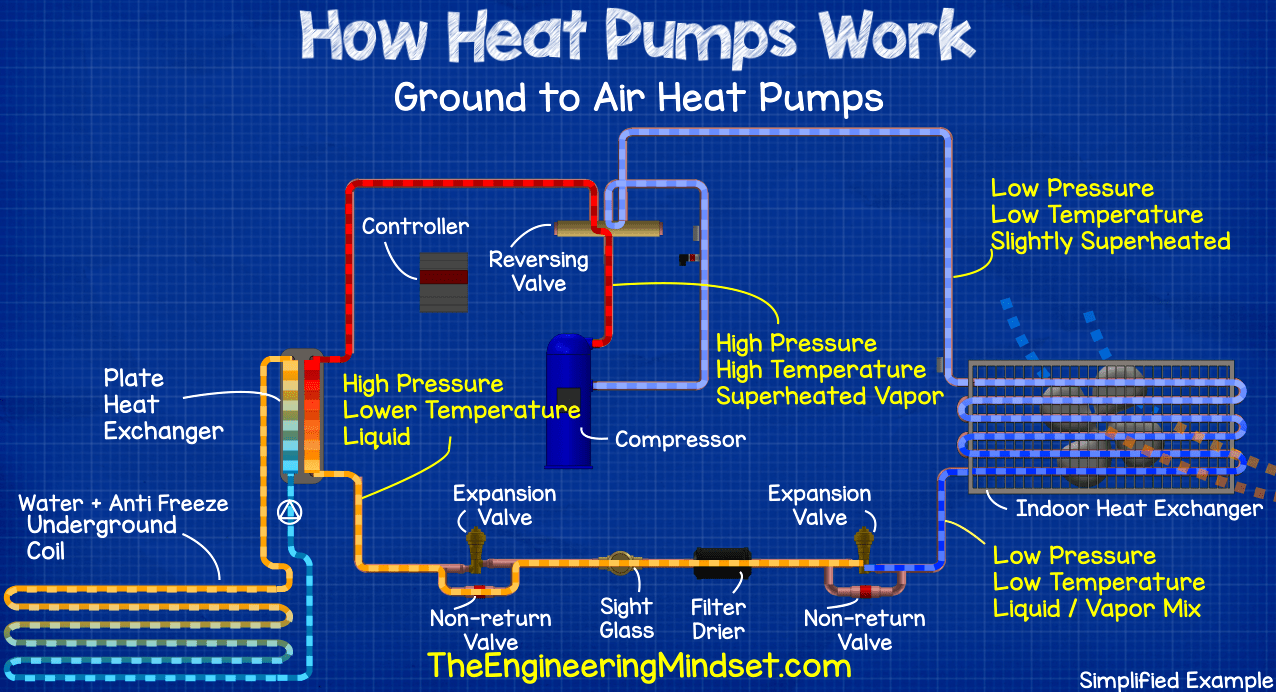
- Refrigerant Absorption: The refrigerant in the heat pump absorbs heat from the water circulating in the loop.
- Compression: The refrigerant is compressed, increasing its temperature significantly.
- Heat Exchange: This hot, high-pressure refrigerant passes through the indoor coil, where it releases heat into your home's air.
- Expansion: The refrigerant expands, cooling down and returning to the water loop to repeat the cycle.
How it Works: Cooling Mode
In cooling mode, the process reverses:
- Refrigerant Absorption: The refrigerant absorbs heat from the air inside your home, cooling it down.
- Compression: The refrigerant is compressed.
- Heat Rejection: The hot refrigerant releases heat into the water circulating in the loop.
- Expansion: The refrigerant expands and returns to the indoor coil to repeat the cycle.
Components of a Water Source Heat Pump
Understanding the key components is essential for troubleshooting.
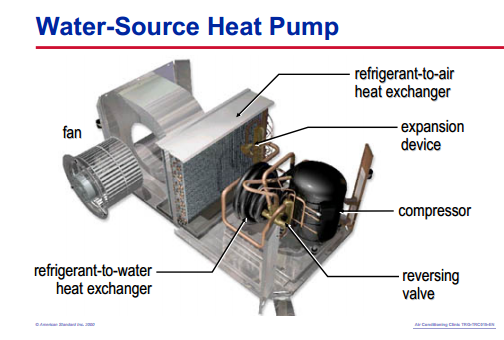
- Compressor: The heart of the heat pump, responsible for compressing the refrigerant.
- Reversing Valve: This valve switches the refrigerant flow, changing between heating and cooling modes.
- Evaporator Coil (Indoor Coil): Where the refrigerant absorbs heat in heating mode, and releases heat in cooling mode.
- Condenser Coil (Water Coil): Where the refrigerant releases heat in heating mode, and absorbs heat in cooling mode, using the water loop.
- Expansion Valve (Metering Device): Regulates the flow of refrigerant.
- Circulating Pump: Moves the water through the loop.
- Water Treatment System: Helps prevent corrosion and scaling in the water loop.
- Controls and Thermostat: Manages the operation of the heat pump and maintains the desired temperature.
DIY Troubleshooting Tips
Before calling a professional, consider these troubleshooting steps. Always turn off the power to the unit before performing any maintenance.
- Check the Thermostat: Ensure it's set to the correct mode (heating or cooling) and temperature. Verify the batteries are good.
- Inspect the Air Filter: A dirty air filter restricts airflow, reducing efficiency and potentially damaging the unit. Replace it regularly (every 1-3 months).
- Inspect Water Lines: Look for leaks or corrosion. Ensure the water lines are properly insulated.
- Check the Circuit Breaker: Make sure the breaker for the heat pump hasn't tripped.
- Listen for Unusual Noises: Grinding, hissing, or banging sounds could indicate a mechanical problem.
- Clean the Unit: Remove any debris or obstructions around the unit.
Common Water Source Heat Pump Problems
Here are some frequently encountered issues:
- Reduced Heating or Cooling: Often caused by a dirty air filter, low refrigerant, or a malfunctioning compressor.
- Noisy Operation: Could be due to a failing fan motor, compressor issues, or loose components.
- Water Leaks: May indicate a corroded pipe, a loose fitting, or a faulty pump.
- Short Cycling: The unit turns on and off frequently, which can be caused by a refrigerant leak, a dirty coil, or an improperly sized unit.
- System Freezing: Occurs if the water loop temperature is too low or if there's insufficient water flow.
- Reversing Valve Failure: If the reversing valve malfunctions, the unit may not switch between heating and cooling modes properly.
Tools and Parts for Basic Maintenance
Keep these tools on hand for basic maintenance:
- Screwdrivers (Phillips and flathead)
- Wrenches (adjustable and specific sizes)
- Multimeter
- Voltage Tester
- Air Filter (appropriate size and type)
- Shop Vacuum
- Cleaning Supplies (coil cleaner, mild detergent)
- Gloves and Safety Glasses
When to Call a Professional
While some maintenance tasks are DIY-friendly, certain repairs require specialized knowledge and equipment. Do not attempt these repairs yourself.
- Refrigerant Leaks: Handling refrigerant requires EPA certification.
- Compressor Repairs: Replacing or repairing a compressor is a complex and costly task.
- Reversing Valve Issues: Diagnosing and replacing a reversing valve requires specialized tools and training.
- Electrical Problems: Working with electrical components can be dangerous if you're not qualified.
- Water Loop Issues: Maintaining the water loop's chemical balance and preventing corrosion requires specialized knowledge.
- Major Component Failure: If a significant component, such as the compressor or pump, fails, it's best to consult a professional.
Estimated Repair Costs
Repair costs vary depending on the severity of the problem and the complexity of the repair. Here's a general idea:
- Air Filter Replacement: $10 - $30 (DIY)
- Minor Leak Repair: $150 - $500
- Refrigerant Recharge: $200 - $800
- Compressor Replacement: $1,500 - $4,000
- Reversing Valve Replacement: $300 - $1,000
- Circulating Pump Replacement: $400 - $1,200
These are just estimates. Always get quotes from multiple HVAC professionals before proceeding with any repairs.
Safety First!
Safety is paramount when working with any HVAC system. Always disconnect the power before performing any maintenance. Wear safety glasses and gloves to protect yourself from debris and chemicals. If you're unsure about any aspect of the repair, call a qualified HVAC technician.
Maintaining Your Water Source Heat Pump
Regular maintenance is crucial for ensuring the longevity and efficiency of your WSHP system. Consider these tips:
- Schedule Annual Inspections: A professional can inspect the system, clean the coils, check the refrigerant levels, and identify potential problems before they become major issues.
- Monitor Water Loop Chemistry: Regularly test and treat the water in the loop to prevent corrosion and scaling.
- Keep the Area Around the Unit Clear: Ensure there's adequate airflow around the unit.
- Change Air Filters Regularly: This is the simplest and most effective way to improve the system's efficiency.
By understanding how water source heat pumps work and performing regular maintenance, you can keep your system running efficiently and avoid costly repairs. Remember to prioritize safety and call a professional when necessary.



:max_bytes(150000):strip_icc()/GettyImages-1225021365-8424e0bfe36b4254862d3f0ca5031a94.jpg)