How Do Whole House Humidifiers Work
Understanding Whole-House Humidifiers: A Comprehensive Guide
Maintaining optimal humidity levels in your home is crucial for comfort, health, and even the preservation of your property. A whole-house humidifier, integrated directly into your HVAC system, offers a more consistent and convenient solution compared to portable units. This article explores the various types of whole-house humidifiers, their operational principles, benefits, maintenance requirements, and cost considerations. Whether you're a homeowner, HVAC technician, or facility manager, understanding these systems is essential for creating and maintaining a healthy and comfortable indoor environment.
Types of Whole-House Humidifiers
Several types of whole-house humidifiers are available, each with its own set of advantages and disadvantages. The most common types include:
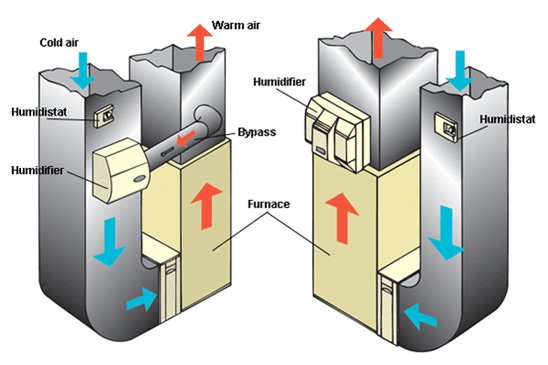
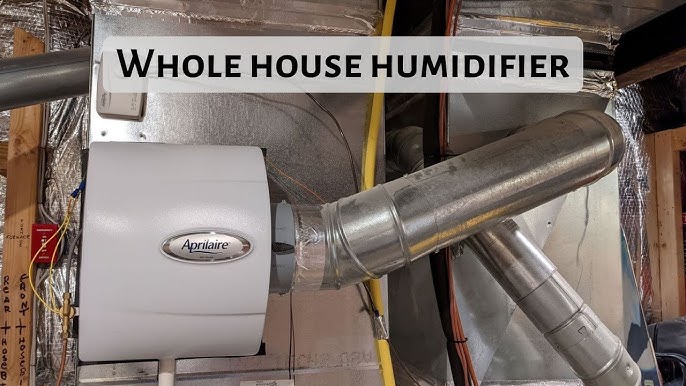
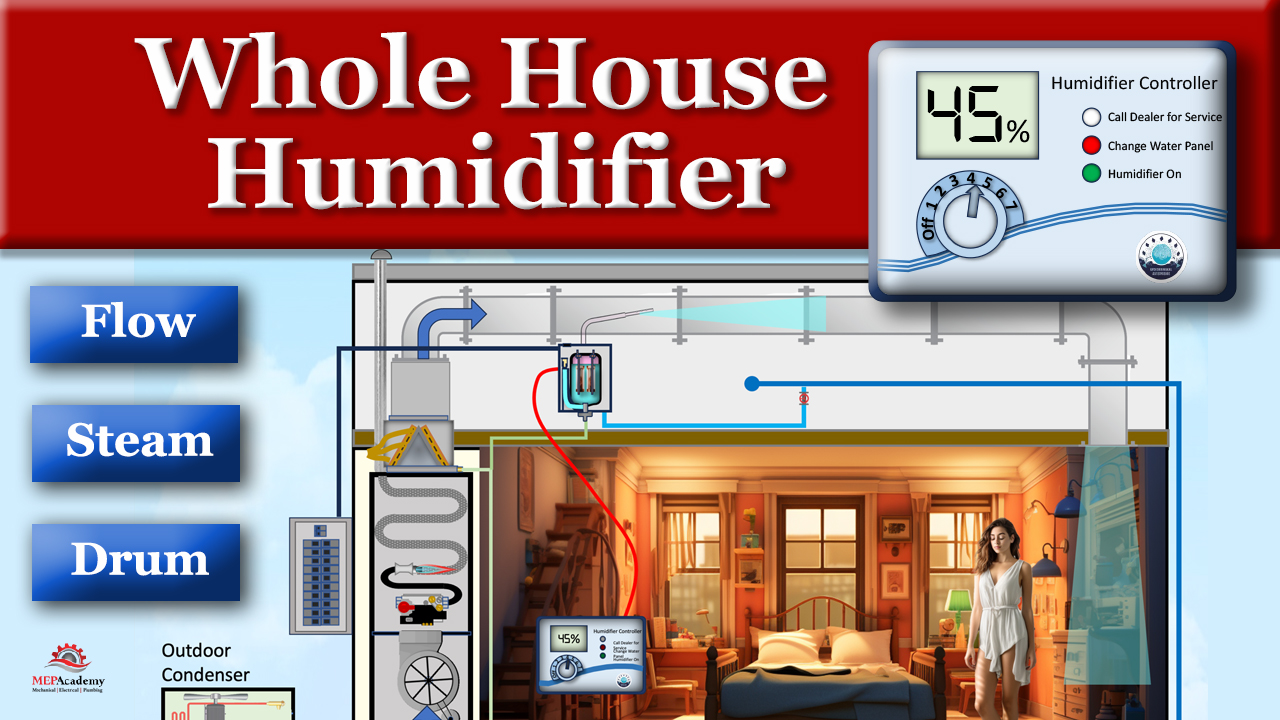
- Bypass Humidifiers: These are the most prevalent type and are typically the least expensive to install. They work by diverting a portion of the heated air from the furnace through a water-soaked pad or media. The now-humidified air then returns to the main ductwork. Bypass humidifiers can be further divided into two categories:
- Flow-Through: These humidifiers continuously run water over the pad, draining excess water. This helps prevent mineral buildup and promote cleaner humidification.
- Drum: A rotating drum partially submerged in water picks up moisture, which is then evaporated into the airflow. Drum humidifiers are prone to mineral buildup and require more frequent cleaning.
- Fan-Powered Humidifiers: Similar to bypass humidifiers, fan-powered units also use a water-soaked pad. However, they incorporate a fan to force air through the pad, making them more effective at humidifying the air, especially when the furnace isn't running. This increased efficiency comes at a higher cost.
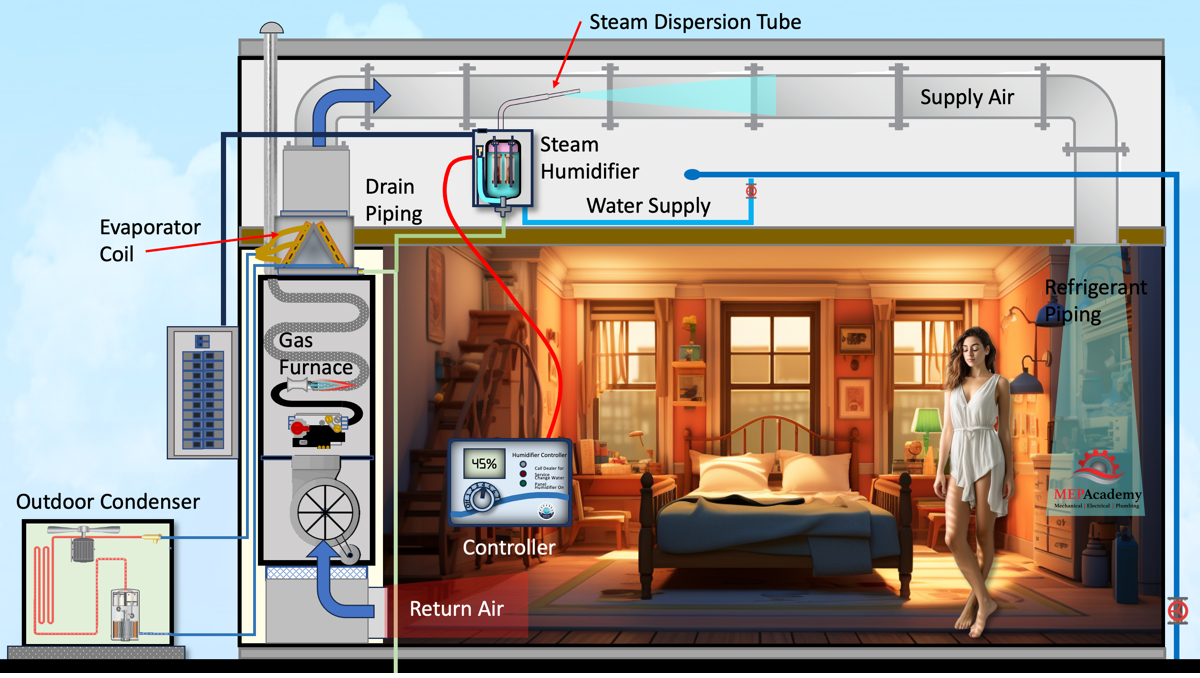
- Steam Humidifiers: These units are the most expensive and sophisticated option. They boil water to create steam, which is then injected directly into the ductwork. Steam humidifiers offer the most precise humidity control and can operate independently of the furnace, making them ideal for homes in particularly dry climates or those with sensitive needs. They are particularly advantageous when precise control is needed, say to preserve wood floors or musical instruments.
How Bypass Humidifiers Work
Let's delve deeper into the operation of a bypass humidifier, as it's the most common type. Here's a step-by-step explanation:
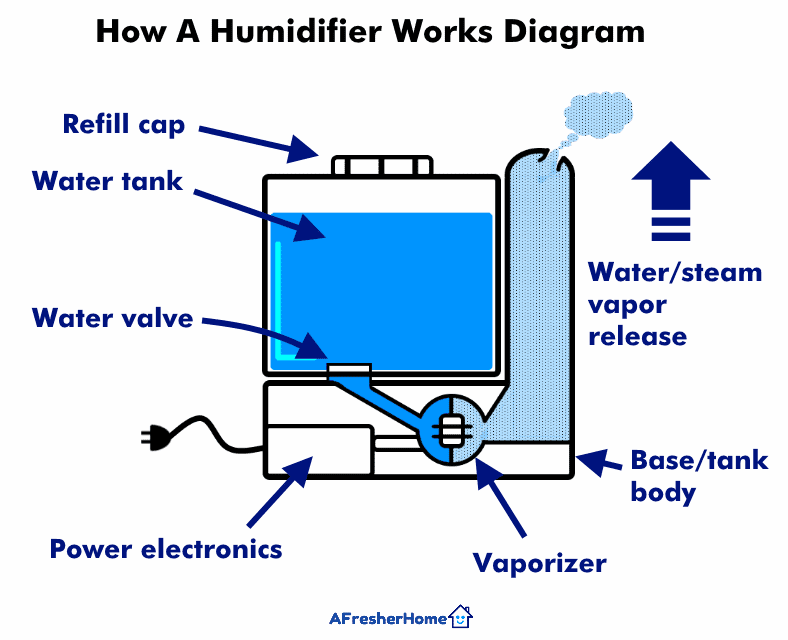
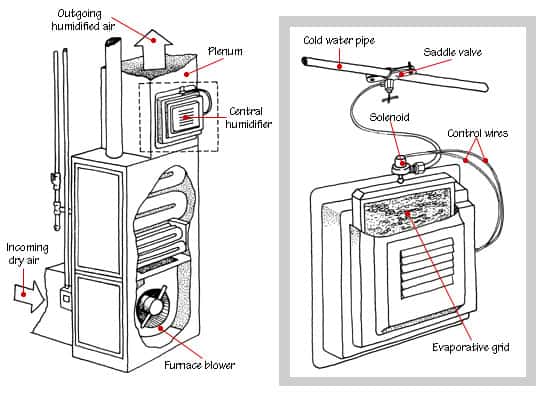
- Water Supply: A small water line connects the humidifier to your home's water supply. A solenoid valve controls the flow of water into the humidifier.
- Humidifier Pad/Media: The water flows onto a porous pad or media, typically made of an absorbent material like foam or aluminum mesh. This pad is located within the humidifier unit.
- Airflow Diversion: Heated air from the furnace is diverted through a bypass duct to the humidifier. The bypass duct connects the supply and return air ducts of the HVAC system.
- Evaporation: As the heated air passes through the saturated pad, water evaporates into the air, increasing its humidity.
- Return to Ductwork: The humidified air is then channeled back into the main ductwork through another bypass duct, where it mixes with the rest of the heated air and is distributed throughout the home.
- Humidity Control: A humidistat monitors the humidity level in the home. When the humidity drops below the set point, the humidistat signals the solenoid valve to open, allowing water to flow into the humidifier. Once the desired humidity level is reached, the humidistat closes the valve, stopping the water flow.
Example: Consider a home in Denver, Colorado, where winter humidity levels can plummet below 20%. A bypass humidifier can raise the humidity to a more comfortable 40-50%, reducing dry skin, static electricity, and preventing damage to wooden furniture.
Fan-Powered Humidifier Operation
Fan-powered humidifiers follow a similar process to bypass humidifiers, but with one key difference: they use a fan to force air through the water-soaked pad. This fan allows the humidifier to operate independently of the furnace, providing humidity even when the heating system isn't actively running. This is particularly useful in shoulder seasons (spring and fall) when temperatures fluctuate and humidity levels can drop without the need for constant heating.
Steam Humidifier Operation
Steam humidifiers are the most sophisticated type. They operate by:
- Water Intake: The humidifier draws water from a supply line into a reservoir or canister.
- Heating Element: An electric heating element within the reservoir heats the water to the boiling point, creating steam.
- Steam Injection: The steam is then injected directly into the HVAC ductwork through a steam dispersion tube.
- Humidity Control: A humidistat precisely controls the amount of steam injected, maintaining the desired humidity level. Steam humidifiers often feature advanced control systems that can automatically adjust humidity based on outdoor temperature.
Example: A museum housing delicate artifacts might utilize a steam humidifier to maintain a precisely controlled humidity level, preventing damage to the exhibits. The precision of steam humidifiers makes them ideal for such sensitive environments.
Benefits of Whole-House Humidifiers
Installing a whole-house humidifier offers numerous benefits:
- Improved Comfort: Reduces dry skin, itchy eyes, and sore throats.
- Healthier Air: Helps alleviate respiratory problems and reduces the spread of airborne viruses.
- Protection of Property: Prevents damage to wooden floors, furniture, and musical instruments caused by excessively dry air.
- Energy Savings: Humidified air feels warmer, allowing you to lower the thermostat and save on heating costs. Studies have shown that for every degree you lower your thermostat, you can save 1-3% on your heating bill.
- Reduced Static Electricity: Eliminates annoying static shocks.
Maintenance and Troubleshooting
Regular maintenance is essential for optimal humidifier performance and longevity. Key maintenance tasks include:
- Regular Cleaning: Clean the humidifier pad or drum regularly to prevent mineral buildup and mold growth. Follow the manufacturer's instructions for cleaning procedures.
- Water Panel Replacement: Replace the water panel (or pad) annually or as recommended by the manufacturer.
- Water Line Inspection: Inspect the water line for leaks and replace it if necessary.
- Humidistat Calibration: Ensure the humidistat is properly calibrated to maintain accurate humidity levels.
- Professional Inspection: Schedule a professional HVAC inspection annually to ensure the humidifier is functioning correctly and efficiently.
Troubleshooting Common Issues:
- No Humidity: Check the water supply, solenoid valve, and humidistat. Ensure the humidifier is receiving power.
- Excessive Humidity: Check the humidistat settings and ensure it's properly calibrated. Inspect the humidifier for leaks.
- Mineral Buildup: Clean the humidifier pad or drum more frequently. Consider using a water softener.
Cost Considerations
The cost of a whole-house humidifier varies depending on the type, size, and complexity of the installation. Here's a general overview:
- Bypass Humidifiers: $200 - $500 (installed)
- Fan-Powered Humidifiers: $400 - $800 (installed)
- Steam Humidifiers: $800 - $2000+ (installed)
In addition to the initial cost, consider the ongoing operating costs, including water usage and electricity consumption (particularly for steam humidifiers). Maintenance costs, such as water panel replacements, should also be factored into the overall cost analysis.
Installation Considerations
Proper installation is crucial for optimal humidifier performance. It's generally recommended to have a qualified HVAC technician install a whole-house humidifier. Key installation considerations include:
- Location: Choose a location that is easily accessible for maintenance and away from potential freezing temperatures.
- Ductwork Compatibility: Ensure the humidifier is compatible with your existing ductwork.
- Water Supply: Ensure a reliable water supply is available near the installation location.
- Electrical Connection: Ensure a proper electrical connection is available, particularly for steam humidifiers.
- Proper Sealing: Seal all connections tightly to prevent air leaks.
Comparing Efficiency Ratings
While there isn't a standardized efficiency rating for whole-house humidifiers like the Seasonal Energy Efficiency Ratio (SEER) for air conditioners, you can assess efficiency based on water usage and electricity consumption. Steam humidifiers, while offering precise control, generally consume more electricity than bypass or fan-powered models. Flow-through bypass humidifiers are generally considered more efficient than drum-style bypass humidifiers due to their continuous draining, which reduces mineral buildup and improves performance.
Lifespan and Replacement
A properly maintained whole-house humidifier can last for 10-15 years or more. Factors affecting lifespan include water quality, frequency of use, and adherence to maintenance schedules. Signs that a humidifier needs replacement include frequent breakdowns, decreased humidity output, and excessive mineral buildup that cannot be effectively cleaned.
Conclusion
A whole-house humidifier is a valuable addition to any home or building, offering improved comfort, health, and protection of property. By understanding the different types of humidifiers, their operational principles, and maintenance requirements, homeowners, HVAC technicians, and facility managers can make informed decisions about selecting and maintaining these essential systems. Investing in a whole-house humidifier can significantly enhance the quality of indoor air and create a healthier, more comfortable living environment.