How Do You Calculate A Rolling Offset
One of the most frustrating problems for homeowners, especially during extreme weather, is inconsistent heating or cooling. You might notice some rooms are noticeably colder in the winter or warmer in the summer than others, even when your thermostat is set at a comfortable temperature. This uneven temperature distribution can be caused by a variety of factors, but one often overlooked culprit is improperly installed or damaged ductwork, specifically, issues related to rolling offsets.
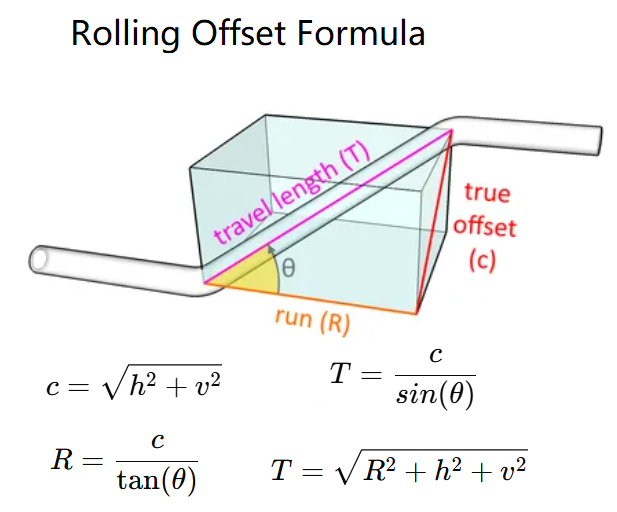
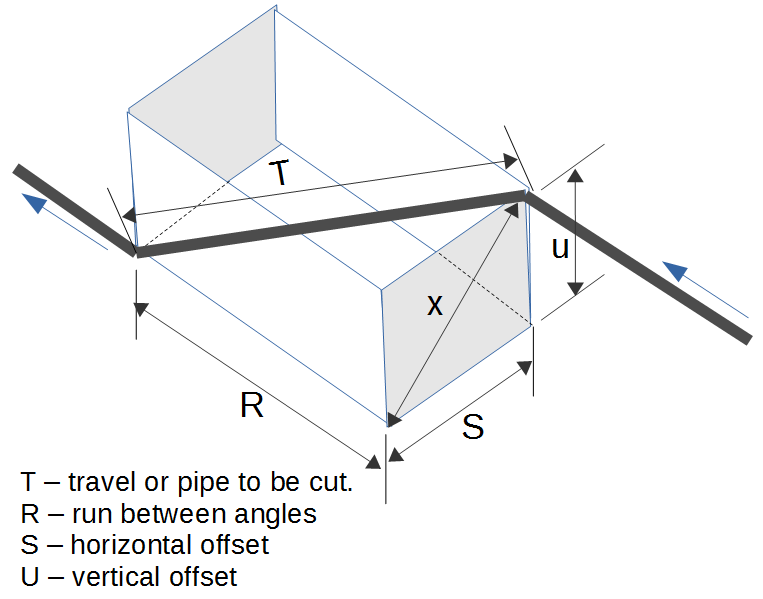
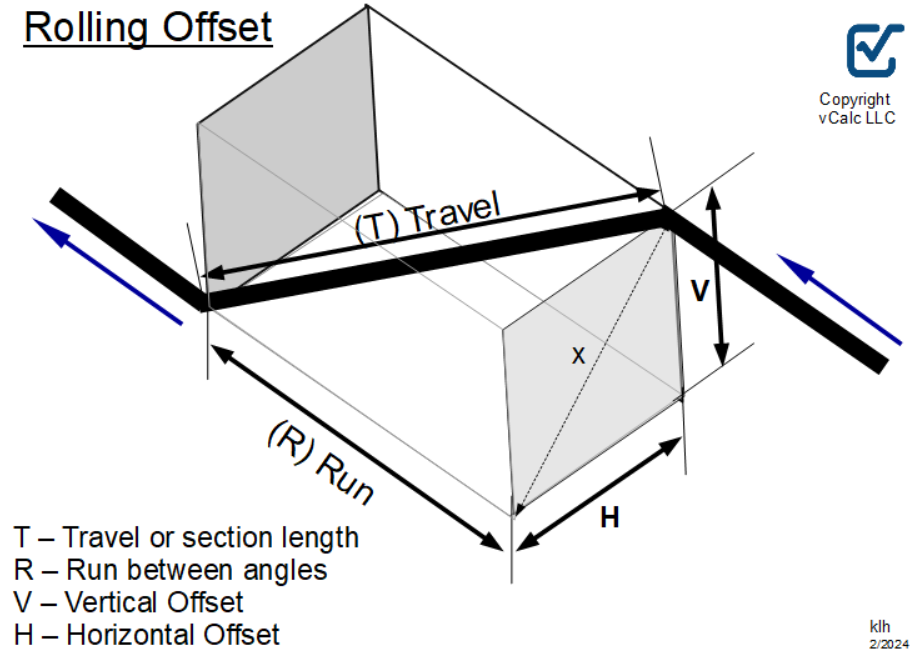
What is a Rolling Offset and Why Does it Matter? A rolling offset in ductwork refers to a bend or series of bends that allow a duct to navigate around obstacles, changing its position both vertically and horizontally. Imagine your duct needs to go over a pipe *and* shift to the left – that's where a rolling offset comes in. If these offsets aren't calculated and installed correctly, they can create significant restrictions in airflow, leading to the uneven heating or cooling you're experiencing.
Diagnosing the Problem: Is a Rolling Offset to Blame?
Before you start tearing apart your ductwork, let's go through a methodical process to determine if a faulty rolling offset is likely the cause of your temperature inconsistencies. This will involve some detective work and careful observation.
Step 1: The Initial Assessment (No Tools Required)
Start with the easy stuff. This involves using your senses and a bit of spatial reasoning.
- Feel the Airflow: Go to the vents in the rooms that are too hot or too cold. Compare the airflow to vents in rooms with comfortable temperatures. Is the airflow noticeably weaker in the problem areas? If so, a ductwork issue is likely.
- Listen Carefully: Pay attention to any unusual noises coming from your ductwork when the HVAC system is running. Whistling, rattling, or hissing sounds could indicate leaks or restrictions, potentially caused by a poorly designed or damaged rolling offset.
- Visual Inspection (Exposed Ductwork): If you have access to exposed ductwork (e.g., in the basement or attic), visually inspect the areas leading to the problematic rooms. Look for:
- Kinks or Dents: Any visible damage to the ductwork, especially near bends or offsets.
- Loose Connections: Check if sections of ductwork are properly connected and sealed. Look for gaps or loose tape.
- Improper Support: Ductwork should be adequately supported to prevent sagging or stress on connections. Sagging can distort the duct and affect airflow.
- Think Spatially: Mentally trace the ductwork from your HVAC unit to the affected rooms. Are there any obvious obstacles the ductwork has to navigate around? If so, a rolling offset is likely present in that area.
Step 2: Investigating Further (Basic Tools Required)
If the initial assessment points to a ductwork issue, the next step involves a slightly more detailed investigation, requiring a few basic tools.
- Flashlight: A good flashlight is essential for inspecting ductwork in dimly lit areas like attics or basements.
- Measuring Tape: You'll need a measuring tape to measure the lengths and angles of any rolling offsets you find. This is crucial for determining if they are correctly sized and installed (more on this later).
- Smoke Pencil or Incense Stick (Optional): With the HVAC system running, use a smoke pencil or incense stick near ductwork connections and seams. If the smoke is drawn into the ductwork, it indicates a leak.
Focus on the Rolling Offset: If you've identified a rolling offset as a potential problem area, pay close attention to the following:
- Measure the Offset Dimensions: Measure the rise (vertical distance), the run (horizontal distance), and the total offset length of the rolling offset. Record these measurements carefully. You'll need them later for calculations.
- Inspect the Angle of the Bends: Are the bends smooth and gradual, or are they sharp and abrupt? Sharp bends create more resistance to airflow.
- Look for Damage or Distortion: Carefully examine the ductwork around the offset for any dents, kinks, or signs of collapse.
Step 3: Determining if the Rolling Offset is Correctly Calculated
This is where the math comes in! There are several online calculators or formulas available to help you determine the correct dimensions for a rolling offset. However, understanding the underlying principles is important. The key is to ensure that the angles and lengths of the bends are optimized for minimal airflow restriction.
The Basic Principle: The sharper the bends in a rolling offset, the greater the resistance to airflow. Therefore, the goal is to create the most gradual bends possible while still achieving the necessary offset.
Calculating the Take-off Angle: The *take-off angle* refers to the angle at which the ductwork bends to create the offset. While complex calculations can determine precise angles, a general rule of thumb is to keep the take-off angle as small as possible. Angles between 22.5 degrees and 45 degrees are common. Steeper angles significantly increase airflow resistance.
Using an Online Rolling Offset Calculator: The easiest way to determine if your rolling offset is correctly calculated is to use an online calculator. Search for "rolling offset calculator ductwork" on your preferred search engine. These calculators typically require you to input the rise, run, and duct diameter. The calculator will then provide the required length of the offset and the angle of the bends.
Comparing Your Measurements: Compare the measurements you took of your existing rolling offset to the values calculated by the online calculator. If there are significant discrepancies, it's a strong indication that the offset is not correctly sized and is contributing to airflow problems.
DIY Actions You Can Take (With Caution!)
If you've identified a problem with a rolling offset, there are a few DIY actions you can take, but proceed with caution. Always prioritize safety and remember that improper repairs can worsen the problem or even damage your HVAC system.
- Seal Leaks: If you find any leaks around the connections of the rolling offset, seal them with UL-181 approved foil tape. Do not use duct tape! Duct tape dries out and cracks over time, rendering it ineffective. Clean the surface before applying the tape and press it firmly to ensure a good seal.
- Reinforce Support: If the ductwork is sagging or not adequately supported near the rolling offset, add additional supports (e.g., straps or hangers) to prevent further distortion.
- Smooth Out Minor Dents: If you find any minor dents in the ductwork around the rolling offset, you can try to carefully smooth them out using your hands. Be gentle to avoid causing further damage.
- Insulate the Ductwork: Insulating the ductwork, especially in unconditioned spaces like attics or basements, can help prevent heat loss or gain, improving the efficiency of your HVAC system and reducing temperature inconsistencies. Make sure to use proper insulation materials suitable for ductwork.
When to Call a Professional HVAC Technician
While some minor repairs are within the scope of DIY, there are many situations where it's essential to call a professional HVAC technician. Attempting to tackle complex repairs yourself can be dangerous and may void your HVAC system's warranty.
Call a Professional If:
- You're Uncomfortable Working with Ductwork: If you're not comfortable working in tight spaces, climbing ladders, or handling tools, it's best to leave the job to a professional.
- The Rolling Offset Needs to be Redesigned or Replaced: Redesigning or replacing a rolling offset requires specialized knowledge and tools. It's not a DIY project.
- You Suspect a Major Ductwork Problem: If you suspect that the problem extends beyond a single rolling offset and involves a larger section of ductwork, call a professional.
- You Find Mold or Asbestos: If you find any signs of mold or asbestos in or around your ductwork, do not disturb it! Call a qualified professional to handle the situation. Asbestos is a hazardous material that requires specialized removal procedures.
- You're Not Sure What to Do: If you've gone through the troubleshooting steps and you're still not sure what the problem is or how to fix it, it's always best to err on the side of caution and call a professional.
- Your HVAC System is Still Under Warranty: Attempting DIY repairs on a system still under warranty might void the warranty, so it's important to consult your warranty documents first.
- The Ductwork is in a Difficult or Inaccessible Location: Some ductwork is located in areas that are difficult to access or work in, making it unsafe for DIY repairs.
Professional HVAC technicians have the expertise, tools, and training to diagnose and repair ductwork problems safely and effectively. They can also ensure that your HVAC system is operating at peak efficiency, saving you money on energy bills.
Final Thoughts
Troubleshooting rolling offsets and ductwork issues can seem daunting, but by following a methodical approach and understanding the basic principles involved, you can often identify the problem and take some simple steps to improve your home's heating and cooling efficiency. Remember to prioritize safety and don't hesitate to call a professional when needed. With a little patience and attention to detail, you can help ensure that your home stays comfortable year-round.