How Do You Install A Generator
Power Up Your Skills: A Comprehensive Guide to Generator Installation
The demand for reliable backup power is surging, making generator installation a lucrative and increasingly vital skill within the HVAC and electrical trades. Whether you're a student charting your career path, an experienced technician seeking new certifications, or an employer searching for qualified professionals, understanding generator installation is key to navigating the evolving energy landscape. This article provides a comprehensive overview of the process, career opportunities, and essential credentials for success in this field.
The Growing Demand for Generator Installation
Homes and businesses alike are increasingly reliant on uninterrupted power. Factors such as extreme weather events, an aging power grid, and the rise of remote work have fueled a significant increase in generator installations. According to a report by Grand View Research, the global generator market size was valued at USD 27.5 billion in 2022 and is projected to reach USD 43.8 billion by 2030, growing at a CAGR of 6.0% from 2023 to 2030. This growth translates to a substantial increase in job opportunities for skilled installers.
Understanding the Basics of Generator Installation
Generator installation is not a one-size-fits-all process. It requires a thorough understanding of electrical systems, fuel sources, and safety regulations. Here’s a breakdown of the key steps involved:
- Assessment and Planning: The first step involves assessing the customer's power needs, property layout, and local codes. This includes determining the appropriate generator size (measured in kilowatts or kW) based on the appliances and equipment that need to be powered during an outage. Consider factors like starting watts and running watts for each appliance.
- Permitting: Obtaining the necessary permits from local authorities is crucial. This ensures that the installation complies with safety and environmental regulations.
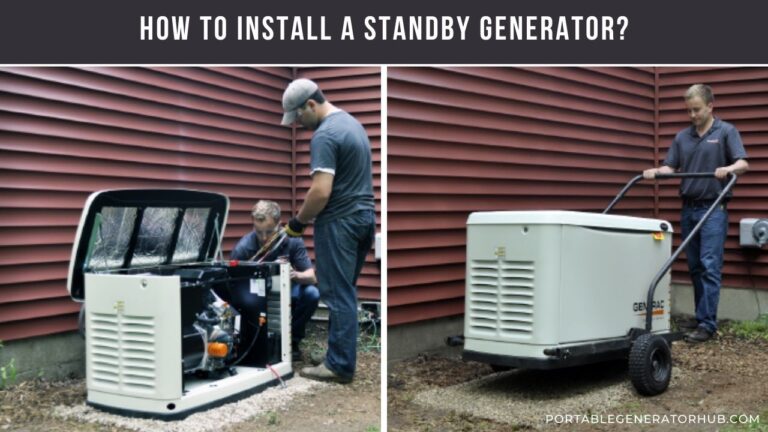
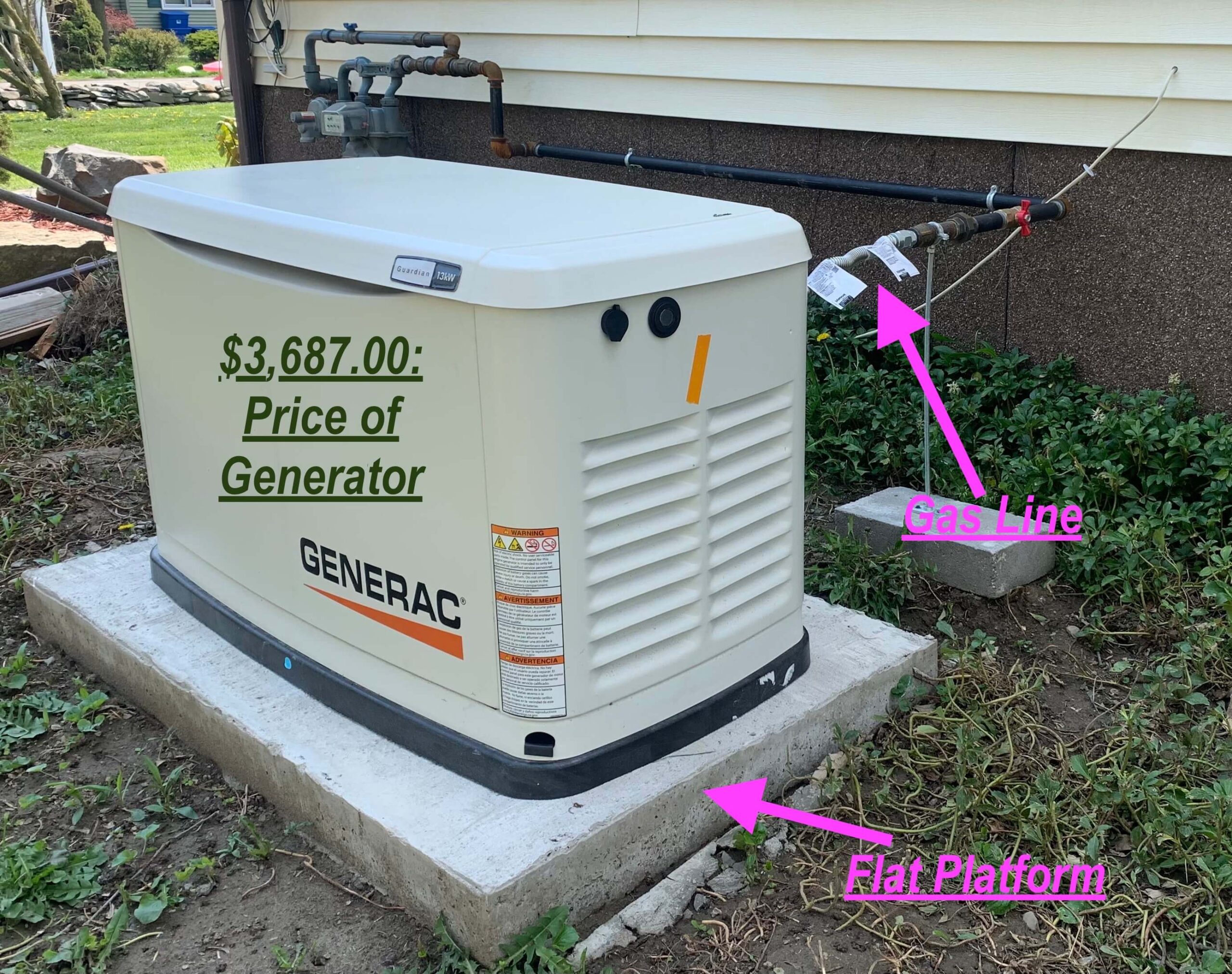
- Site Preparation: Preparing the installation site involves creating a level, stable surface for the generator. This may require pouring a concrete pad or using a pre-fabricated generator pad.
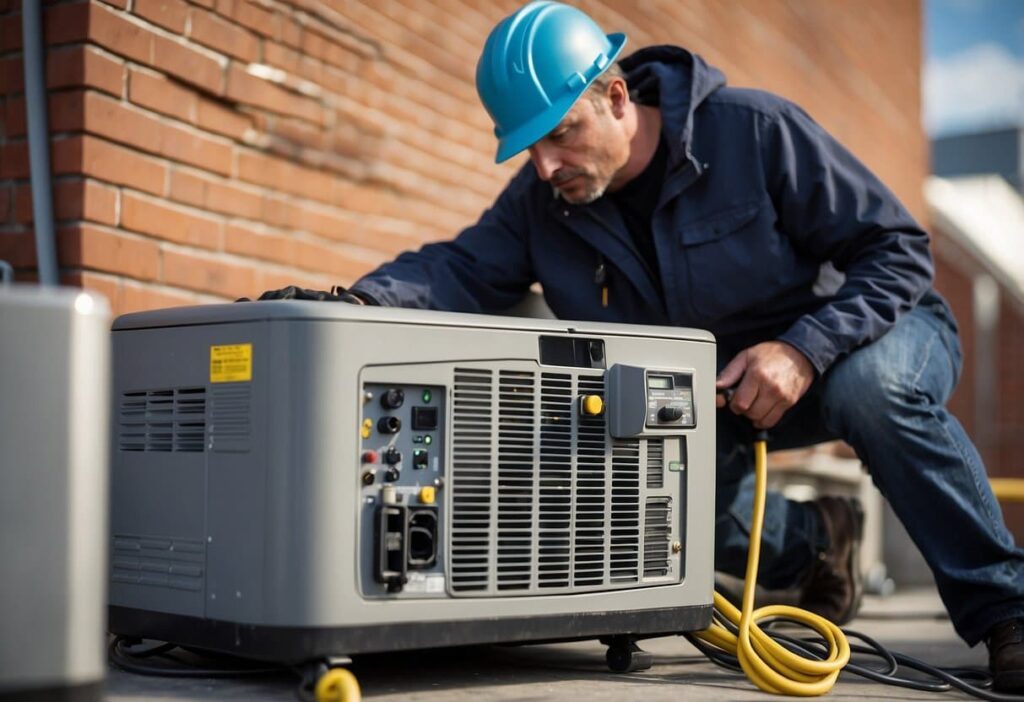
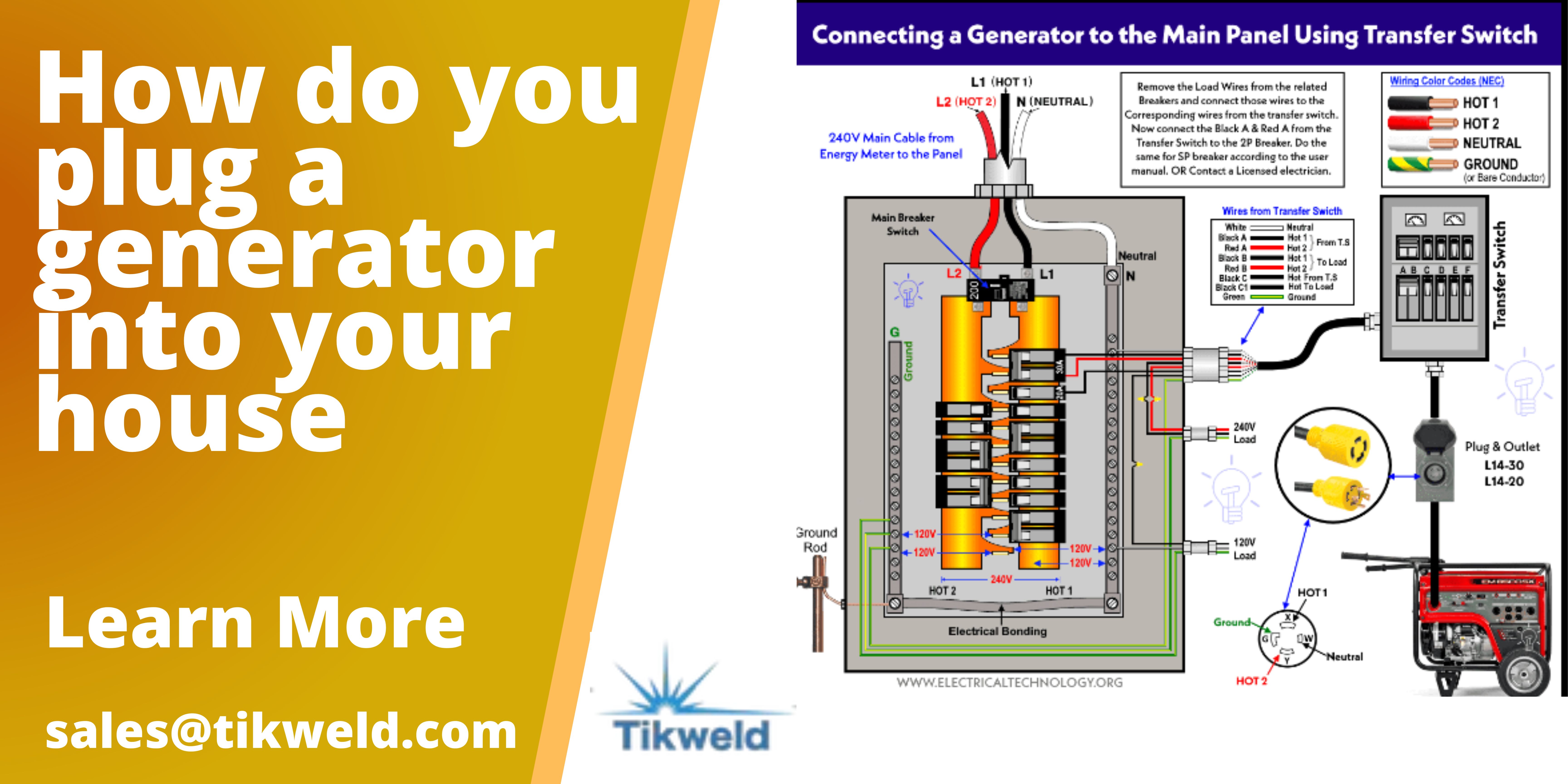
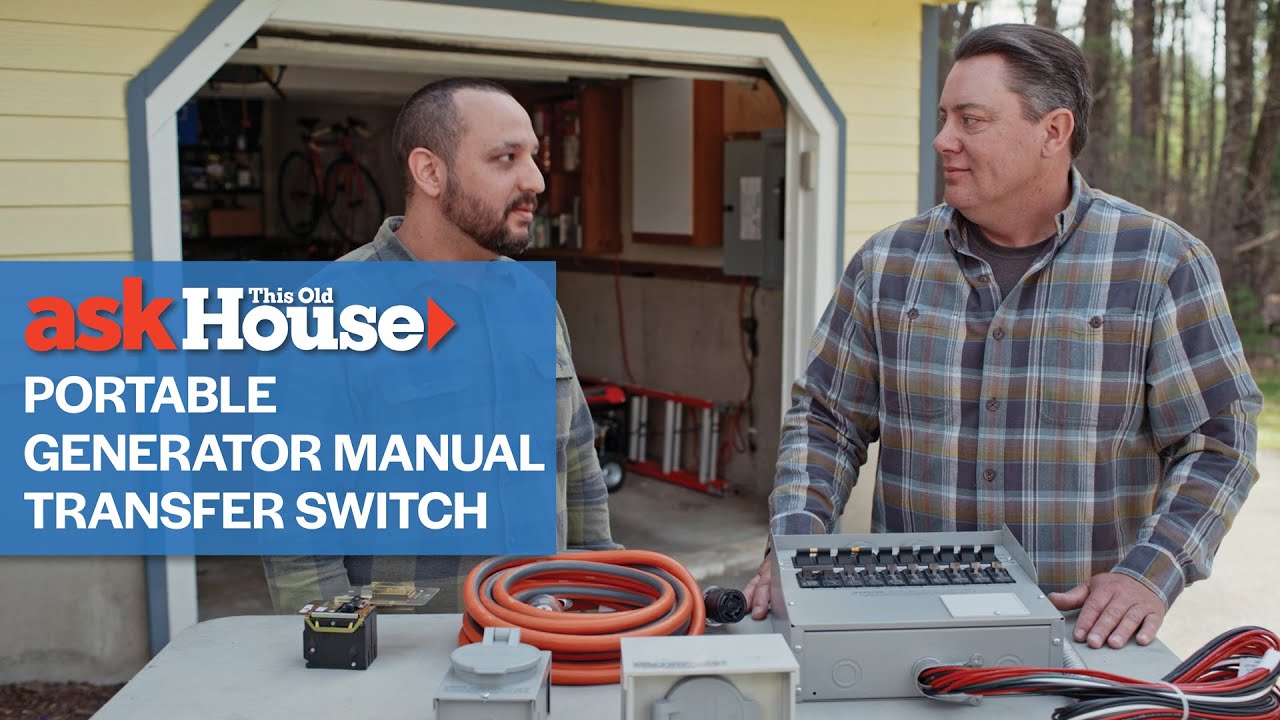
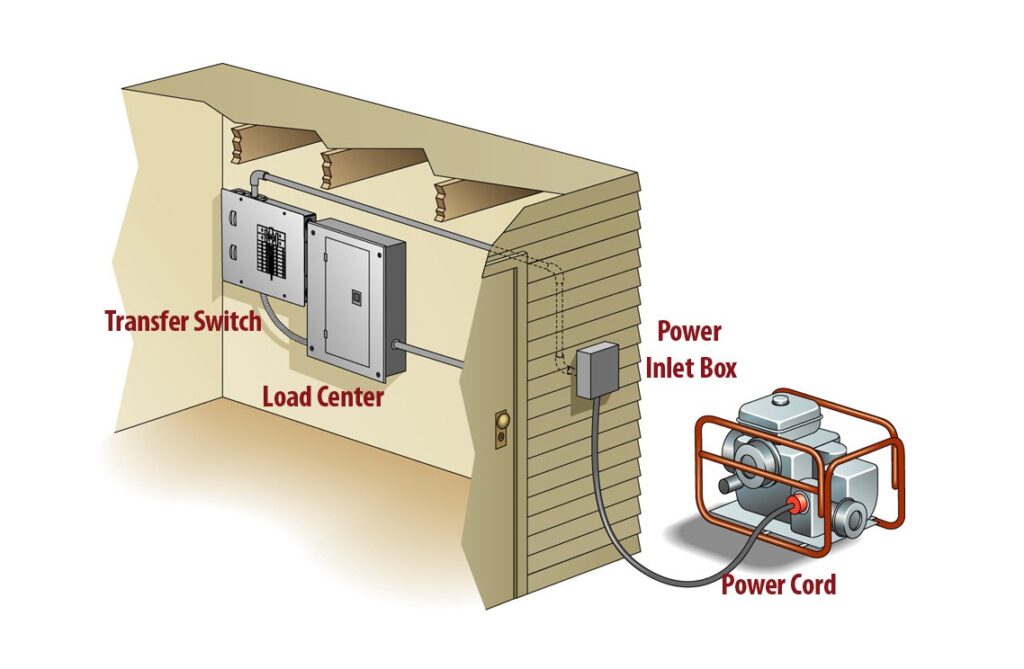
- Electrical Connections: This is where expertise in electrical wiring is essential. A transfer switch is installed to isolate the generator from the utility grid, preventing backfeeding and ensuring safety for utility workers. The generator is then wired to the transfer switch and the main electrical panel. Backfeeding is a very dangerous situation.
- Fuel Source Connection: Depending on the type of generator, a connection to a natural gas line, propane tank, or diesel fuel tank is required. This involves installing fuel lines, regulators, and safety shut-off valves. Proper fuel connections are critical for safe and efficient operation.
- Exhaust System Installation: Generators produce exhaust fumes that must be vented safely away from buildings. This requires installing an exhaust pipe that meets local code requirements.
- Testing and Commissioning: After the installation is complete, the generator must be thoroughly tested to ensure it operates correctly and provides the required power. This includes verifying voltage, frequency, and load capacity.
- Customer Training: Finally, the customer needs to be trained on how to operate and maintain the generator, including starting and stopping procedures, troubleshooting common issues, and scheduling regular maintenance.
Essential Skills and Certifications
Successful generator installation requires a combination of technical skills, problem-solving abilities, and a commitment to safety. Here are some key skills and certifications that can enhance your career prospects:
- Electrical Wiring: A strong understanding of electrical principles, wiring techniques, and the National Electrical Code (NEC) is essential.
- Plumbing: Connecting fuel lines and installing exhaust systems requires basic plumbing skills.
- Mechanical Aptitude: Troubleshooting and repairing generator components requires mechanical aptitude and familiarity with engine mechanics.
- Problem-Solving: Generator installations often present unique challenges, requiring creative problem-solving skills to find the best solution.
- Customer Service: Interacting with customers, explaining technical concepts, and providing training requires excellent communication and customer service skills.
Relevant Certifications:
- EPA 608 Certification: While primarily associated with refrigerant handling in HVAC systems, the EPA 608 certification demonstrates a commitment to environmental responsibility and safe handling of regulated substances, which is relevant when dealing with generator fuels and emissions.
- NATE (North American Technician Excellence): Although NATE doesn't offer a specific generator installation certification, obtaining NATE certification in related areas like electrical or HVAC systems demonstrates a high level of technical competence.
- EGSA (Electrical Generating Systems Association) Certified Technician: This is a specialized certification specifically for generator technicians, covering installation, maintenance, and repair of electrical generating systems. It's highly valued by employers.
- Manufacturer-Specific Training: Many generator manufacturers offer training programs that provide in-depth knowledge of their products and installation procedures. These certifications can be highly beneficial for technicians working with specific generator brands.
- Journeyman Electrician or Master Electrician License: A valid electrician's license is often required to perform electrical work related to generator installation, depending on local regulations.
Career Paths and Salary Expectations
Generator installation opens doors to a variety of career paths, including:
- HVAC Technician: Many HVAC technicians expand their skill set to include generator installation, offering customers a comprehensive solution for their heating, cooling, and backup power needs.
- Electrician: Electricians are well-positioned to specialize in generator installation due to their expertise in electrical wiring and systems.
- Generator Technician: This is a specialized role focused specifically on the installation, maintenance, and repair of generators.
- Service Manager: With experience and leadership skills, technicians can advance to service manager roles, overseeing teams of installers and technicians.
- Business Owner: Ambitious technicians can start their own generator installation and service companies.
Salary expectations for generator installers vary depending on experience, location, and certifications. According to the U.S. Bureau of Labor Statistics, the median annual wage for HVAC mechanics and installers was $59,620 in May 2023. Electricians earned a median annual wage of $64,890 in May 2023. Experienced generator technicians with specialized certifications and strong customer service skills can earn significantly more. Indeed.com reports that the average salary for a generator technician in the United States is around $55,000 per year, but this can range from $40,000 to $75,000+ depending on experience and location.
Real-World Example: Consider Sarah, an HVAC apprentice. Recognizing the growing demand for generators in her region, she pursued additional training in electrical wiring and generator installation. After completing her apprenticeship and obtaining her EPA 608 certification, she started specializing in generator installations. Within a few years, she became a lead installer and is now considering starting her own business. Sarah's story highlights the opportunities available to those who proactively develop their skills and embrace new technologies.
Challenges and Considerations
Generator installation is not without its challenges. Technicians must be prepared to work in various weather conditions, handle heavy equipment, and adhere to strict safety regulations. Staying up-to-date with the latest technologies and industry best practices is also crucial. Additionally, dealing with customer concerns and managing expectations requires strong interpersonal skills.
Tips for Employers
For employers in the HVAC and electrical industries, investing in training and development programs for generator installation can be a strategic move. Look for candidates with relevant certifications, strong technical skills, and a proven track record of safety. Offer competitive compensation and benefits packages to attract and retain top talent. Emphasize safety in the workplace and provide ongoing training on new technologies and regulations. Consider partnerships with local trade schools and apprenticeship programs to build a pipeline of skilled workers.
The Future of Generator Installation
The future of generator installation is likely to be shaped by several key trends, including:
- Smart Generators: Integrating smart technology into generators will enable remote monitoring, automated maintenance, and improved energy efficiency.
- Alternative Fuel Sources: As environmental concerns grow, there will be increased demand for generators powered by alternative fuel sources, such as natural gas, propane, and renewable energy.
- Grid Integration: Generators will play an increasingly important role in grid stabilization and microgrid applications.
- Battery Storage: Hybrid systems combining generators with battery storage will become more common, providing longer run times and reduced emissions.
By staying informed about these trends and investing in the necessary skills and certifications, you can position yourself for success in the dynamic and growing field of generator installation. The demand for skilled professionals is high, and the opportunities for career advancement are significant.
In conclusion, mastering generator installation is a valuable investment for HVAC students, experienced technicians, and employers alike. By understanding the process, acquiring the necessary skills and certifications, and staying abreast of industry trends, you can power up your career and contribute to a more reliable and sustainable energy future. Remember to always prioritize safety, adhere to local codes, and provide excellent customer service. The future of backup power is bright, and skilled generator installers will be in high demand for years to come.