How Do You Measure The Diameter Of A Pipe

Understanding Pipe Diameter for HVAC Success
When dealing with HVAC systems, accurately measuring pipe diameter is crucial. Whether you're a homeowner replacing an old unit, a real estate investor assessing a property, or a contractor advising a client, knowing the right size ensures optimal performance and prevents costly errors. This guide will walk you through the different methods for measuring pipe diameter, common mistakes to avoid, and why it matters for your HVAC system’s efficiency.
Why Accurate Pipe Measurement Matters
Incorrectly sized pipes can lead to several problems, impacting system efficiency and longevity. These issues include:
- Reduced Airflow: Undersized pipes restrict airflow, forcing the HVAC unit to work harder, increasing energy consumption, and potentially causing premature failure.
- Inefficient Heating and Cooling: Properly sized pipes ensure even distribution of heated or cooled air throughout the building.
- Increased Noise: Restrictive pipes can cause whistling or banging noises as air struggles to pass through.
- Equipment Damage: Overworking the system can lead to compressor burnout and other expensive repairs.
Methods for Measuring Pipe Diameter
There are several methods you can use to determine the diameter of a pipe. Here are the most common and reliable techniques:
1. Using a Flexible Measuring Tape
This is the simplest method, especially for pipes that are easily accessible.
- Wrap the Tape: Wrap the flexible measuring tape around the circumference of the pipe. Ensure the tape is snug but not too tight.
- Record the Circumference: Note the measurement where the tape overlaps. This is the circumference.
- Calculate the Diameter: Divide the circumference by π (pi), which is approximately 3.14159. The formula is: Diameter = Circumference / π.
Example: If the circumference is 15.7 inches, the diameter is 15.7 / 3.14159 ≈ 5 inches.
2. Using a Caliper
A caliper is a more precise tool for measuring the outside diameter of a pipe. There are two main types: digital and manual.
- Open the Caliper: Adjust the caliper jaws to be wider than the pipe.
- Position the Pipe: Place the pipe between the jaws of the caliper.
- Close the Jaws: Gently close the jaws until they make contact with the outer surface of the pipe.
- Read the Measurement: Read the diameter directly from the caliper's scale (for manual calipers) or the digital display.
Calipers provide more accurate readings, especially for smaller diameter pipes.
3. Using a Pi Tape
A Pi Tape is a specialized measuring tape designed specifically for determining the diameter of round objects. It directly displays the diameter without needing to calculate from the circumference.
- Wrap the Pi Tape: Wrap the Pi Tape around the circumference of the pipe, ensuring it's snug and flat against the surface.
- Read the Diameter: The tape directly displays the diameter measurement.
Pi Tapes are particularly useful for measuring large diameter pipes in industrial settings.
4. Using a Ruler or Standard Measuring Tape
While less precise, a ruler or standard measuring tape can be used for a quick estimate if other tools aren't available.
- Position the Ruler: Place the ruler across the widest point of the pipe.
- Read the Measurement: Estimate the diameter by reading the distance across the pipe.
This method is less accurate and should only be used as a last resort.
5. Measuring the Inner Diameter
In some cases, you might need to know the inner diameter. This is harder to measure directly without specialized tools. Here are two approaches:
- For accessible pipe ends: Use an inside caliper. These calipers have jaws that expand to touch the inside walls.
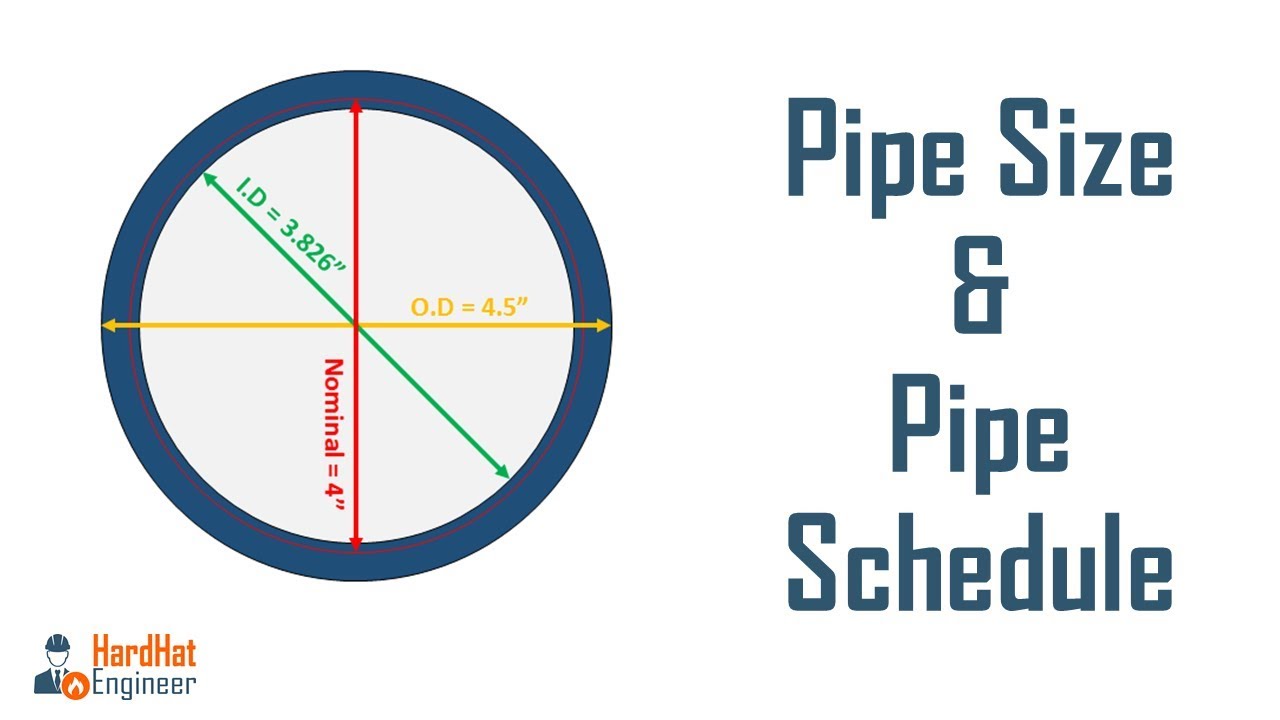
- Indirectly: Measure the outer diameter with one of the methods above. Then, measure the wall thickness. Subtract twice the wall thickness from the outer diameter to get the inner diameter: Inner Diameter = Outer Diameter - 2 * Wall Thickness.
Common Mistakes to Avoid
Accurate measurement is crucial, so avoid these common pitfalls:
- Measuring Over Obstructions: Ensure the tape or caliper is measuring the bare pipe surface, not over paint, rust, or other obstructions.
- Using a Sagging Tape: Keep the measuring tape taut and level to avoid inaccurate readings.
- Over-Tightening the Tape: Applying too much pressure can distort the pipe and affect the measurement.
- Misreading the Scale: Double-check the units and ensure you're reading the correct scale on the measuring tool.
The Importance of Pipe Material
The material of the pipe can affect its outer diameter and how you should measure it. Common HVAC pipe materials include:
- Copper: Used for refrigerant lines, known for its durability and heat transfer properties.
- PVC: Commonly used for condensate drain lines.
- CPVC: A type of PVC that can handle higher temperatures, sometimes used for hot water lines.
- Steel: Used in older heating systems for steam and hot water.
Always consider the material when choosing measuring tools and techniques. For instance, using excessive force on a brittle PVC pipe could cause it to crack.
Connecting Pipe Measurement to HVAC Systems
Understanding pipe diameter is essential when selecting or upgrading your HVAC system. Here's how it relates to system components:
Refrigerant Lines
Refrigerant lines connect the outdoor condenser unit to the indoor evaporator coil. The diameter of these lines is critical for proper refrigerant flow. Incorrectly sized refrigerant lines can significantly reduce the SEER (Seasonal Energy Efficiency Ratio) of your air conditioner and the HSPF (Heating Seasonal Performance Factor) of your heat pump.
Ductwork
Ductwork distributes heated or cooled air throughout the building. Proper duct sizing ensures balanced airflow to each room. Consult the Air Conditioning Contractors of America (ACCA) guidelines for recommended duct sizes based on the size and layout of your home.
Condensate Drain Lines
Condensate drain lines remove moisture produced by the air conditioning system. These lines must be properly sized to prevent clogs and water damage.
HVAC Brands and Models: A Quick Look
When choosing an HVAC system, consider brands like Carrier, Trane, Lennox, and Rheem. These brands offer a range of models with different AFUE (Annual Fuel Utilization Efficiency) ratings for furnaces and SEER/HSPF ratings for air conditioners and heat pumps.
Example: A Trane XV20i variable-speed air conditioner boasts a SEER rating of up to 20, while a Carrier Infinity 98 furnace can achieve an AFUE rating of up to 98.5%.
Ensure that the selected system is compatible with your existing or planned ductwork and refrigerant lines. A professional HVAC contractor can assess your needs and recommend the appropriate system size and configuration.
Warranties and Maintenance
HVAC systems typically come with warranties covering parts and labor. Carefully review the warranty terms and conditions before making a purchase. Regular maintenance, including filter changes and professional inspections, can extend the lifespan of your system and maintain its efficiency.
Tip: Keep records of all maintenance activities to validate warranty claims if needed.
Conclusion
Accurately measuring pipe diameter is a fundamental aspect of HVAC system installation and maintenance. By using the appropriate tools and techniques, avoiding common mistakes, and understanding the relationship between pipe size and system performance, you can ensure optimal efficiency, reduce energy costs, and prolong the life of your HVAC equipment. Whether you're a homeowner, real estate investor, or contractor, this knowledge is essential for making informed decisions and achieving successful HVAC outcomes.