How Do You Put A Filter In A Furnace
One of the most common household frustrations is a malfunctioning furnace. Imagine waking up on a chilly morning, only to find your home is still cold. While a completely broken furnace necessitates a professional's touch, often the problem is something simple, like a dirty or missing air filter. This article focuses on how to properly replace your furnace filter, a vital maintenance task that can improve efficiency and prevent more serious issues.
Troubleshooting a Cold House: Starting with the Furnace Filter
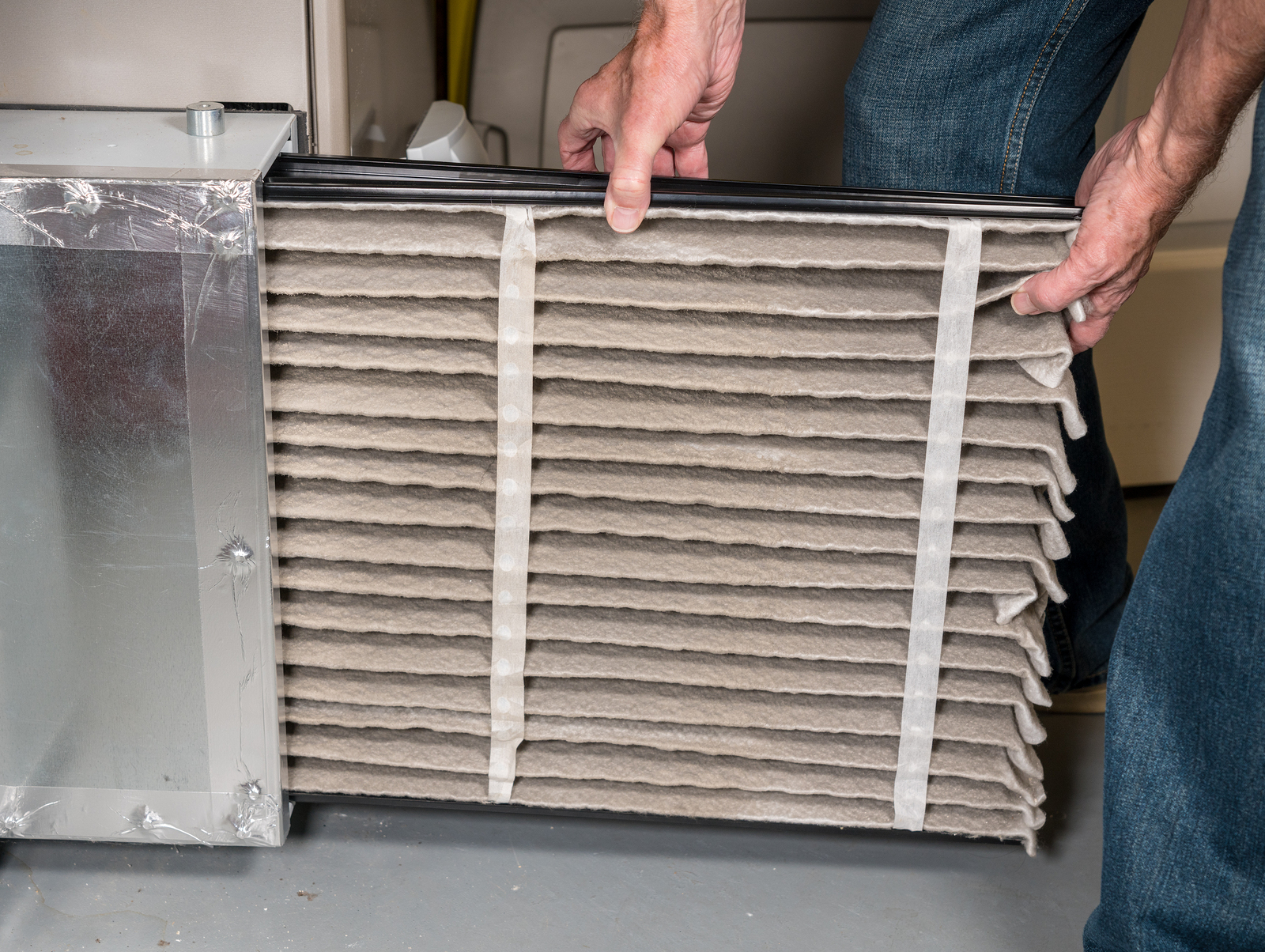
Before calling a repair technician, let's explore the possibility of a clogged or missing air filter. A dirty filter restricts airflow, forcing your furnace to work harder, which can lead to overheating, reduced efficiency, and even component failure. Sometimes, the problem can even be a lack of filter. A missing filter allows dust and debris to enter the furnace, causing all sorts of problems.
Step 1: Safety First – Turn Off the Power
Never work on your furnace without disconnecting the power. This prevents accidental electrical shock. Locate the circuit breaker that controls your furnace and switch it to the "OFF" position. Double-check that the furnace is indeed off before proceeding.
Step 2: Locate Your Furnace Filter
The filter location varies depending on the type of furnace. Here are the most common spots:
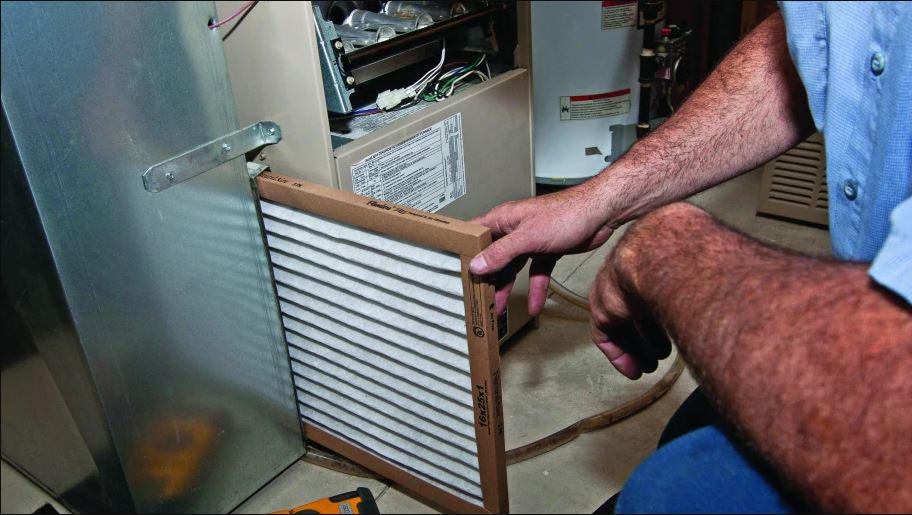
- In a slot on the side of the furnace: This is a very common location. Look for a rectangular slot, often with a handle or release mechanism.
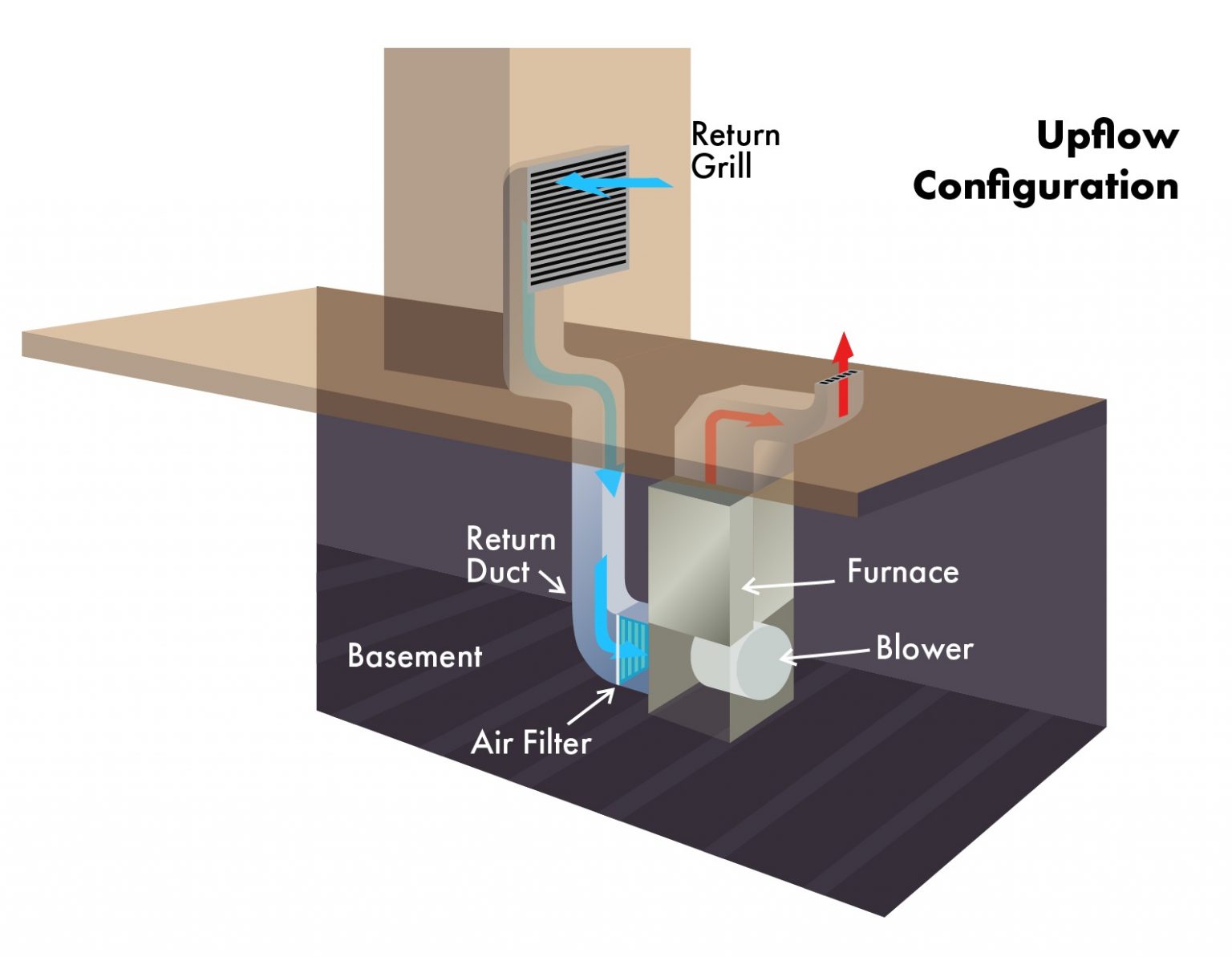
- Behind a return air grille: Sometimes, the filter is located behind a large grille on a wall or ceiling, where air is drawn into the system.
- Inside the blower compartment: Less common, but the filter might be accessible by removing a panel on the blower compartment. Be careful, as this area can contain electrical components.
If you're unsure, consult your furnace's owner's manual. It should contain diagrams and specific instructions for filter replacement.
Step 3: Remove the Old Filter (If There Is One!)
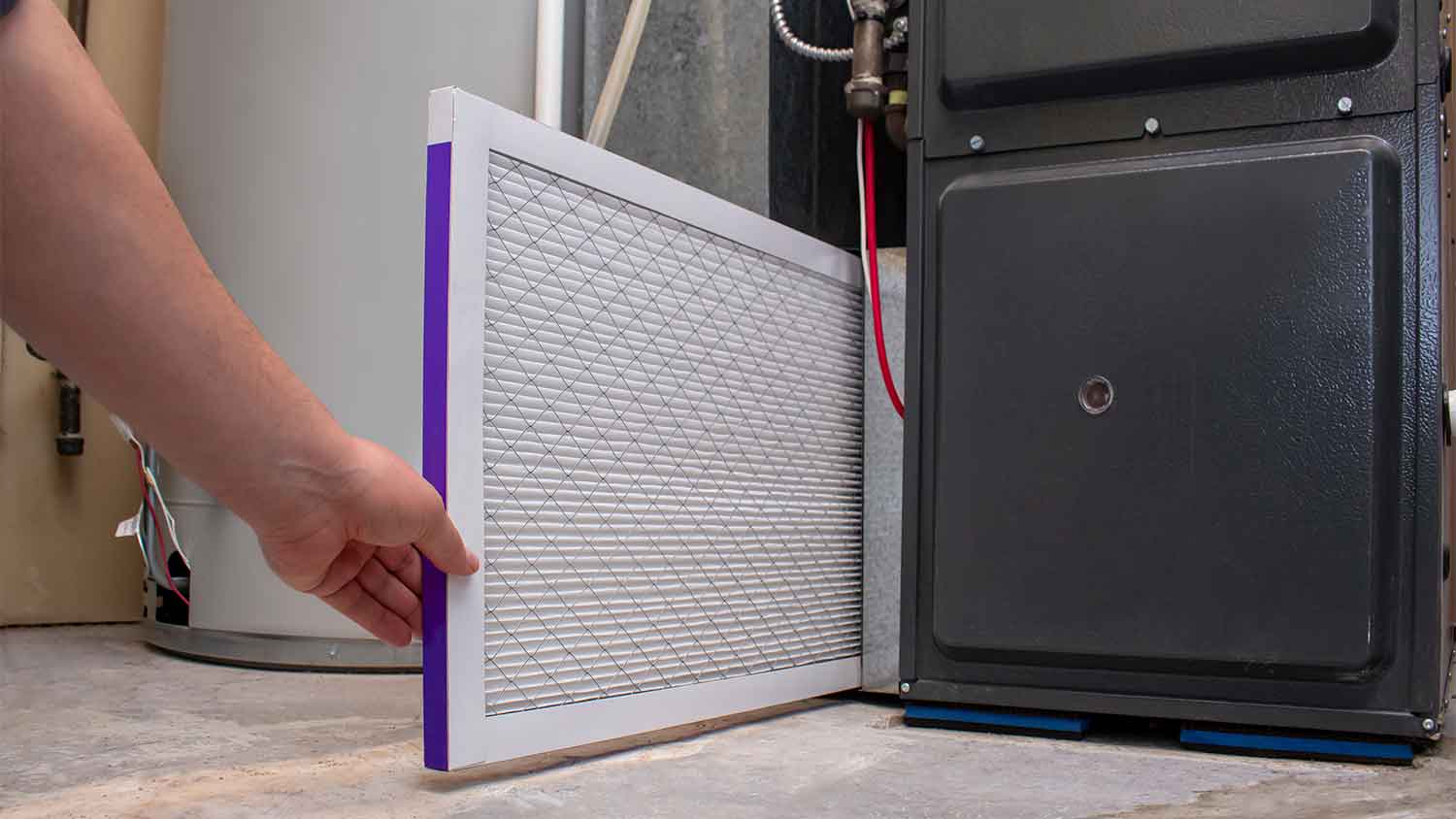
Carefully remove the old filter. Pay attention to the direction of airflow marked on the filter frame (usually an arrow). This is crucial for installing the new filter correctly. Note: If there is no filter, that's your problem! Proceed to Step 5.
Dispose of the old filter properly. They can be quite dirty and harbor dust, allergens, and other contaminants. Seal it in a plastic bag before throwing it away.
Step 4: Inspect the Filter Slot/Housing
Take a moment to inspect the filter slot or housing. Use a vacuum cleaner with a brush attachment to remove any accumulated dust and debris. This helps ensure a clean environment for the new filter and improves overall airflow.
Step 5: Identify the Correct Filter Size
The correct filter size is crucial for proper furnace operation. The size is usually printed on the frame of the old filter. If you don't have an old filter, measure the dimensions of the filter slot (length, width, and depth) and purchase a filter that matches those measurements. Do not guess on the size. An improperly sized filter can allow air to bypass it, rendering it ineffective.
Furnace filters come in various sizes. Common sizes include:
- 16x20x1 inches
- 20x20x1 inches
- 16x25x1 inches
- 20x25x1 inches
- 12x12x1 inches
- (And many others!)
Step 6: Choose the Right Filter Type
Filters come in different materials and MERV (Minimum Efficiency Reporting Value) ratings. MERV ratings indicate the filter's ability to capture particles. Higher MERV ratings mean better filtration, but they can also restrict airflow more. Here's a general guideline:
- Fiberglass filters: These are the least expensive and offer the lowest level of filtration. They're suitable for basic dust removal.
- Pleated filters: These are more effective than fiberglass filters and offer better filtration of dust, pollen, and pet dander. They're a good general-purpose choice.
- HEPA filters: These filters offer the highest level of filtration, removing even very small particles like bacteria and viruses. They're often recommended for people with allergies or asthma. However, they can significantly restrict airflow and may not be suitable for all furnaces.
For most homes, a pleated filter with a MERV rating of 8-11 is a good balance between filtration and airflow. Always consult your furnace's owner's manual for recommended filter types and MERV ratings. Using a filter that's too restrictive can damage your furnace.
Step 7: Install the New Filter
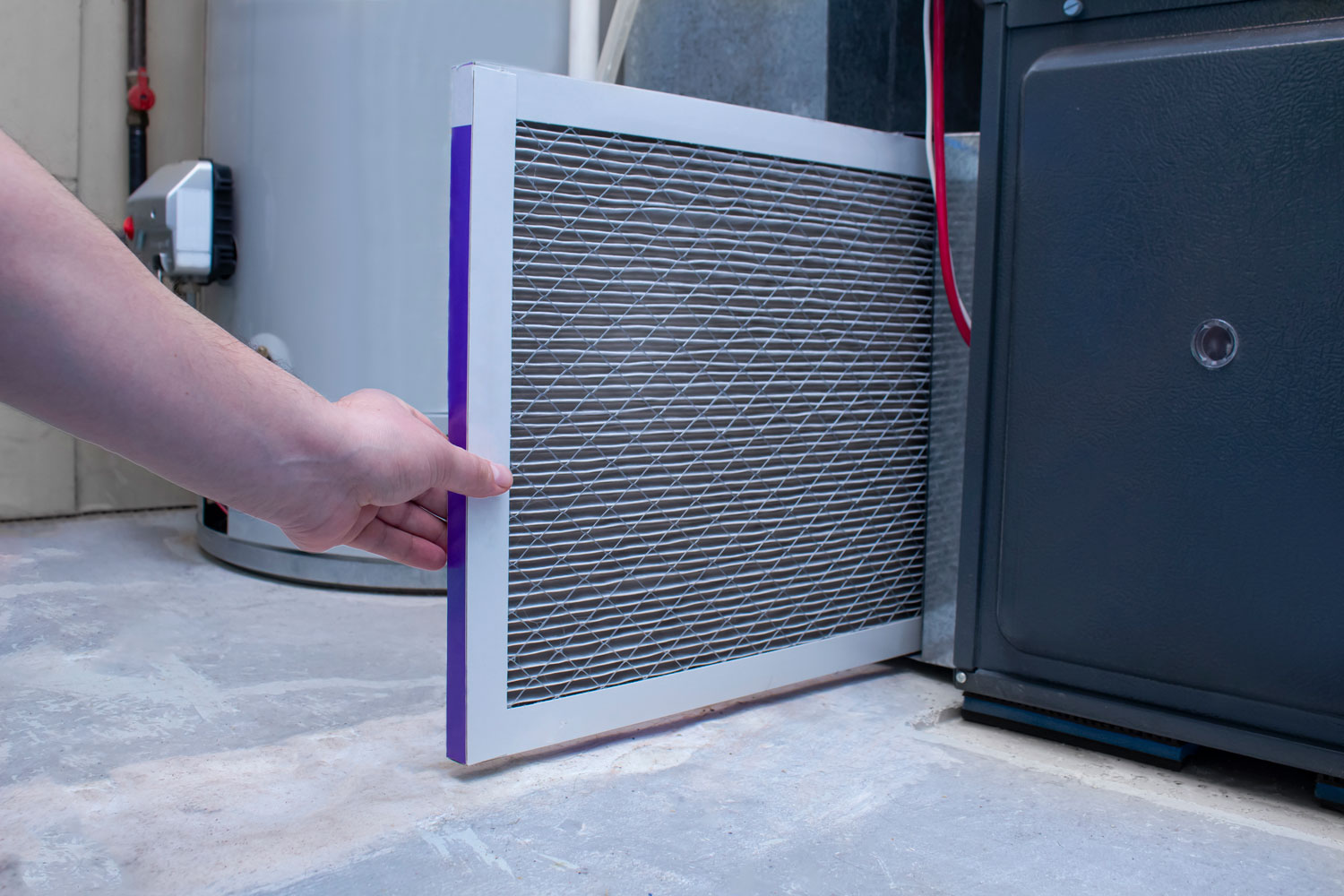
Carefully insert the new filter into the slot, making sure the airflow arrow on the filter frame points in the correct direction. The arrow should point towards the blower motor, indicating the direction of airflow. For example, if your filter is in the return air duct, the arrow will point towards the furnace.
If the filter doesn't slide in easily, do not force it. Double-check the filter size and orientation. Forcing it can damage the filter and the filter housing.
Step 8: Secure the Filter Access Panel/Grille
Once the filter is in place, reattach the filter access panel or grille. Make sure it's securely fastened to prevent air leaks.
Step 9: Restore Power to the Furnace
Return to the circuit breaker and switch it back to the "ON" position.
Step 10: Test the Furnace
Turn on your thermostat and set it to a temperature higher than the current room temperature. Observe the furnace to ensure it starts up and begins heating. Listen for any unusual noises or smells. If everything seems normal, congratulations! You've successfully replaced your furnace filter.
When to Call a Professional
While replacing a furnace filter is a simple DIY task, there are situations where you should always call a qualified HVAC technician:
- You smell gas: If you smell gas near your furnace, immediately turn off the gas supply (usually a valve located near the furnace) and call your gas company or a qualified HVAC technician. Do not attempt to troubleshoot the issue yourself.
- You see smoke or flames: If you see smoke or flames coming from your furnace, turn off the power and gas supply and call the fire department.
- The furnace is making loud or unusual noises: Grinding, squealing, or banging noises can indicate serious mechanical problems.
- The furnace isn't turning on, even after replacing the filter: This could indicate a more complex electrical or mechanical issue.
- You're not comfortable working with electricity or gas: Safety should always be your top priority. If you're unsure about any aspect of the repair, call a professional.
- Your furnace is under warranty: Attempting to repair the furnace yourself could void the warranty.
Additional Tips for Furnace Maintenance
- Change your furnace filter regularly: Depending on the type of filter and the air quality in your home, you should change your filter every 1-3 months. Check the filter monthly to determine when it needs to be replaced.
- Schedule annual furnace maintenance: A qualified HVAC technician can inspect and clean your furnace, identify potential problems, and ensure it's operating safely and efficiently.
- Keep the area around your furnace clear: Do not store flammable materials near your furnace.
- Consider installing a carbon monoxide detector: Carbon monoxide is a colorless, odorless gas that can be deadly. A carbon monoxide detector can alert you to dangerous levels of CO in your home.
Checking Other Potential Issues Before Calling a Pro
Even with a clean filter, your furnace might still not be functioning correctly. Before calling a professional, check these other potential issues:
- Thermostat Settings: Ensure your thermostat is set to "Heat" and the temperature is set higher than the current room temperature. Check the thermostat batteries; a low battery can cause malfunctions.
- Pilot Light (for older furnaces): If you have an older furnace with a pilot light, check if the pilot light is lit. If it's not, relight it according to the manufacturer's instructions. However, if you smell gas, do not attempt to relight the pilot light. Call a professional immediately.
- Circuit Breaker: Double-check the circuit breaker for your furnace to ensure it hasn't tripped. If it has, reset it. If it trips again immediately, it could indicate a short circuit, and you should call an electrician.
- Gas Valve: Ensure the gas valve near the furnace is open. It's usually a lever or handle that should be parallel to the gas pipe.
Replacing your furnace filter is a simple but important task that can improve your furnace's efficiency and prevent more serious problems. By following these steps, you can keep your home warm and comfortable all winter long. Remember, safety is always the top priority. When in doubt, call a qualified HVAC technician.