How Does A Backflow Preventer Work
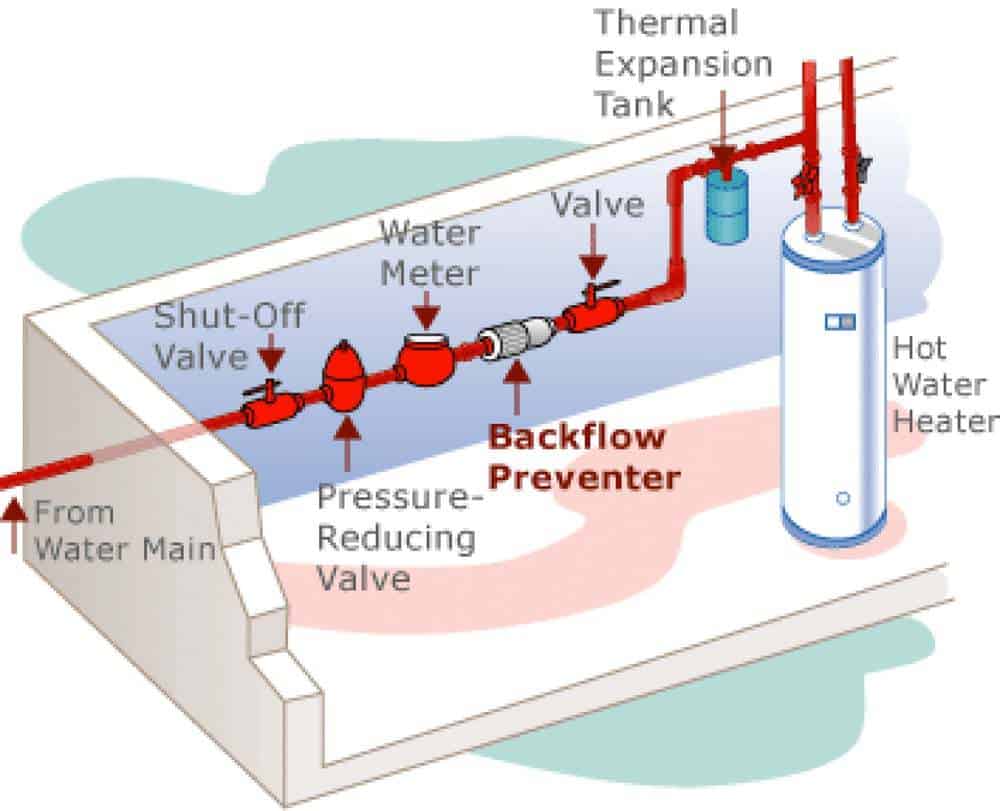
Backflow preventers are crucial components in any plumbing or HVAC system that connects to a potable (drinkable) water supply. They safeguard our drinking water from contamination by preventing polluted water from flowing backward into the clean water supply. This article provides a comprehensive overview of how backflow preventers work, their different types, applications, maintenance, and relevance to HVAC systems.
Understanding Backflow and its Risks
Before diving into the mechanics of a backflow preventer, it's essential to understand the phenomenon of backflow itself. Backflow occurs when the normal direction of water flow in a plumbing system reverses. This reversal can happen due to two primary reasons:
- Backpressure: This happens when the pressure in the downstream (contaminated) side of the system exceeds the pressure in the upstream (clean water) side. Imagine a tall building where the water pressure on the upper floors is low. If a pump connected to the building's fire suppression system significantly increases the pressure in that system, it could push contaminated water back into the potable water supply lines.
- Backsiphonage: This occurs when a vacuum or negative pressure develops in the upstream (clean water) side of the system. This vacuum sucks contaminated water backward. A common example is a water main break. When the main loses pressure, it can siphon water (and potentially contaminants) from connected systems like irrigation systems or even a toilet bowl, back into the drinking water pipes.
The risks associated with backflow are significant. Contaminated water can carry bacteria, viruses, chemicals, and other harmful substances, posing a serious threat to public health. Properly functioning backflow preventers are, therefore, vital for protecting the integrity of our drinking water.
How a Backflow Preventer Works: The Basics
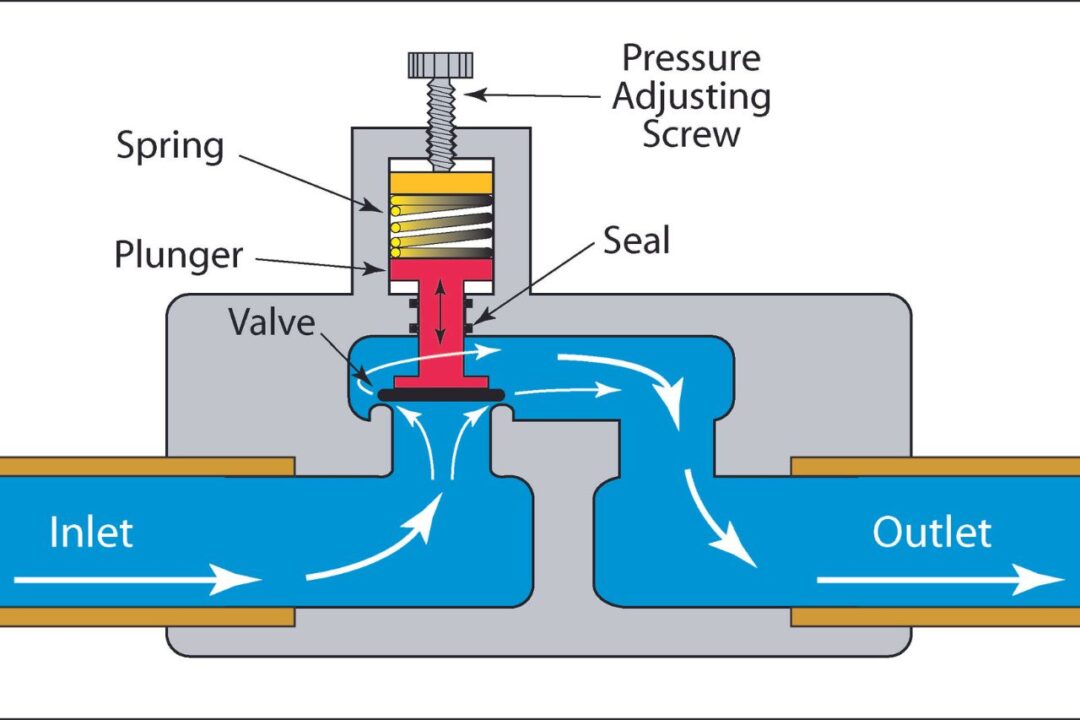
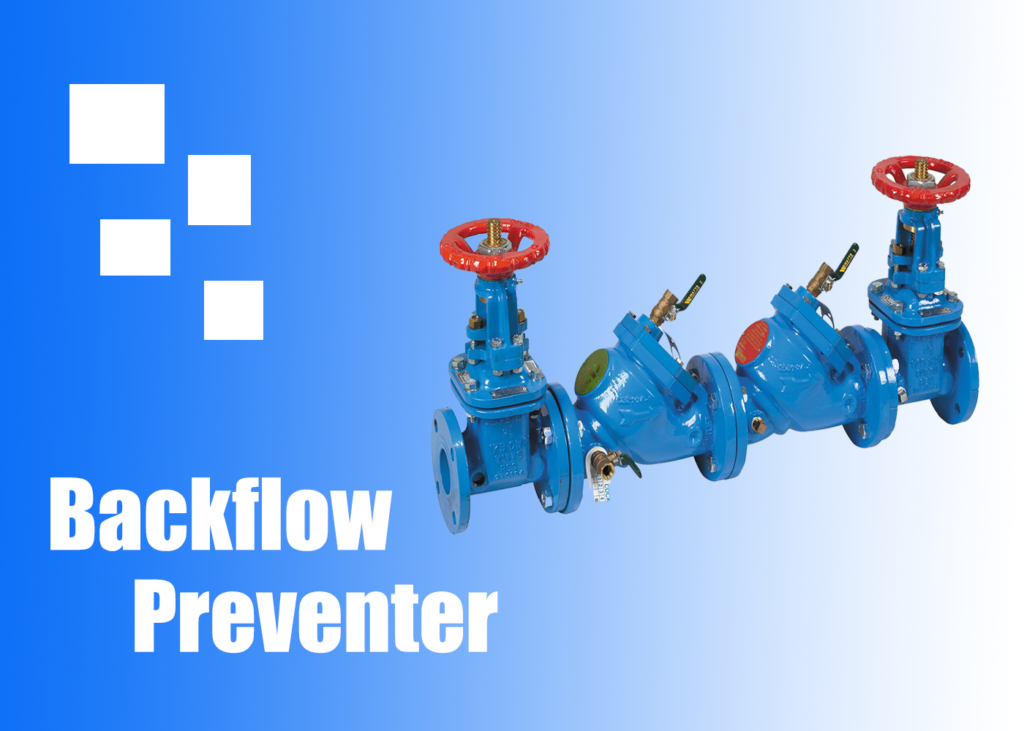
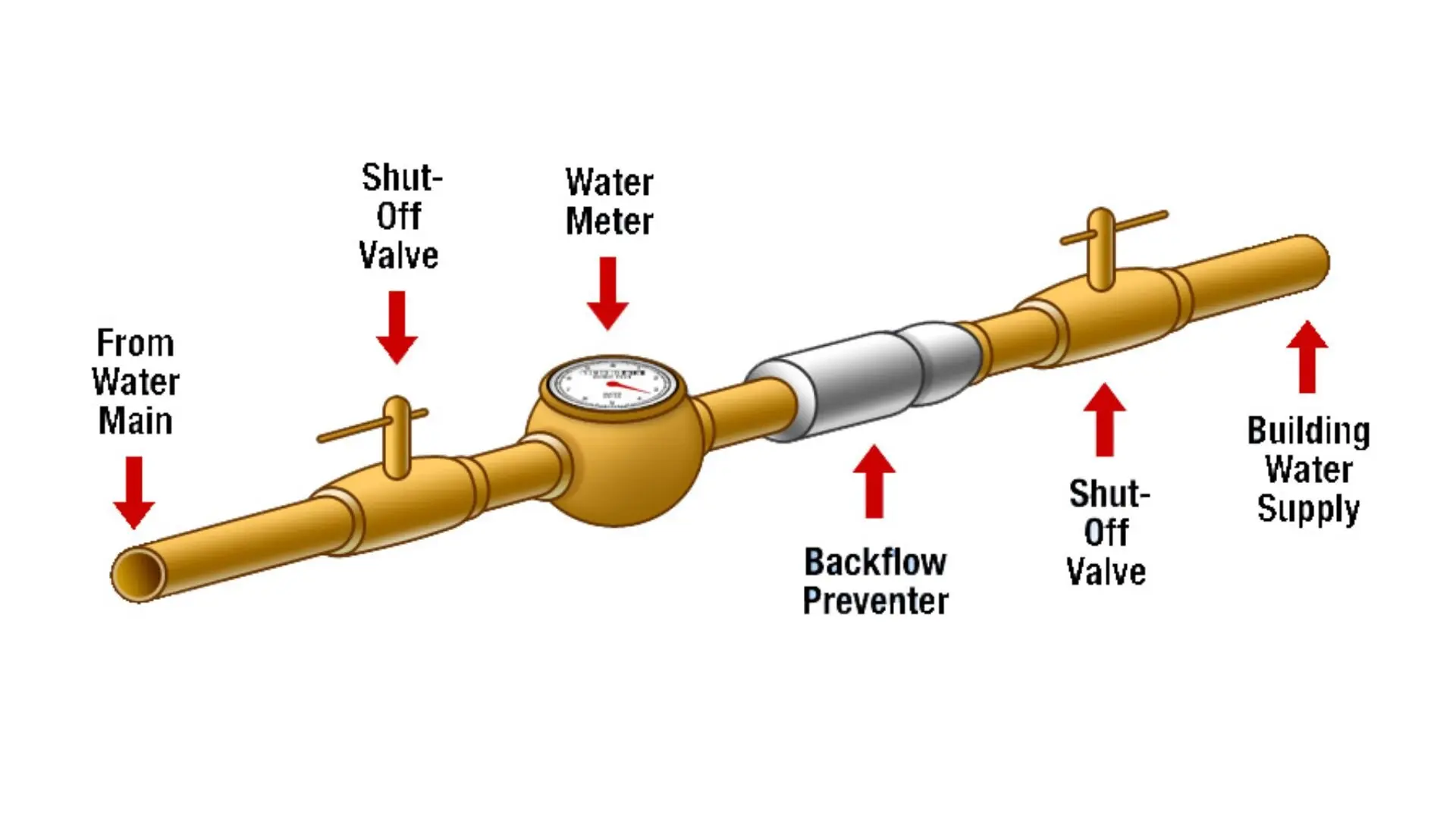
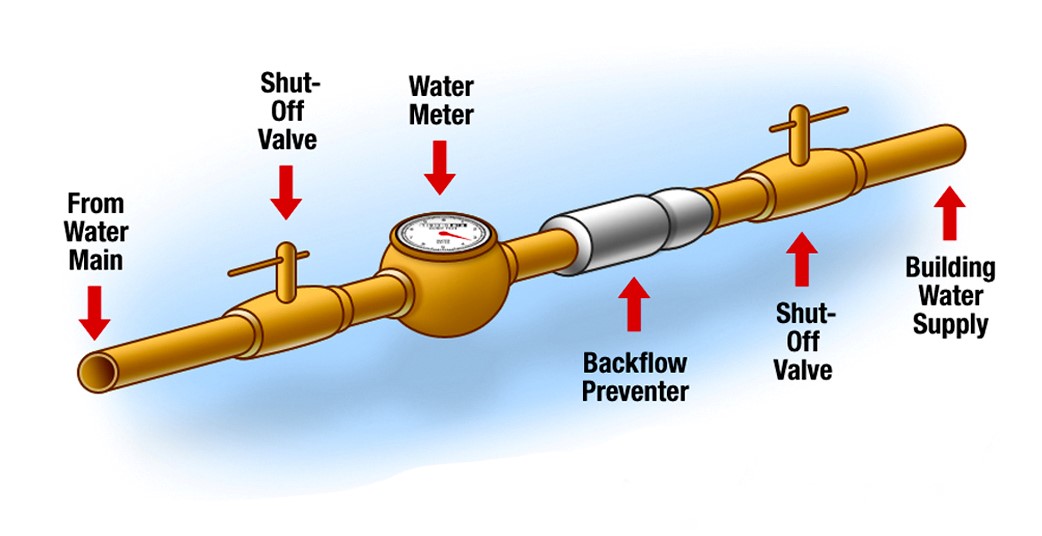
A backflow preventer is essentially a one-way valve, or a series of valves, designed to allow water to flow in only one direction. When the flow is in the correct direction (from the water supply to the intended destination, like a faucet or an HVAC system), the valve(s) remain open, allowing water to pass through unimpeded. However, if the flow attempts to reverse due to backpressure or backsiphonage, the valve(s) immediately close, preventing the backflow of contaminated water.
Most backflow preventers rely on pressure differentials to operate. They are engineered to react to changes in pressure and automatically shut off the flow when an abnormal pressure condition is detected. This mechanism is entirely mechanical, ensuring reliable operation even during power outages.
Types of Backflow Preventers
Several types of backflow preventers are available, each designed for specific applications and levels of hazard. Here's an overview of the most common types:
Reduced Pressure Zone (RPZ) Backflow Preventer
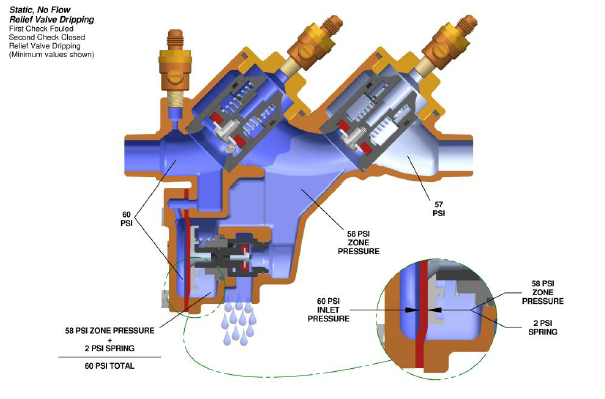
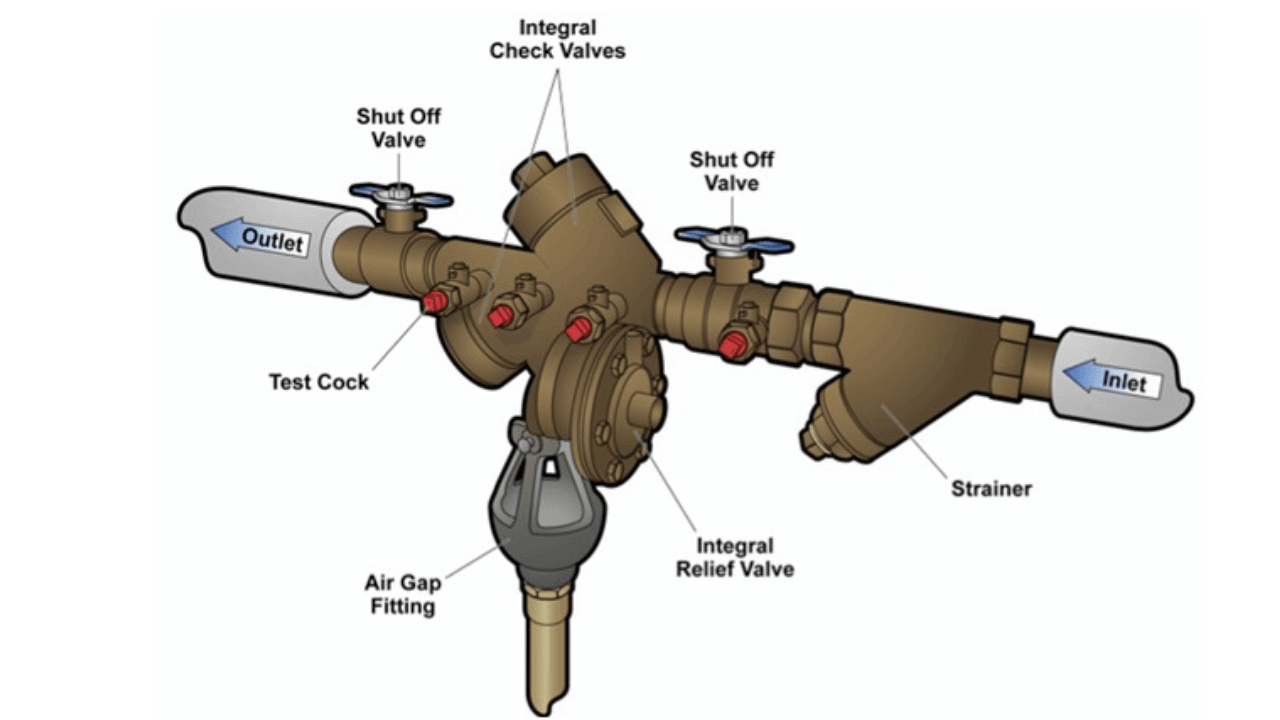
The RPZ is considered the highest level of protection and is used in situations where there is a high potential for contamination. It consists of two independently operating check valves and a pressure-regulated zone located between them. This zone is maintained at a pressure lower than the supply pressure. If either check valve fails or backpressure occurs, the reduced pressure zone ensures that contaminated water is discharged to the atmosphere through a relief valve, preventing it from entering the potable water supply.
RPZ valves are commonly used in applications such as:
- Irrigation systems
- Fire sprinkler systems with chemical additives
- Hospitals and medical facilities
- Food processing plants
Due to their complexity and higher cost, RPZ valves require periodic testing and certification by qualified professionals.
Double Check Valve Assembly (DCVA)
The DCVA consists of two independently operating check valves housed within a single body. It provides a reliable level of protection against backpressure and backsiphonage but is typically used in situations where the potential for contamination is considered moderate. Unlike the RPZ, the DCVA does not have a relief valve to discharge contaminated water. Therefore, it is crucial that both check valves function properly.
DCVAs are often used for:
- Commercial buildings
- Apartment complexes
- Restaurants
- Fire sprinkler systems without chemical additives
Like RPZ valves, DCVAs also require periodic testing and certification.
Pressure Vacuum Breaker (PVB)
The PVB is designed to prevent backsiphonage only. It incorporates an air inlet valve that opens when a vacuum occurs, allowing air to enter the system and break the siphon. PVBs are typically installed above the highest point of the piping system they are protecting and are not suitable for applications where backpressure is a concern.
PVBs are commonly used for:
- Irrigation systems
- Swimming pools
- Hose bibs
PVBs need to be installed in a vertical position and are subject to freezing in colder climates.
Atmospheric Vacuum Breaker (AVB)
The AVB is the simplest and least expensive type of backflow preventer. It is designed for low-hazard applications and prevents backsiphonage only. An AVB consists of a simple air vent that opens to atmosphere when the water pressure drops, breaking the siphon. It must be installed at least six inches above the highest point of the piping system it protects and is not suitable for continuous pressure applications.
AVBs are commonly used for:
- Hose connections
- Laboratory faucets
- Dishwashers
Like PVBs, AVBs are susceptible to freezing and cannot be used under continuous pressure.
Backflow Preventers in HVAC Systems
Backflow preventers are essential components in many HVAC systems, particularly those that use water for heating or cooling. Examples include:
- Boiler systems: Backflow preventers protect the potable water supply from contamination from boiler water, which can contain chemicals and other contaminants.
- Chilled water systems: Similar to boiler systems, backflow preventers prevent contaminated chilled water from flowing back into the drinking water supply.
- Cooling towers: Cooling towers use evaporative cooling, which can concentrate contaminants in the circulating water. Backflow preventers protect the make-up water supply from contamination.
- Hydronic heating systems: These systems use water or a water/glycol mixture to distribute heat. Backflow preventers are necessary to prevent this potentially contaminated fluid from entering the potable water system.
The type of backflow preventer required for an HVAC system depends on the specific application and the level of hazard. An RPZ is typically recommended for systems with a high potential for contamination, while a DCVA may be sufficient for systems with a lower risk. Consulting with a qualified plumbing or HVAC professional is crucial to determine the appropriate backflow preventer for your specific system.
Maintenance and Testing
Regular maintenance and testing are essential for ensuring the proper functioning of backflow preventers. Most jurisdictions require annual testing by a certified backflow preventer tester. During the test, the tester will check the valve's ability to prevent backflow and verify that it meets all applicable standards.
In addition to annual testing, it is important to visually inspect backflow preventers periodically for signs of damage or corrosion. Any leaks or other problems should be addressed promptly by a qualified professional.
Cost Considerations
The cost of a backflow preventer varies depending on the type, size, and manufacturer. AVBs are the least expensive, while RPZs are the most expensive. Installation costs can also vary depending on the complexity of the installation and local labor rates. Annual testing and maintenance costs should also be factored into the overall cost of ownership.
While the initial cost of a backflow preventer may seem significant, it is a small price to pay for protecting the health and safety of our drinking water. Furthermore, many jurisdictions require backflow preventers, and failure to comply can result in fines and other penalties.
Conclusion
Backflow preventers are essential devices that protect our potable water supply from contamination. Understanding how they work, the different types available, and the importance of regular maintenance and testing is crucial for homeowners, HVAC technicians, and facility managers alike. By ensuring that backflow preventers are properly installed, maintained, and tested, we can safeguard the health and safety of our communities and protect the integrity of our drinking water.