How Does A Backflow Valve Work

In the quest for a greener home and lower energy bills, it's easy to overlook seemingly small components of your plumbing and HVAC systems. However, understanding how these components function can unlock significant energy savings and prevent costly damage. One such unassuming hero is the backflow valve. Let's dive into how backflow valves work, their crucial role in energy efficiency, and how they can be integrated into smart home systems for enhanced performance.
What is Backflow and Why Does it Matter?
Before understanding the backflow valve, it’s essential to define backflow itself. Backflow is the undesirable reversal of water flow in a piping system. Ideally, water should only flow in one direction – from the municipal water supply or well into your home or business. However, several situations can cause water to flow backward. These include:
- Back-siphonage: This occurs when a drop in water pressure in the supply line creates a vacuum, pulling water backward through connected pipes. Imagine your neighbor's fire hydrant being opened suddenly, causing a pressure drop in your system.
- Back-pressure: This happens when pressure downstream of your plumbing system is higher than the supply pressure. For instance, if you have a well pump with a higher pressure than the municipal supply, back-pressure can occur.
Why is backflow a concern? The main issue is contamination. Backflow can introduce pollutants and contaminants from your home or business into the potable water supply, potentially affecting your health and that of your community. Backflow can also damage sensitive appliances, waste energy and water, and result in high water bills.
How Does a Backflow Valve Work? The Technical Deep Dive
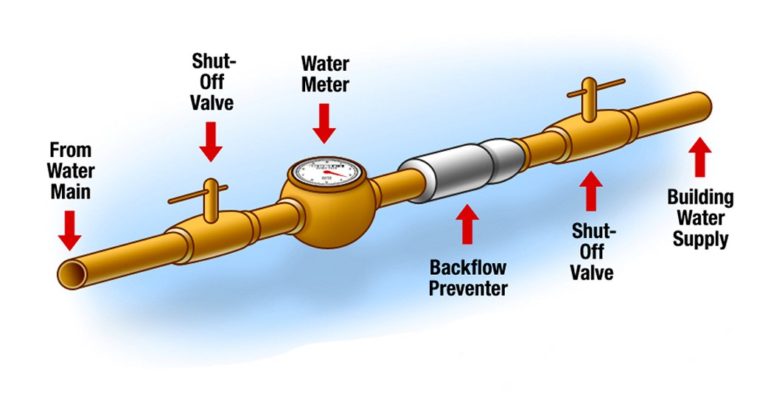
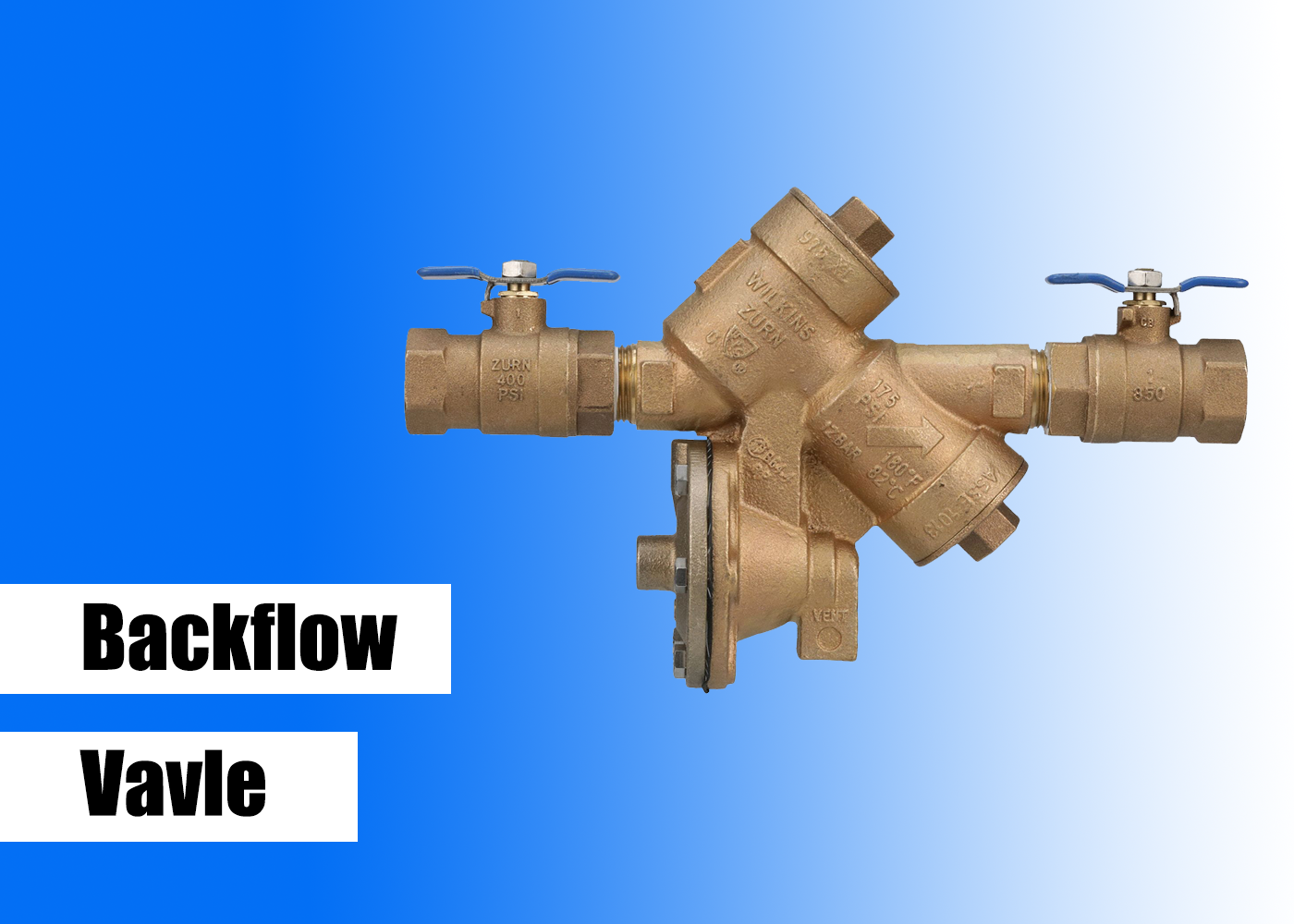
A backflow valve, also known as a backflow preventer, is a mechanical device designed to prevent this reverse flow. While different types of backflow valves exist, the basic principle remains the same: to allow water flow in one direction only and to automatically stop or prevent flow in the opposite direction.
The most common type of backflow valve in residential settings is the check valve. Here's how it works:
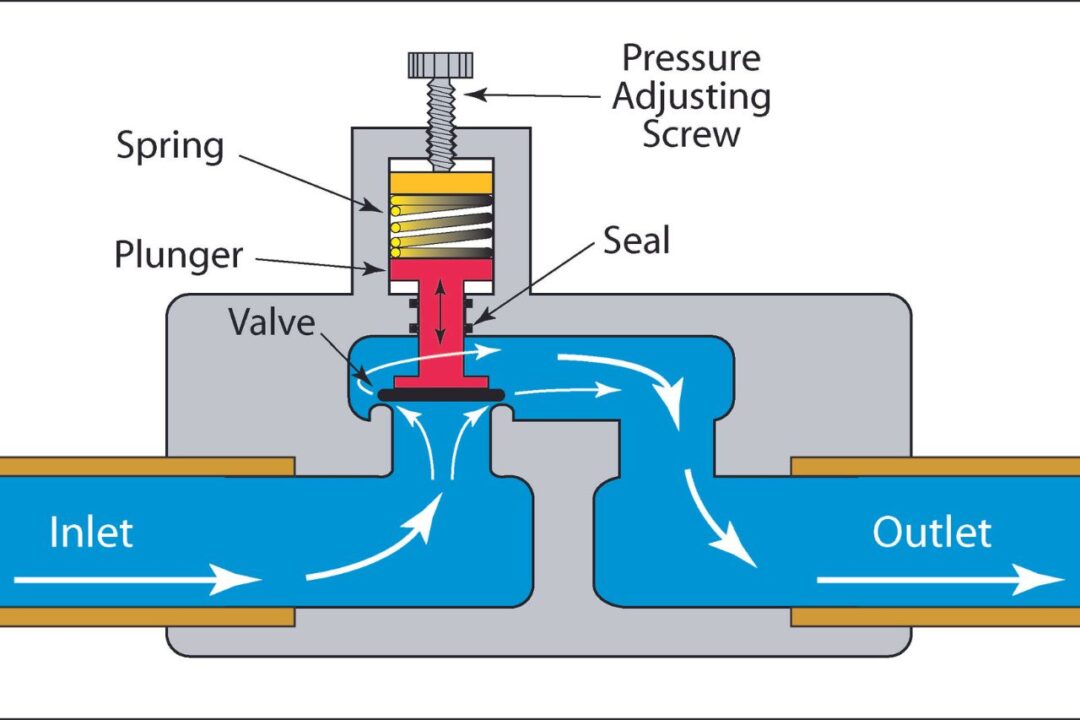
- The Flapper or Disc: The core of a check valve is a hinged flapper or a spring-loaded disc. This component sits inside the valve body, blocking the flow path.
- Forward Flow: When water flows in the intended direction, the pressure pushes the flapper open or compresses the spring, allowing water to pass through.
- Reverse Flow: If the flow reverses, the back pressure pushes the flapper closed or forces the disc against the valve seat, creating a tight seal and preventing backflow. The tighter the seal, the more effective the valve is at preventing backflow.
For higher-risk applications, such as irrigation systems or commercial settings, more sophisticated backflow preventers are used. These include:
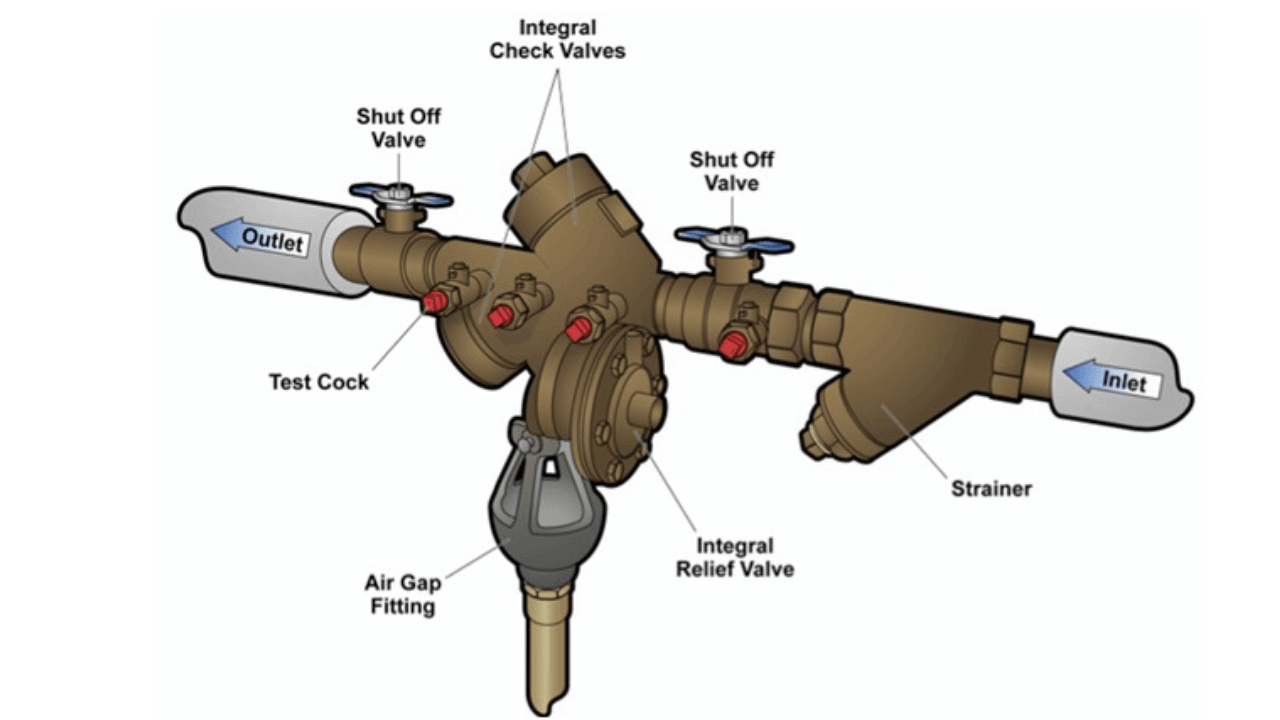
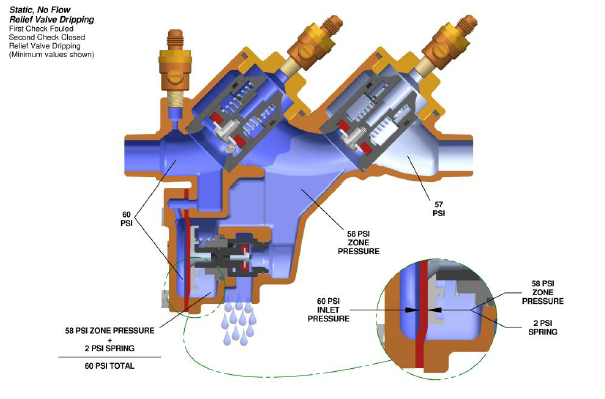
- Reduced Pressure Zone (RPZ) Valves: Considered the highest level of protection, RPZ valves have two independently acting check valves and a pressure-regulated zone between them. If either check valve fails, the pressure in the zone drops, and a relief valve opens to discharge the potentially contaminated water.
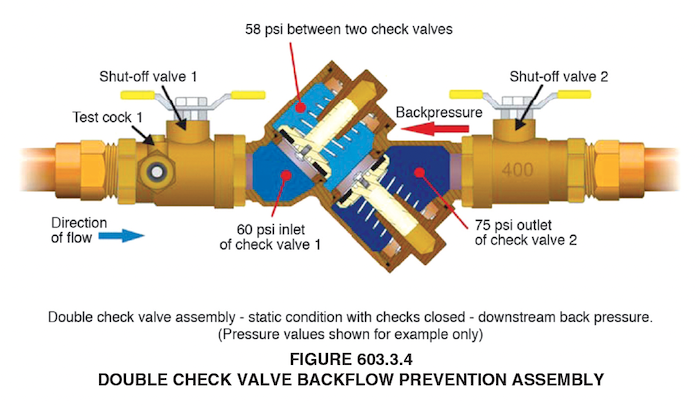
- Double Check Valve Assemblies (DCVA): DCVAs consist of two independently operating check valves. While less effective than RPZ valves, they offer significant protection against backflow in many residential and commercial applications.
Each type of backflow preventer has specific installation and maintenance requirements. Local codes often dictate which type is required for different applications. Consult a licensed plumber or HVAC contractor to ensure you are using the correct device and that it is installed according to code.
Backflow Valves and Energy Efficiency: The Hidden Connection
While backflow valves are primarily installed for safety and water quality, they contribute to energy efficiency in several ways:
- Preventing Water Waste: Backflow can lead to water wastage. A malfunctioning backflow valve may allow treated water to escape back into the supply, causing unnecessary consumption. This is especially important in water-scarce regions.
- Protecting Equipment: Backflow can damage water heaters, boilers, and other appliances by introducing contaminated water or causing pressure fluctuations. A functioning backflow valve extends the lifespan of these appliances, saving you on replacement costs.
- Maintaining Optimal HVAC Performance: In closed-loop HVAC systems, such as those using chilled water or hydronic heating, backflow can disrupt the system's pressure balance, leading to inefficient operation. This can cause the system to work harder to maintain the desired temperature, increasing energy consumption.
Consider a scenario where backflow contaminates the water in a geothermal heat pump system. This contamination could lead to corrosion and reduced heat transfer efficiency, ultimately increasing the system’s energy consumption. A properly functioning backflow valve prevents this scenario and safeguards the system's performance.
Smart Home Integration: Taking Backflow Prevention to the Next Level
Integrating backflow prevention into a smart home system offers enhanced monitoring and control capabilities. Here’s how:
- Smart Sensors: Wireless sensors can be installed near backflow valves to monitor pressure, flow rate, and even water quality. These sensors send real-time data to a central hub, allowing you to detect potential issues early.
- Automated Shut-Off Valves: In the event of a backflow event detected by the sensors, an automated shut-off valve can automatically close the water supply, preventing further contamination or damage. This can be a lifesaver, especially if you are away from home.
- Remote Monitoring and Alerts: Smart home systems provide remote monitoring capabilities via smartphone apps. You can receive alerts if a backflow event is detected, allowing you to take immediate action.
By integrating backflow prevention into a smart home system, you gain greater control over your water usage and system health. This leads to reduced water waste, lower energy bills, and peace of mind.
ROI and Government Incentives
The return on investment (ROI) for installing and maintaining backflow valves comes from several areas. Avoiding fines related to backflow incidents in commercial settings can save considerable expense. Energy savings are harder to quantify, but reducing water waste and protecting equipment can yield substantial long-term benefits.
While there may not be specific Energy Star rebates for backflow valves themselves, energy-efficient appliances that are protected by backflow preventers, such as water heaters and HVAC systems, often qualify for rebates and incentives. Check with your local utility company and state energy office for available programs. Many municipalities offer rebates for installing backflow preventers, particularly for irrigation systems, due to water conservation benefits. You might also be able to deduct the cost of the device on your taxes as a home improvement that makes your home more energy efficient.
Remember that neglecting regular maintenance on these systems can void warranties and create problems.
Choosing the Right Backflow Valve: Key Considerations
Selecting the right backflow valve depends on several factors:
- Application: Determine whether the valve is for residential, commercial, or industrial use. Different applications have different flow rate and pressure requirements.
- Risk Level: Assess the potential for contamination. Higher-risk applications, such as irrigation systems or those connected to industrial processes, require more robust backflow preventers like RPZ valves.
- Size: Choose a valve size that matches the pipe diameter to ensure proper flow and prevent pressure drops.
- Local Codes: Comply with all local plumbing codes and regulations regarding backflow prevention.
- Certification: Select valves that are certified by reputable organizations such as the American Society of Sanitary Engineering (ASSE) or the Foundation for Cross-Connection Control and Hydraulic Research (FCCCHR) at the University of Southern California.
Consult with a qualified plumber or HVAC contractor to ensure you select the appropriate backflow valve for your specific needs.
Maintenance is Key
Backflow valves require regular maintenance to ensure proper function. Neglecting maintenance can lead to valve failure, which could result in backflow and contamination. Here are some maintenance tips:
- Regular Inspections: Have your backflow valve inspected annually by a certified backflow tester. This ensures the valve is functioning correctly and meets local code requirements.
- Testing: Backflow preventers must be tested regularly, usually annually. A certified tester will use specialized equipment to verify that the valve is preventing backflow.
- Cleaning: Periodically clean the valve to remove debris and sediment that can interfere with its operation.
- Repairs: If the valve fails testing or shows signs of damage, have it repaired or replaced promptly.
Keep records of all inspections, testing, and maintenance performed on your backflow valves. This documentation is essential for compliance and helps track the valve's performance over time.
Conclusion
Backflow valves are essential components for protecting water quality, preventing water waste, and enhancing energy efficiency. By understanding how these valves work, selecting the right type for your application, and performing regular maintenance, you can safeguard your home or business, lower your utility bills, and contribute to a more sustainable future. Consider integrating backflow prevention into your smart home system for enhanced monitoring and control, taking your energy-saving efforts to the next level. Investing in backflow prevention is an investment in your health, your property, and the environment.