How Does A Ballcock Valve Work

The humble ballcock valve, often overlooked, is a critical component in maintaining the water level in your toilet tank. While not directly related to heating or cooling, understanding its function is part of a homeowner's general understanding of plumbing systems and can even prevent costly water damage and related HVAC system issues caused by leaks.
The Purpose of a Ballcock Valve
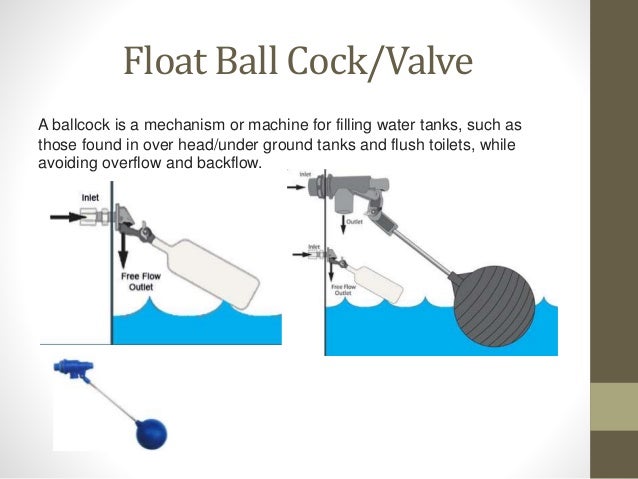
Simply put, the ballcock valve's job is to automatically refill the toilet tank after each flush and then shut off the water supply when the tank reaches its optimal level. It's an ingenious mechanical device that leverages basic physics to achieve this task, ensuring a consistent and reliable toilet operation.
Components of a Ballcock Valve
Let's break down the key components that make up a typical ballcock valve:
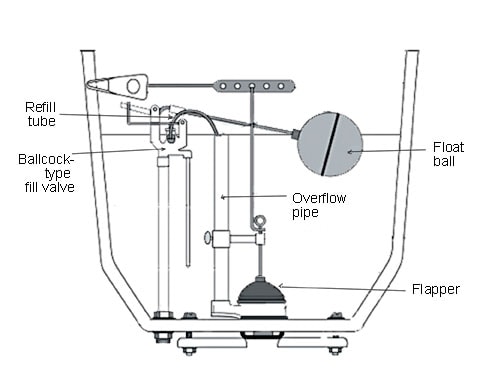
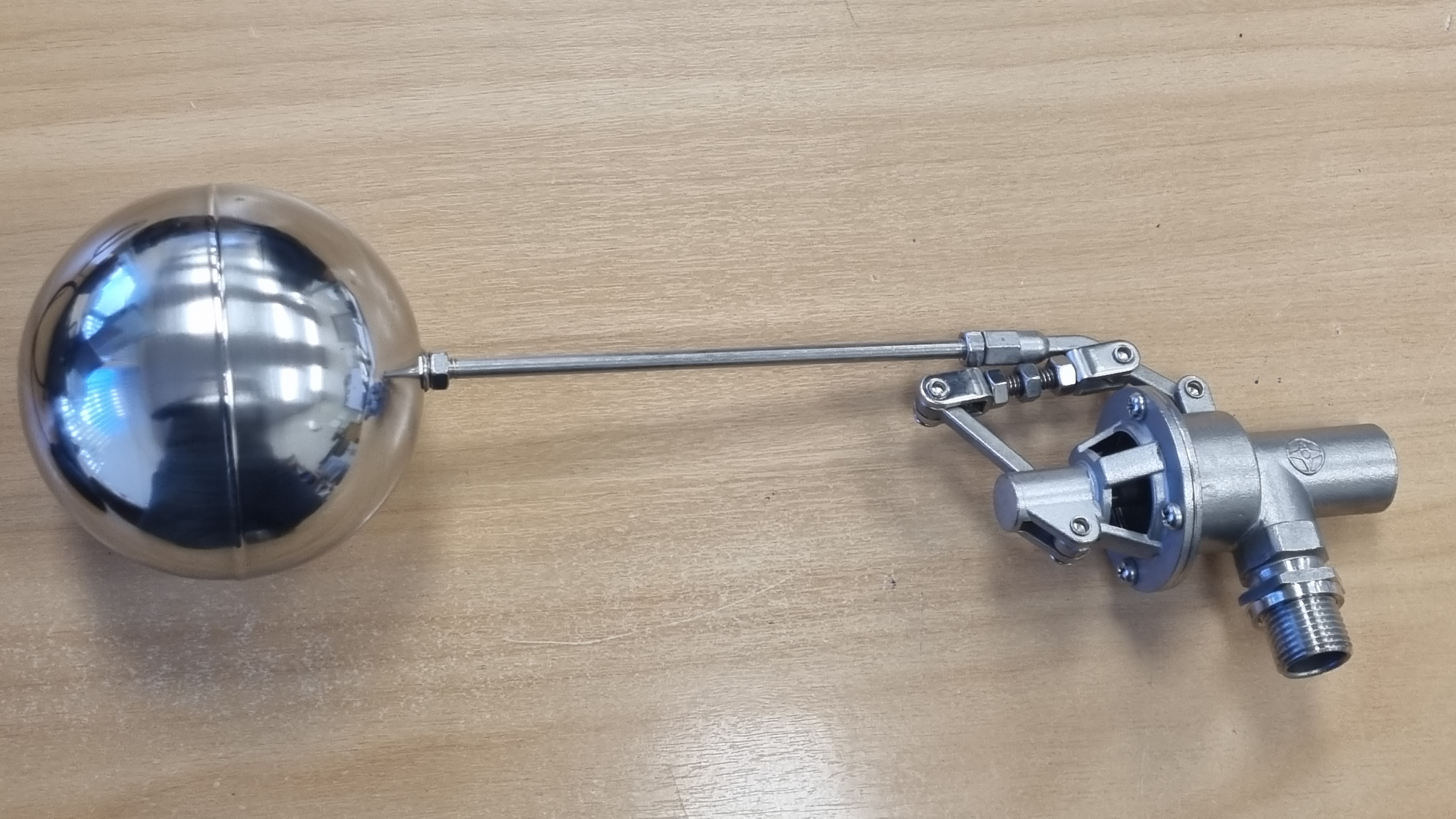
- Float: This is the most recognizable part, usually a hollow plastic or metal ball (hence the name). The float sits on the surface of the water in the tank and rises and falls with the water level.
- Float Arm: This is a lever that connects the float to the valve mechanism. As the float rises, the arm pivots, gradually closing the valve.
- Valve Mechanism: This is the core of the ballcock valve. It controls the flow of water from the water supply line into the tank. The mechanism includes a plunger or diaphragm that seals off the water inlet when the float is in the "full" position.
- Refill Tube: A small tube that directs a small amount of water into the toilet bowl during the tank refill. This helps to maintain the water level in the bowl and prevent sewer gases from entering the bathroom.
- Water Supply Connection: Where the valve connects to the house's water supply line, typically using a flexible supply tube.
How a Ballcock Valve Works: A Step-by-Step Explanation
Here's a detailed explanation of the ballcock valve's operation:
- Flushing: When you flush the toilet, water is released from the tank into the bowl, causing the water level in the tank to drop.
- Float Descent: As the water level decreases, the float also descends.
- Valve Opening: The descending float pulls the float arm down, which in turn opens the valve mechanism. This allows water to flow from the water supply line into the tank.
- Refilling: Water flows through the valve and into the tank, both refilling the tank and sending a small stream of water down the refill tube to replenish the bowl.
- Float Ascent: As the water level rises, the float also rises.
- Valve Closure: The rising float pushes the float arm up, gradually closing the valve mechanism. The higher the float rises, the more the valve is closed.
- Shutoff: When the water level reaches the pre-set level, the float is at its highest position, and the valve mechanism is completely closed, shutting off the water supply.
Types of Ballcock Valves
While the basic principle remains the same, there are several different types of ballcock valves, each with its own design and features. Here are some common types:
- Plunger-Type Ballcock: This is an older design that uses a plunger to control the water flow. They can be prone to wear and tear and are generally less efficient than newer designs.
- Diaphragm-Type Ballcock: This type uses a flexible diaphragm to seal off the water inlet. They are quieter and more reliable than plunger-type valves.
- Float Cup Ballcock (or Fill Valve): This is a more modern design that uses a cylindrical float cup instead of a traditional ball float. They are compact, adjustable, and often quieter than older designs. These are the most common type found in modern toilets.
Troubleshooting Common Ballcock Valve Problems
Ballcock valves can sometimes malfunction, leading to common toilet problems. Here are some troubleshooting tips:
- Toilet Running Constantly: This is often caused by a faulty flapper (the rubber seal at the bottom of the tank), but it can also be due to a ballcock valve that is not closing completely. Check the float arm to ensure it's not bent or obstructed. Clean the valve mechanism to remove any debris that might be preventing it from sealing properly. Sometimes simply adjusting the float higher or lower can solve the problem.
- Toilet Not Filling: This could be due to a kinked or blocked water supply line. Check the valve for debris or mineral buildup. The valve itself might be faulty and need replacement.
- Toilet Filling Slowly: Similar to the "not filling" issue, this can be caused by a partially blocked water supply line or a valve that is partially obstructed.
- Noisy Filling: This can be due to high water pressure. Consider installing a pressure regulator on your main water line. A worn-out valve can also cause noise; replacement may be necessary.
Maintaining Your Ballcock Valve
Regular maintenance can help prolong the life of your ballcock valve and prevent problems. Here are some tips:
- Inspect Regularly: Periodically check the valve for leaks, corrosion, or damage.
- Clean the Valve: Mineral buildup can interfere with the valve's operation. Clean the valve mechanism with a vinegar solution to remove mineral deposits.
- Replace Worn Parts: If you notice any signs of wear or damage, replace the affected parts, such as the float, float arm, or valve mechanism.
The Connection to HVAC Systems
While seemingly unrelated, plumbing problems like a constantly running toilet can indirectly affect your HVAC (Heating, Ventilation, and Air Conditioning) system. Here's how:
- Increased Humidity: A leaky toilet can increase the humidity levels in your home, especially in bathrooms. High humidity makes it harder for your air conditioner to cool your home efficiently, forcing it to work harder and potentially increasing your energy bills. High humidity can also promote mold growth, which can affect indoor air quality and require professional mold remediation, adding further costs.
- Water Damage: A significant toilet leak can cause water damage to floors, walls, and ceilings. This damage can extend beyond the bathroom and affect other areas of your home, potentially impacting ductwork or other HVAC components. The cost of repairing water damage can be substantial and may involve replacing or repairing HVAC systems.
- Increased Water Bill: A constantly running toilet wastes a significant amount of water, leading to a higher water bill. This wasted water also puts a strain on municipal water resources. Addressing plumbing issues promptly can help conserve water and save money.
Addressing plumbing issues, including ballcock valve problems, promptly is crucial for maintaining a comfortable and healthy home environment. By understanding how these seemingly small components work and addressing problems quickly, you can prevent larger issues that could impact your HVAC system and overall home comfort.
When to Call a Professional
While many ballcock valve issues can be resolved with basic troubleshooting and DIY repairs, there are times when it's best to call a qualified plumber or HVAC technician. Consider seeking professional help if:
- You are uncomfortable working with plumbing systems.
- You have tried troubleshooting the problem and are unable to resolve it.
- You suspect a more serious plumbing issue, such as a leak in the water supply line.
- You are unsure of how to properly install or repair a ballcock valve.
By understanding the function of a ballcock valve and taking proactive steps to maintain your plumbing system, you can prevent costly problems and ensure a comfortable and efficient home. Remember, a healthy plumbing system contributes to a healthy home, and a healthy home contributes to the optimal performance of your HVAC system.