How Does A Boiler Heating System Work

Unlocking Energy Savings: A Deep Dive into Boiler Heating Systems
Heating your home or business efficiently is crucial for comfort and your bottom line. While forced-air systems dominate the market, boiler heating systems offer a compelling alternative, especially when paired with modern energy-saving technologies. This article will break down how boiler heating systems work, explore their benefits, and highlight strategies for optimizing their efficiency to reduce your energy bills.
The Core Principles of Boiler Heating
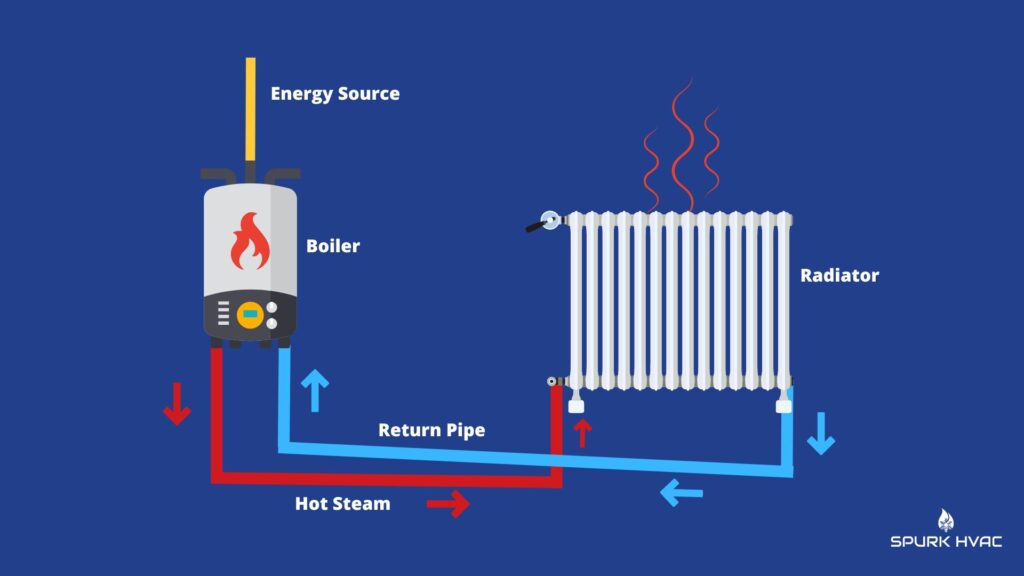
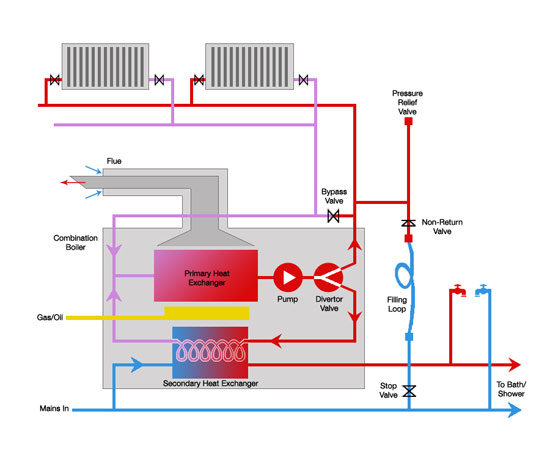
Unlike forced-air systems that heat air directly, boilers heat water, which then circulates through your property to deliver warmth. Here’s a step-by-step breakdown of the process:
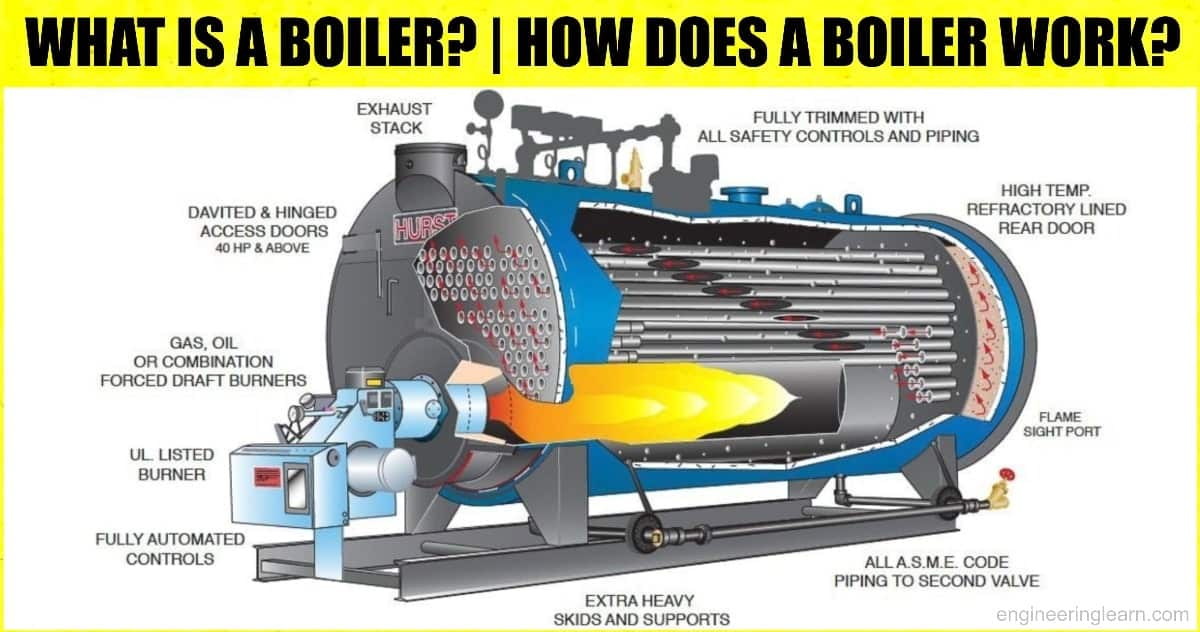
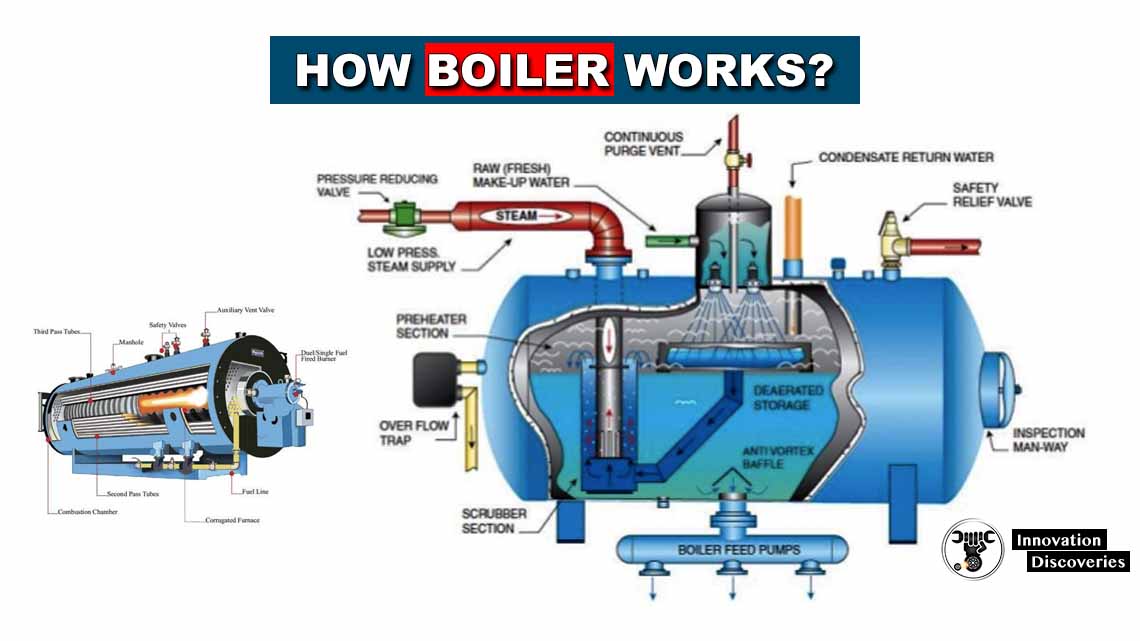
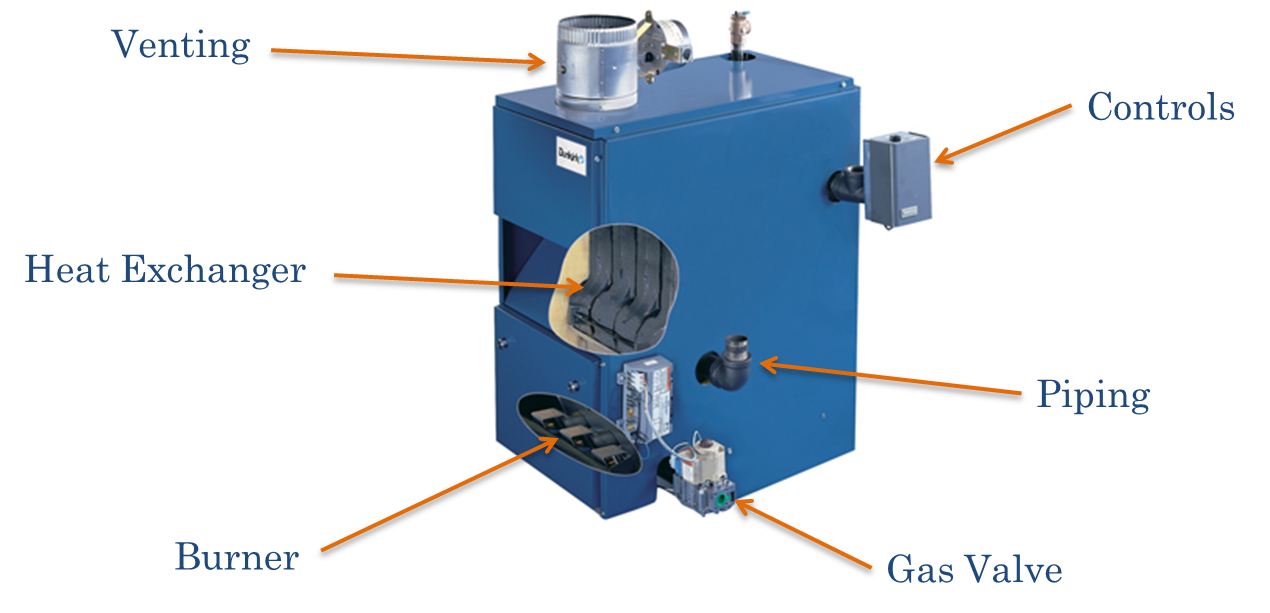
- Combustion: The boiler's burner ignites fuel (natural gas, propane, or oil) within a combustion chamber. Newer, high-efficiency boilers use condensing technology, which extracts even more heat from the combustion gases, significantly reducing waste.
- Heat Transfer: The heat generated from combustion is transferred to water circulating within the boiler's heat exchanger. This is a critical component, as its design directly impacts the boiler's efficiency.
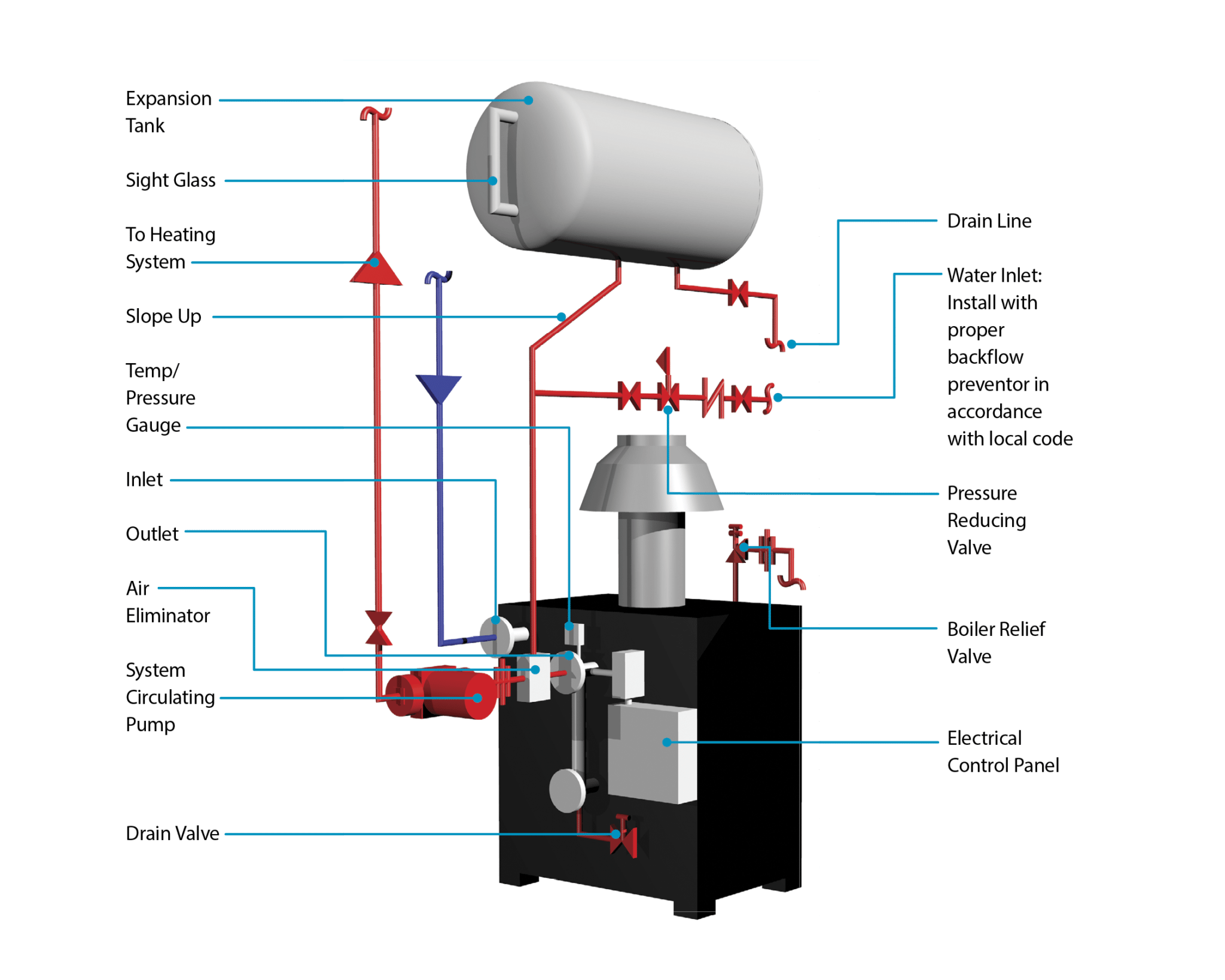
- Water Circulation: The heated water is then pumped through a network of pipes to radiators, baseboard heaters, or radiant floor systems throughout your building.
- Heat Emission: As the hot water flows through these heating elements, it radiates heat into the surrounding space, warming the room.
- Return Cycle: The cooled water then returns to the boiler to be reheated, completing the cycle.
Boilers operate as a closed-loop system, meaning the same water is continuously circulated. This eliminates the dry, dusty air associated with forced-air systems, making them a better choice for individuals with allergies or respiratory sensitivities.
Types of Boilers: Choosing the Right Fit
Boilers come in various types, each with its own advantages and disadvantages:
- Conventional (Non-Condensing) Boilers: These are the older, less efficient models. They vent exhaust gases directly into a chimney at high temperatures, wasting a significant amount of heat. While they may have a lower initial cost, their higher operating costs make them less desirable in the long run. Look for AFUE (Annual Fuel Utilization Efficiency) ratings, with older models typically falling below 80%.
- Condensing Boilers: These are the modern, high-efficiency options. They extract additional heat from the exhaust gases by condensing the water vapor, significantly increasing their efficiency. Condensing boilers can achieve AFUE ratings of 90% or higher, translating into substantial energy savings.
- Combi Boilers: These units combine both heating and domestic hot water production in a single unit, eliminating the need for a separate water heater. They are a space-saving option, ideal for smaller homes or apartments.
- Electric Boilers: These boilers use electricity to heat the water. While they are clean and quiet, their operating costs can be higher than gas or propane boilers, depending on local electricity rates. They are often a good option where gas isn't available.
Efficiency Metrics: Understanding AFUE and Energy Star
The AFUE (Annual Fuel Utilization Efficiency) rating is a crucial metric for evaluating boiler efficiency. It represents the percentage of fuel that is converted into usable heat. A higher AFUE rating indicates a more efficient boiler.
Energy Star certified boilers meet strict energy efficiency guidelines set by the Environmental Protection Agency (EPA). Look for the Energy Star label when shopping for a new boiler to ensure you are choosing a high-performance model that will save you money on your energy bills. Energy Star boilers often qualify for rebates and incentives.
For example, replacing an old boiler with an AFUE of 60% with a new Energy Star certified condensing boiler with an AFUE of 95% could reduce your heating costs by 35% or more. This translates to significant savings over the lifespan of the boiler.
Radiant Heating: The Silent, Efficient Heat Delivery System
Boilers are often paired with radiant heating systems, which offer superior comfort and energy efficiency compared to traditional forced-air systems. Radiant heating can be delivered through:
- Radiators: These are the classic heating elements, available in various styles to complement your home's decor.
- Baseboard Heaters: These are installed along the baseboards of your walls and provide even heat distribution.
- Radiant Floor Heating: This is the most comfortable and energy-efficient option. Hot water circulates through pipes embedded in the floor, creating a warm and comfortable surface.
Radiant heating systems offer several advantages:
- Even Heat Distribution: Radiant heat warms objects and people directly, eliminating the cold spots and drafts associated with forced-air systems.
- Improved Air Quality: Radiant heating doesn't circulate dust and allergens, making it a healthier option for individuals with allergies or respiratory issues.
- Energy Efficiency: Radiant heating systems typically operate at lower temperatures than forced-air systems, reducing energy consumption.
Smart HVAC Integration: Optimizing Boiler Performance with Technology
Integrating your boiler system with smart home technology can further enhance its efficiency and convenience. Smart thermostats, sensors, and control systems allow you to:
- Remote Control: Adjust the temperature from anywhere using your smartphone or tablet.
- Zoned Heating: Control the temperature in different zones of your home or business, allowing you to heat only the areas that are in use. This can significantly reduce energy waste.
- Automated Scheduling: Program your thermostat to automatically adjust the temperature based on your schedule.
- Energy Monitoring: Track your energy consumption and identify areas where you can save money.
- Predictive Maintenance: Some smart systems can detect potential problems with your boiler and alert you before they escalate into costly repairs.
Consider investing in a smart thermostat that is compatible with your boiler system. Brands like Nest, Ecobee, and Honeywell offer smart thermostats that can be easily integrated with boiler systems. These thermostats learn your heating preferences and automatically adjust the temperature to optimize comfort and energy savings.
Maintenance and Troubleshooting: Keeping Your Boiler Running Smoothly
Regular maintenance is essential for ensuring the efficient and reliable operation of your boiler system. Schedule annual maintenance checks with a qualified HVAC technician. These checks should include:
- Inspection of the burner and combustion chamber.
- Cleaning of the heat exchanger.
- Checking the water pressure and pH levels.
- Bleeding air from the radiators or baseboard heaters.
- Inspection of the venting system.
Common boiler problems include low water pressure, leaks, and burner malfunctions. Addressing these issues promptly can prevent more serious problems and extend the life of your boiler. For example, low water pressure can indicate a leak in the system, which needs to be repaired to prevent water damage and energy loss. A faulty burner can result in inefficient combustion, increasing your fuel consumption.
Financial Incentives and Rebates: Making Energy Efficiency Affordable
Many utility companies and government agencies offer rebates and incentives for upgrading to energy-efficient boilers. Check with your local utility company and the Energy Star website to see what rebates are available in your area. These rebates can significantly offset the cost of a new boiler, making it a more affordable investment.
Furthermore, some states offer tax credits for energy-efficient home improvements, including boiler upgrades. These tax credits can further reduce the overall cost of the project and provide additional financial benefits.
For example, the Inflation Reduction Act includes provisions for tax credits and rebates for energy-efficient home improvements, including the installation of high-efficiency boilers. Consult with a tax professional to determine if you are eligible for these incentives.
ROI Analysis: Investing in Long-Term Savings
While the initial cost of a new high-efficiency boiler may be higher than a conventional model, the long-term savings can be substantial. A Return on Investment (ROI) analysis can help you determine the payback period for your investment.
Consider the following factors when calculating the ROI:
- Initial cost of the boiler.
- Installation costs.
- Energy savings.
- Rebates and incentives.
- Tax credits.
- Maintenance costs.
- Lifespan of the boiler.
In many cases, the energy savings and financial incentives can offset the higher initial cost of a high-efficiency boiler within a few years. This makes it a worthwhile investment for homeowners and businesses looking to reduce their energy bills and improve their environmental footprint.
The Future of Boiler Heating: Innovations and Trends
The boiler heating industry is constantly evolving, with new innovations and trends emerging to further enhance efficiency and performance. Some of the key trends include:
- Hybrid Heating Systems: Combining boilers with other heating technologies, such as heat pumps, to optimize energy efficiency and reduce reliance on fossil fuels.
- Smart Boiler Controls: Advanced control systems that use artificial intelligence and machine learning to optimize boiler performance and energy consumption.
- Renewable Energy Integration: Integrating boilers with renewable energy sources, such as solar thermal systems, to further reduce carbon emissions.
By staying informed about these trends and adopting new technologies, you can ensure that your boiler system remains efficient and reliable for years to come. Consult with a qualified HVAC contractor to discuss the latest innovations and determine the best solutions for your specific needs.
Ultimately, understanding how a boiler heating system works empowers you to make informed decisions about your heating needs, leading to increased comfort, reduced energy bills, and a more sustainable future. Investing in a high-efficiency boiler, coupled with smart home integration and proper maintenance, is a smart choice for homeowners and businesses alike.